Bear Sounds: What Each Call Means and When You Hear It
Bear sounds are mostly breath, not voice. The noises you are most likely to hear from a black bear or grizzly are huffs, blows, jaw pops, and woofs, and almost all of them mean the same thing: the bear is stressed and wants more space. The deep Hollywood roar is the rarest sound a North American bear makes, and many people spend a lifetime in bear country without hearing one.
Knowing which bear noise you are hearing is practical. A huff at 40 yards is a request to back away; a nursing hum means you are standing next to a den. Below, every bear sound on its own: what triggers it, when you hear it, and which animals fool you.
Bears make huffing, blowing, jaw popping, woofing, growling, moaning, bawling, grunting, and tongue clicking sounds. Huffs, blows, and jaw pops are stress signals that mean a bear feels crowded. Growls and roars are rare. Cubs produce high squeals, bawls, and a motor like nursing hum that carries several yards from a den.
| Sound | What it means | When you hear it | Easily confused with |
|---|---|---|---|
| Huff or blow | Stress, first warning | Any time, during close encounters | A startled deer snorting |
| Jaw pop or teeth clack | High stress, may precede bluff charge | Close encounters, day or night | A branch snapping |
| Woof or bark | Alarm, often a sow warning cubs | Daylight, around food sources | A large dog |
| Moan or bawl | Distress, separation, or mating | June and July, and spring with cubs | A crying child, a fox scream |
| Grunt or pulsing hum | Sow calling cubs, or courtship | Spring and early summer | A hog, a porcupine |
| Nursing hum | Contentment while cubs feed | Winter and early spring at dens | A small engine idling |
| Growl or roar | Serious conflict, rare | Carcass or territory disputes | Almost nothing else |
What sound do bears make?
The most common bear sound by a wide margin is the huff, a short forceful exhale through the nose and mouth that carries 50 to 100 yards in still air. Both the American black bear (Ursus americanus) and the brown bear (Ursus arctos horribilis) produce it, and it is pure breath with no vocal cord involvement at all.
Bears are not a vocal species compared with wolves or elk. Long term black bear studies have catalogued roughly a dozen distinct sounds, and most adult communication runs on scent and posture instead. A comfortable bear makes almost no sound beyond footfalls and brush, so if you are hearing one, something about the situation has already changed.
Huffing and blowing: the first warning
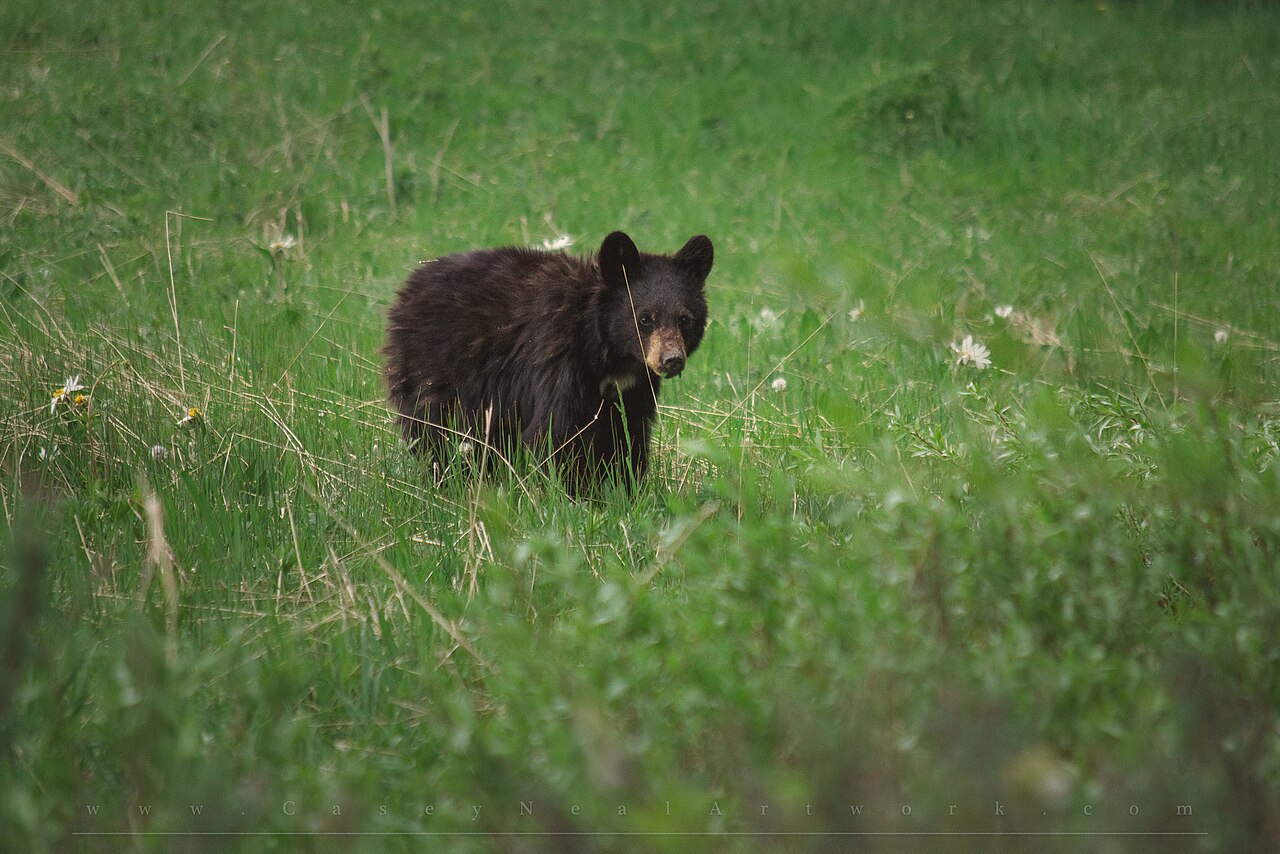
A huff sounds like a sharp “hoof”, or a person blowing out a candle with real force, repeated every few seconds. Blowing is the longer version, a sustained rush of air lasting a second or more. Both signal anxiety rather than aggression, and they are the bear’s opening statement in any uncomfortable encounter.
You hear huffing at any hour, triggered by proximity rather than by time, though hikers most often trigger it between dawn and mid morning. Speak calmly, avoid eye contact, and increase the distance without turning your back or running. White tailed deer snort a very similar exhale when alarmed; the deer version is higher, sharper, and followed by crashing hooves.
Jaw popping and teeth clacking
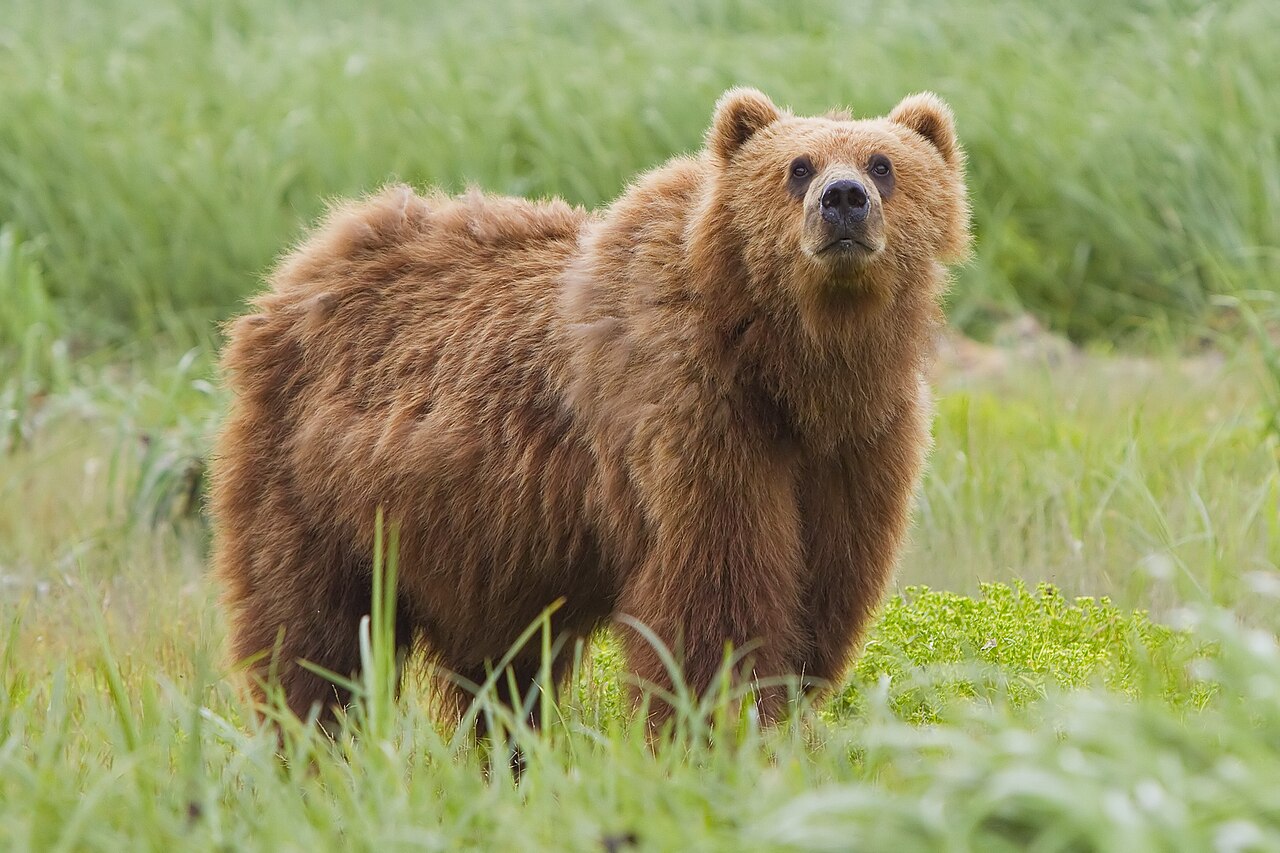
Jaw popping is a hard, hollow clack produced when a bear snaps its jaws shut, usually in a run of three to six pops. It is the next step up from huffing and signals real stress. In black bears it often comes immediately before a bluff charge, a short run that stops well short of contact.
The sound carries well through forest and is easy to mistake for a branch snapping underfoot. The giveaway is rhythm: natural woodland noise is irregular, while jaw popping comes in an even, deliberate series. If you hear it, the bear has warned you twice. Back away slowly along the route you came and give the animal an obvious escape line.
Next question: Do Bears Hibernate? What Really Happens Inside the Den
Woofing and the explosive bark
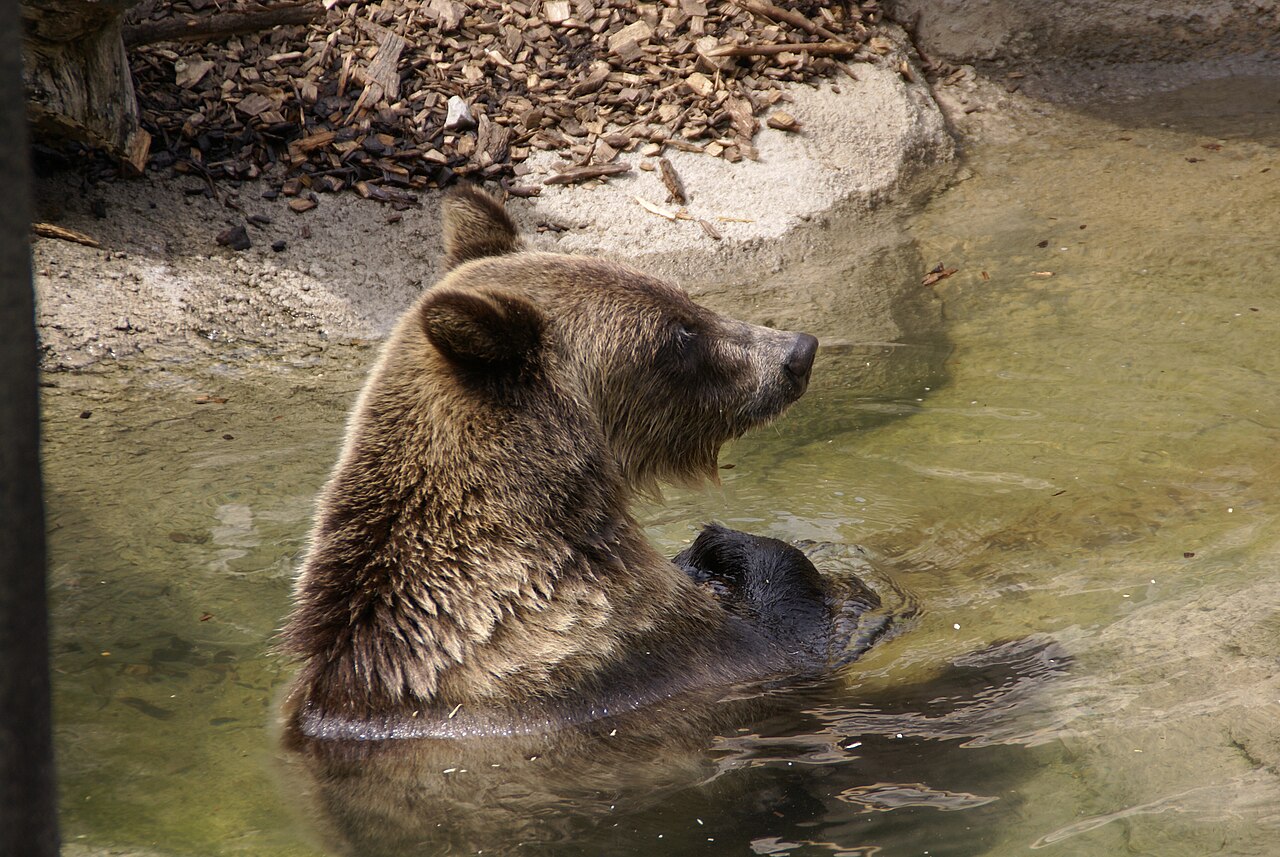
A woof is a single loud bark, deeper and rounder than a dog’s, usually issued once or twice rather than repeated. Sows use it to send cubs up a tree, and solitary bears use it when startled at close range. In a quiet valley it carries a quarter mile.
Most woofing happens in daylight around concentrated food: berry patches in late summer, oak flats during the October acorn drop, salmon streams in the Northwest from July through September. A woof near a food source almost always means more than one bear is present. Large dogs produce the closest match, but a dog barks in sustained series while a bear woofs once and goes silent.
Growls and roars: rarer than the movies suggest
Black bears essentially do not roar. The low rolling growl exists in their repertoire but is reserved for serious conflict with another bear over a carcass or a mate, and most field researchers hear it only a handful of times across decades. Brown bears bellow more readily, particularly males during the June breeding season and at crowded fishing sites.
A real bear growl is a sustained low rumble you feel in the chest, without the theatrical rise and fall of a film sound effect. Nearly every bear roar clip online is a relabeled tiger or lion recording, which is worth knowing before you try to match a sound you heard against a video. If a growl is directed at you rather than at another bear, stand your ground, make yourself large, and ready bear spray.
Moaning and bawling
Moaning is a long, wavering, almost mournful sound that rises and falls, and it is the bear noise most likely to be mistaken for a human. Black bears moan when apprehensive but not yet defensive, and during the June and July breeding season both sexes moan while trailing each other through the woods.
Bawling is louder and more desperate: a cub separated from its mother, or any bear in pain. It is close enough to a screaming child that campers have called emergency services over it, carries half a mile, and repeats at regular intervals until answered. A red fox scream fills a similar register but is thinner and more abrupt. Compare other large mammal calls such as bison sounds when working through a night recording.
Cub squeals, chirps and the nursing hum
Cubs are the vocal members of the family. A frightened cub produces a piercing squeal that alarms the whole family group, and cubs separated from a sow emit repeated high whines and chirps that sound more like a bird than a mammal.
The strangest bear sound of all is the nursing hum, a pulsing drone cubs make while suckling. It resembles a small outboard motor idling, runs continuously for minutes, and is audible from 10 to 30 ft (3 to 9 m) outside a den. You hear it from January through April. Hearing it outdoors means you have walked up on an occupied den, which calls for immediate quiet retreat.
Grunts, tongue clicks and courtship noises
A sow calling her cubs uses a soft, pulsing grunt, roughly “uh uh uh”, at conversational volume. It is not meant to carry and you will only hear it within about 30 yards. The cubs answer with chirps, and the exchange can run for several minutes while the family regroups.
During courtship, both black and brown bears add tongue clicking and a rapid pulsed grunt. These sounds run from late May through early July and are often the only sign that two bears are moving together through dense cover. Feral hogs grunt similarly, but hog grunts come near continuously from a scattered group, while bear grunts come in short deliberate bursts from one or two animals.
What noises do black bears make at night?
At night the sounds are mostly mechanical: a trash can lid dragging on concrete, a bird feeder pole bending, a cooler sliding off a picnic table, claws scraping bark. Black bears stay active well after dark where human food is available, and a quiet, methodical noise outside at 2 a.m. is more likely a bear than a raccoon if the object moved weighs over 20 lb (9 kg).
Vocal night sounds do occur, since moaning and bawling carry best in cool still air, and the June breeding season produces most nighttime moaning reported from cabins. Jaw popping outside a tent means a bear is close and agitated. Bears do not get into attics or wall cavities, so scratching inside the structure is never a bear; check our guide to bat sounds for those.
Non vocal bear sounds worth recognizing
Bears make a great deal of noise with their bodies. Claw scraping on bark during a climb is a slow rhythmic rasp, nothing like a squirrel’s rapid scrabble. Rub trees produce a heavy rhythmic squeak as a bear works its back against the trunk, usually in late spring and early summer along established travel routes.
Feeding is loud. Bears tear stumps apart for ants with a sound like splitting kindling, roll rocks, and strip berry canes with an audible rake. A 300 lb (136 kg) animal simply walking through dry leaves is distinctive, because the footfalls are heavy, flat, and evenly spaced rather than bounding. Our guide on what bears eat maps those noises to the season that produces them.
Sounds people mistake for bears
Four animals account for most false bear reports. Red foxes scream in January and February. Porcupines moan, grunt, and whine in a register close to a cub. Raccoons fighting produce growls and screams out of all proportion to their size. Barred owls add a low guttural caterwaul nobody expects from a bird.
Elk and moose fill out the list: a bull elk’s closing grunts after a bugle get filed as bear constantly, and moose groan through the autumn rut in exactly the habitat where people expect bears. Near water, a slapped tail or whining kits add to it, as our notes on beaver sounds explain. Learn the barred owl sound first, and compare against verified audio from the National Park Service.
Frequently Asked Questions
What does a bear sniffing sound like?
A bear sniffing produces a rapid series of short wet inhalations, roughly four to eight per second, similar to a large dog working a scent but deeper and louder. Bears often stand and swing the head side to side while doing it. The sound carries about 20 yards and usually means the animal has detected food or a person and is locating the source.
What noise attracts bears?
No sound reliably attracts bears except those tied to food. Coolers opening, dishes clattering, trash can lids, generator noise at campsites, and electronic predator calls imitating a distressed fawn all draw bears in. Human conversation does the opposite in most cases. Smell, not sound, is what brings a bear into a camp in the first place.
How do you know if a black bear is around?
Look before you listen. Overturned rocks, torn stumps, claw marks and hair on trunks, flattened berry patches, and scat full of seeds or insect parts are all reliable. Fresh tracks show five toes with claw marks ahead of each. Audible signs are heavy irregular footfalls, branches breaking at head height, and huffing. Trail cameras settle the question quickly.
What is a bear’s worst enemy?
Other bears. Adult males kill cubs and occasionally subadults, and that pressure shapes where sows raise families. Beyond that, humans account for the overwhelming majority of bear mortality through hunting, vehicle collisions, and conflict removals. Wolves and mountain lions can kill young bears but rarely challenge a healthy adult of either species.
What state has zero bears?
Hawaii has no bears at all and never has. On the mainland, Delaware and Rhode Island hold no established breeding population, though individual black bears wander into both. Bear range in the lower 48 has expanded steadily since the 1980s, and several states considered bear free in the twentieth century now have resident populations.
Why do we not eat bear meat?
Bear meat is eaten, but it carries a real risk of trichinellosis from the parasitic worm Trichinella, which survives freezing in bear tissue. It must be cooked to an internal temperature of 165 degrees F (74 degrees C) throughout. That handling requirement, plus a strong flavor that varies with the animal’s diet, keeps it off most tables.