What Do Bears Eat? Diet by Species & Season
Bears are overwhelmingly omnivorous, with roughly 80 percent of a typical bear’s diet consisting of plant matter like berries, nuts, grasses, and roots, supplemented by insects, fish, and occasional meat from small mammals to large ungulates depending on species and season. This guide covers what different bear species eat, how their diet shifts dramatically through the year, why they eat so much before hibernation, and what bears eat immediately after waking in spring.
| Season | Primary foods |
|---|---|
| Spring (post-hibernation) | Fresh shoots, grasses, young leaves, insects, carrion |
| Summer | Berries, soft fruits, insects, fish (where available) |
| Fall (hyperphagia) | Nuts, seeds, berries, carrion, small mammals |
| Winter | Nothing; living entirely off stored fat reserves |
Are Bears Carnivores, Herbivores, or Omnivores?
Bears are true omnivores, and for most species, plant material actually dominates the diet by volume: roughly 80 percent of a typical bear’s food intake consists of nuts, berries, fruit, leaves, and roots, with the remaining share coming from animal sources ranging from insects and small rodents up to large prey like moose in the case of some populations. This heavily plant-based reality often surprises people who picture bears primarily as fearsome predators, when in practice, most bear species spend the overwhelming majority of their feeding time and effort on vegetation rather than hunting.
What Do Black Bears Eat?
Black bears (Ursus americanus) are highly adaptable omnivores whose diet shifts distinctly with the seasons. In spring, after emerging from hibernation, they seek out fresh, tender vegetation, shoots, grasses, and young leaves that are easier to digest before tougher cellulose develops, supplementing this with insects like ants and beetle larvae and scavenged carrion from animals that did not survive the winter. Summer brings a shift toward soft fruits and berries, raspberries, blueberries, and blackberries among their favorites, while fall triggers a dramatic feeding intensification as bears prepare for winter dormancy, prioritizing high-calorie nuts and seeds alongside continued berries and opportunistic scavenging or predation on small mammals and vulnerable young animals like fawns.
What Do Brown Bears (Grizzlies) Eat?
Brown bears, including grizzlies, are similarly opportunistic omnivores whose diet includes berries, flowers, grasses, herbs, and roots as a plant-based foundation, according to National Park Service descriptions. For protein, Alaskan brown bears specifically target beavers, deer, caribou, carrion, and other small mammals, and in coastal regions like Katmai National Park, salmon runs provide an enormously important seasonal protein source, with roughly 2,200 bears documented feeding on a single major salmon run in the Brooks River, a seasonal feeding concentration on the same scale as the mineral-lick gatherings seen among elephant herds seeking soil-based nutrients. This coastal salmon access is a major reason brown bear populations in salmon-rich regions can grow considerably larger than inland populations without reliable access to the same protein-dense seasonal food source.
Why Do Bears Eat So Much Before Winter?
The period of intense pre-hibernation eating, called hyperphagia, is a genuine biological necessity rather than simple gluttony, since bears must build enough fat reserves to survive months of complete winter fasting without eating, drinking, or eliminating waste at all. During hyperphagia, the largest, most successful bears can consume more than 40 kilograms, roughly 90 pounds, of food per day, and some individuals gain an astonishing 450 to 550 kilograms, doubling their body weight, in preparation for the winter ahead. Remarkably, bears will lose that same mass, plus an additional 15 to 30 percent of their body weight, over the course of a single winter’s hibernation, entirely from stored fat metabolism rather than any food intake during that period.
Do Bears Eat During Hibernation?
No, bears do not eat, drink, or produce waste at all during hibernation, relying entirely on the fat reserves accumulated during the preceding hyperphagia period to sustain their bodies through the winter. In an especially remarkable metabolic adaptation, hibernating bears recycle nitrogen from waste urea to actually build new proteins during this fasting period, effectively converting stored fat into muscle mass even while completely inactive and not eating, a capability with no clear parallel in most other mammals. Hibernating bears also develop a form of temporary insulin resistance that allows their bodies to manage the metabolic demands of this extended fast without the health complications that prolonged fasting or extreme blood sugar fluctuations would normally cause.
What Do Bears Eat When They Wake Up From Hibernation?
Bears emerge from hibernation in spring with essentially no food reserves left in their stomachs and significantly depleted fat stores, making them genuinely hungry and eager to begin feeding again as soon as possible after waking. Early spring foraging focuses on the most readily available and digestible vegetation: tender new shoots, grasses, and emerging leaves, along with any carrion left over from animals that did not survive the winter, since these winter-killed carcasses provide an easy, high-value protein source before the bear’s usual prey base becomes more active and harder to catch.
Do Bears Eat Fish?
Yes, and for some populations fish represents an enormously important seasonal food source rather than an occasional supplement. Coastal brown bears in regions like Alaska rely heavily on seasonal salmon runs, with entire bear populations timing their feeding activity around this predictable, protein-and-fat-rich resource, a seasonal reliance not unlike how certain social predators time major activity around predictable prey movements, a pattern well documented by the National Park Service at sites like Katmai’s Brooks River. Inland bear populations without reliable access to salmon or other fish generally rely far more heavily on terrestrial protein sources like insects, small mammals, and carrion instead, one of several reasons coastal and inland bear populations of the same species can show meaningfully different average body sizes and feeding patterns, a geographic diet split not unlike how fish species diets shift dramatically between freshwater and marine environments.
Do Bears Eat Insects?
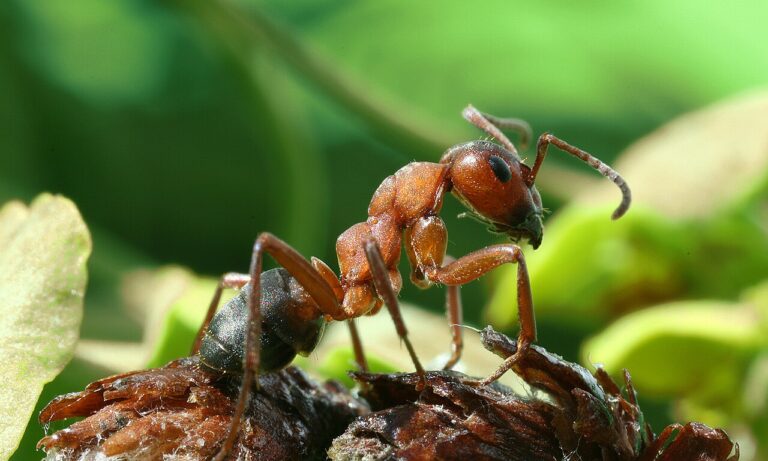
Yes, insects form a genuinely significant part of many bear species’ diets, particularly ants, bees, termites, and various larvae and grubs. Black bears specifically use their long, powerful claws to dig into rotting logs and termite mounds to access these protein-rich insects, and this insect-foraging behavior is common enough across bear species that it represents a meaningful dietary category rather than an occasional curiosity. Combined with fish, small mammals, and carrion, insects round out the animal-protein side of what is otherwise a heavily plant-dominated diet across most bear species and populations.
Do All Bear Species Hibernate and Fast the Same Way?
No, hibernation patterns vary meaningfully across the eight recognized bear species worldwide. Species in more temperate or tropical climates, including sloth bears and some populations in warmer regions, do not undergo the same extended winter dormancy that black bears and brown bears in colder climates rely on, and remain active and feeding through the winter months instead, a year-round activity pattern shared with adaptable predators like coyotes, which do not hibernate at all regardless of climate. Among species that do hibernate, the depth and duration of dormancy also varies by region and food availability, with bears in areas of scarcer food resources sometimes entering hibernation earlier or remaining dormant longer than populations with more consistent access to food year-round.
Related reading: what do fish eat.
Frequently Asked Questions
Are bears carnivores or omnivores?
Bears are omnivores, and for most species, plants make up about 80 percent of their diet by volume, including berries, nuts, roots, and leaves, with the remainder coming from insects, fish, and meat depending on species and season.
What do black bears eat?
Black bears eat a highly seasonal diet: fresh shoots and insects in spring, berries and soft fruits in summer, and high-calorie nuts, seeds, and carrion in fall as they prepare for hibernation.
What do grizzly bears eat?
Grizzly and brown bears eat berries, grasses, roots, and herbs as a plant-based foundation, supplemented by protein from deer, caribou, beavers, carrion, and, in coastal regions, seasonal salmon runs.
Why do bears eat so much before winter?
This intense pre-hibernation eating, called hyperphagia, is essential for building fat reserves to survive months of complete winter fasting. Bears can eat over 90 pounds of food daily and may double their body weight.
Do bears eat anything during hibernation?
No, bears do not eat, drink, or eliminate waste during hibernation. They live entirely off fat reserves built up during hyperphagia, and remarkably can convert some of that fat into new muscle protein even while fasting.
What do bears eat right after waking from hibernation?
Bears emerging in spring seek easily digestible fresh vegetation like tender shoots and grasses, along with scavenged carrion from animals that died over winter, since their fat reserves are largely depleted and prey is not yet abundant.
Do bears eat insects?
Yes, ants, bees, termites, and various larvae make up a genuinely significant part of many bear species’ diets, with black bears specifically digging into logs and termite mounds using their powerful claws.
From the deliberate mineral-seeking behavior of grazing herbivores to the calculated protein-timing of a hibernating predator, bear feeding ecology offers a genuinely instructive window into just how tightly diet, seasonality, and survival strategy are interwoven across the animal kingdom.
Understanding these seasonal and species-level dietary patterns also helps explain why responsible outdoor recreation practices, like proper food storage in bear country, matter so much: bears are simply following the same food-driven instincts that have shaped their survival for millions of years.
Whether observing bears from a safe distance in the wild or simply learning about their dietary habits from afar, the sheer range of what a single species can eat across different seasons and regions remains one of the more genuinely impressive examples of dietary flexibility in the mammal world.
That flexibility is ultimately a survival strategy honed over an extraordinarily long evolutionary timescale, allowing bears to persist across environments as different as Arctic tundra, dense temperate forest, and tropical woodland alike.
For anyone hoping to see bears responsibly in the wild, timing a visit around known seasonal feeding concentrations, such as a coastal salmon run, offers some of the most reliable and spectacular wildlife viewing opportunities available anywhere.
Understanding what drives a bear’s behavior at each point in the calendar year makes every sighting, whether from a safe viewing platform or a trail camera photo, considerably more meaningful and easier to interpret correctly, turning a fleeting glimpse into genuine understanding of the animal’s needs.