What Can Rabbits Eat? Safe Foods, Daily Portions and What to Avoid
What rabbits can eat is simpler than most feeding charts suggest: unlimited grass hay, a daily handful of fresh leafy greens, a measured scoop of plain pellets, and fruit only as a treat. Hay should make up about 80 percent of what a rabbit eats every single day, because the long fiber keeps the gut moving and grinds the teeth down as they grow.
Everything else is a rounding error by weight, and that is where owners go wrong. A rabbit fed mostly pellets and vegetables looks well fed and is quietly heading for gut stasis or overgrown molars. The lists below give the safe foods, the portions, the frequency, and the foods that have no place in the bowl at all.
Rabbits eat unlimited grass hay such as timothy or orchard, plus about one packed cup of leafy greens per 2 lb (0.9 kg) of body weight daily, and 1/4 cup of plain pellets. Fruit and carrot are treats, 1 to 2 teaspoons a day. Never feed iceberg lettuce, potato, onion, avocado, bread, or grass clippings.
What Human Foods Are Safe for Rabbits?
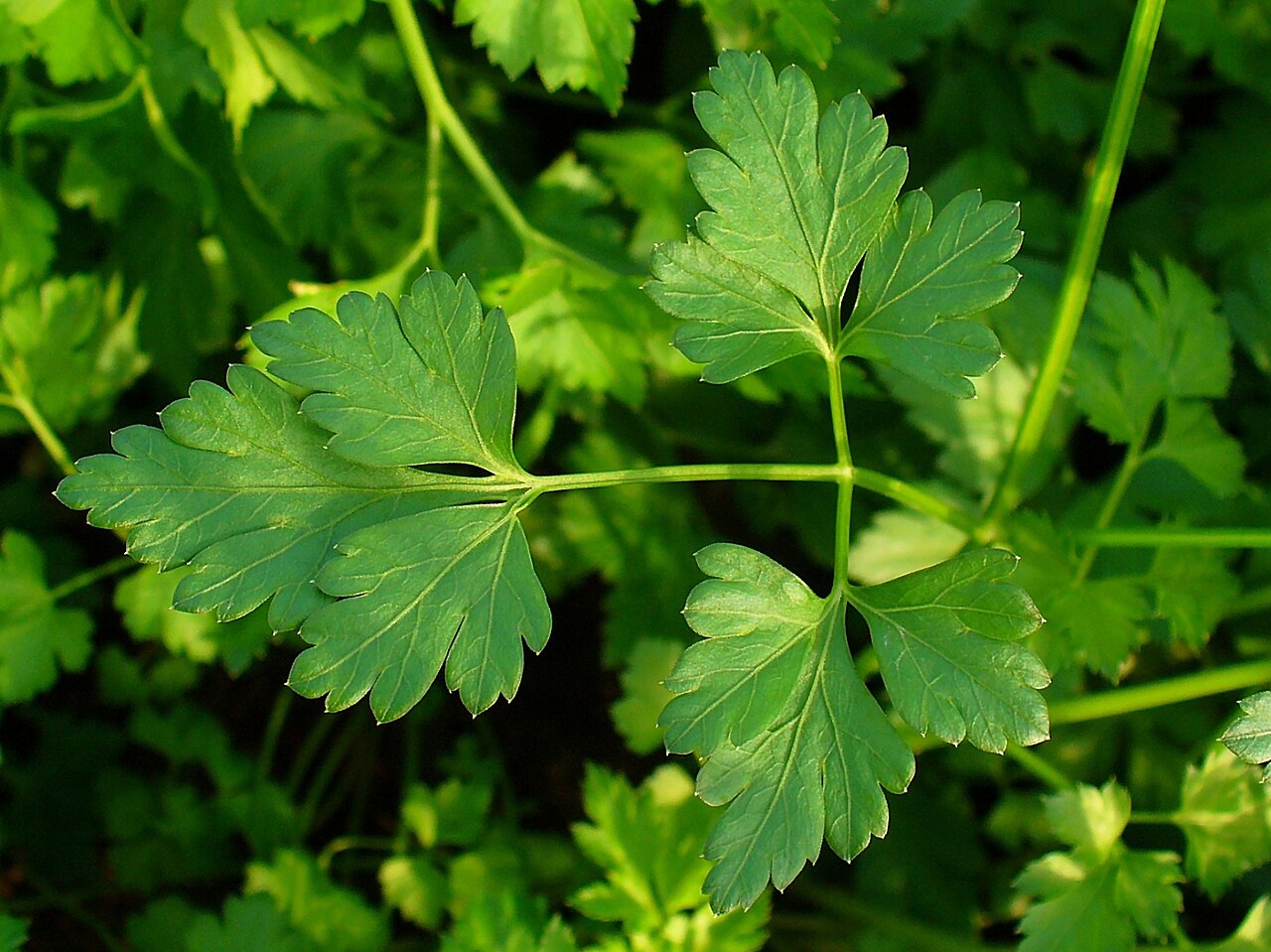
Safe human foods for rabbits are almost all leaves, herbs and a short list of vegetables. Romaine and green leaf lettuce, cilantro, basil, parsley, mint, dill, carrot tops, bok choy, celery leaves, kale in small amounts and dandelion greens are all accepted daily foods. The rule that sorts them is water content and sugar: the leafier and less sweet, the safer the volume.
Vegetables that are mostly water or mostly starch move to the treat column. Cucumber is harmless but nearly calorie free and can loosen stool in quantity, broccoli causes gas in some rabbits and is best given as leaves rather than florets, and tomato flesh is fine while the leaves and stem are toxic. Nothing cooked, nothing from a can, and nothing seasoned ever belongs in a rabbit bowl.
What Is Safe for Rabbits to Eat Every Day?
Three things are daily: hay, greens and a small pellet ration. Timothy, orchard, meadow and oat hay all work for adult rabbits, and the pile should be as big as the rabbit, refreshed morning and evening so it never runs out. Alfalfa is the exception, too rich in calcium and protein for adults but correct for a growing baby rabbit under seven months.
Greens come in at roughly one packed cup per 2 lb (0.9 kg) of body weight, split across two or three kinds so no single plant dominates. Pellets stay at 1/4 cup per 6 lb (2.7 kg) of adult rabbit, plain timothy based, with no seeds, corn or colored pieces. Water matters as much as food: a 5 lb (2.3 kg) rabbit drinks 8 to 10 fl oz (240 to 300 ml) a day, more than a cat of the same size, and a bowl gets used far more than a bottle.
Safe Vegetables and Herbs, Sorted by How Often to Feed Them
| Food group | Examples | How often | Portion for a 6 lb (2.7 kg) rabbit |
|---|---|---|---|
| Grass hay | Timothy, orchard, meadow, oat | Always available | Unlimited |
| Daily greens | Romaine, cilantro, basil, parsley, carrot tops | Every day | About 3 packed cups |
| Limited greens | Kale, spinach, chard, mustard greens | 2 to 3 times a week | Up to 1/2 cup |
| Pellets | Plain timothy pellets | Every day | 1/4 cup |
| Watery vegetables | Can Rabbits Eat Cucumber, Can Rabbits Eat Broccoli, Can Rabbits Eat Tomatoes | 2 to 3 times a week | 1 to 2 thin slices |
| Fruit treats | Can Rabbits Eat Apples, Can Rabbits Eat Bananas, Can Rabbits Eat Grapes, Can Rabbits Eat Strawberries, Can Rabbits Eat Watermelon | Once a day at most | 1 to 2 teaspoons total |
| Citrus and rind | Can Rabbits Eat Oranges | Rarely | One small segment |
What Are Good Snacks for Rabbits?
The best snack is a fresh herb, not fruit. Mint, basil, dill and cilantro register as a treat to a rabbit, carry no sugar load, and can be handed over daily without any portion math. Dried herbs, a few plain oat flakes, or a willow twig to chew cover the rest of the enrichment need.
Fruit is where portions get dangerous, because rabbits take sugar enthusiastically and the gut flora does not. Apple without seeds, strawberry, watermelon and grapes are all safe at 1 to 2 teaspoons a day for an average adult. Banana is the most calorie dense of the common fruits and the one owners most often overfeed, and orange is acidic enough that one segment is the ceiling. Commercial yogurt drops and seed sticks fail on both counts and should stay on the shelf.
What Are Bunnies Not Allowed to Eat?
The hard no list is short and absolute: iceberg lettuce, potato and potato peel, onion, garlic, leek, avocado, rhubarb, raw beans, corn and corn cobs, nuts, seeds, chocolate, bread, crackers, cereal, pasta, meat and any dairy. Avocado and rhubarb are genuinely toxic, while bread and cereal are dangerous for a slower reason: they ferment in a gut built for fiber and can trigger fatal stasis within a day.
Garden material deserves its own warning. Grass clippings from a mower heat and ferment fast and must never be fed, though fresh grass picked by hand is fine. Lawn plants to avoid include foxglove, lily of the valley, nightshade, buttercup and anything from a treated lawn. If you also keep cavies, note that the lists differ in one important way, as our guide to what guinea pigs can eat explains: guinea pigs need dietary vitamin C, rabbits make their own.
What Can I Feed Rabbits If I Don’t Have Rabbit Food?
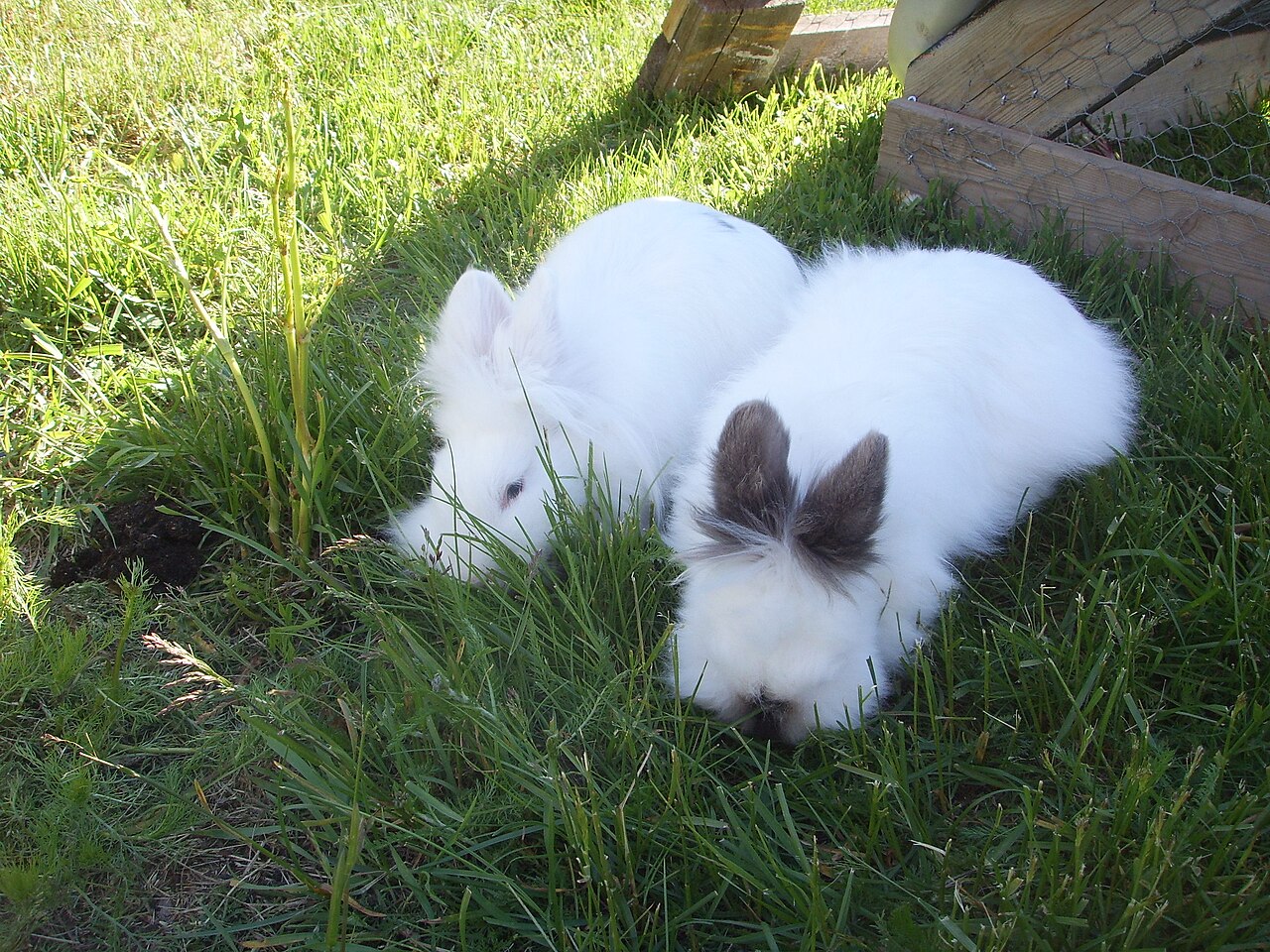
Run out of pellets and nothing breaks, as long as hay and greens are there. Pellets are a supplement, not the base, and a healthy adult rabbit can go weeks on hay plus a varied mix of greens without harm. Out of hay as well, pick clean untreated grass, plantain, dandelion and clover by hand, and buy any grass hay from a feed store the same day.
What not to do is substitute human staples. Oats, bread and vegetables alone do not supply the long fiber the gut needs, and a rabbit eating no hay for more than a day or two is at real risk. Hungry wild rabbits in the yard need nothing from you either: a cottontail finds its own grass year round, and because rabbits are crepuscular rather than nocturnal, you will usually see them feeding at dawn and dusk rather than at night. The ASPCA keeps a searchable list of plants that are toxic to rabbits and other pets.
Frequently Asked Questions
How can you tell if a bunny is hungry?
A hungry rabbit circles your feet, nudges your hand, thumps, or chews the hutch bars at feeding time. Real hunger cues are easy to confuse with habit begging, so judge by body condition instead: you should feel the ribs under a thin layer with gentle pressure, not see them.
Can I leave a rabbit alone for 2 days?
No. Rabbits need fresh hay, water and a daily check, because gut stasis can kill within 24 to 48 hours and gives few early signs. One overnight absence with a full hay rack and two water sources is manageable. Anything longer needs someone to look in once a day.
How do rabbits say I’m sorry?
Rabbits reconcile by grooming. After a squabble, one rabbit licks the other’s head and ears, and bonded pairs press side by side again within minutes. A rabbit that nipped you and then licks the same spot is doing the same thing, which owners reasonably read as an apology.
Do rabbits feel love towards humans?
Rabbits form strong selective attachments. A bonded rabbit seeks contact, tooth purrs when stroked, flops over near you, and grooms your hand or hair. Whether that equals human love is unanswerable, but the behaviors are the same ones rabbits direct at a mate, which is a meaningful signal.
What can rabbits eat in the wild?
Wild rabbits eat grasses and forbs through summer, then switch to bark, twigs, buds and evergreen needles in winter. That seasonal shift is why hay suits pets so well: it matches the high fiber, low sugar diet the species evolved on far better than any commercial mix does.