Can Rabbits Eat Bananas? Yes, But Far Less Than You Think
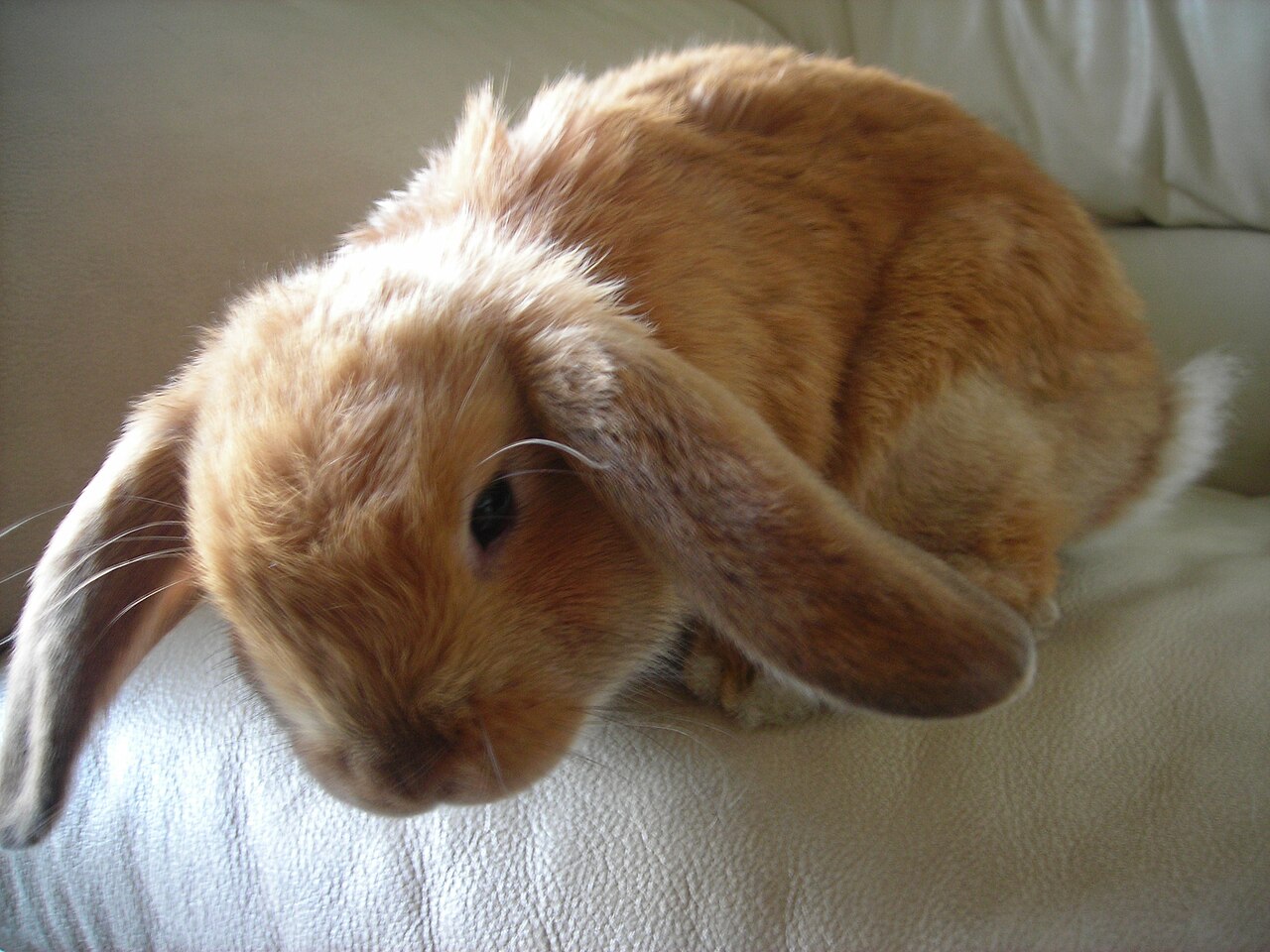
Rabbits can eat bananas, but only in portions much smaller than most owners assume. A banana is not toxic to a rabbit; the problem is sugar and starch. At roughly 12 g of sugar and 23 g of carbohydrate per 100 g of fruit, banana is one of the densest treats a rabbit will ever be offered, and a rabbit gut is built to run on grass, not fruit.
The right answer is therefore a number, not a yes or a no. A teaspoon sized piece once or twice a week does no harm to a healthy adult rabbit and makes an excellent reward for nail trims or medication. A whole banana handed to a 4 lb (1.8 kg) rabbit is the sugar equivalent of a very large dessert, and the cecum pays for it.
Yes, rabbits can eat bananas in small amounts. Give a healthy adult rabbit about 1 to 2 teaspoons of banana per 2 lbs (0.9 kg) of body weight, no more than twice a week, with the peel removed unless it is washed and unsprayed. Never feed banana to rabbits under 6 months old.
| Rabbit weight | Safe banana portion | Frequency | Roughly equal to |
|---|---|---|---|
| 2 lbs (0.9 kg) | 1 tsp | Twice a week | A slice 0.2 in (5 mm) thick |
| 4 lbs (1.8 kg) | 2 tsp | Twice a week | A slice 0.4 in (10 mm) thick |
| 6 lbs (2.7 kg) | 1 tbsp | Twice a week | Two thin slices |
| 8 lbs (3.6 kg) | 1.5 tbsp | Twice a week | Three thin slices |
| Under 6 months | None | Never | Hay and pellets only |
| Overweight or GI history | None | Never | Use herbs as treats instead |
Can Rabbits Eat Bananas Safely?
Yes, banana flesh is non toxic to rabbits. It contains no compound that poisons them, unlike avocado or rhubarb, and it supplies potassium, vitamin B6 and vitamin C. Almost every rabbit that is offered banana takes it immediately, which is exactly why it needs a rule attached.
Safety here is about quantity and frequency rather than the food itself. A rabbit is a hindgut fermenter: fiber passes to the cecum, where bacteria break it down into nutrients the rabbit reabsorbs. Sugar and starch arriving in that same chamber feed the wrong bacteria. A teaspoon of banana disappears into a hay based diet without trouble, and a whole banana does not.
How Much Banana Can a Rabbit Eat?
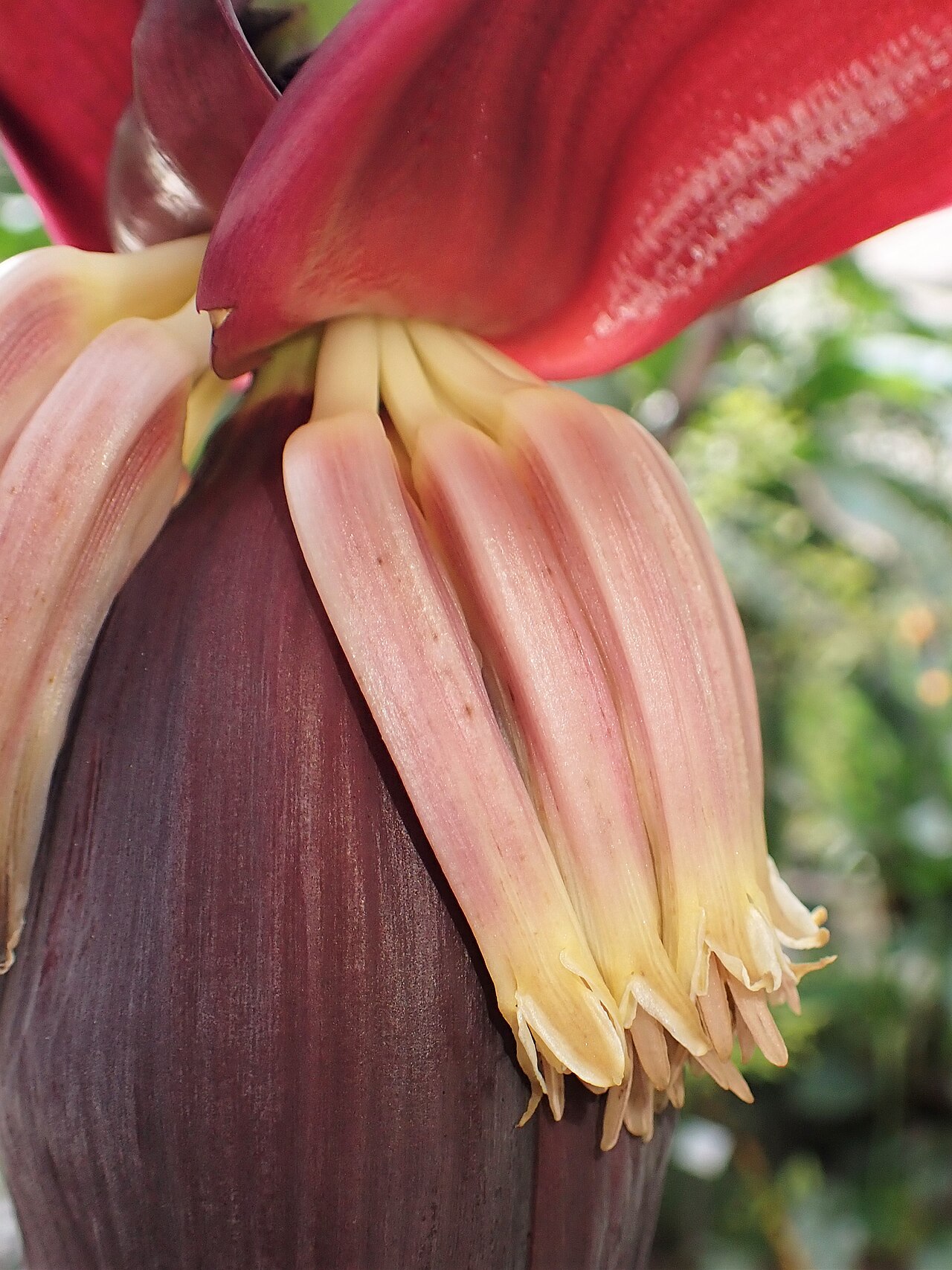
The working figure used by most rabbit veterinarians is 1 to 2 teaspoons of fruit per 2 lbs (0.9 kg) of body weight, and banana sits at the bottom of that range because of its starch content. For a typical 5 lb (2.3 kg) house rabbit, that means about a 0.4 in (1 cm) slice, twice a week at most.
Put in diet terms, fruit of all kinds should be under 5 percent of what a rabbit eats. The bulk is unlimited grass hay at 80 to 90 percent, then about 1 to 2 cups of fresh leafy greens per 6 lbs (2.7 kg) of body weight, then a measured 0.25 cup of quality pellets. Treats fill whatever is left, which is very little.
Can Rabbits Eat Banana Peels?
Banana peel is safe in principle and is actually higher in fiber and lower in sugar than the flesh. Rabbits in fruit growing regions eat it routinely. The practical problem is what is on it: banana is one of the more heavily sprayed crops, and peel is where residue concentrates.
If you want to offer peel, use organic fruit, scrub it under running water and cut it into strips no larger than a thumbnail. Many rabbits refuse peel on texture alone. It is not a fiber source worth chasing, because hay does the same job better and without the sugar that clings to the inner surface.
Can Rabbits Eat Bananas Everyday?
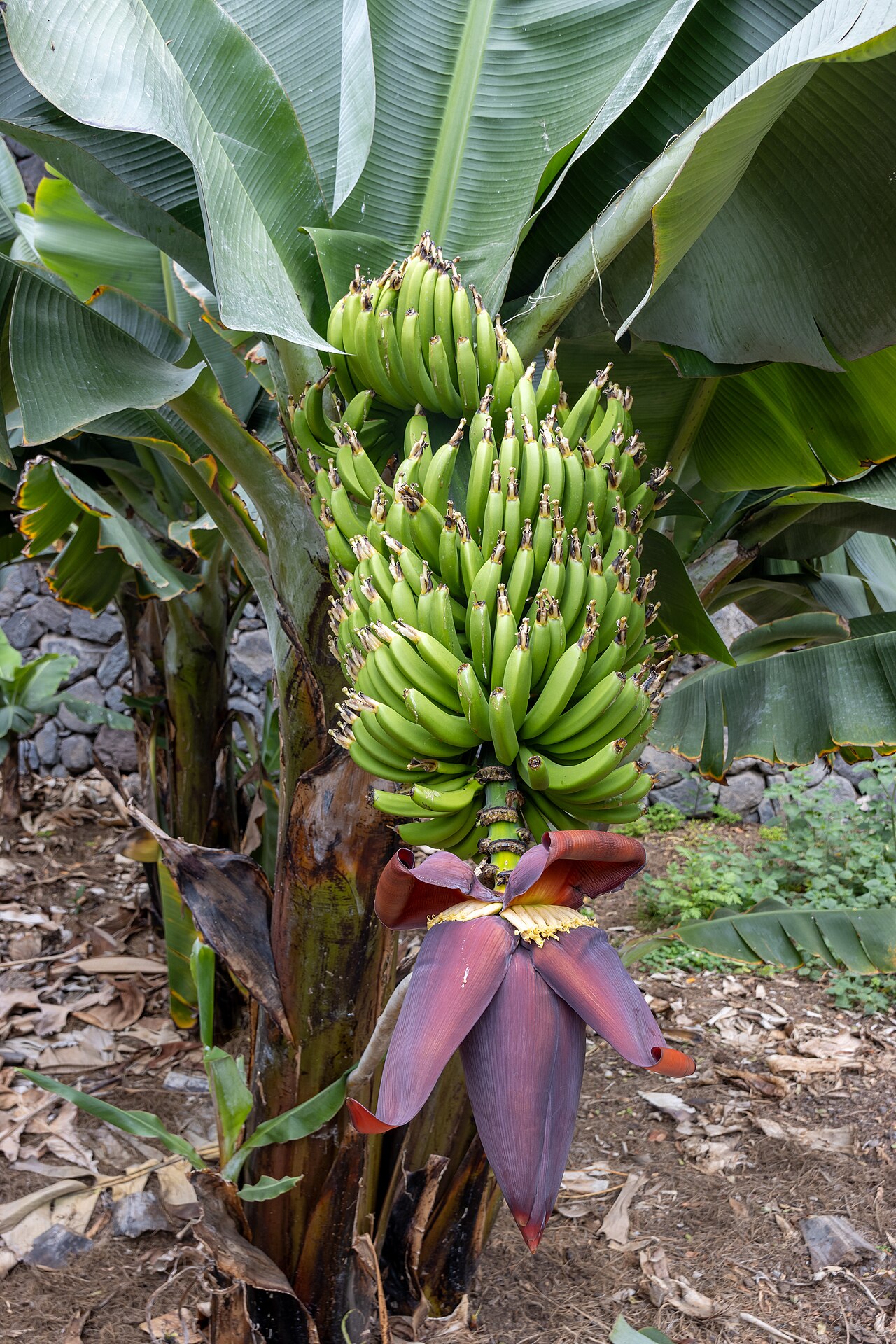
No. Daily banana is the single most common way owners create soft cecotropes in an otherwise healthy rabbit. Even a small piece every day delivers a steady sugar load to a gut that evolved on fibrous grass, and the bacterial balance shifts within days rather than months.
There is a second, quieter effect. Rabbits that expect a sweet treat eat less hay, and hay intake is what keeps the gut moving and the continuously growing molars worn down. Reduced hay consumption shows up later as dental spurs and as a rabbit that gains weight on the same ration. Rotate treats instead: strawberries one week, a slice of apple without seeds the next.
Why Banana Sugar and Starch Hit a Rabbit Gut Harder
Banana is unusual among common fruits because it carries both simple sugars and a significant load of starch, especially when slightly underripe. Starch that escapes digestion in the small intestine reaches the cecum intact and is fermented rapidly by Clostridium and other opportunists that are normally kept in check.
The result is gas, a drop in cecal pH and cecal dysbiosis. In mild cases the owner sees sticky, pudding like cecotropes smeared on the rabbit’s hindquarters or the floor of the enclosure. In severe cases gut motility stops altogether, which is gastrointestinal stasis and a genuine emergency. The VCA pet health library has detailed material on rabbit GI stasis and its warning signs.
Can Baby Rabbits Eat Bananas?
No. Rabbits under 12 weeks old should have only their mother’s milk, unlimited alfalfa hay and pellets. Their cecal flora is still establishing, and fruit sugar at that stage is one of the recognized triggers for fatal enteritis in young rabbits.
Leafy greens are introduced from around 12 weeks, one new item at a time, a few days apart. Fruit waits until about 6 to 7 months, when the gut is mature and the rabbit has moved from alfalfa to grass hay. If you are raising a litter or have taken in a young rabbit, treat that age line as firm rather than approximate.
Do Wild Rabbits Eat Bananas?
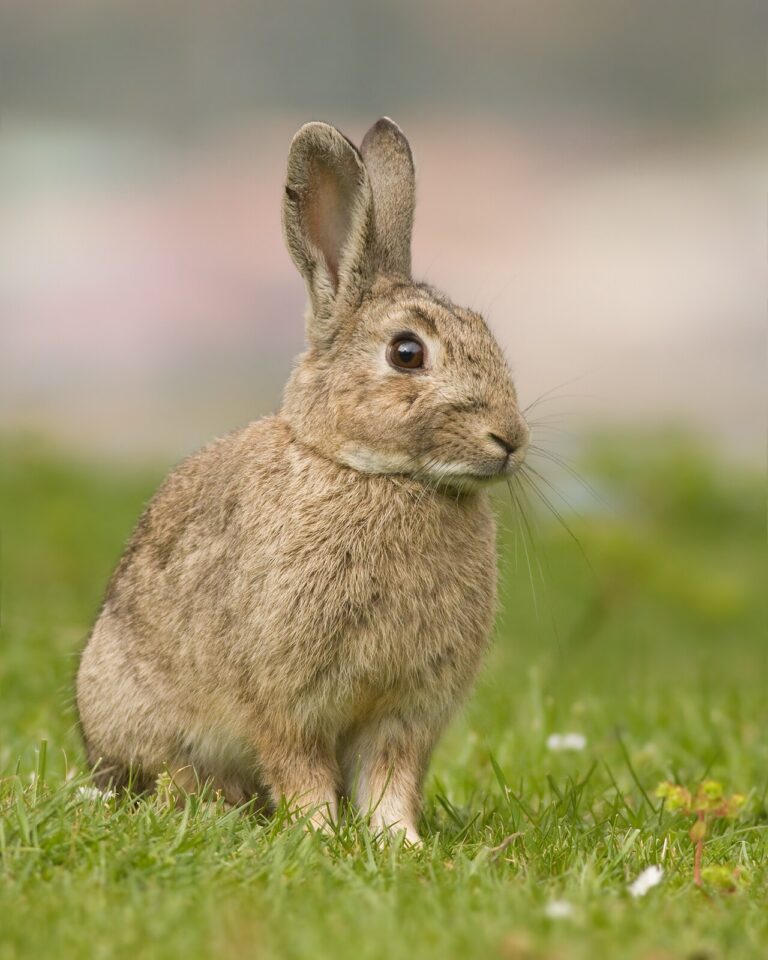
Wild rabbits such as the eastern cottontail (Sylvilagus floridanus) never encounter bananas in their range, and their diet is grasses, clover, forbs, bark and twigs. A wild rabbit offered banana will eat it, which says nothing about whether it should.
Feeding wild rabbits is a poor idea for the same reason it is for deer: it concentrates animals, spreads disease, habituates them to yards and predators, and replaces the fiber they need with sugar they do not. If you want to support cottontails, leave brush piles and unmown edges instead.
Signs Your Rabbit Has Had Too Much Banana
The first sign is almost always the droppings. Normal fecal pellets are round, dry and uniform; too much sugar produces smaller, irregular pellets, and cecotropes that should be neat clusters come out soft and smeared. A sticky bottom on a rabbit that grooms well is a diet signal, not a hygiene problem.
Watch for reduced hay consumption, a rabbit that hunches with its belly pressed to the floor, loud gut sounds or none at all, and any refusal of food. A rabbit that has not eaten or passed droppings for 12 hours needs a veterinarian the same day. Stasis progresses quickly in a species that cannot vomit.
What Fruit Can’t Rabbits Eat?
Avocado is the clearest exclusion: persin in the flesh, skin and pit is toxic to rabbits and can be fatal. Rhubarb, although a vegetable, is on the same list for its oxalic acid. Apple seeds, cherry pits, apricot, peach and plum pits all contain cyanogenic glycosides and must be removed before the fruit is offered.
Beyond outright toxins, avoid all dried fruit, which concentrates sugar several fold, and anything canned, candied or in syrup. Grapes are safe in tiny amounts, so one or two grapes is a treat rather than a meal, and the same restraint applies to every sweet fruit including banana.
What Is the Healthiest Thing to Feed a Rabbit?
Grass hay, without qualification. Timothy, orchard grass, meadow or oat hay should be available around the clock and should make up 80 to 90 percent of intake by volume. It provides the indigestible fiber that drives gut motility and the abrasion that keeps open rooted teeth at a workable length.
After hay come fresh leafy greens: romaine, cilantro, parsley, basil, dandelion greens and carrot tops. High calcium and high oxalate greens are rotated rather than fed daily, and dense vegetables like broccoli are given in small amounts because they can cause gas. Pellets are a supplement, measured by weight, not a staple.
Frequently Asked Questions
What’s a bunny’s favorite fruit?
Banana is the usual winner, followed by strawberry, raspberry and apple. Rabbits have a strong preference for sweetness, and banana combines sugar with a soft texture they can eat quickly. That preference is a training tool rather than a dietary guide, and a rabbit’s enthusiasm for a food has no relationship to how much of it is safe.
Can rabbits eat banana peels everyday?
No. Peel is lower in sugar than the flesh but still carries residue and enough sugar on the inner surface to matter daily. Offer a thumbnail sized strip of washed organic peel occasionally at most. Unlimited grass hay covers every fiber need that banana peel might appear to fill, and it does so without any sugar at all.
Can rabbits eat dried banana or banana chips?
No. Drying removes water and concentrates the sugar by roughly a factor of four, and commercial banana chips are usually fried and sweetened on top of that. Many pet store rabbit treats contain them. Check the ingredient list of anything marketed for rabbits and reject dried fruit, seeds, nuts and yogurt drops.
What is a rabbit’s favourite food?
Given free choice, most rabbits pick sweet fruit and then carrots, which is why both are so often overfed. A healthy rabbit’s preferred foods among safe options are fresh herbs such as cilantro, basil and dill, and fresh grass. Those can be offered generously, unlike fruit, which makes them far better rewards.
Can wild rabbits eat banana peels?
They can digest small amounts, but there is no reason to offer them. Cottontails get everything they need from grasses, clover and bark, and peel put out in a yard draws rabbits into the open, spreads disease between individuals and leaves pesticide residue in an animal nobody is monitoring. Leave brush and unmown edges instead.
My rabbit ate a whole banana, what should I do?
Remove any remaining fruit, offer unlimited hay and fresh water, and watch closely for 24 hours. Most healthy adult rabbits pass one large sugar load with nothing worse than soft cecotropes. Contact a rabbit experienced veterinarian if the rabbit stops eating, stops producing droppings, hunches, grinds its teeth loudly or feels bloated. Guinea pigs react similarly and need the same watch period.