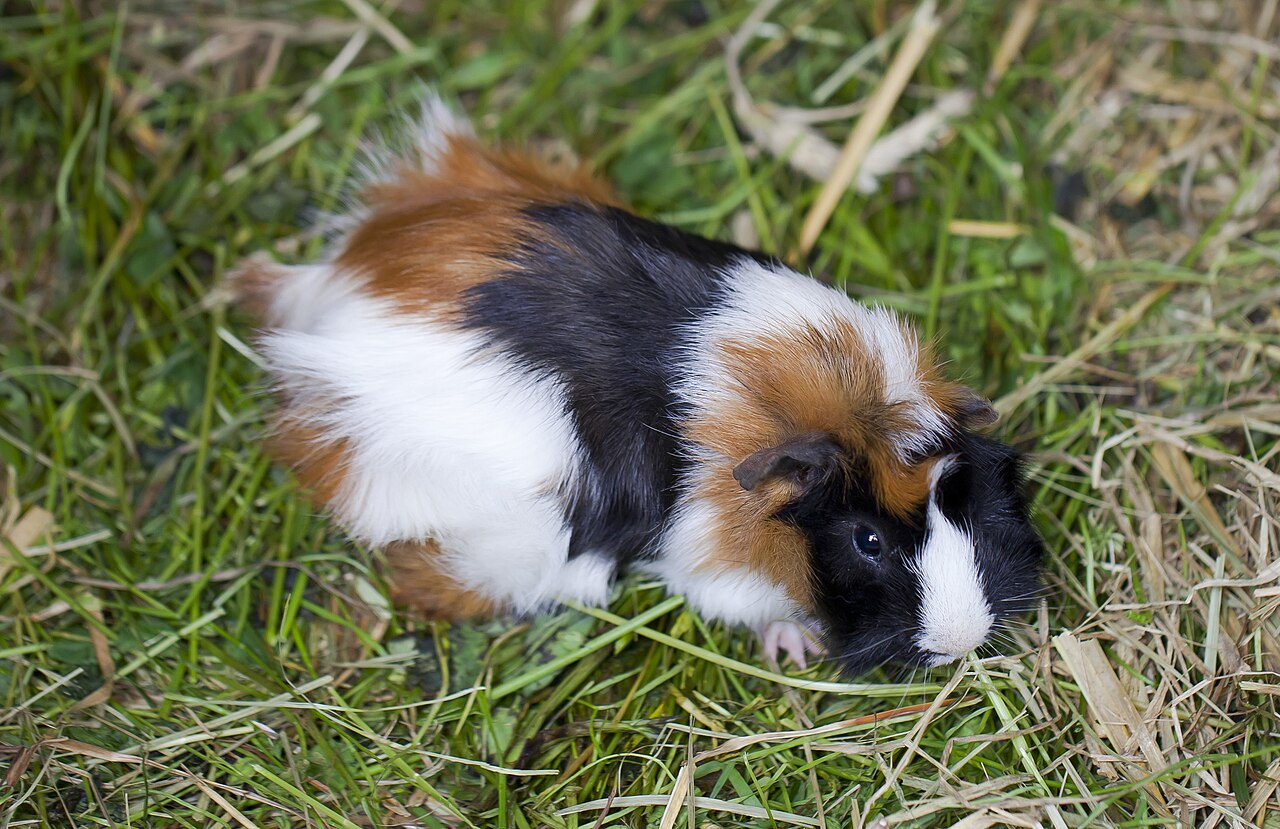
Can Guinea Pigs Eat Blueberries?
Guinea pigs can eat blueberries in small amounts, one or two berries once or twice a week, as an occasional treat rather than a daily food. Blueberries offer vitamin C and antioxidants, but their natural sugar content means they belong in the same limited treat category as other fruit, sitting on top of a diet built primarily around hay.
Vitamin C matters more for guinea pigs than for almost any other common pet, since they cannot synthesize it themselves and need a reliable dietary source daily, which is part of why fruit gets discussed so often in guinea pig care. Blueberries contribute to that need but should never replace a dedicated vitamin C source like bell pepper or a formulated pellet. This guide covers portion size, what to avoid, and how blueberries fit into an overall diet.
Guinea pigs can eat one or two blueberries, once or twice a week, as an occasional treat rather than a regular food. Blueberries provide vitamin C and antioxidants but also natural sugar, so overfeeding risks digestive upset and unnecessary calories. Hay should still make up around 80 percent of a guinea pig’s diet, with fruit like blueberries limited to a small supporting role.
| Aspect | Blueberries for Guinea Pigs |
|---|---|
| Safe? | Yes, in small amounts |
| Portion | 1-2 berries, once or twice weekly |
| Preparation | Fresh, washed, whole or halved |
| Nutritional benefit | Vitamin C, antioxidants |
| Main risk | Sugar content if overfed; digestive upset |
| Frozen blueberries | Thaw first; avoid ice-cold treats |
Can Guinea Pigs Eat Blueberries?
Yes, blueberries are a safe occasional treat for guinea pigs, offering a genuine nutritional benefit through vitamin C and antioxidant compounds, but they should be treated the way any fruit is treated in a guinea pig diet: an occasional addition on top of hay, not a daily food.
Fresh, whole or halved blueberries, washed to remove any pesticide residue, are the simplest and safest way to offer them. There is no special preparation needed beyond basic washing, and no part of the blueberry itself is toxic or needs to be removed before feeding.
As with introducing any new food, a small first portion followed by a day of observing normal appetite and stool is a sensible precaution before making blueberries a regular occasional treat, the same caution that applies to any addition to an established diet.
How Many Blueberries Can a Guinea Pig Have?

One or two blueberries, once or twice a week, is a commonly recommended portion for an average adult guinea pig, keeping the fruit firmly in occasional treat territory rather than a regular dietary feature.
This modest portion reflects the sugar content in blueberries relative to a guinea pig’s digestive system, which is built around fermenting high-fiber hay rather than processing concentrated natural sugars in any quantity, even from a fruit generally considered healthy for people.
Total fruit intake across all types combined, not just blueberries specifically, is the more useful frame: keeping combined fruit treats to a small overall daily or weekly allowance protects against the cumulative effect of stacking several fruit treats in the same day. The guide to strawberries for guinea pigs covers another common fruit with the same portion logic.
What Fruits Are Toxic to Guinea Pigs?
No common fruit is outright toxic to guinea pigs the way certain foods are for other pets, but several carry specific cautions: citrus fruits can be too acidic for some guinea pigs in quantity, and fruit pits and seeds, including apple seeds and stone fruit pits, should be removed before feeding due to trace cyanogenic compounds.
Dried fruit is a separate concern worth flagging, since the concentrated sugar content in dried fruit is considerably higher than the fresh equivalent, making it a poor substitute for fresh fruit even when the same fruit type would be fine in its fresh form.
Grapes and raisins, which are toxic to dogs, do not carry the same documented toxicity risk for guinea pigs, though the general portion caution around sugar content still applies. The guide to grapes for guinea pigs covers this specific comparison in more detail.
What Berries Are Good for Guinea Pigs?
Strawberries, blueberries, and raspberries are all commonly offered berries considered safe in small amounts, each contributing some vitamin C and antioxidants alongside natural sugar, with strawberries often cited as a particular favorite among guinea pigs for their sweetness.
Berries generally have a lower sugar content than some other fruit options like grapes or banana, making them a comparatively better occasional choice within the fruit treat category, though the same overall portion caution applies across all berry types.
Varying which berry or fruit is offered from week to week, rather than repeating the same one constantly, supports a broader range of micronutrients and reduces the chance that a sensitivity to one specific food goes unnoticed against a background of frequent repeated exposure.
What Fruit Do Guinea Pigs Love the Most?
Individual preference varies, but strawberries and other sweet, juicy fruits tend to rank highly among guinea pig favorites in general observation, likely reflecting a natural preference for higher sugar content, the same pattern seen across many small herbivores offered a choice.
Enthusiasm for a particular treat is not a reliable guide to how much should be fed, since a guinea pig’s evident enjoyment of blueberries or any sweet fruit does not change the underlying portion guidance built around digestive health rather than preference.
Rotating favorite treats rather than offering the most-loved option daily helps manage this tension, letting a guinea pig enjoy a preferred fruit occasionally without it becoming an unhealthy daily habit simply because it is the one most eagerly received.
What Is the “333 Rule” for Guinea Pigs?
This term is used inconsistently online and does not correspond to a single, formally established veterinary guideline specific to guinea pigs, and it is more often associated with general pet adjustment timelines, roughly the first days, weeks, and months of settling into a new home, applied loosely across different animals.
Whatever the specific origin, the underlying principle transfers well to feeding: new foods, blueberries included, are best introduced gradually and in small amounts over time, giving a guinea pig’s sensitive digestive system time to adjust and giving the owner time to watch for any adverse reaction.
A newly adopted guinea pig benefits from an especially cautious approach to new foods during the first weeks, since digestive upset from stress and diet change together compounds in ways that are harder to diagnose than either cause alone. Sticking to established hay and pellets first, before adding fruit treats, reduces that risk.
What Should You Never Feed a Guinea Pig?
Iceberg lettuce offers little nutritional value and can cause digestive upset in quantity; onions, garlic, and other alliums are best avoided entirely; and rhubarb contains oxalic acid at levels that can cause serious illness in guinea pigs specifically.
Any food intended for people that is high in sugar, fat, or salt, including chocolate, processed snacks, and dairy products, is inappropriate for a guinea pig’s digestive system, which is built around fiber fermentation rather than the varied omnivorous diet humans manage.
Avocado, particularly the skin and pit, contains persin, a compound toxic to guinea pigs and several other common pets, and should never be offered even though the flesh alone is sometimes assumed safe by extension from other diets.
Do Blueberries Provide Vitamin C?
Yes, though in smaller amounts than the foods typically recommended as a guinea pig’s primary vitamin C source, such as bell pepper, which delivers considerably more vitamin C per gram than blueberries do, making pepper the better daily staple and blueberries a supplementary bonus rather than a replacement.
Guinea pigs need a reliable 10 to 30 milligrams of vitamin C daily from diet, since they cannot synthesize it internally, and deficiency produces scurvy within weeks, with symptoms including a rough coat, joint swelling, bleeding gums, and reluctance to move.
Relying on an occasional small portion of blueberries to meet this daily requirement would fall well short, which is why a consistent, higher-vitamin-C food and, in many cases, a guinea-pig-specific pellet fortified with vitamin C, remains the more dependable approach alongside occasional fruit variety.
How Do You Introduce Blueberries Safely?
Start with a single berry, cut in half for a small or young guinea pig, and observe normal appetite, energy, and stool consistency over the following day before considering it a safe regular occasional treat for that particular animal.
Guinea pigs vary somewhat in individual sensitivity, so a food well tolerated by one animal in a group is not automatically guaranteed to suit another, particularly a younger or smaller guinea pig with a less established digestive system.
Once tolerance is confirmed, keeping the treat occasional rather than daily preserves the same low-risk profile long-term, since the concern with fruit treats generally relates to cumulative sugar intake and displacement of core hay-based nutrition rather than any single serving. The guide to tomatoes for guinea pigs covers a different treat with a comparable introduction approach.
What Are Signs of Overfeeding Fruit?
Soft or loose stool is usually the first and clearest sign that fruit portions have exceeded what a guinea pig’s digestive system comfortably handles, and it typically resolves quickly once fruit is scaled back to a smaller, less frequent amount.
Reduced interest in hay is a subtler but meaningful sign, since a guinea pig filling up on sweet treats may eat less of the fiber-rich hay that should remain the dietary foundation, gradually shifting the balance away from what actually supports long-term digestive health.
Weight gain over time from regular excess fruit, though slower to notice than a digestive symptom, is worth watching for in guinea pigs offered generous treats regularly, since obesity carries its own health risks independent of any single food’s individual safety. The Texel guinea pig guide and guinea pig sounds guide cover other aspects of everyday guinea pig care.
Frequently Asked Questions
Can guinea pigs eat blueberries?
Yes, one or two berries once or twice a week as an occasional treat. They offer vitamin C and antioxidants but should not replace hay as the diet’s foundation.
How many blueberries can a guinea pig eat?
One or two, once or twice weekly. Keeping combined fruit treats modest overall matters more than any single fruit’s exact amount.
Are blueberries a good source of vitamin C for guinea pigs?
Some, but less than bell pepper, which is the better daily staple. Blueberries supplement vitamin C rather than replace a dedicated source.
What fruits should guinea pigs avoid?
None are outright toxic, but remove seeds and pits, avoid dried fruit due to concentrated sugar, and limit citrus in quantity for sensitive individuals.
What are signs a guinea pig is getting too much fruit?
Soft stool, reduced interest in hay, and gradual weight gain are the main signs, usually resolving quickly once fruit portions are reduced.
Can guinea pigs eat frozen blueberries?
Thaw them first. An ice-cold treat straight from the freezer isn’t recommended; fresh or thawed blueberries at room temperature are the safer option.