Can Bearded Dragons Eat Blueberries? Portion Size by Age
Bearded dragons can eat blueberries, and most of them love the things, but the safe amount is much smaller than new owners expect: two to four berries offered once or twice a month for an adult. Blueberries are not toxic and they carry useful antioxidants, yet they are sugary, acidic, and low in calcium relative to phosphorus, which puts them firmly in the treat column rather than the staple column.
The real question is not whether a blueberry will hurt your beardie once. It will not. The question is what a weekly blueberry habit does to a reptile whose entire skeleton depends on a calcium to phosphorus ratio that fruit works against. Here is the portion size, the frequency, the preparation, and the warning signs that mean you have been generous too often.
Yes, bearded dragons can eat blueberries safely in small amounts. Offer two to four fresh blueberries once or twice a month for an adult, halved to prevent choking. Blueberries have an inverted calcium to phosphorus ratio and high sugar, so they cannot be a regular food. Juveniles under 12 months should get fruit even less often.
| Age | Portion | Frequency | Preparation |
|---|---|---|---|
| Hatchling, 0 to 4 months | None | Skip fruit entirely | Insects and greens only |
| Juvenile, 4 to 12 months | 1 to 2 berries | Once a month | Quartered |
| Subadult, 12 to 18 months | 2 to 3 berries | Twice a month | Halved |
| Adult, 18 months and up | 2 to 4 berries | Once or twice a month | Halved |
| Gravid or ill | None | Ask a vet first | Calcium priority |
Are blueberries safe for bearded dragons?
Blueberries (Vaccinium corymbosum) contain nothing toxic to reptiles. There is no oxalate load worth worrying about, no persin as in avocado, and no cyanogenic seeds as in apple pips. A bearded dragon that eats a blueberry gets water, fiber, vitamin C, vitamin K, and a heavy dose of anthocyanin antioxidants.
The safety concern is nutritional balance rather than poisoning. Blueberries run roughly 6 mg of calcium against 12 mg of phosphorus per 100 g, an inverted ratio of about 1 to 2. Bearded dragons need dietary calcium to exceed phosphorus, ideally around 2 to 1, because phosphorus binds calcium and blocks its absorption in the gut.
Sugar is the second issue. At roughly 10 g of sugar per 100 g, blueberries are mild compared to grapes or banana but still far above any staple green. Excess fruit sugar in captive reptiles is linked to obesity, loose stool, and overgrowth of gut yeast.
How many blueberries to give a bearded dragon?

For a healthy adult over 18 months, two to four blueberries per serving is the ceiling, and that serving should land once or twice a month rather than weekly. A useful visual rule is that no single food item should be wider than the space between your dragon’s eyes, which is why halving a large cultivated berry matters.
Juveniles need a stricter limit. Animals under 12 months are building bone at a rate that makes calcium deficiency dangerous fast, and their diet should run about 70 percent insects to 30 percent plants with fruit as a rare extra. One or two quartered berries a month is plenty.
Hatchlings under four months should not get fruit at all. Every bite of blueberry is a bite not spent on appropriately sized, calcium dusted insects, and at that age the growth demand leaves no room for filler. The same logic applies to other sweet fruit such as strawberries and grapes.
Can bearded dragons eat blueberries every day?

No. Daily blueberries would push the diet toward a chronic phosphorus excess, and the outcome is metabolic bone disease, the most common preventable illness in captive bearded dragons. Early signs include a soft or rubbery jaw, tremors in the front limbs, and reluctance to climb.
Daily fruit also crowds out the greens that should make up the bulk of an adult plant intake. Collard greens, mustard greens, turnip greens, and butternut squash all carry favorable calcium ratios, and a dragon that has learned to expect berries often refuses them.
Owners who want to offer something every day should rotate calcium positive greens and use fruit as the exception. If your dragon has become a picky eater on greens, mixing finely chopped berry through a salad twice a month works better than a standalone bowl of fruit.
Next question: Can Bearded Dragons Eat Watermelon? Portions and Risks
Fresh, frozen, or dried blueberries

Fresh is best. Rinse under cool running water to remove pesticide residue, then halve. Organic is preferable when available because reptiles have a small body mass relative to any chemical load, but a thorough rinse matters more than the label.
Frozen blueberries are acceptable if thawed completely to room temperature and drained. Never serve them cold or partially frozen: bearded dragons are ectotherms and cold food in the gut slows digestion, which can lead to impaction. Thawed berries also turn mushy, so cut back the portion to avoid a messy enclosure.
Dried blueberries should be avoided. Drying concentrates sugar by a factor of four or more, and most commercial dried fruit carries added sugar, preservatives, or sulfites. The same rule applies to blueberry yogurt, muffins, jam, and anything else processed for humans.
What fruit can bearded dragons not eat?
Avocado is the clearest no. It contains persin, which is cardiotoxic to many birds and reptiles, and even a small amount can be fatal. Rhubarb is also off limits due to extreme oxalic acid content, and citrus such as orange, lemon, and grapefruit is acidic enough to cause digestive upset and should be skipped.
Several fruits are technically safe but poor value: banana carries a calcium to phosphorus ratio near 1 to 3, and grapes are high in sugar with a similar imbalance. These are occasional treats at best, which is why banana portions come with the same monthly caution as blueberries.
Fruits with pits or seeds need preparation rather than avoidance. Apple seeds, cherry pits, and peach stones contain cyanogenic compounds and are also a choking and impaction risk, so flesh only and cut small. The details are in the guide to feeding apples.
What is the best fruit for bearded dragons?
Papaya and figs top the list because they are among the very few fruits with a naturally positive calcium to phosphorus ratio. Fresh fig comes in around 3 to 1 in calcium’s favor, which makes it the rare fruit that does not work against the skeleton.
Prickly pear cactus fruit, sold as tuna in many US grocery stores, is another strong choice and pairs well with the cactus pads that already appear in good bearded dragon diets. Mango and melon sit in the acceptable middle: safe, moderately sugary, no ratio advantage.
Blueberries land in the same tier as strawberries and raspberries. Good antioxidant content, small enough to portion easily, no toxicity, but an inverted mineral ratio that caps the frequency. Rotating among several safe fruits beats feeding any single one more often.
What human food can bearded dragons eat every day?
Daily safe plant foods are greens rather than fruits. Collard greens, turnip greens, mustard greens, dandelion greens, endive, and escarole can all be fed every day, and butternut squash, acorn squash, and bell pepper work as daily supporting vegetables.
Some greens that look healthy for humans are poor choices here. Spinach binds calcium through oxalates, kale is fine occasionally but not daily, and iceberg lettuce is water with no nutritional value. The spinach case is common enough to deserve its own explanation.
Everything from a human kitchen also has to be plain. No salt, no oil, no seasoning, no dairy. Bearded dragons are lactose intolerant, and processed human food routinely contains sodium at levels a 400 g reptile cannot process.
How can you tell if a bearded dragon is starving?
Look at the fat pads on the head and the base of the tail. A healthy adult has a rounded area behind the eyes and a tail base that is noticeably thicker than the tail itself. Sunken eye sockets, a visible hip bone line, and a tail base that has narrowed to match the tail are signs of significant weight loss.
Behavior tells you the rest. A dragon that ignores live insects, sits with eyes closed away from the basking spot, or produces small dark droppings with little urate is not eating enough or is not digesting what it eats. Weigh weekly on a kitchen scale and keep a log rather than judging by eye.
Appetite loss has more causes than diet. Brumation, low basking temperatures, parasites, and impaction all present as a dragon that stops eating. The University of Illinois College of Veterinary Medicine and any reptile experienced veterinarian can separate seasonal brumation from illness with a fecal test and a physical exam.
Blueberries for other small pets
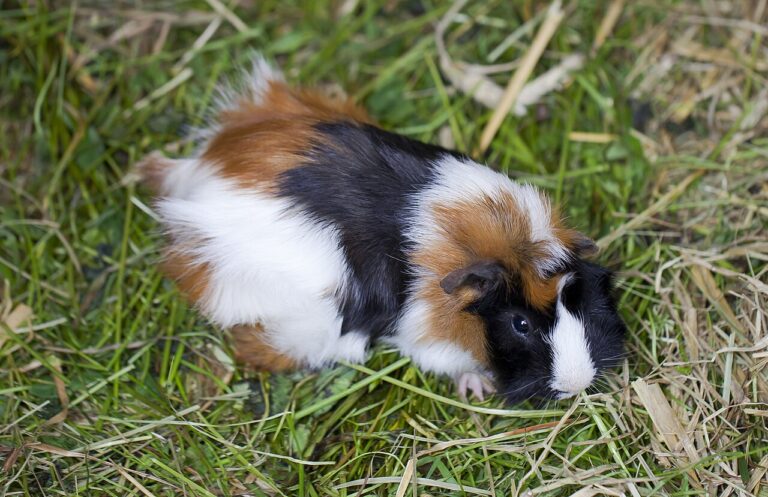
The rules for bearded dragons do not transfer to mammals. Guinea pigs, for example, cannot synthesize vitamin C and actually benefit from small amounts of fresh berry, though the sugar limit still applies. That comparison is covered in the guinea pig blueberry guide.
The common thread across species is portion discipline rather than a blanket yes or no. A blueberry is about 1 g of food. For a 20 g hatchling that is an enormous share of the day’s intake; for a 500 g adult it is a rounding error, provided it stays occasional.
If you keep several species, portion fruit per animal in advance rather than offering from one bowl. A dish left in an enclosure invites overeating, attracts feeder insects, and ferments quickly under basking lamps.
Frequently Asked Questions
Can baby bearded dragons eat blueberries?
Hatchlings under four months should not get blueberries at all, and juveniles from four to twelve months should get no more than one or two quartered berries a month. Young dragons need roughly 70 percent insects for growth, and fruit displaces the protein and calcium that bone development depends on.
Do I need to cut blueberries for my bearded dragon?
Yes. Cultivated blueberries are often wider than the space between an adult dragon’s eyes, which is the standard size guideline for any food item. Halve them for adults and quarter them for juveniles. Cutting also releases the flesh, since the waxy skin can otherwise pass through undigested.
What happens if my bearded dragon eats too many blueberries?
Expect loose, dark, strong smelling stool within a day. Repeated overfeeding leads to weight gain, refusal of greens, and over months a risk of metabolic bone disease from the phosphorus load. A single overindulgence is not an emergency, but return to insects and greens and skip fruit for several weeks.
Can bearded dragons eat blueberry leaves or stems?
Blueberry leaves are not a recognized safe food and should be left off the menu. Stems and any green caps present a choking and impaction risk with no nutritional upside. Remove all plant material and serve the berry flesh alone.
Are wild blueberries better than cultivated ones?
Wild lowbush blueberries are smaller and higher in antioxidants per gram, which makes portioning easier since one berry is genuinely bite sized. Nutritionally the difference is minor for a reptile eating four berries a month. Foraged fruit must come from an area free of pesticide and roadside contamination.
Should I dust blueberries with calcium powder?
No. Calcium supplementation belongs on feeder insects and staple greens, where it corrects the ratio of a regular meal. Dusting a treat that arrives twice a month changes nothing measurable and teaches the dragon to associate supplement powder with a food it already prefers over its greens.