Can Chickens Eat Green Beans? Fresh Yes, Dried Never
Chickens can eat green beans, and fresh raw green beans are safe, but the same plant produces one of the few genuinely dangerous foods in a backyard flock: dried, uncooked beans. The distinction comes down to a toxin called phytohaemagglutinin, which sits at harmless levels in a tender fresh pod and at lethal levels in a mature dried seed.
Green beans (Phaseolus vulgaris) are picked immature, pod and all, before the seeds inside develop that toxin load. That makes them a good low sugar treat, high in fiber, vitamin K, and vitamin C, and easy to chop into something a hen can swallow. Here is how much to feed, what preparation is safest, and which beans must never reach the run.
Yes, chickens can eat fresh green beans raw or cooked. Fresh immature pods are safe and nutritious as a treat, up to a small handful per bird a few times a week. Never feed dried or uncooked mature beans of any kind: they contain phytohaemagglutinin, which is toxic to poultry and can kill within hours.
| Form | Safe? | Why |
|---|---|---|
| Fresh raw green beans | Yes | Immature pods, negligible toxin |
| Cooked green beans, plain | Yes | Softer, easier to digest |
| Frozen, thawed green beans | Yes | Thaw fully, drain, serve plain |
| Canned green beans | Rarely | High sodium, rinse well if used |
| Dried or raw mature beans | No | Phytohaemagglutinin, potentially fatal |
| Seasoned or buttered beans | No | Salt, fat, garlic, onion |
Are green beans safe for chickens?
Fresh green beans are safe for chickens at every life stage past about eight weeks. The pod is the edible portion, the seeds inside are immature, and the whole thing is roughly 90 percent water with about 3 g of fiber per 100 g. There is no oxalate concern and no solanine concern, since green beans are legumes rather than nightshades.
The toxin that makes dried beans dangerous is a lectin, phytohaemagglutinin, which concentrates in the mature seed. In an immature green bean picked at eating stage, the seed has barely formed and the lectin level is a small fraction of what a dried kidney bean carries. This is why the fresh pod is safe raw while the dried seed is not.
Cooking destroys the lectin, which is why humans can eat cooked kidney beans. That same rule applies to poultry: if you have cooked beans thoroughly, they are safe. The risk lies entirely with raw or partially cooked mature beans, including the dried beans people store in a pantry.
Can chickens eat green beans raw?
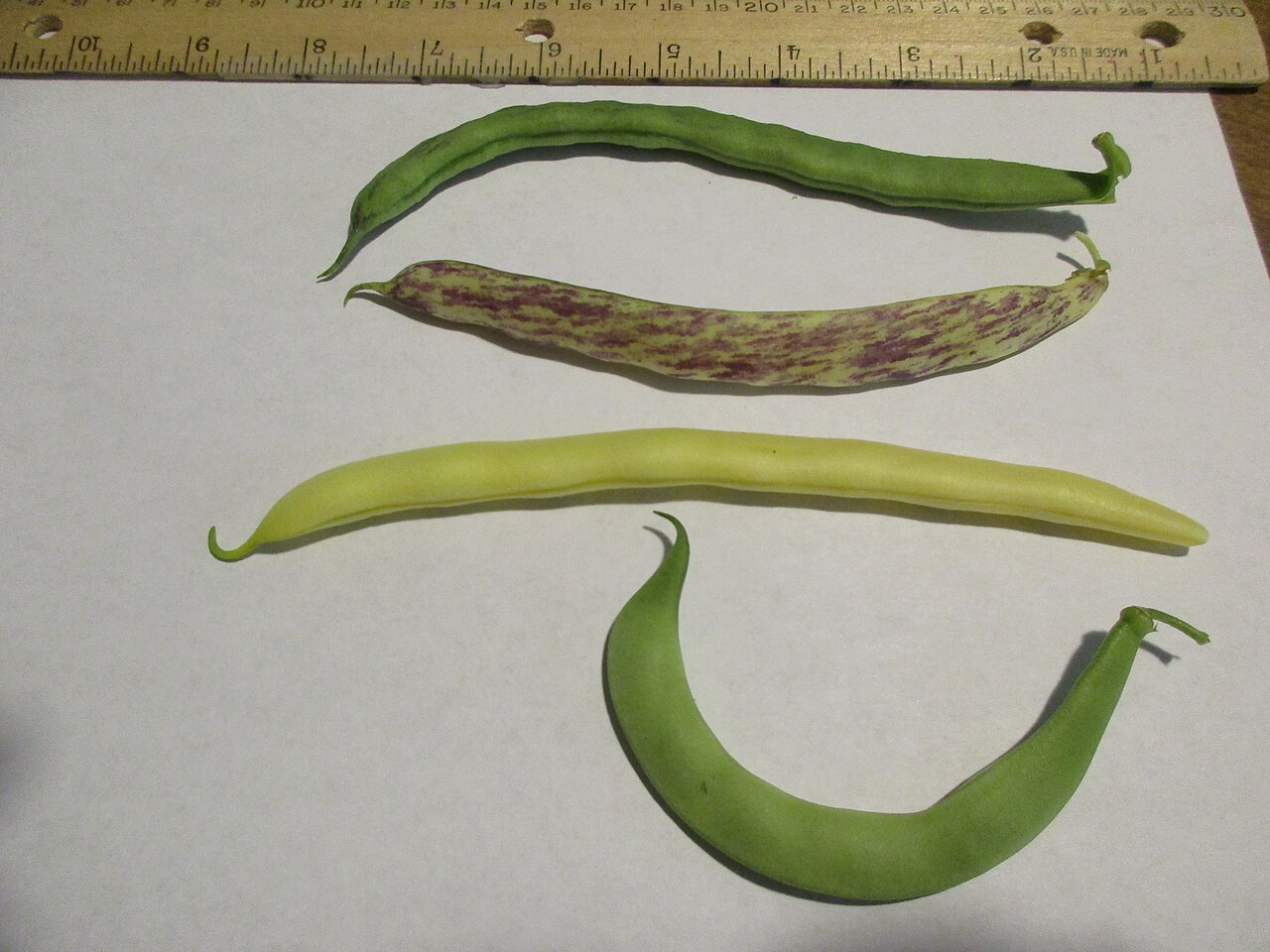
Yes. A hen will happily peck a whole raw pod apart, and raw retains more vitamin C than cooked. Toss a handful into the run and let the flock work at them, or chop into pieces around half an inch (1 cm) long if you keep bantams or younger birds.
Raw pods are also good enrichment. Hanging a small bunch of beans from twine at head height gives a confined flock something to jump at, which reduces the boredom pecking that leads to feather damage. The same trick works with a head of cabbage, which lasts longer.
The only caution with raw pods is size. A long whole bean swallowed by a small hen can cause a crop impaction, particularly in birds that do not have grit available. Chopping removes the risk entirely and costs a minute.
Can chickens eat cooked green beans?
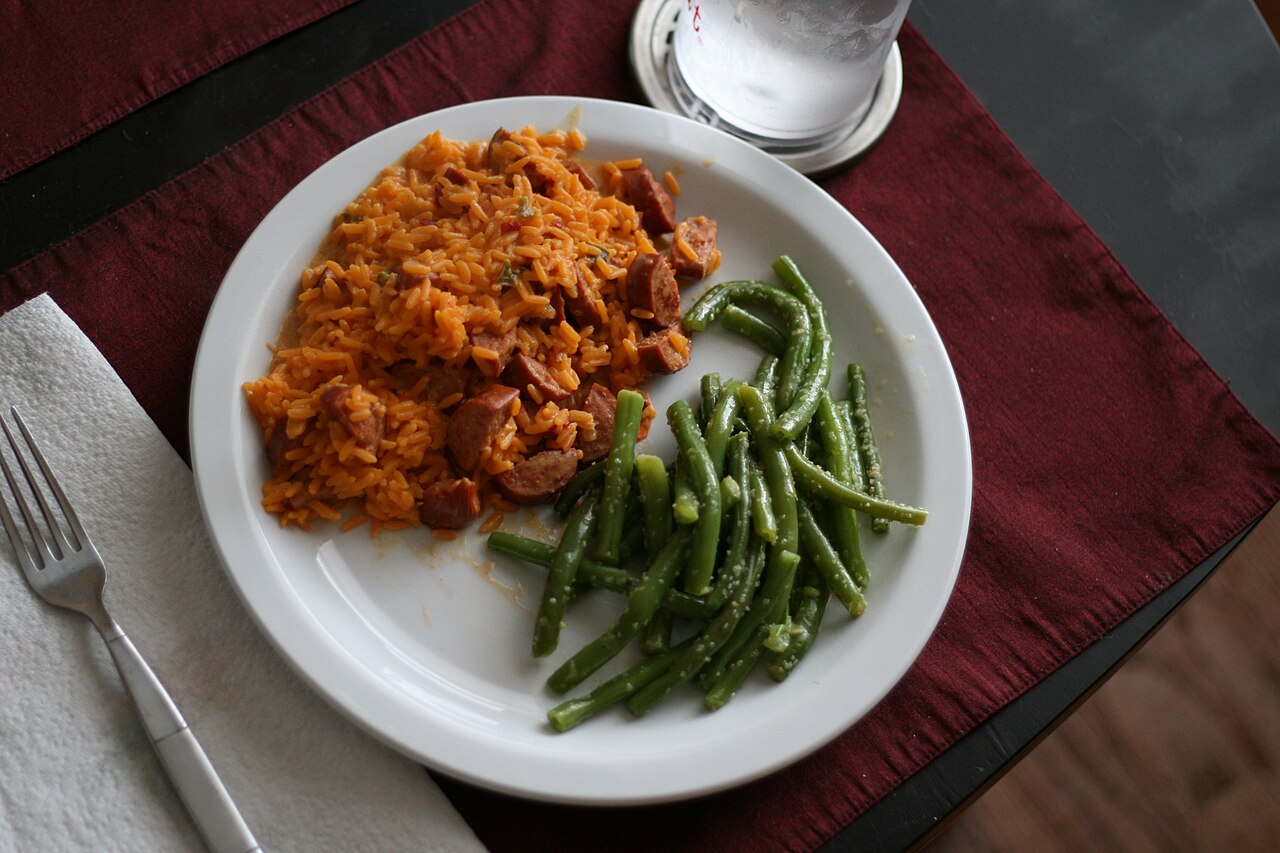
Cooked green beans are fine as long as they are plain. Steamed or boiled with nothing added, they are softer, easier for older hens to manage, and slightly higher in available minerals. Let them cool to room temperature before serving.
The problem is that most cooked green beans in a household kitchen are not plain. Butter, salt, bacon grease, garlic, and onion all end up in the pan. Chickens handle salt poorly relative to their body mass, and garlic and onion in quantity can damage red blood cells.
Leftovers from a family meal are therefore a case by case decision rather than a default yes. If the beans were seasoned, compost them. If they were steamed plain for a toddler, the flock can have them. The same standard applies to any cooked scrap, including cooked rice.
Next question: Can Chickens Eat Bread? Safe Amounts and the Mold Rule
What beans can chickens not eat?

No chicken should eat raw or dried beans of any variety: kidney, pinto, navy, black, lima, soy, or fava. Kidney beans carry the highest lectin load, and reported cases in poultry describe death within hours of ingestion, with as few as a handful of raw beans enough to kill an adult bird.
This includes beans in forms people forget about. Uncooked bean sprouts from mature seed, raw soybeans from a feed store, dried bean mixes intended for soup, and beans that were soaked but never boiled all carry the toxin. Soaking alone does not deactivate phytohaemagglutinin; a rolling boil for at least ten minutes does.
Green bean plants themselves are also worth fencing. Chickens will strip bean foliage in a garden, and while the leaves are not acutely toxic, a flock that reaches the drying pods at the end of the season can find mature seed. Harvest before the pods go leathery, or net the row.
How many green beans can a chicken eat?
Treats of all kinds should stay under about 10 percent of daily intake, with layer feed making up the rest. In practice that is a small handful of chopped green beans per bird, two or three times a week. A standard laying hen eats roughly 1/4 lb (115 g) of feed a day, so the treat budget is around 11 g.
The 10 percent rule exists because complete layer feed is formulated for calcium, protein, and amino acid balance. Vegetables dilute that formulation. A flock filling up on garden produce lays thinner shells and fewer eggs, and the effect shows within two to three weeks.
Feed treats late in the afternoon rather than in the morning. Birds that have already eaten their fill of formulated feed treat vegetables as a supplement rather than a substitute, and the scratching before roost time keeps them settled. The same timing works for higher sugar treats.
What veggie scraps can chickens not eat?
Avocado is the headline no, since persin concentrates in the skin and pit and is toxic to birds. Raw green potato peel and sprouted potato eyes carry solanine, green tomato and potato foliage carry the same, and rhubarb leaves carry oxalic acid at dangerous levels.
Onion in quantity causes hemolytic anemia, dry beans are covered above, and anything moldy is off the list regardless of what it started as. Mold produces mycotoxins that damage the liver, and poultry are more sensitive than most livestock. The avocado case gets a full breakdown of its own.
Citrus is the commonly misunderstood one. It is not toxic, but most chickens refuse it, and the acidity in large amounts can irritate the crop. There is no benefit worth pushing past their preference.
What is the healthiest vegetable for chickens?
Leafy greens win on nutrient density. Kale, collards, chard, and dandelion greens deliver calcium, vitamin A, and vitamin K, and the carotenoids in dark greens deepen yolk color noticeably within a couple of weeks. Green beans sit a tier below: good fiber, low sugar, but less nutrient dense.
Squash and pumpkin are the other strong performers, flesh and seeds together, and they store through winter when fresh forage is gone. Bell peppers add vitamin C without the sugar of fruit, which is why peppers appear in so many treat rotations.
Variety beats optimization. A flock that gets four or five different vegetables across a week self regulates better than one offered a large volume of a single item, and rotation reduces the chance that any one antinutrient accumulates.
Do green beans affect egg laying?
Green beans in moderation have no negative effect on laying and no particular positive effect either. They contribute water, fiber, and micronutrients, none of which are limiting factors in a flock already on complete layer feed with free choice oyster shell.
Overfeeding does affect laying, and green beans are no exception. Birds that fill up on low protein, low calcium vegetables cut back on feed, and shell quality drops first. Watch for thin shells, rough calcium deposits, and the occasional shell less egg as early signals.
Seasonal drops are usually about daylight rather than diet. Laying falls off below about 14 hours of light and during molt regardless of what is in the treat bowl. Extension poultry programs such as those at Penn State Extension publish flock management guidance that separates nutrition effects from photoperiod effects.
Feeding green beans from the garden
Garden green beans are ideal because you know what went on them. Rinse anything sprayed, and skip pods that have gone tough and stringy, since chickens tend to strip the outer fiber and leave a mess that attracts rodents overnight.
End of season cleanup needs more thought. When the plants are pulled, the pods left on the vine have matured, and those seeds do carry the lectin. Compost the vines rather than tossing them into the run, and do not let the flock free range across a bean patch you are letting dry for seed.
Windfall and trimming waste from other crops can go out at the same time. Most flocks will take bean ends, pepper tops, and apple cores in the same session, and apple scraps follow the same seed removal rule as beans follow their own.
Frequently Asked Questions
Can chickens eat canned green beans?
Only sparingly and only rinsed. Canned green beans typically carry 200 to 400 mg of sodium per serving, which is far above what a 5 lb bird should take in. Drain, rinse under running water, and treat it as an occasional use for something already open rather than a planned treat.
Can chickens eat frozen green beans?
Yes, once fully thawed and drained. Frozen beans are blanched before freezing, so they are already partly cooked and quite soft. Do not serve them still frozen in cold weather, since chilled food costs a bird energy it needs for thermoregulation.
Can baby chicks eat green beans?
Wait until chicks are around eight weeks old. Before that, starter crumble should be essentially the entire diet, since chicks have a narrow window to build frame and feathers. If you do offer green beans to older chicks, chop finely and provide chick grit, which they need to digest anything other than crumble.
Can chickens eat green bean leaves and stalks?
Chickens will eat bean foliage and it is not acutely toxic, but let them do it in moderation and keep them away from plants left to dry for seed. The mature pods on a drying plant contain the same lectin as dried beans, which is the real hazard in a bean patch.
Do chickens need grit to digest green beans?
Birds with regular access to soil usually pick up enough grit on their own, but confined flocks need it supplied. Green bean pods are fibrous, and without grit in the gizzard that fiber passes poorly and can contribute to a sour or impacted crop. Offer insoluble grit free choice whenever you feed vegetables.
What smell do chickens hate?
Chickens generally avoid strong aromatics such as citrus peel, garlic, cinnamon, and mint, and that mild aversion is why mint gets planted around coops. Their sense of smell is weaker than a mammal’s, so scent based deterrents work poorly against predators and do little for flock behavior.
Explore more: What Can Chickens Eat? The Complete Safe Foods List