Can Chickens Eat Cantaloupe? Yes, Here’s How Much
Yes, chickens can eat cantaloupe safely, including the flesh, seeds, and even the rind in small pieces. Cantaloupe is a hydrating, low calorie treat that most backyard flocks eagerly peck at, especially on hot summer days.
Cantaloupe should still be offered in moderation alongside a complete layer feed, since treats of any kind are meant to supplement a balanced diet rather than replace it. This guide covers exactly how to serve cantaloupe, which parts are safest, and how it compares to other melons and fruits chickens commonly eat.
Chickens can eat cantaloupe flesh, seeds, and rind safely as an occasional treat. It offers hydration, vitamin A, and vitamin C, but should stay under 10 percent of a chicken’s overall diet to avoid diluting balanced nutrition.
| Cantaloupe part | Safe for chickens |
|---|---|
| Flesh | Yes, cut into small chunks |
| Seeds | Yes, chickens can eat them whole |
| Rind | Yes, chop into manageable pieces |
| Moldy fruit | No, discard immediately |
| Serving frequency | 2 to 3 times a week |
Is Cantaloupe Safe for Chickens?
Cantaloupe is completely safe for chickens and contains no toxic compounds found in some other fruits and vegetables. Its high water content, around 90 percent, makes it a useful treat during hot weather when flocks need extra hydration.
Chickens will typically eat cantaloupe with enthusiasm, pecking at the soft orange flesh first before moving on to the seeds and rind if given the chance. Because it is soft, there is no meaningful choking risk for adult birds, unlike tougher treats some keepers worry about when checking can chickens eat tomatoes.
As with any fruit treat, cantaloupe should be fresh and free of mold. Moldy melon can harbor mycotoxins that are harmful to poultry and should be discarded rather than offered to the flock.
Can Chickens Eat Cantaloupe Seeds?
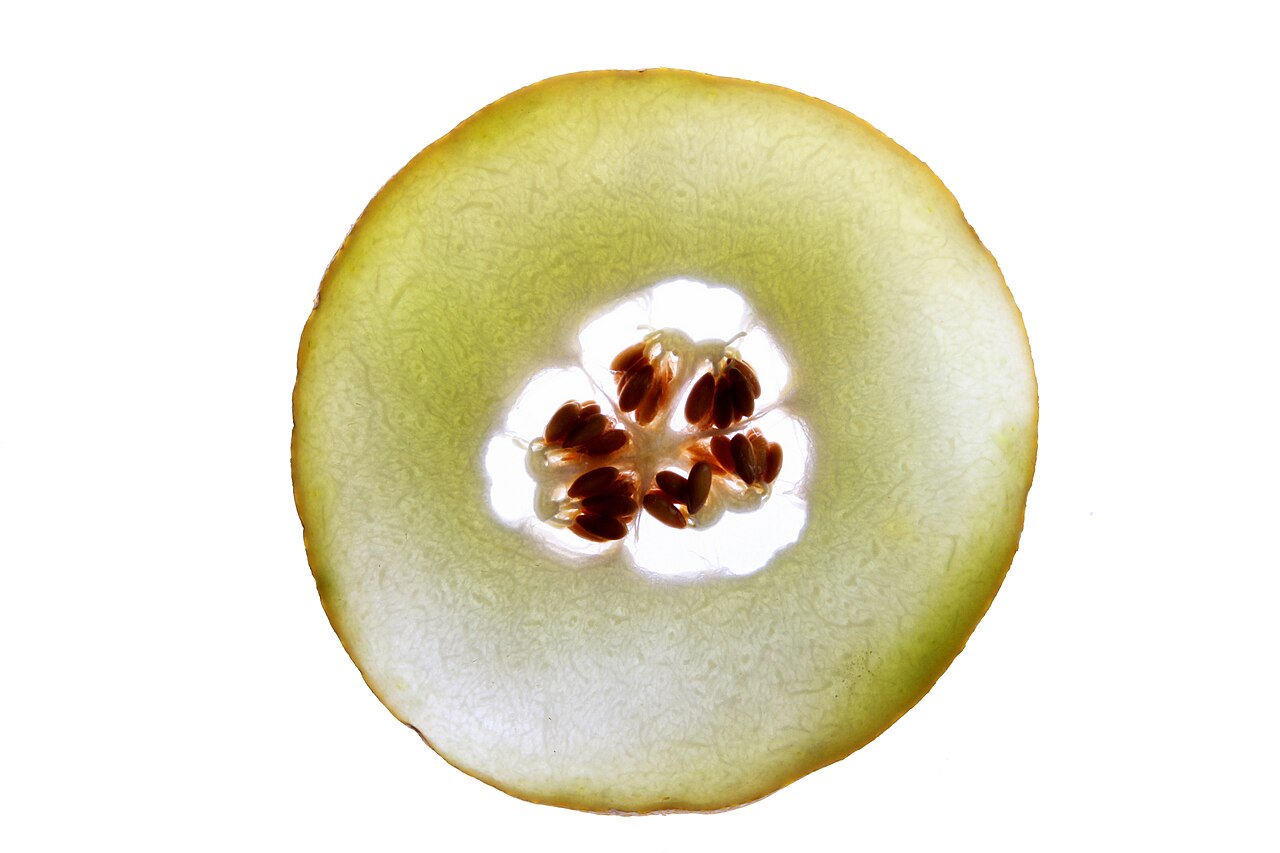
Yes, chickens can eat cantaloupe seeds without any preparation needed. Unlike some fruit pits or apple seeds that contain trace toxins, cantaloupe seeds are soft, digestible, and pose no known risk to poultry.
Many flock keepers simply scoop out the seedy center of a cantaloupe and toss the entire thing, seeds included, directly into the run. Chickens will pick through the pulp and seeds together with no extra effort required from the owner.
Seeds also add a small amount of extra fat and protein compared to the flesh alone, which chickens tend to find appealing, particularly during the cooler months when a bit of extra energy is useful, the same way a handful of grapes is often welcomed as a cool weather snack.
Can Chickens Eat Cantaloupe Rind?
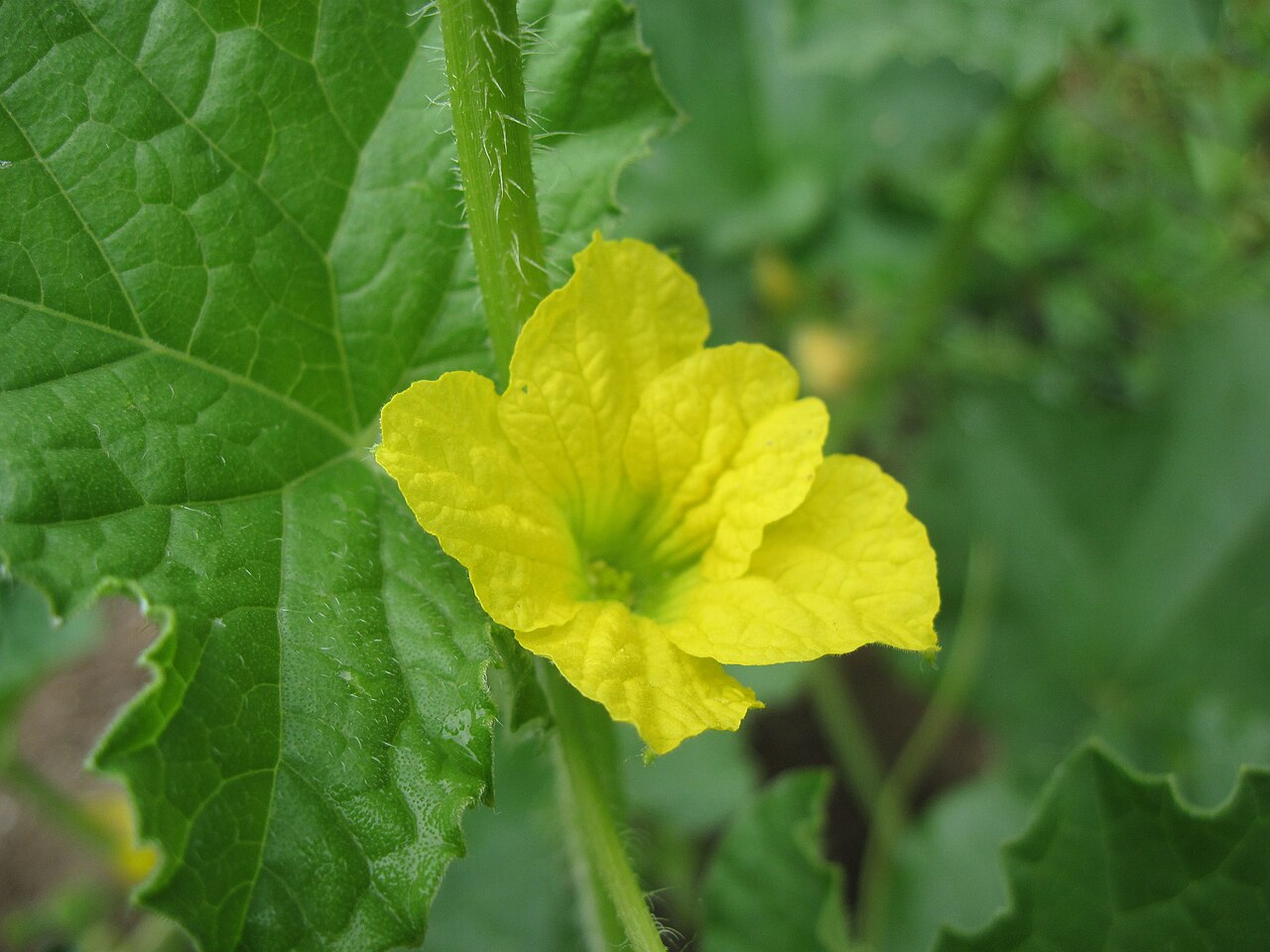
Chickens can eat cantaloupe rind, though the tougher outer skin is harder for them to break down than the soft interior flesh. Chopping the rind into smaller pieces makes it easier for the flock to peck apart and digest.
Some keepers prefer to leave a thin layer of flesh attached to the rind rather than scraping it completely clean, which makes the rind more appealing and easier for chickens to work through. Whole, unchopped rind halves are usually pecked at slowly over a day or two.
Rind left in the run for more than a day in warm weather can attract flies or begin to spoil, so any uneaten pieces should be removed before they become a pest or sanitation issue.
Nutritional Benefits of Cantaloupe for Chickens
Cantaloupe provides vitamin A, vitamin C, potassium, and a small amount of dietary fiber, all of which support a chicken’s immune function and egg quality. Vitamin A in particular supports healthy vision and mucous membrane function in laying hens.
Its high water content also makes cantaloupe useful for encouraging fluid intake during summer heat, when hens can become dehydrated and lay fewer or smaller eggs. Offering chilled cantaloupe on hot afternoons is a simple way to help a flock cool down.
Despite these benefits, cantaloupe is still primarily sugar and water rather than a significant protein or calcium source, so it should never replace a complete layer feed formulated for egg production.
How Much Cantaloupe Can Chickens Eat?
Treats, including cantaloupe, should make up no more than about 10 percent of a chicken’s total daily diet, with the remaining 90 percent coming from a nutritionally complete layer feed. For an average backyard flock, this typically means a modest handful of chopped cantaloupe per bird, offered 2 to 3 times a week.
Overfeeding any fruit can lead to loose droppings and reduced interest in regular feed, since chickens will often fill up on sweet treats first if given unlimited access. Portion control keeps cantaloupe a healthy addition rather than a diet disruption, the same rule that applies whether keepers are offering cantaloupe or checking can chickens eat apples.
According to University of Minnesota Extension, chickens are omnivores that enjoy fruit and vegetable scraps, but a prepared, balanced feed should remain the foundation of the diet.
How to Serve Cantaloupe to Chickens
The simplest way to serve cantaloupe is to cut it in half, scoop out a portion of the seedy center, and place the pieces directly in the run or a shallow dish. Larger flocks often do well with a full cantaloupe half left as is, letting several birds peck at it together.
Chilling cantaloupe in the refrigerator before serving makes it an effective cooling treat during summer, similar to frozen treats some keepers offer in ice cube form. Frozen cantaloupe chunks can be a fun enrichment activity as birds work to peck through the ice.
Avoid seasoning, salt, or any added sugar when preparing cantaloupe for chickens. Plain, fresh fruit is always the safest option for poultry.
Cantaloupe Rinds and Kitchen Scraps
Cantaloupe rinds are a convenient way to reduce kitchen waste while giving a flock an extra treat, since the parts humans typically discard are perfectly edible for chickens. Keeping a small kitchen scrap bucket for the coop is a common habit among backyard flock owners.
When combining cantaloupe with other kitchen scraps, avoid mixing it with anything moldy, salty, or seasoned, since these can spoil the batch or introduce harmful ingredients. Fresh scraps should be given the same day they are prepared whenever possible.
Composting any leftover rind that chickens do not finish is a good alternative to letting it sit in the run, keeping the space cleaner and reducing the chance of attracting pests. Breeds like the Brahma chicken and other larger dual purpose birds tend to make quick work of a whole rind half left in the run.
Other Melons Chickens Can Eat
Beyond cantaloupe, chickens can safely eat watermelon, honeydew melon, and most other common melon varieties sold in US grocery stores. All of these share a similar high water content and mild sweetness that flocks tend to enjoy.
Watermelon in particular is a popular hot weather treat because of its size, letting keepers offer a whole half or quarter to a larger flock at once. Like cantaloupe, watermelon seeds and rind are both safe for chickens to eat.
As with any melon, moderation and freshness matter more than the specific variety. Rotating between cantaloupe, watermelon, and honeydew keeps treat time varied without adding meaningful nutritional risk.
Foods to Avoid Feeding Chickens
While cantaloupe is safe, not every fruit or kitchen item is appropriate for a flock. Avocado skin and pit, raw dry beans, chocolate, and anything moldy are all toxic or harmful to chickens and should never be offered.
Salty processed foods, excessive citrus, and onions in large quantities can also cause digestive upset or reduced egg production over time. Sticking to fresh, unprocessed produce is the safest general rule for treat selection.
When introducing any new food, including cantaloupe, offering a small amount first and watching for normal droppings and behavior over the next day is a simple way to confirm it agrees with the flock. A quick check of what chickens can eat is a useful reference before trying an unfamiliar treat for the first time.
Frequently Asked Questions
Can chickens eat cantaloupe seeds?
Yes, cantaloupe seeds are completely safe for chickens and do not need to be removed before feeding. Many keepers simply offer the seedy center of the melon along with the flesh.
Can chickens eat cantaloupe rind?
Chickens can eat cantaloupe rind, though it is tougher than the flesh. Chopping the rind into smaller pieces makes it easier for the flock to peck apart and digest fully.
How often can chickens have cantaloupe?
Cantaloupe can be offered 2 to 3 times a week as part of the 10 percent of diet reserved for treats, with a complete layer feed making up the remaining 90 percent of daily intake.
Can baby chicks eat cantaloupe?
Cantaloupe is generally too advanced a treat for very young chicks, whose digestive systems need a starter feed formulated for growth. Wait until chicks are fully feathered and eating solid feed before introducing fruit treats.
Is cantaloupe good for egg laying hens?
Cantaloupe offers hydration and vitamins that support general health in laying hens, but it does not contain the calcium or protein levels needed for egg production, so it should never replace a complete layer feed.
Can chickens eat honeydew melon like cantaloupe?
Yes, honeydew melon is just as safe for chickens as cantaloupe. Both share a similar high water content and mild sweetness, and can be rotated as treats without any added risk.