Guinea Fowl Sounds: The Loud Call Females Alone Make
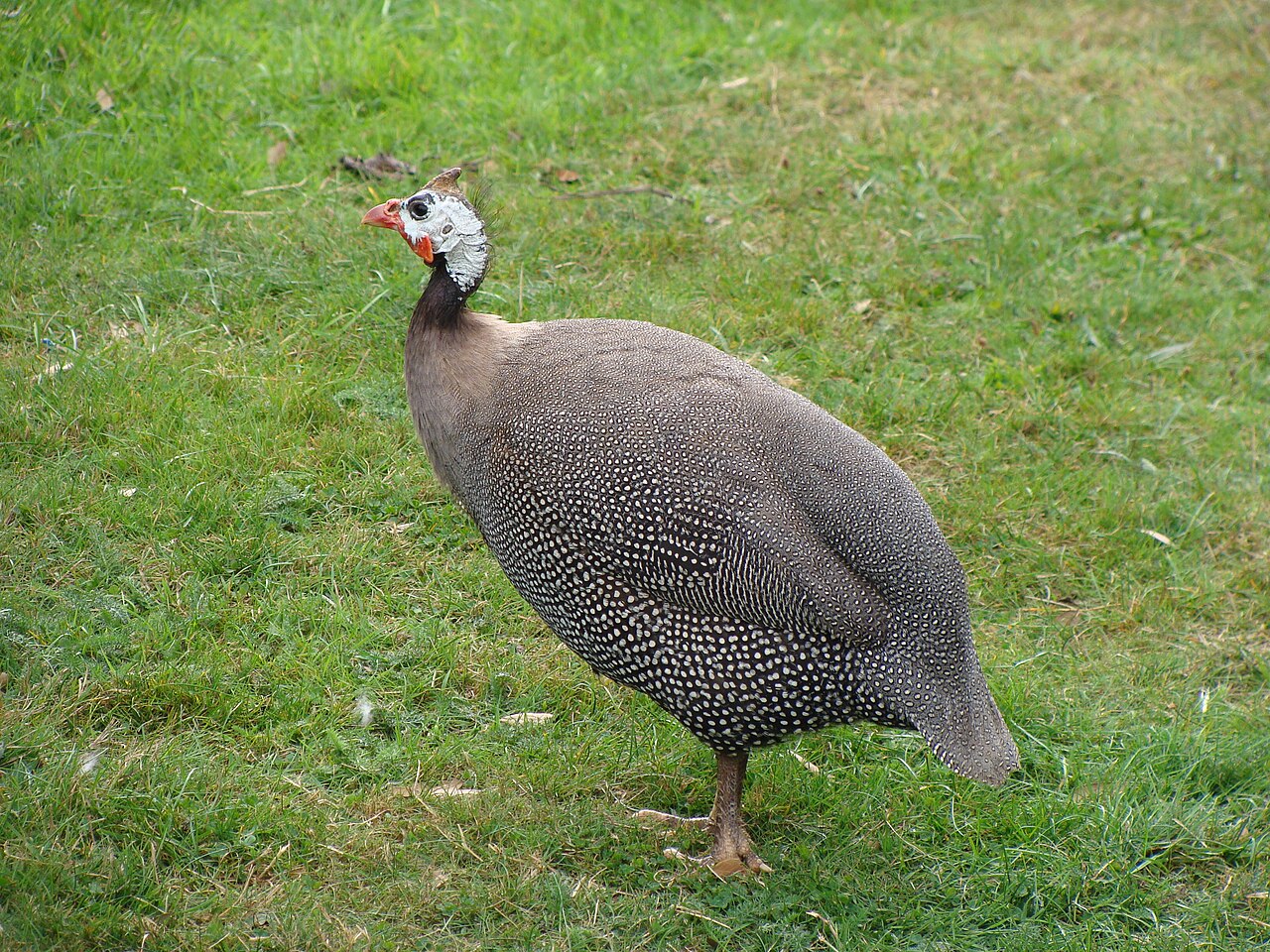
Guinea fowl sounds rank among the most genuinely distinctive and, for many neighbors specifically, notably loud vocalizations found among common backyard poultry, with the classic call often rendered phonetically as “buckwheat, buckwheat” or a harsh, repetitive two-syllable screech given by females specifically, while males produce a single-syllable call lacking this repetitive two-part structure, making guinea fowl one of the few common poultry species where sex can be reliably distinguished by call alone rather than requiring visual inspection.
Beyond their famously loud alarm calling, often cited as a primary reason people keep guinea fowl specifically for perceived predator deterrence and property alerting purposes, these birds produce a genuinely varied vocal repertoire including softer contact calls, distinct alarm patterns for different threat types, and considerable overall vocal activity that makes guinea fowl keeping a genuinely different auditory experience compared to quieter, more typical backyard chicken keeping. This guide covers the sex-based call differences specifically, the famous alarm calling behavior and its practical implications, other vocalizations in the guinea fowl repertoire, and what to realistically expect regarding noise level before deciding to keep this species.
| Sound | What It Means |
|---|---|
| “Buckwheat” two-syllable call | Female-only call, general/alarm use |
| Single-syllable call | Male call, lacks repetitive structure |
| Sharp alarm screech | Predator or threat detected |
| Soft contact chatter | Flock coordination, close-range |
| Sustained group calling | Sustained perceived threat or disturbance |
| Peak vocal activity | Dawn, dusk, and any perceived disturbance |
The Famous “Buckwheat” Call: Females Only
The classic guinea fowl call most people immediately associate with this species, a harsh, repetitive two-syllable screech often phonetically rendered as “buckwheat, buckwheat” or “come-back, come-back,” is produced exclusively by female guinea fowl, making this particular vocalization a genuinely reliable sex-identification tool for anyone specifically trying to distinguish male from female birds within a guinea fowl flock.
This distinctive two-syllable call serves multiple communicative functions depending on context, including general flock communication, alarm signaling when a threat is detected, and what many keepers describe as simply frequent, seemingly unprompted vocalization throughout the day, contributing significantly to guinea fowl’s overall reputation as a notably loud and vocally persistent poultry species compared to quieter alternatives like standard chickens.
The reliability of this female-specific call as a sex-identification tool makes it genuinely useful for keepers specifically trying to determine flock composition, since visual sex differences in guinea fowl can be considerably more subtle than the clear vocal distinction covered throughout this section, meaning attentive listening often provides more confident sex determination than visual inspection alone for many keepers working with young or visually ambiguous birds.
The Male Call: Single-Syllable and Distinct
Male guinea fowl produce a genuinely different vocalization lacking the repetitive two-syllable structure that defines the female’s classic call, instead producing a single-syllable sound that, while still notably loud and part of the overall vocal chorus a guinea fowl flock produces, remains clearly distinguishable from the female’s more repetitive “buckwheat” pattern once a listener becomes familiar with this specific difference.
This sex-based call difference means a mixed guinea fowl flock produces a genuinely varied chorus combining both the repetitive female calls and the distinct single-syllable male vocalizations, creating an overall soundscape that experienced keepers can parse into individual bird contributions with practice, though casual observers typically perceive this combined vocalization simply as generalized guinea fowl noise without necessarily distinguishing the specific sex-based call differences covered throughout this section.
Understanding this male-female call distinction adds genuine practical value beyond simple curiosity, since keepers specifically trying to manage flock sex ratios or identify individual birds by call can use this reliable vocal difference as a genuinely useful management tool, complementing or in some cases substituting for the more subtle visual sex differences guinea fowl display compared to some other poultry species with clearer visual sexual dimorphism.
Alarm Calling: The Trait Many Keepers Value Most
Guinea fowl are widely known and often specifically kept for their notably vigilant alarm calling behavior, with flocks producing loud, sustained calling when detecting potential threats, including approaching predators, unfamiliar people, or general disturbances, a behavior that has made guinea fowl popular among some keepers specifically seeking an early-warning system for approaching predators or unusual property activity.
This alarm behavior connects to the broader tick-consumption reputation, since guinea fowl’s dual reputation for pest control and predator alerting, similar to claims sometimes made about wild turkeys and their own dietary habits covered in our turkey diet guide, has made them a popular choice for some rural and semi-rural properties specifically seeking these combined practical benefits, though the tick-control aspect specifically tends to be somewhat overstated relative to more rigorous evaluation, covered in complete detail in our birds that eat ticks guide.
The genuine effectiveness of guinea fowl alarm calling as a practical predator deterrent or property-alerting system varies considerably based on specific circumstances, since while the loud calling genuinely does occur in response to perceived threats, translating this vocal alert into actual predator deterrence or meaningful property security depends on numerous additional factors beyond the vocalization itself, making realistic expectations important for anyone specifically motivated to keep guinea fowl primarily for this particular perceived benefit.
Softer Contact Calls and Flock Coordination
Beyond the louder alarm and general vocalizations covered in earlier sections, guinea fowl produce considerably softer contact calls and chattering sounds used for closer-range flock coordination, helping maintain group cohesion as birds forage together, a quieter vocal register that contrasts with the more attention-grabbing calls most people specifically associate with this species.
This softer communication register serves practical flock management functions similar to contact calling documented across many other social bird species, helping guinea fowl coordinate movement and maintain awareness of other flock members’ location during normal foraging activity, without necessarily indicating any particular alarm or threat requiring the louder, more attention-demanding vocalizations covered in the previous sections.
Attentive keepers who spend considerable time around their guinea fowl flocks often become familiar with this softer vocal register specifically, similar to how attentive backyard birdwatchers learn to distinguish the nuances covered in our cardinal sounds guide, learning to distinguish normal, contented flock chatter from the escalating calls indicating genuine alarm or disturbance, a distinction that provides practical value for keepers specifically monitoring flock wellbeing and detecting genuine problems requiring attention versus normal, unremarkable daily flock activity.
Guinea Fowl in the Broader Backyard Poultry Soundscape
Guinea fowl’s notably loud, frequent vocalization places them distinctly apart from quieter poultry alternatives, and prospective keepers weighing this species specifically for its dual pest-control and alarm-calling reputation benefit from understanding both aspects honestly rather than focusing on just one appealing trait in isolation from the accompanying noise commitment covered throughout this guide.
This noise consideration connects directly to broader realistic-expectations guidance, since prospective keepers specifically motivated by guinea fowl’s tick-consumption or alarm-calling reputation should weigh these potential benefits honestly against the genuine, well-documented noise commitment this species requires, rather than acquiring guinea fowl based primarily on these specific benefits without fully considering the accompanying vocal reality that comes with keeping this particular poultry species.
Some keepers specifically in more rural settings with greater property space and distance from neighbors find guinea fowl’s vocal nature entirely manageable or even appreciated as a genuine security and pest-control asset, while keepers in closer suburban settings may find the noise considerably more challenging to manage relative to their specific neighborhood context, making property setting and neighbor proximity genuinely important practical considerations before committing to guinea fowl keeping specifically for these particular reasons.
Vocal Development in Young Guinea Fowl (Keets)
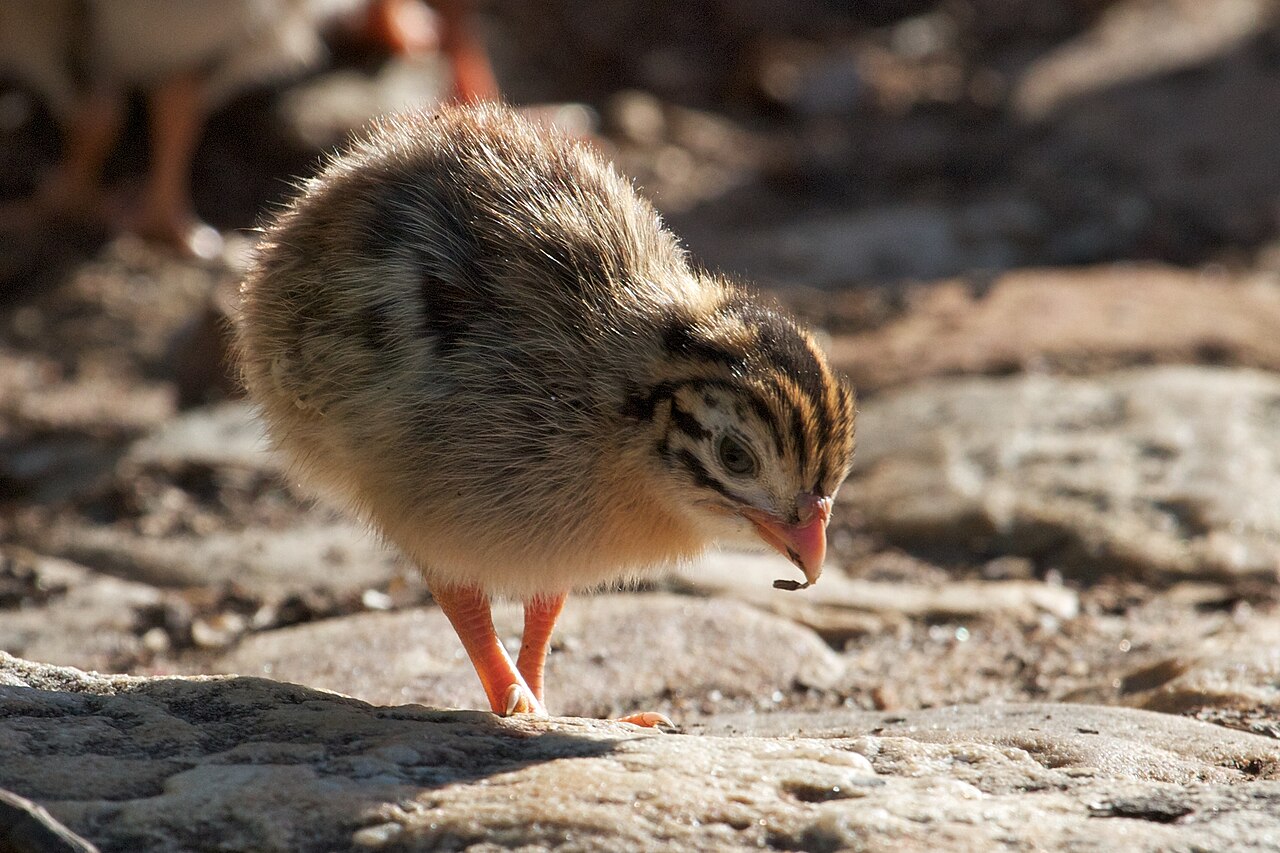
Young guinea fowl, called keets, do not display the fully developed sex-based call differences covered throughout this guide immediately from hatching, since these distinctive adult vocalizations develop gradually as keets mature, meaning keepers specifically trying to determine sex through call alone should expect to wait until birds reach a more mature developmental stage before this vocal sex-identification method becomes genuinely reliable.
This developmental vocal progression means young guinea fowl flocks sound noticeably different from mature flocks, typically producing softer, less developed calling patterns during their earlier weeks before gradually developing the full, distinctly loud adult vocal repertoire covered throughout this guide, a maturation pattern similar to vocal development documented across many other bird species during their transition from juvenile to adult vocal capability.
Keepers specifically monitoring young guinea fowl flocks can use this gradual vocal development as one indicator among several for tracking overall flock maturation, alongside physical growth and behavioral changes, though patience remains necessary since the full, genuinely loud adult calling pattern this species is famous for does not emerge fully formed immediately but develops progressively over the young birds’ first several months of life.
Guinea Fowl Sounds vs Other Poultry
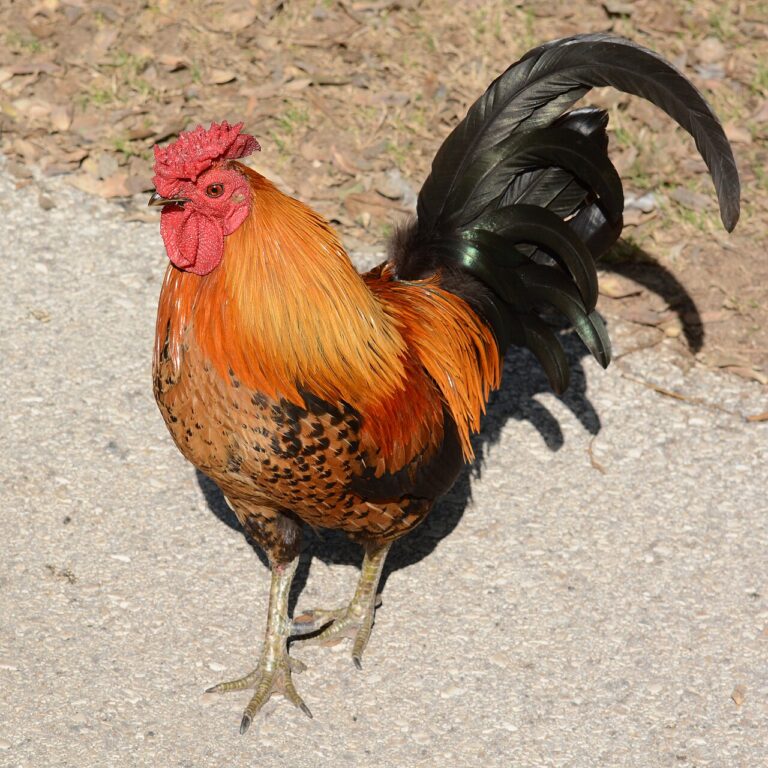
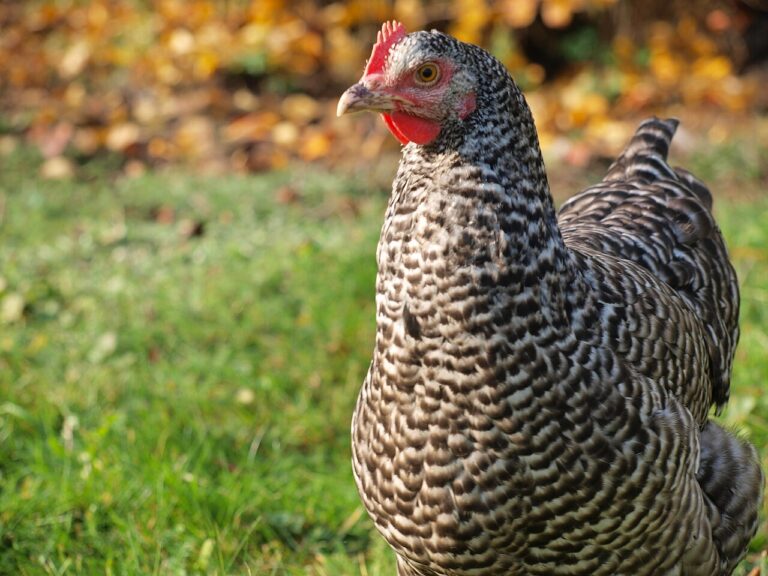
Compared to standard chickens, guinea fowl produce considerably more frequent and louder vocalization overall, a genuine difference in baseline noise level that distinguishes this species clearly from the generally quieter typical backyard chicken experience most poultry keepers are more familiar with before considering guinea fowl specifically as an addition or alternative to standard chicken keeping.
Compared to other notably vocal poultry species, guinea fowl’s specific two-syllable female call and distinct alarm behavior create a genuinely recognizable vocal signature once learned, distinct enough from other loud poultry species that experienced keepers can typically identify guinea fowl calling specifically without visual confirmation, similar to how the specific mimicry patterns covered in our mockingbird sounds guide allow confident identification once learned, based purely on this distinctive vocal pattern covered throughout this guide.
Understanding these comparative vocal differences helps prospective keepers make genuinely informed decisions about which poultry species best fits their specific property situation and noise tolerance, since while guinea fowl offer genuine benefits including alarm calling and modest pest control, the accompanying noise commitment represents a meaningfully different keeping experience compared to quieter alternative poultry options available to backyard keepers.
Related reading: Guinea Pig Sounds.
Frequently Asked Questions
What does a guinea fowl sound like?
Females produce a distinctive two-syllable call often described as “buckwheat, buckwheat,” while males produce a single-syllable call lacking this repetitive structure, alongside softer contact calls and loud alarm calling when threats are detected.
Can you tell male and female guinea fowl apart by sound?
Yes, this is one of the more reliable sex-identification methods for this species, since only females produce the classic repetitive two-syllable “buckwheat” call, while males produce a distinct single-syllable vocalization.
Are guinea fowl really good alarm systems?
They do produce genuine loud alarm calling when detecting threats or disturbances, though translating this into actual reliable predator deterrence or property security depends on additional factors beyond the vocalization itself.
Are guinea fowl louder than chickens?
Yes, guinea fowl are considerably more vocal overall than standard chickens, producing more frequent and louder calls throughout the day, making noise tolerance an important consideration before keeping this species.
Why do guinea fowl make so much noise?
Their vocalizations serve multiple functions including flock coordination, alarm signaling, and general communication, with females specifically producing frequent calling that contributes significantly to this species’ notably loud reputation.
Will my neighbors be bothered by guinea fowl noise?
Potentially, especially in suburban settings with closer neighbor proximity, since guinea fowl’s genuine noise level is significant enough to warrant careful consideration of neighborly relations before acquiring this species.
Do guinea fowl make different sounds for different threats?
Their alarm calling generally intensifies in response to any perceived threat or disturbance, though the specific vocal pattern remains broadly similar rather than displaying clearly distinct calls for different specific threat types.