Lynx Sounds: 7 Calls Explained and What Each One Means
A lynx sounds like a house cat with the volume of a person. The animal runs through the same vocabulary as a tabby, meows, purrs, hisses, growls, and chirps, and then adds the sound it is famous for: a drawn out scream or caterwaul that carries hundreds of yards through winter woods and makes people reach for a phone. Most lynx sounds are quiet and close range. The loud ones are reserved for two situations, a mate or a rival.
Knowing which call you heard tells you what the cat was doing. A scream in February is courtship, a hiss from 20 ft away (6 m) is a warning to back off, and a chirp near a deadfall is a mother keeping track of kittens. Each call below comes with the season and the hour it belongs to, plus the animals it gets confused with, because in the lower 48 the odds are high that the screamer was something else.
Lynx make seven main sounds: a loud scream or caterwaul during the late winter breeding season, plus meows, yowls, hisses, growls, purrs, and chirps used at close range. Screams and yowls are territorial and sexual signals. Hisses and growls are defensive. Purring and chirping are contact calls between mothers and kittens.
| Call | Sounds like | When | Meaning |
|---|---|---|---|
| Scream or caterwaul | A woman or child crying out | February to April, after dark | Mate attraction, rival challenge |
| Yowl | A long rising moan | Breeding season, dusk and dawn | Standoff between two adults |
| Hiss and spit | Air through teeth, sharp pop | Any season, close range | Back off now |
| Growl and snarl | Low rolling rumble | Any season, at a kill or den | Escalated threat |
| Meow | A deep house cat meow | Year round | General contact |
| Purr | Rough idling motor | Resting, nursing | Contentment, reassurance |
| Chirp or chatter | Short bird-like notes | Summer, near kittens | Mother calling young |
The Lynx You Are Actually Hearing
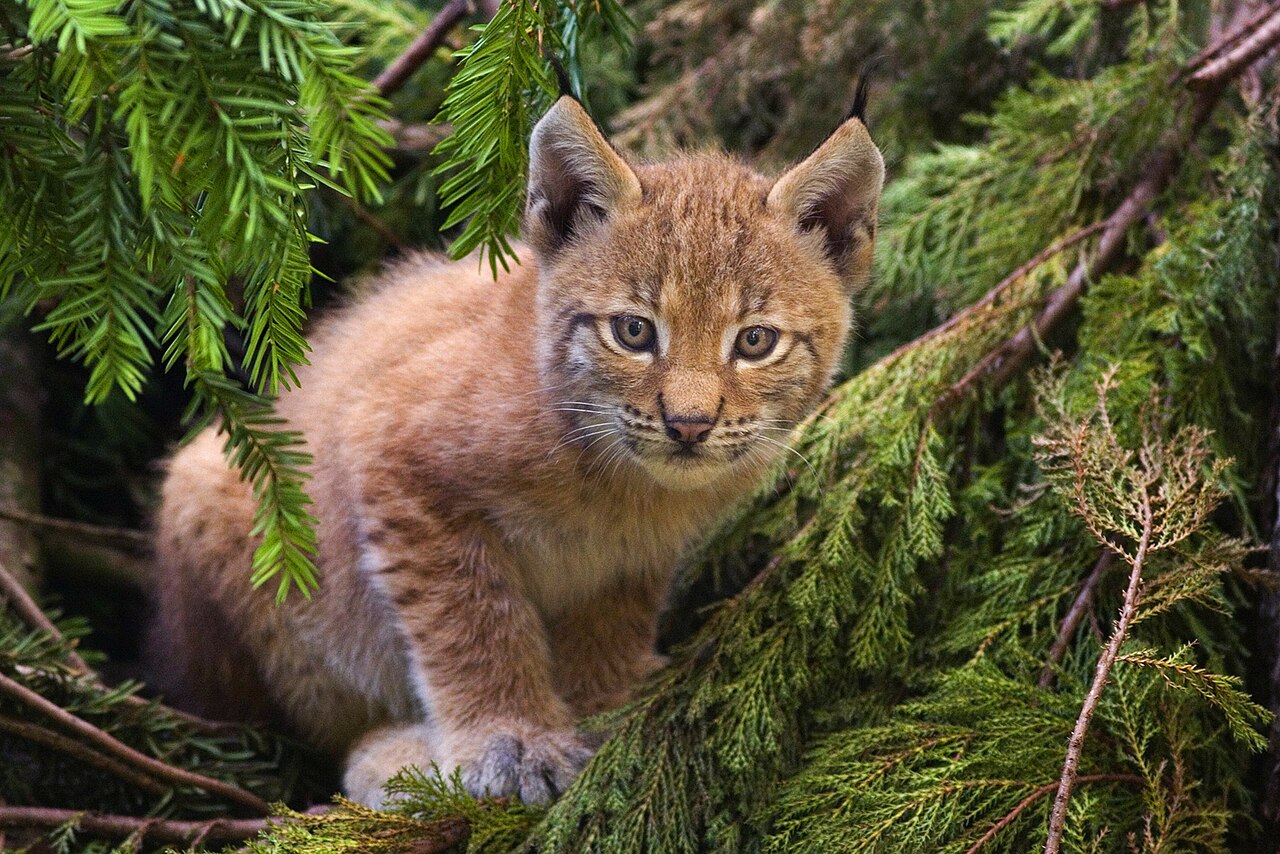
Three cats carry the name. The Canada lynx (Lynx canadensis) is the North American species, 31 to 41 in long (80 to 105 cm) and 18 to 24 lb (8 to 11 kg), found in Alaska, across Canada, and in pockets of Maine, Minnesota, Montana, Idaho, Washington, and Colorado. The Eurasian lynx (Lynx lynx) is twice the weight and the source of most viral scream videos from Europe. The Iberian lynx is confined to Spain and Portugal.
The fourth member of the genus is the one nobody counts: the bobcat (Lynx rufus). It is a lynx taxonomically, it lives in 48 states, and it makes nearly the same sounds. South of the boreal forest, a night scream is far more likely to be a bobcat than a Canada lynx, whose range in the lower 48 is tracked as a threatened population by the U.S. Fish and Wildlife Service.
Why Do Lynx Scream?
Lynx scream to find and compete for mates. The sound is a caterwaul, a long wavering cry that drops and rises, repeated every few seconds for a minute or more. Females advertise receptivity with it and males answer, which is why recordings so often capture two animals trading screams across a clearing instead of one calling alone.
A second use is confrontation. Two toms that meet on a shared boundary will scream, yowl, and spit at each other for several minutes rather than fight, since a serious injury in deep snow is usually fatal. The noise is the fight. Nothing about a screaming lynx indicates an animal hunting or stalking a person.
The Caterwaul: What the Breeding Season Sounds Like
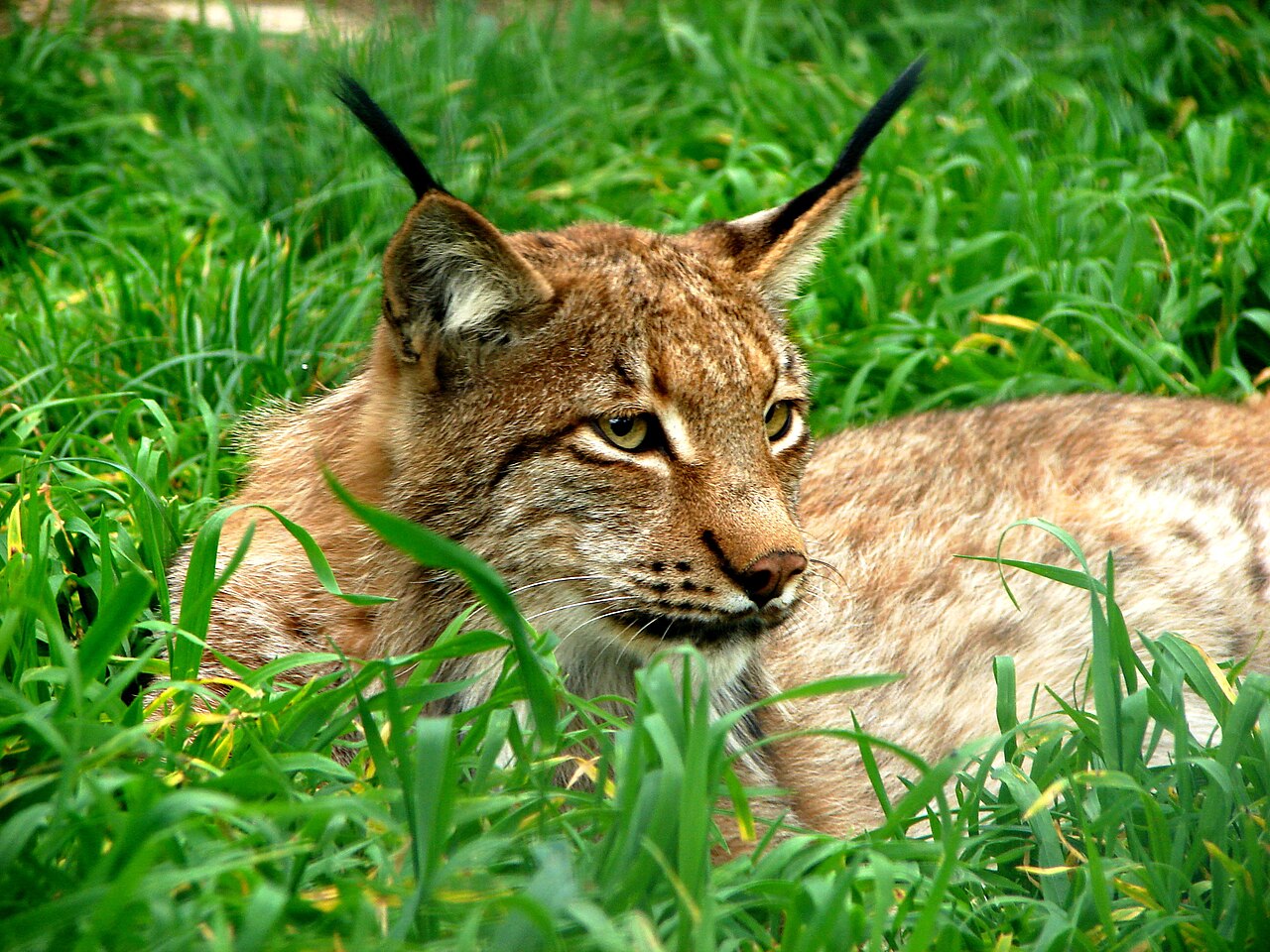
Peak calling runs from late February through early April across most of the Canada lynx range, tightening to a few weeks in the far north. Females come into estrus once a season, so the window is short and the calling is intense while it lasts.
Caterwauls are loudest between full dark and about two hours before dawn. On a still, cold night with snow cover the sound carries a quarter mile or more (400 m), and sources disagree on the true range, with some trappers claiming twice that. Snow and still air both help, so the same cat sounds much closer in February than it would in July.
Does a Lynx Hiss?
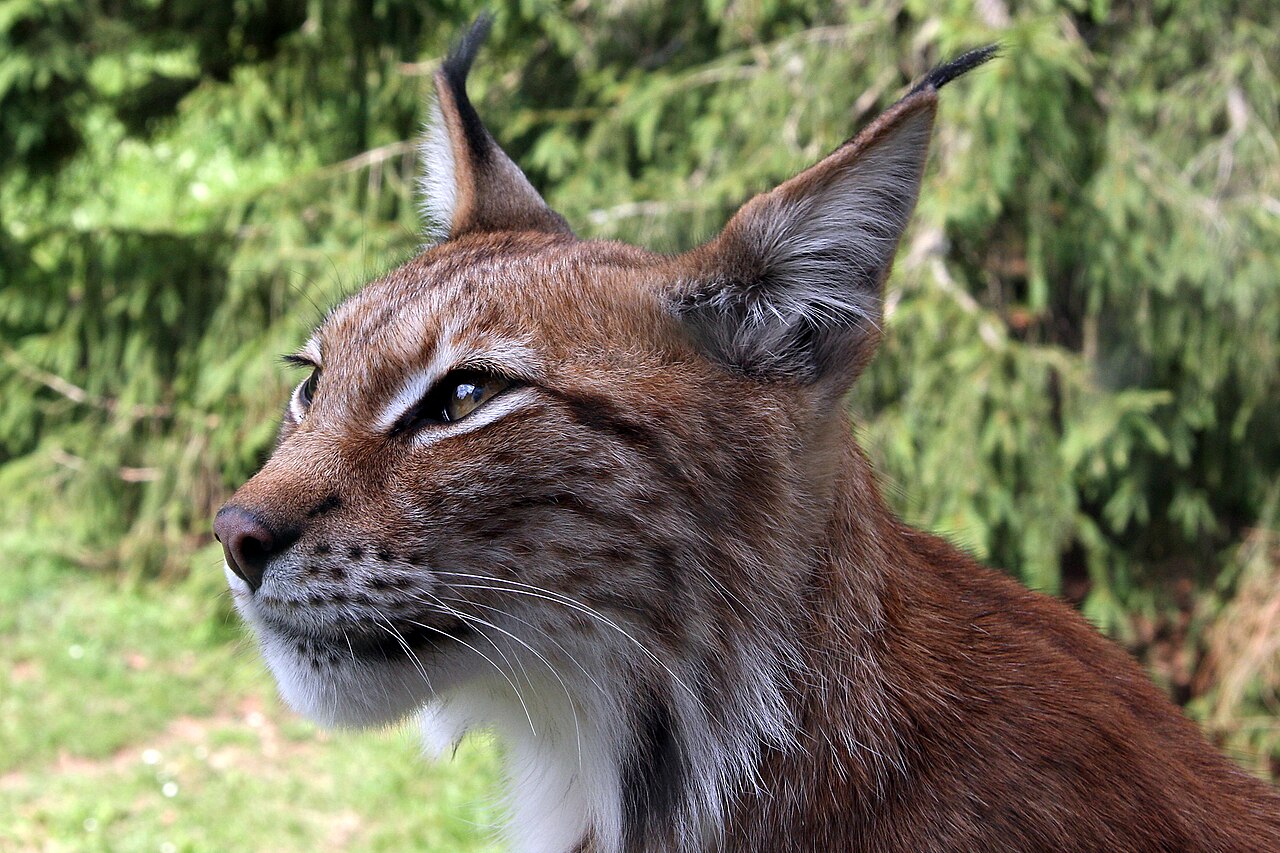
Yes, and the hiss is the call you are most likely to hear in person. A cornered or startled lynx flattens its ears, opens its mouth, and forces air out through its teeth, often finishing with a sharp spit. It is identical in form to a house cat hiss, just louder and lower.
Treat it as the clearest possible signal. The animal has seen you, feels trapped, and wants distance. Back away slowly and give it a direction to leave in. A lynx that hisses rather than runs usually has kittens nearby or a cached kill underfoot.
Growls, Snarls, and Spits at Close Range
The growl sits below the hiss in pitch and above it in seriousness. It is a low rolling rumble delivered with the body low and the tail tucked, used over food, at a den, or when a hiss has not worked. A snarl adds bared teeth and a rising edge.
These sounds travel poorly, 50 to 100 ft at most (15 to 30 m), which tells you something important: if you can hear a growl, you are far too close. Dogs trigger it more reliably than people do, and a leashed dog is the single best way to avoid the whole situation.
Purring, Chirping, and the Quiet Calls
Lynx purr. Like all small cats they can produce a continuous rumble on both the inhale and the exhale, and they do it while resting, grooming, and nursing. The sound is rougher and deeper than a house cat purr, closer to an idling engine heard through a wall.
They also chirp, a short clipped note that sounds more like a bird than a cat and often comes in pairs or triples. Chirps work as contact calls at middling range, keeping a mother and her kittens oriented without broadcasting their position to a wolf or a bald eagle overhead.
Kitten Mews and Begging Calls
Canada lynx kittens are born in May and June, two to four to a litter in strong snowshoe hare years and sometimes only one in poor ones. For the first month they produce thin high mews, barely audible at 30 ft (9 m), used entirely to locate the mother.
By late summer the mews deepen into insistent begging calls delivered whenever she returns with prey. This is the loudest a lynx family gets outside the breeding season, and it is the sound most often reported from campsites in July and August. The kittens stay with the mother through their first winter and separate the following spring.
Meows and Yowls Between Adults
The plain meow is the everyday call, pitched well below a house cat and used when two animals are aware of each other without being in conflict. Adult siblings about to part company and mothers with nearly grown kittens trade meows regularly.
The yowl is the same sound stretched and loaded. It rises, holds, and falls over two or three seconds, and it belongs to standoffs: a male approaching a female too early in the season, or two cats working out who leaves. Yowling frequently escalates into full caterwauling within a minute.
When You Hear Each Call
Season sorts the calls faster than pitch does. Screams and yowls belong to late February through April. Kitten mews and begging calls belong to June through September. Hisses, growls, purrs, and meows occur year round but only at close range, so hearing them means an encounter rather than a distant animal.
Time of day narrows it further. Lynx are crepuscular and nocturnal, most active from dusk until a few hours after dark and again before sunrise. A loud cat-like cry at 2 a.m. in March in Maine or Minnesota is worth reporting to the state wildlife agency. The same cry in Georgia is a bobcat or a fox.
How Can You Tell a Bobcat From a Lynx by Sound?
Honestly, you often cannot. The two species share a vocal repertoire and both produce caterwauls that listeners describe as human. The differences are averages rather than rules: bobcat screams tend to be shorter, raspier, and higher, while Canada lynx calls run longer and deeper with more waver through the middle.
Range is the better test. Canada lynx need deep snow and snowshoe hares, so outside the northern tier and the high Rockies, a screaming cat is a bobcat. Our breakdown of bobcat sounds covers that side in detail. Tracks settle it too: lynx prints are huge for the animal’s weight, up to 4 in across (10 cm), with no clear claw marks.
Sounds People Mistake for a Lynx at Night
The red fox vixen scream is the leading false alarm, a harsh two second shriek repeated at intervals from January through February, and it fools nearly everyone. Great horned and barred owls supply the next tier, especially the barred owl’s rising caterwaul duets, and other birds that sound like owls add to the pile. A barn owl shriek is often reported as a cat in pain.
Indoors, the answer is almost never a cat at all. Scratching or squeaking in a wall or attic comes from rodents, squirrels, or a roost, and our guide to bat sounds covers the chittering version. Lynx do not enter buildings, do not den under decks, and avoid occupied yards, so a sound coming from inside the structure has a different source.
Frequently Asked Questions
Is a lynx cat aggressive?
No. Canada lynx are shy, solitary, and avoid people so consistently that biologists rely on snow tracking and cameras rather than sightings. An animal that is cornered, injured, or defending kittens will hiss, growl, and swat, but aggression toward humans is not part of normal behavior.
Have lynx ever killed a human?
There is no documented case of a Canada lynx or Eurasian lynx killing a person. A small number of bites and scratches are on record, nearly all involving captive animals, rabid individuals, or people handling a trapped cat. The species is not a threat to human life.
Who is stronger, a bobcat or a lynx?
A Canada lynx is taller with longer legs and bigger feet, but a bobcat is more thickly built and slightly heavier on average in the southern part of its range. In the rare places where the two overlap, bobcats appear to displace lynx from shared habitat where snow is shallow enough to let them compete.
Are lynx friendly to humans?
They are indifferent at best. A few habituated individuals near cabins tolerate people at a distance, which is what feeds the videos of calm lynx on porches. That is habituation, not friendliness, and feeding one creates a cat that loses its fear and ends up destroyed or relocated.
Could a human fight off a lynx?
An adult almost certainly could, since a Canada lynx weighs 18 to 24 lb (8 to 11 kg) and is built for killing hares in snow, not for taking large prey. The question stays hypothetical because unprovoked attacks are not recorded. Standing tall, making noise, and backing away ends an encounter.
Why do lynx sound like humans?
Their vocal folds produce a fundamental frequency and harmonic structure close to the human voice in the caterwaul, and the call has the same rising and falling contour as a cry of distress. Our ears are tuned to detect that pattern, so the brain reaches for the human explanation first.