Netherland Dwarf Rabbit: Size, Colors, and Care Guide
The Netherland Dwarf rabbit is the smallest breed recognized by the American Rabbit Breeders Association, weighing 1.1 to 2.5 pounds as an adult with a round head, short ears, and large eyes. It was developed in the Netherlands in the 1930s and now ranks among the most popular pet rabbit breeds in the United States. Behind the compact size sits a genuine dwarfing gene, and that gene shapes everything from litter outcomes to dental health.
This breed is small, alert, and long lived, with a typical indoor lifespan of 10 to 12 years. It is also more demanding than its size suggests. Netherland Dwarfs need unlimited hay, daily exercise space, and an owner willing to work with a rabbit that would rather come to you than be picked up.
| Trait | Details |
|---|---|
| Adult weight | 1.1 to 2.5 pounds, ideal around 2 pounds |
| Ear length | About 2 inches, held upright |
| Lifespan | 10 to 12 years indoors, sometimes longer |
| Coat | Short, dense rollback fur, low grooming needs |
| Temperament | Energetic and curious, can be reserved at first |
| Diet base | Unlimited grass hay plus greens and a small pellet ration |
| Typical price | 50 to 100 US dollars from a breeder |
Where the Netherland Dwarf Came From
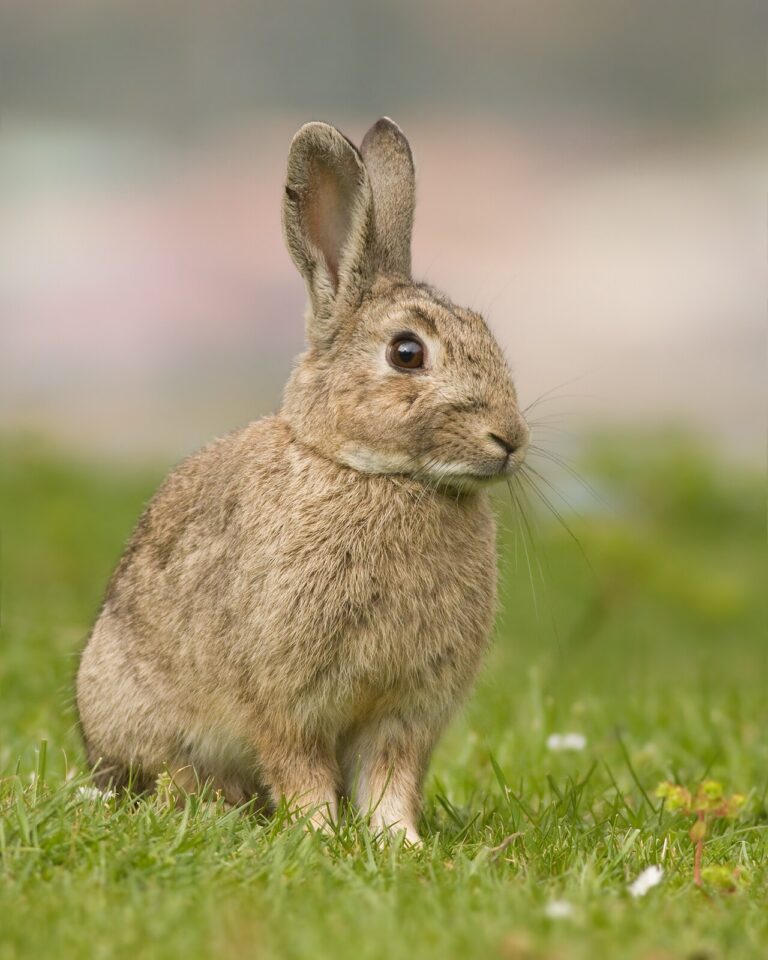
The breed traces back to the Netherlands in the 1930s, where breeders crossed small Polish rabbits with wild European rabbits to fix a very small body size in a range of colors. The wild input mattered. Early Netherland Dwarfs were famously nervous and difficult to handle, and it took decades of selective breeding to produce the calmer animals most owners meet today.
The breed reached the United Kingdom in 1948 and arrived in the United States during the 1960s. The American Rabbit Breeders Association granted formal recognition in 1969, and the Netherland Dwarf has been near the top of the popularity rankings ever since. Its rise also drove the creation of other dwarf breeds, since the same gene was crossed into lines that became the Holland Lop, the Dwarf Hotot, and several others.
Understanding that history explains the modern animal. A Netherland Dwarf is not simply a shrunken version of a larger rabbit. It carries a specific mutation, a distinctly rounded skull, and a temperament that still shows traces of the wild ancestors used to create it. Those traits are the reason the breed rewards patient owners and frustrates impatient ones.
Netherland Dwarf Size and Body Type
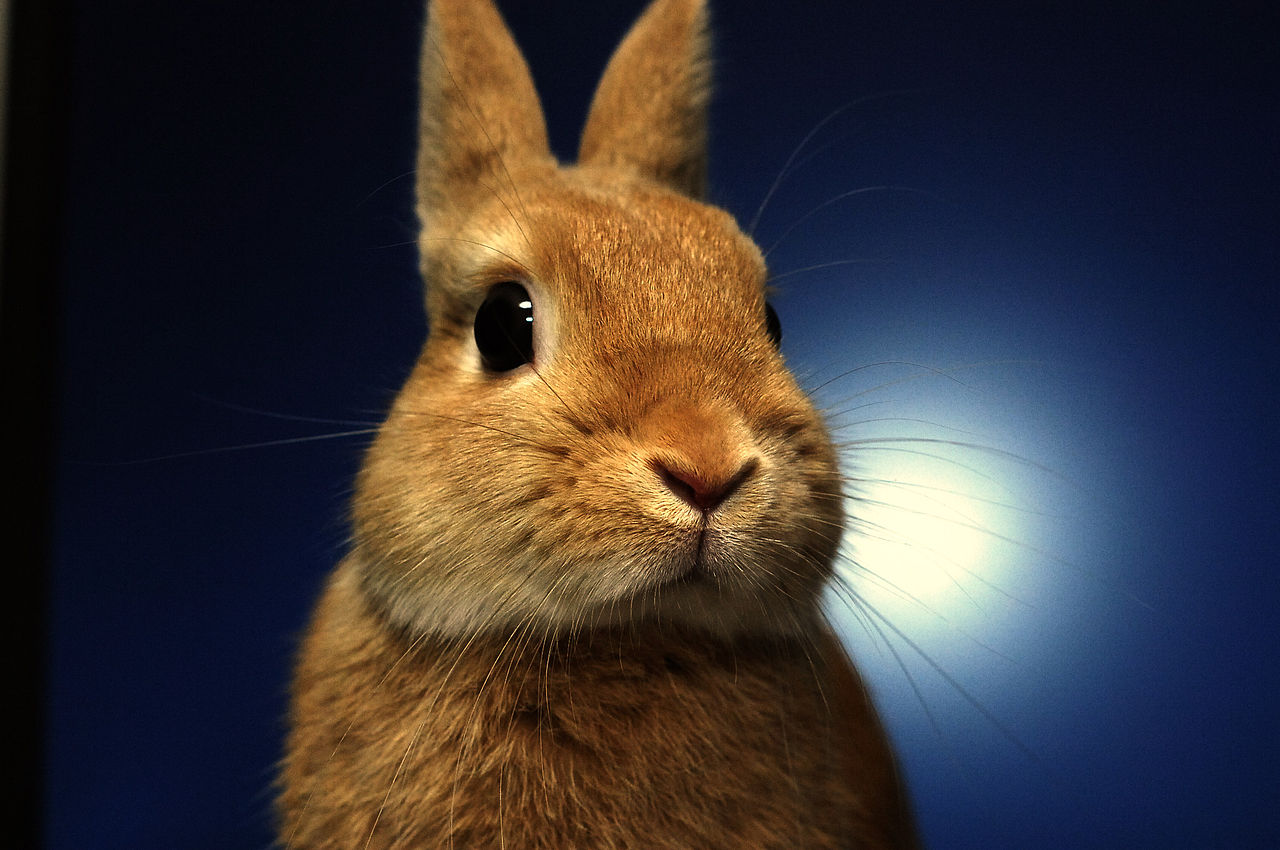
Adults weigh between 1.1 and 2.5 pounds, and show standards call for roughly 2 pounds as the ideal. That places the breed well below a Holland Lop at 3 to 4 pounds and far below a Flemish Giant, which can exceed 15. In practical terms, a full-grown Netherland Dwarf fits comfortably in two cupped hands.
The body is compact and rounded rather than long, with a short neck that makes the head appear to sit directly on the shoulders. Ears are short, thick, and carried upright, ideally around 2 inches and rarely more than 2.5. The skull is broad and shortened, the eyes are set wide and appear large, and the overall look is closer to a baby rabbit than an adult, which is the main reason the breed sells so well.
Growth is fast. Kits reach most of their adult weight by about four months and are fully mature by six to eight months. If a young rabbit sold as a Netherland Dwarf passes 3 pounds, it is either a false dwarf, which is explained below, or a cross rather than a purebred. Anyone comparing very young rabbits across breeds will find our guide to the baby rabbit stages useful for judging age and development.
Colors and Recognized Varieties
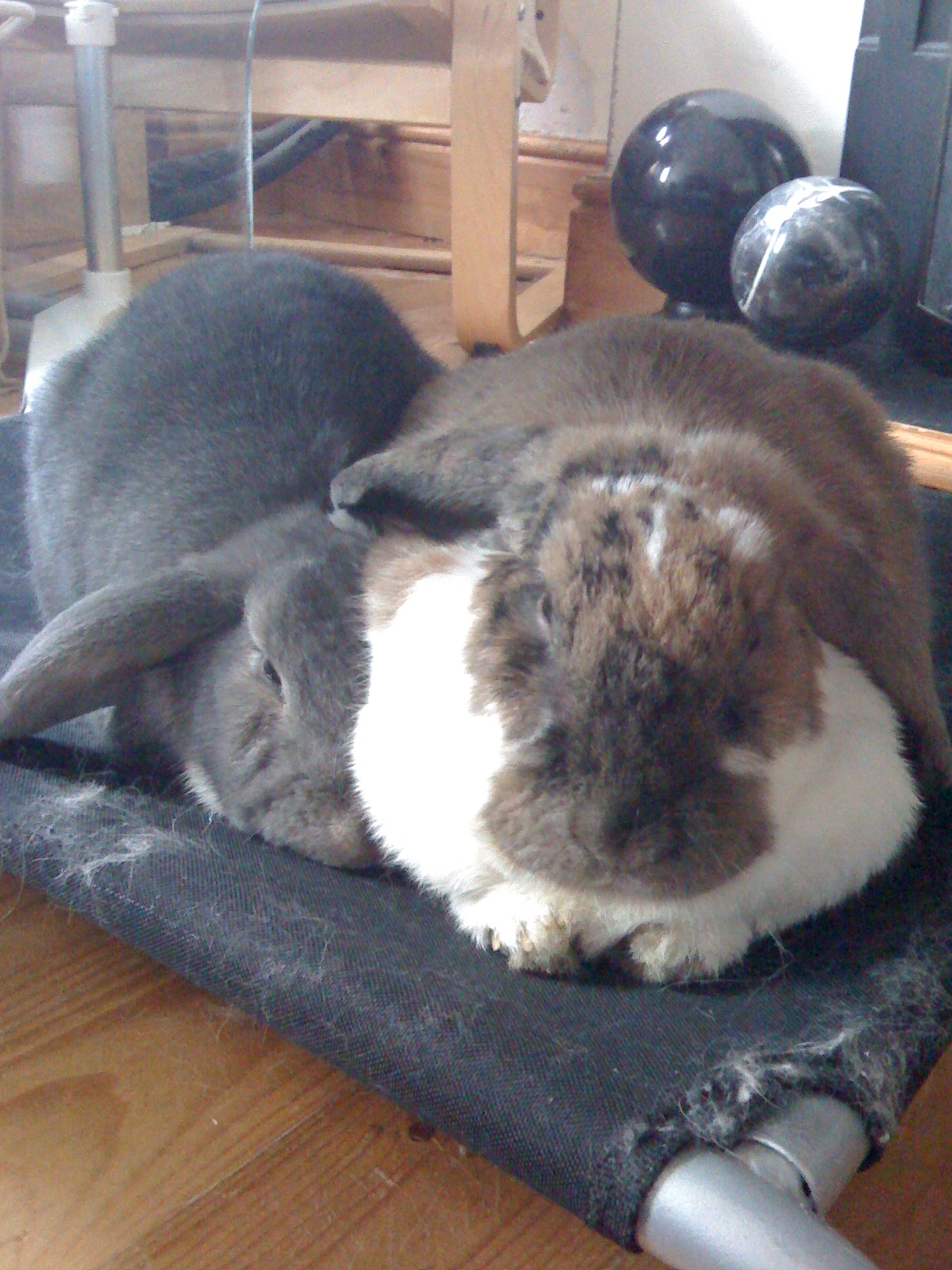
Few breeds offer this much color variation. The American Rabbit Breeders Association recognizes roughly two dozen Netherland Dwarf varieties, organized into five groups: Self, Shaded, Agouti, Tan Pattern, and Any Other Variety. Each group is judged as its own class at shows, which is why serious breeders usually specialize in one or two.
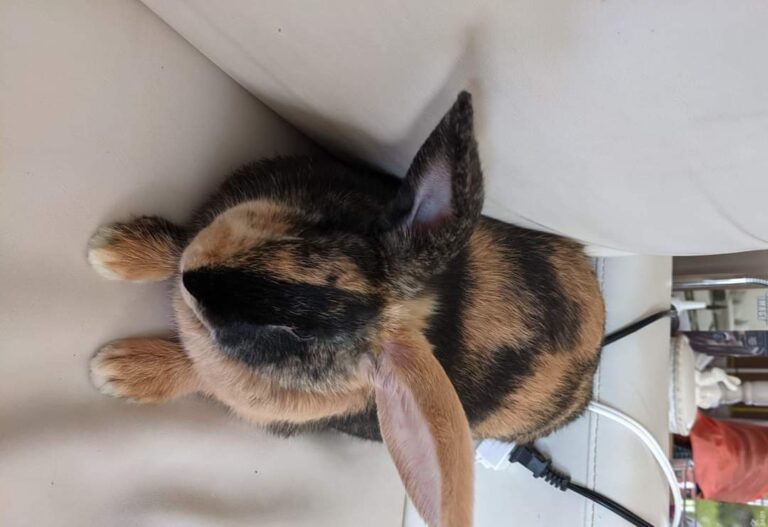
The Self group covers solid colors including black, blue, chocolate, lilac, ruby-eyed white, and blue-eyed white. Shaded varieties such as Siamese sable, Siamese smoke pearl, and tortoiseshell show a gradient from dark points to a lighter body. Agouti varieties including chestnut, chinchilla, opal, squirrel, and lynx have banded hair shafts that produce a ticked, wild-type appearance when the fur is blown open.
Tan Pattern includes otter and marten types in several base colors, with pale markings on the belly, eye circles, and nostrils. The Any Other Variety group holds patterns that do not fit elsewhere, such as Himalayan. Color has no effect on temperament or health, with one exception worth knowing: blue-eyed white animals occasionally carry vision or hearing differences linked to the genetics behind the coat.
The Dwarf Gene, False Dwarfs, and Peanuts
Small size in this breed comes from a single dominant dwarfing gene, usually written as Dw. A rabbit carrying one copy is a true dwarf and shows the compact body, short ears, and rounded head the breed is known for. A rabbit carrying no copy is a false dwarf, sometimes called a brood doe or a BUD, and grows noticeably larger with longer ears while remaining a purebred Netherland Dwarf.
The complication is what happens when two true dwarfs are bred together. On average, one quarter of the resulting kits inherit two copies of the dwarfing gene, and that combination is lethal. These kits are called peanuts. They are born much smaller than their littermates, with a bulging head, pinched hindquarters, and an underdeveloped digestive tract, and they die within a few days regardless of care.
For pet owners this genetics lesson has one practical consequence: never breed rabbits casually. Beyond the peanut issue, does face real risks during pregnancy and kindling, and rescue organizations are already full. Spaying and neutering is the standard recommendation from veterinarians for pet Netherland Dwarfs.
Personality and Temperament
Netherland Dwarfs are bright, busy, and opinionated. They explore constantly, learn routines quickly, and often become genuinely affectionate with a person who spends time at floor level. Many learn to come when called, use a litter box reliably, and greet their owner at the pen door.
They are also more reactive than larger breeds. The wild ancestry behind the original crosses left a strong startle response, and a Netherland Dwarf that feels cornered will thump, bolt, or scratch. Sudden noise, being grabbed from above, or being lifted without warning all trigger that reflex. Individual variation is wide, and a well socialized rabbit from a breeder who handles kits daily behaves very differently from one raised without human contact.
This combination makes the breed a poor match for young children despite its size. A 2 pound rabbit is fragile, and a startled kick during an awkward hold can fracture the animal’s spine. Households with school-age children do better with supervised floor time and a firm rule that the rabbit is never picked up. Owners comparing small pets often look at guinea pig breeds as a more tolerant alternative for handling.
Lifespan and What Shortens It
A Netherland Dwarf kept indoors typically lives 10 to 12 years, and individuals reaching 13 or 14 are not unusual with good veterinary care. That is considerably longer than most small pets and should be treated as a serious commitment rather than a starter animal.
Three factors drive most of the variation. The first is diet, since a hay-based diet keeps teeth worn down and the gut moving. The second is spaying or neutering, because unspayed does have a high rate of uterine cancer by middle age, and the surgery removes that risk entirely. The third is housing, since rabbits kept in small hutches without daily exercise develop obesity, sore hocks, and muscle loss.
Outdoor housing shortens lifespan sharply in most climates. Rabbits are far more vulnerable to heat than cold, and temperatures above 80 degrees Fahrenheit can be fatal for a small breed with limited ability to shed heat. Predator stress is also real, and rabbits have died from fright alone after a raccoon or dog worked at the outside of a hutch overnight.
Diet: Hay First, Everything Else Second
Unlimited grass hay should make up roughly 80 percent of what a Netherland Dwarf eats. Timothy, orchard grass, and meadow hay are all suitable for adults, and the pile should be at least as large as the rabbit itself and refreshed daily. Alfalfa is appropriate only for kits under about six months, since its calcium and protein levels are too high for adults.
Pellets are a supplement, not the main course. A 2 pound adult needs only about an eighth to a quarter cup of plain timothy-based pellets per day, and mixes containing seeds, corn, or colored pieces should be avoided entirely. Fresh greens are offered at roughly 1 cup per 2 pounds of body weight daily, split across two feedings, using items such as romaine, cilantro, parsley, basil, and dandelion greens. Introduce any new green slowly over several days.
Fruit and carrots are treats, not staples, and should stay under about a tablespoon per day because of the sugar load. Iceberg lettuce offers almost no nutrition and causes loose stools. Fresh water must be available at all times, and many rabbits drink noticeably more from a heavy ceramic bowl than from a bottle. Owners who enjoy the feeding side of small pet keeping may also want our answer on whether guinea pigs can eat apples, since the sugar rules are similar.
Housing and Exercise Space
Small rabbit means small cage is the most common mistake new owners make. Rabbit welfare organizations including the House Rabbit Society recommend a minimum enclosure of about 8 square feet paired with at least 24 square feet of exercise space, with several hours of access daily. A dog exercise pen in a living room works better than almost any commercial rabbit cage.
Flooring must be solid. Wire floors cause sore hocks, an ulcerated pressure injury on the underside of the foot that is painful and slow to heal. Line the pen with washable mats, fleece, or grass mats, and provide a litter box filled with paper-based litter topped with hay, since rabbits like to eat while they eliminate. Most Netherland Dwarfs litter train within a couple of weeks once they are spayed or neutered.
Enrichment prevents both boredom and destruction. Cardboard castles, willow balls, untreated wooden chews, a digging box of shredded paper, and a covered hide all give a busy rabbit something legitimate to do. Without those, a Netherland Dwarf will redirect that energy into baseboards, carpet, and electrical cords, so cord protection is essential in any room where the rabbit runs free.
Common Health Problems in the Breed
The shortened skull that gives this breed its face also creates its signature health risk. Malocclusion, in which the incisors fail to meet and therefore never wear down, is more common in Netherland Dwarfs than in most breeds. Affected rabbits drool, drop food, lose weight, and need their teeth trimmed by a veterinarian on an ongoing basis. Checking a young rabbit’s bite before purchase is worth doing.
Gastrointestinal stasis is the other emergency every owner should recognize. A rabbit that stops eating, stops producing droppings, and sits hunched needs veterinary care the same day, not the next morning. Resources from the Cornell University College of Veterinary Medicine describe stasis as a symptom of an underlying problem such as pain, dental disease, or a low-fiber diet rather than a disease in itself.
Other issues include heat stress, respiratory infection, ear mites, and overgrown nails. Find a veterinarian experienced with rabbits before you need one, because rabbits are classed as exotic patients and not every clinic sees them. Annual checkups, an accurate scale at home, and daily attention to appetite and droppings catch most problems early. For a sense of how lifespan expectations vary across small pets, our guide to crested gecko lifespan covers a very different care model with a similar time commitment.
Grooming, Handling, and Whether This Breed Fits You
Grooming is easy. The short rollback coat needs brushing about once a week, increasing to several times a week during a molt, when a Netherland Dwarf can shed heavily enough to leave visible bald patches for a few days. Rabbits groom themselves constantly and cannot vomit hair, so removing loose fur reduces the risk of a gut blockage. Nails need trimming every four to six weeks, and rabbits should never be given a full bath, which can cause fatal shock.
Handling is where the breed asks the most of its owner. Support the chest and hindquarters together, keep the rabbit against your body, and stay low to the ground so a jump ends safely. Most Netherland Dwarfs never learn to enjoy being carried, and the better goal is a rabbit that chooses to sit next to you rather than one that tolerates being held.
The breed suits a patient adult household with time for daily floor interaction, space for a proper pen, budget for exotic veterinary care, and a decade-long outlook. It suits impulse buyers, small children, and owners hoping for a cuddly lap pet far less well. Anyone who wants a rabbit but is uncertain about the temperament should also consider adopting an adult from a rescue, where personality is already known. Households leaning toward other small companions can compare feeding demands in our guide to what mice eat or the very different care routine behind raising a baby hedgehog.
Related reading: Holland Lop Lifespan.
Related reading: Harlequin Rabbit.
Frequently Asked Questions
How big does a Netherland Dwarf rabbit get?
Adults weigh 1.1 to 2.5 pounds, with about 2 pounds considered ideal, and stand roughly 7 to 8 inches long. Ears reach around 2 inches. Most reach adult size by four to six months. Anything consistently over 3 pounds is likely a false dwarf or a cross rather than a purebred.
Are Netherland Dwarf rabbits good pets for beginners?
They can be, but they are not the easiest choice. The breed is intelligent and rewarding while also being fragile, reactive, and long lived. Beginners who commit to hay-based feeding, a large exercise pen, and a rabbit-savvy veterinarian do well. Beginners expecting a low-maintenance cage pet usually do not.
How long do Netherland Dwarf rabbits live?
Ten to twelve years is typical for an indoor rabbit, and some reach 13 or 14. Spaying or neutering, unlimited hay, daily exercise, and protection from heat are the main factors that push a rabbit toward the upper end of that range rather than the lower.
Do Netherland Dwarf rabbits like to be held?
Most do not. Being lifted mimics being caught by a predator, and this breed retains a strong startle response from its wild ancestry. Many become very affectionate at floor level, seeking contact and grooming on their own terms. Building trust with treats and sitting quietly nearby works far better than picking the rabbit up.
How much does a Netherland Dwarf rabbit cost?
Expect roughly 50 to 100 US dollars from a breeder, with show-quality animals costing more. The purchase price is the smallest part of the cost. Pen, litter, hay, greens, spay or neuter surgery, and annual exotic veterinary care add up to several hundred dollars in the first year and a recurring cost after that.
What is a peanut rabbit?
A peanut is a kit that inherited two copies of the dwarfing gene, which happens when two true dwarfs are bred together. Peanuts are born very small with a domed head and pinched hindquarters and do not survive more than a few days. Breeding a true dwarf to a false dwarf avoids the outcome entirely.
Can Netherland Dwarf rabbits live outside?
It is not recommended in most climates. Small rabbits are highly vulnerable to heat above 80 degrees Fahrenheit, and predator stress from raccoons, dogs, and hawks can be fatal even without contact. Indoor housing also means problems like appetite loss are noticed within hours rather than days.