Lionhead Rabbit: Size, Lifespan, Care and 4 Real Downsides
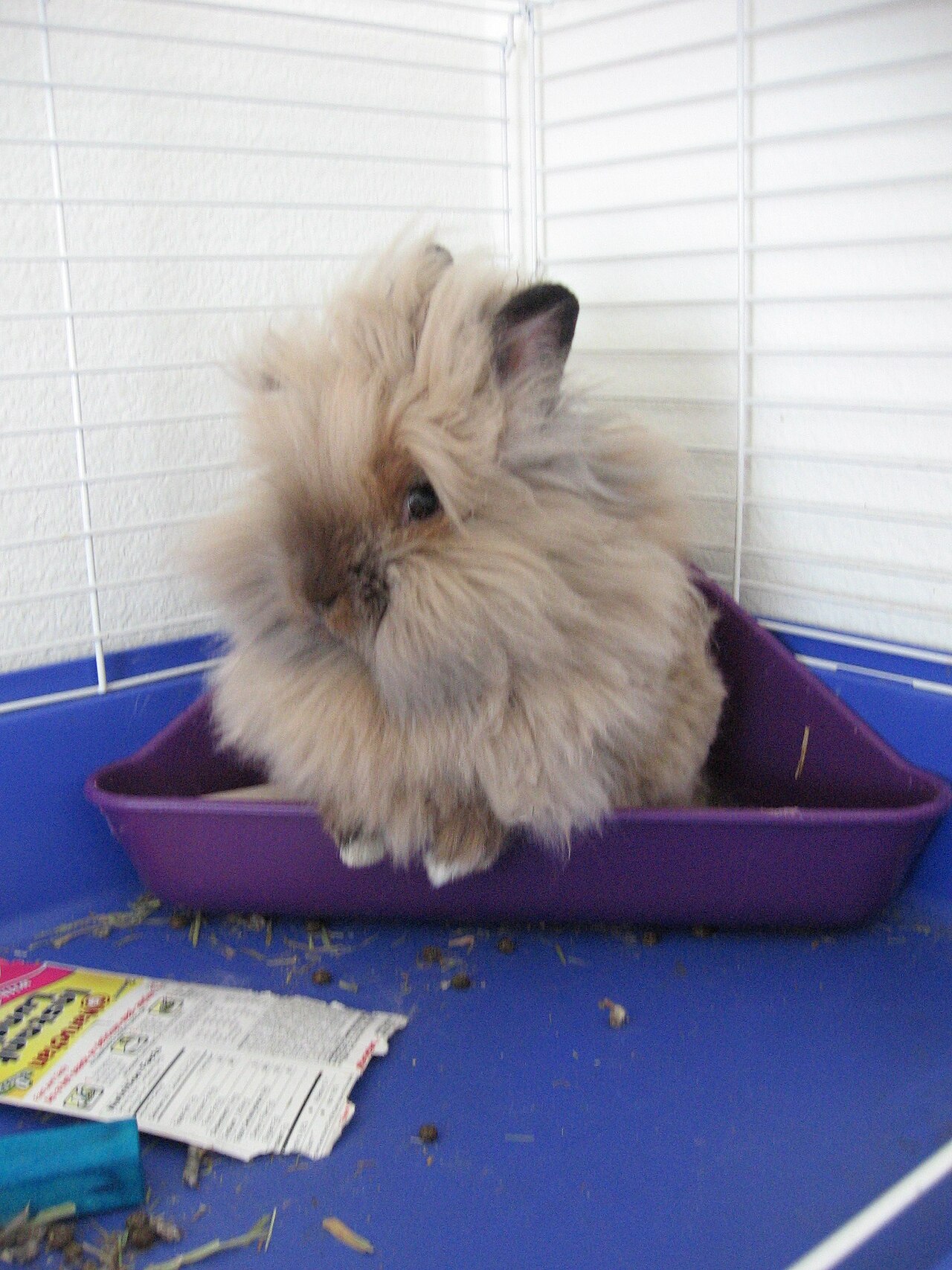
The lionhead rabbit is a small domestic breed, 2.5 to 3.75 lbs (1.1 to 1.7 kg) as an adult, recognized by the wool mane that rings its head like a lion’s. It was accepted by the American Rabbit Breeders Association in 2014, making it one of the newest breeds in the United States, and it lives 7 to 10 years with good care.
Lionheads are popular because they stay small, tolerate apartment living, and have a friendlier reputation than most dwarf breeds. The mane is also the reason they need more grooming than a short coated rabbit, which is the part most new owners find out late.
Lionhead rabbits weigh 2.5 to 3.75 lbs, live 7 to 10 years, and are known for a 2 inch wool mane around the head. They need daily hay, weekly brushing during molt, and a pen of at least 8 square feet. They are generally docile but need handling from a young age to stay comfortable being picked up.
| Trait | Lionhead rabbit |
|---|---|
| Adult weight | 2.5 to 3.75 lbs (1.1 to 1.7 kg) |
| Lifespan | 7 to 10 years indoors |
| Coat | Short body fur plus a wool mane |
| Mane types | Single mane or double mane |
| Temperament | Curious, generally docile, active at dawn and dusk |
| Grooming | Weekly, daily during a molt |
| Recognized | ARBA, 2014, in ruby eyed white and tortoise |
What Is a Lionhead Rabbit?
The lionhead is a dwarf breed carrying a mane gene that first appeared in Belgium in the 1990s, most likely from crosses between a Swiss fox and a Belgian dwarf. Breeders in the United Kingdom developed the look further, and the breed reached the United States in the late 1990s. ARBA accepted it in 2014 in ruby eyed white and tortoise, with more colors added since.
Physically it has a compact, rounded body, short upright ears about 2 to 3 inches long, and a mane of wool 2 inches or longer around the head and sometimes down the chest. Body fur is otherwise short. Among the small breeds it sits between the Netherland dwarf and the Mini Rex in size.
How Do I Care for a Lionhead Rabbit?
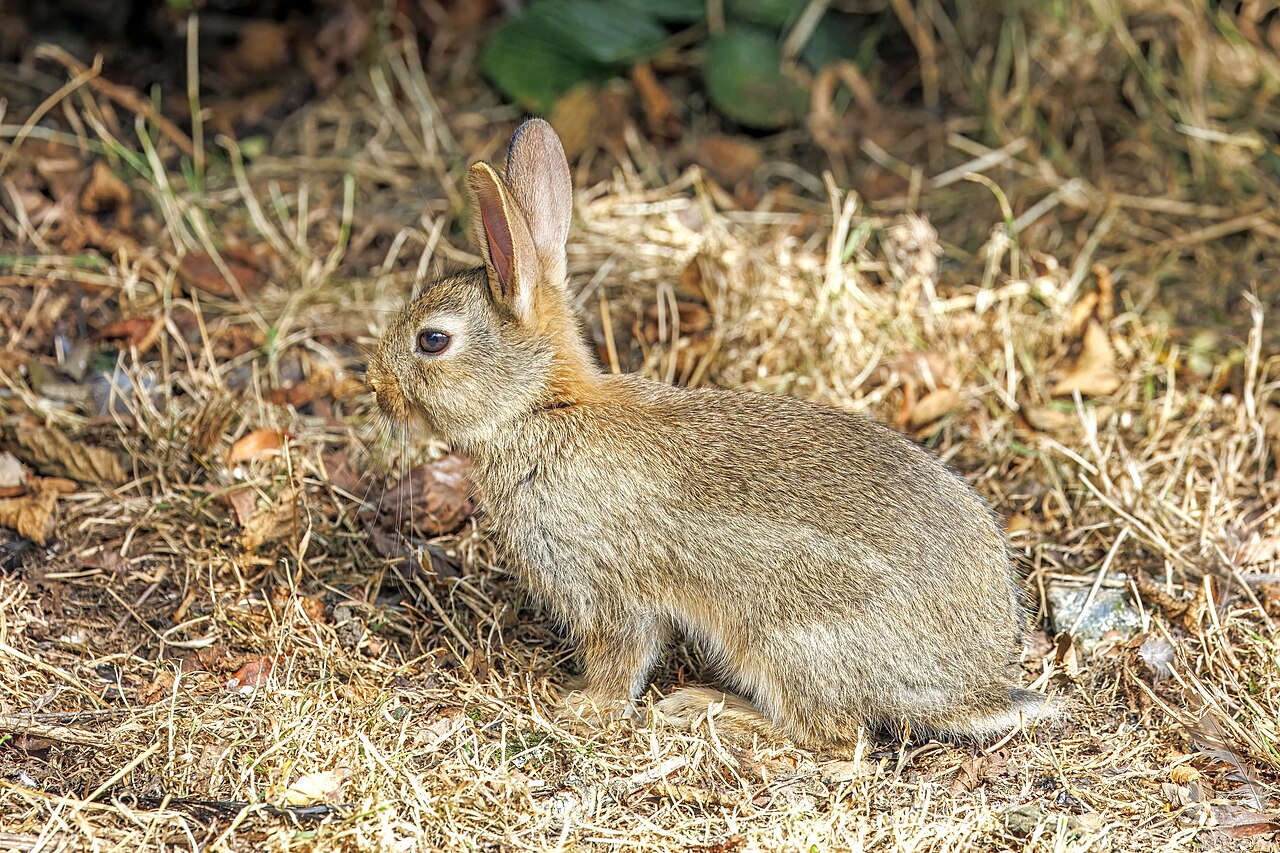
Feed unlimited grass hay, mainly timothy or orchard, since hay should be about 80 percent of the diet and keeps the continuously growing teeth worn down. Add roughly a quarter cup of plain pellets per day and a daily handful of leafy greens. Fruit and carrots are treats, not food, because the sugar load causes soft stool in a rabbit this size.
House them in a pen of at least 8 square feet with several hours of run time daily, a litter tray, and a hide box. Brush weekly, and daily during the heavy molt that hits twice a year, or the mane will mat behind the ears. Rabbits cannot vomit, so swallowed wool is a real blockage risk. Safe vegetables are covered in our note on whether rabbits can eat broccoli.
What Are the Different Types of Lionhead Rabbits?
The real division is not color but mane genetics. A double mane rabbit inherits the mane gene from both parents and shows a thick mane plus a wool skirt along the flanks, visible as a V shaped ring of fluff at birth. A single mane rabbit has one copy, a thinner mane, and often loses most of it by adulthood.
Beyond that, lionheads come in a wide range of colors: ruby eyed white, tortoise, black, blue, chocolate, chestnut agouti, sable point, seal, siamese sable, and broken patterns. Lilac and chinchilla variants are sold under their color names rather than as separate types. Ear carriage is always upright, so a lop eared animal sold as a lionhead is a cross, not the breed, and belongs with the lop eared rabbits.
What Are the Downsides of Having a Lionhead Rabbit?
Grooming is the first real cost. The mane traps hay, bedding, and droppings, and a double mane rabbit needs attention through every molt or it mats to the skin. Dental problems are the second: dwarf breeds have shortened skulls, and malocclusion is more common than in standard sized rabbits, which means lifelong hay feeding and vet checks.
They are also prey animals that dislike being held, so a child expecting a lap pet will be disappointed unless the rabbit was handled daily from weaning. Expect chewed cables, a vet bill of several hundred dollars for spaying or neutering, and peak activity at dawn and dusk, which is covered in our piece on whether rabbits are nocturnal. For a different trade off entirely, the Flemish giant is calmer but ten times heavier.
Frequently Asked Questions
What are Lionhead rabbits used for?
Almost entirely as pets and as show animals at ARBA and British Rabbit Council events, where the mane is judged on density and length. They are too small to be meat or commercial fur breeds. Their size and manageable temperament also make them common in therapy animal programs and classroom settings.
What is the calmest breed of rabbit?
The Flemish giant and the French lop are usually named the calmest, since large, slow breeds spook less easily. Among small rabbits the lionhead and Mini Rex rank as more docile than the Netherland dwarf. Individual temperament and early handling matter more than breed, and a spayed or neutered rabbit is consistently calmer.
Can I leave my rabbit home alone for 2 days?
No. Rabbits need daily checks because gut stasis can turn fatal within 24 hours, and a water bottle failure or a blocked litter tray goes unnoticed otherwise. One day with full hay and two water sources is the practical maximum. For anything longer, arrange a daily visitor or boarding.
What is a bunny kiss?
A bunny kiss is a light lick on your hand, arm, or face, and it is social grooming rather than affection in the human sense. Rabbits groom the companions they accept, so a lick means you have been placed inside the group. Nose nudges mean something different: usually move, or pay attention to me.
For dental and gut stasis warning signs, the small animal service at the Cornell University College of Veterinary Medicine publishes owner guidance worth reading before you buy. A rabbit that stops eating or stops producing droppings for 12 hours is an emergency, and knowing that in advance is the single most useful thing a new lionhead owner can do.