Can Guinea Pigs Eat Broccoli? Vitamin C vs Gas Risk
Guinea pigs can eat broccoli, and it is genuinely useful in their diet, delivering a strong dose of vitamin C, the nutrient they cannot produce themselves and must get from food daily. Both the florets and the stalk are safe, and a small portion two or three times a week works well as part of the fresh vegetable allowance.
The limiting factor is gas rather than toxicity. Broccoli is a brassica, and guinea pigs cannot pass gas the way many animals can, so large portions can cause genuine discomfort and bloating. Small amounts, offered consistently rather than in occasional large servings, avoid the problem entirely. This guide covers portion, preparation, and how broccoli compares to other daily vegetables.
Guinea pigs can eat broccoli two or three times a week in small portions, roughly one small floret or an equivalent piece of stalk per guinea pig. It is an excellent vitamin C source, which guinea pigs cannot produce themselves. The main limit is gas: broccoli is a brassica and large portions cause bloating, since guinea pigs cannot pass gas easily. Introduce it gradually.
| Aspect | Broccoli for Guinea Pigs |
|---|---|
| Safe? | Yes, in small portions |
| Portion | One small floret or equivalent stalk piece |
| Frequency | Two or three times a week |
| Main benefit | High vitamin C content |
| Main limit | Gas and bloating from brassica compounds |
| Stalk and leaves | Both safe; stalk is often better tolerated |
Can Guinea Pigs Eat Broccoli?
Yes, broccoli is safe and nutritionally valuable for guinea pigs, notable primarily for its vitamin C content, which is high enough to make a genuine contribution to the daily requirement rather than serving as a mere treat with negligible nutritional payoff.
Both the green florets and the paler stalk are safe, along with broccoli leaves if available, and the stalk in particular is often better tolerated by guinea pigs prone to gas, since it contains somewhat lower concentrations of the compounds responsible for bloating.
Raw is the correct form. Cooking broccoli reduces vitamin C content substantially and softens it in ways that offer no benefit to a guinea pig, whose digestive system and teeth are built around raw, fibrous plant material. Frozen broccoli thawed to room temperature is acceptable if fresh is unavailable, though some vitamin C is lost in processing, and it should never be offered still cold from the freezer. The guide to tomatoes for guinea pigs covers another raw vegetable option.
How Much Broccoli Can a Guinea Pig Have?
One small floret, or an equivalent-sized piece of stalk, two or three times a week per guinea pig, forming part of the roughly one cup of fresh vegetables an adult guinea pig should get daily across several different types.
The portion stays modest specifically because of gas rather than any other concern, and a guinea pig given a large serving of broccoli in one sitting is considerably more likely to experience discomfort than one given the same total amount spread across several days.
Variety matters more than any single vegetable’s quantity: rotating broccoli with bell pepper, romaine, cucumber, and other safe vegetables gives a broader nutritional profile and reduces the chance that any one food’s specific drawback, such as brassica gas, becomes a recurring problem.
Why Does Broccoli Cause Gas in Guinea Pigs?
Broccoli belongs to the brassica family alongside cabbage, kale, cauliflower, and Brussels sprouts, all of which contain compounds that produce gas during fermentation in the digestive tract, the same mechanism that makes them gassy for people.
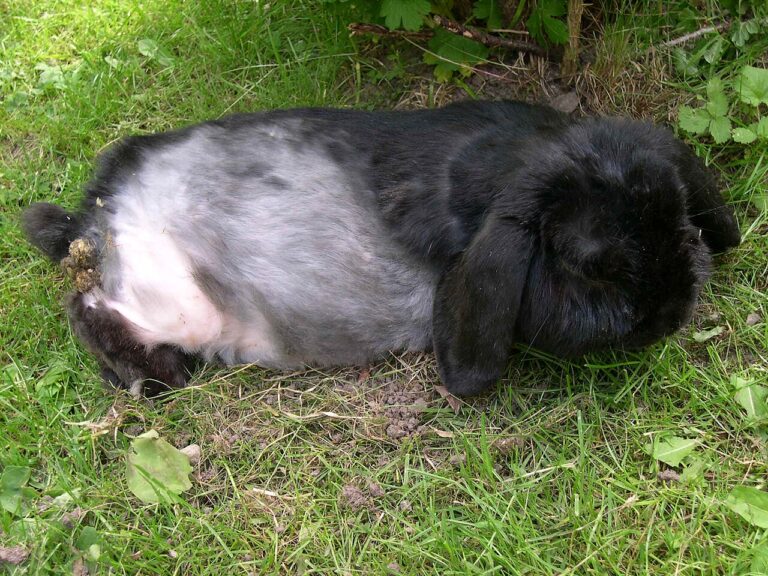
The critical difference is that guinea pigs cannot pass gas or vomit the way many animals can, meaning gas that builds up has nowhere to go and causes genuine pain, visible discomfort, reduced appetite, and in serious cases, bloat, which is a veterinary emergency.
Signs of gas discomfort include a hunched posture, reluctance to move, reduced appetite, a visibly distended abdomen, and unusual quietness in an animal normally vocal, and any of these following a brassica-heavy meal warrants pausing those vegetables and contacting a vet if symptoms persist. Timing matters here, since a guinea pig that stops eating entirely for more than about twelve hours is at risk of gut stasis, a condition that escalates quickly and is treated as a same-day emergency by exotic vets rather than something to monitor overnight.
Is Broccoli a Good Vitamin C Source?
Yes, and this is the main argument for including it. Broccoli contains substantial vitamin C, competitive with bell pepper as one of the better sources among vegetables guinea pigs can eat regularly, addressing the requirement of 10 to 30 milligrams daily.
Guinea pigs cannot synthesize vitamin C internally, unlike most mammals, and deficiency produces scurvy within weeks, showing as a rough coat, swollen joints, reluctance to move, bleeding gums, and reduced appetite before progressing to serious illness. Veterinary programs specializing in exotic animal medicine consistently list this as among the most common preventable conditions seen in pet guinea pigs.
Because bell pepper delivers comparable vitamin C without the brassica gas issue, it generally serves better as the daily staple, with broccoli filling a supporting role a few times a week to add variety without concentrating the gas risk. The guide to blueberries for guinea pigs covers a fruit that also contributes vitamin C in smaller amounts.
What Vegetables Can Guinea Pigs Eat Every Day?
Bell pepper is the standout daily option, high in vitamin C, low in sugar and calcium, and well tolerated by nearly all guinea pigs without the gas issues brassicas present, making it the most reliable base for the fresh vegetable portion.
Romaine lettuce, green leaf lettuce, and cucumber are also suitable for daily feeding in moderate amounts, providing hydration and bulk without the oxalate or calcium concerns that limit some other greens to less frequent use.
Broccoli, kale, spinach, and parsley all fit better as a few times weekly rather than daily, either due to brassica gas in the first case or high calcium and oxalate content in the others, which over time contributes to bladder stone formation in susceptible guinea pigs.
Does Broccoli Contribute to Bladder Stones?
Less than several other commonly offered vegetables. Bladder stones in guinea pigs are typically calcium-based, and the vegetables most associated with the risk are high-calcium greens like kale, parsley, and spinach rather than broccoli, which sits at a more moderate level.
That said, broccoli is not calcium-free, and a diet built heavily around any single calcium-containing vegetable increases risk over time, which is another argument for the rotation approach rather than settling on one or two vegetables fed daily.
Adequate water intake matters as much as vegetable choice, since concentrated urine contributes directly to stone formation, and ensuring a guinea pig drinks regularly, through a clean accessible bottle and water-rich vegetables like cucumber, addresses the risk from a different angle than diet composition alone.
What Vegetables Should Guinea Pigs Not Eat?
Iceberg lettuce is the most common mistake, offering essentially no nutritional value while being mostly water, and it can cause digestive upset in quantity, unlike the darker leafy greens that genuinely benefit a guinea pig.
Onions, garlic, leeks, and other alliums should be avoided entirely, as should rhubarb, which contains oxalic acid at levels that can cause serious illness, and potato, which belongs to the nightshade family and is not appropriate in any form.
Avocado is toxic due to persin and should never be offered, and mushrooms are generally best avoided given the difficulty of distinguishing safe from unsafe varieties and the lack of any nutritional case for including them.
Can Guinea Pigs Eat Broccoli Leaves?
Yes, broccoli leaves are safe and are often overlooked, despite being nutritionally comparable to the florets and generally producing somewhat less gas than the dense flower heads themselves.
Leaves are less commonly available since most broccoli is sold trimmed, but if you grow it or buy from a farmers market where the plant comes intact, the leaves are a legitimate addition to the vegetable rotation rather than something to discard.
The same portion logic applies as with florets and stalk: a modest amount, a few times weekly, introduced gradually and watched for any gas reaction, since brassica compounds are present throughout the plant even where concentrations vary between parts. The guinea pig breeds guide covers how care needs vary across different types.
How Should You Introduce Broccoli?
Start with a piece smaller than a normal portion, roughly half a small floret or a thin slice of stalk, and observe over the following 24 hours for any sign of gas discomfort, appetite change, or altered droppings before establishing it in the rotation.
Individual tolerance for brassicas varies noticeably between guinea pigs, and it is entirely normal for one animal in a pair to handle broccoli comfortably while the other develops gas from the same portion, which is worth tracking separately rather than treating the pair identically.
Introducing one new food at a time, rather than several together, keeps any reaction attributable to a specific cause, and this matters more with brassicas than with most foods precisely because the discomfort they cause is real but not always immediately obvious to an owner.
What Should the Overall Diet Look Like?
Hay above all, available continuously and making up around 80 percent of intake, since the long fiber keeps the gut moving and the side-to-side chewing wears down molars that grow continuously throughout a guinea pig’s life.
Roughly a cup of fresh vegetables daily per guinea pig, split across several types with bell pepper and leafy greens forming the base and vegetables like broccoli appearing a few times weekly, plus a small measured portion of plain timothy-based pellets fortified with vitamin C.
Fruit sits well outside this core structure as an occasional treat rather than a daily category, and the whole arrangement rests on hay being genuinely unlimited rather than rationed, since a guinea pig eating insufficient hay develops dental and digestive problems regardless of how good the rest of the diet looks. The guide to strawberries for guinea pigs and Texel guinea pig guide cover treats and general care.
Frequently Asked Questions
Can guinea pigs eat broccoli?
Yes, in small portions two or three times a week. Both florets and stalk are safe, and it is a strong vitamin C source.
How much broccoli can a guinea pig have?
One small floret or equivalent stalk piece, two or three times weekly, as part of the roughly one cup of daily fresh vegetables.
Does broccoli give guinea pigs gas?
It can in larger portions. Guinea pigs cannot pass gas easily, so brassica compounds cause genuine discomfort and bloating if the serving is too large.
Can guinea pigs eat broccoli stalks?
Yes, and stalks are often better tolerated than florets, with somewhat lower levels of the compounds that cause gas.
Should broccoli be cooked for guinea pigs?
No, always raw. Cooking reduces vitamin C substantially and offers no benefit to a digestive system built for raw fibrous plants.
What vegetables can guinea pigs eat daily?
Bell pepper is the best daily option, along with romaine, green leaf lettuce, and cucumber in moderation. Broccoli fits better a few times weekly.