Texel Guinea Pig: Grooming, Cost, and Whether to Get One
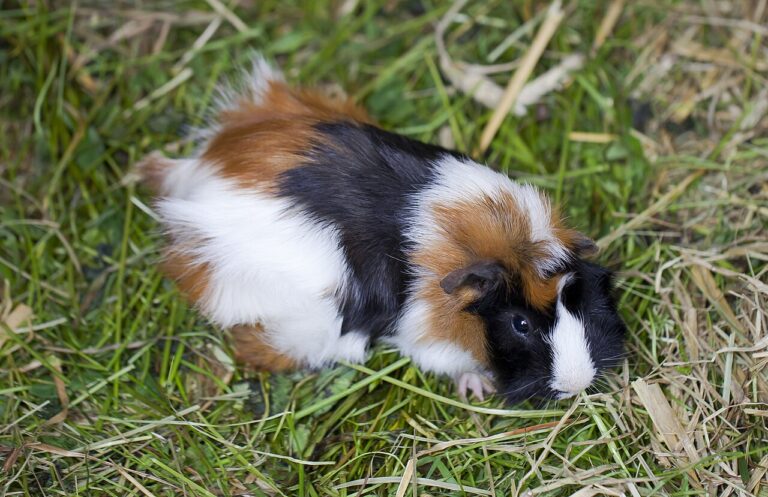
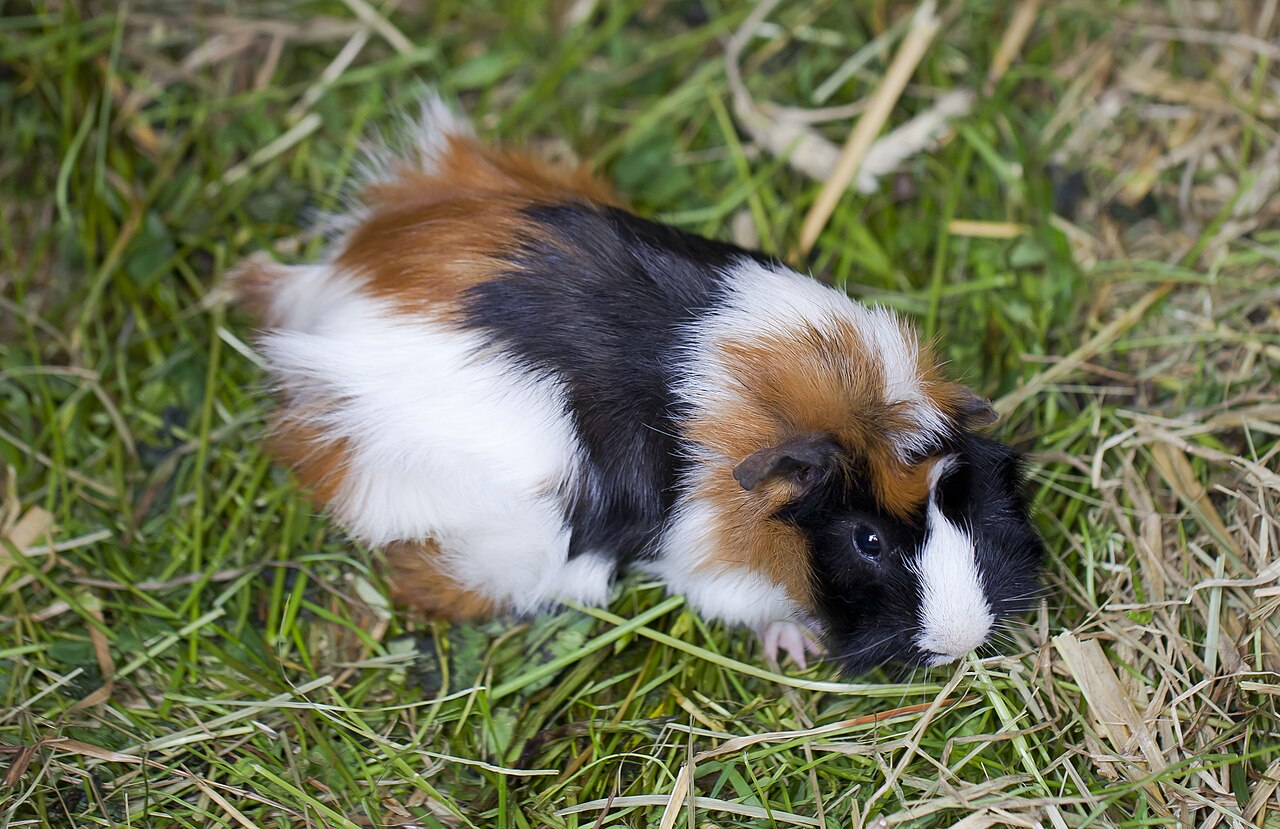
The Texel is a long-haired guinea pig whose coat grows in tight ringlets or corkscrew curls over the whole body, including the belly. It was developed in England in the 1980s by crossing the Silkie with the Rex, and it needs daily grooming, which makes it a poor first guinea pig despite being one of the most striking.
Everything else about a Texel is a normal guinea pig: two to three pounds, five to eight years, herd animal, needs a companion, needs vitamin C in the diet. The coat is the whole difference, and it is a substantial one because a curly coat mats faster than a straight one and traps bedding, food, and droppings. This guide covers grooming, temperament, cost, and whether one suits you.
The Texel is a long-haired guinea pig with a curly ringleted coat all over the body, developed in England in the 1980s from a Silkie and Rex cross. It needs daily brushing and regular rear-end trimming, lives five to eight years, and costs 50 to 150 dollars. Temperament matches other guinea pigs; the coat is the only real difference.
| Feature | Texel Guinea Pig |
|---|---|
| Coat | Tight ringlets over the whole body |
| Origin | England, 1980s; Silkie x Rex |
| Weight | 2 to 3 lb |
| Lifespan | 5 to 8 years |
| Grooming | Daily brushing; rear trimmed regularly |
| Price | Roughly 50 to 150 dollars |
| Suitability | Not a first guinea pig |
What Is a Texel Guinea Pig?
A long-haired breed distinguished by a coat that curls into tight ringlets across the entire body rather than hanging straight. The curls are dense on the flanks and rump, and the belly hair curls too, which separates the Texel from breeds where only part of the coat is affected.
It was created in England in the 1980s by crossing a Silkie, which supplied the long straight coat swept back from the face, with a Rex, which supplied the curl. The breed was recognised by the American Cavy Breeders Association in 1998 and remains relatively uncommon.
The head is short and broad with a rounded profile, and unlike the Peruvian the coat does not fall forward over the face, so a Texel can see without being trimmed around the eyes. Coat colours cover the full guinea pig range including solids, agouti, tortoiseshell, and roan. The guinea pig breeds guide covers the alternatives.
Are Texel Guinea Pigs High Maintenance?
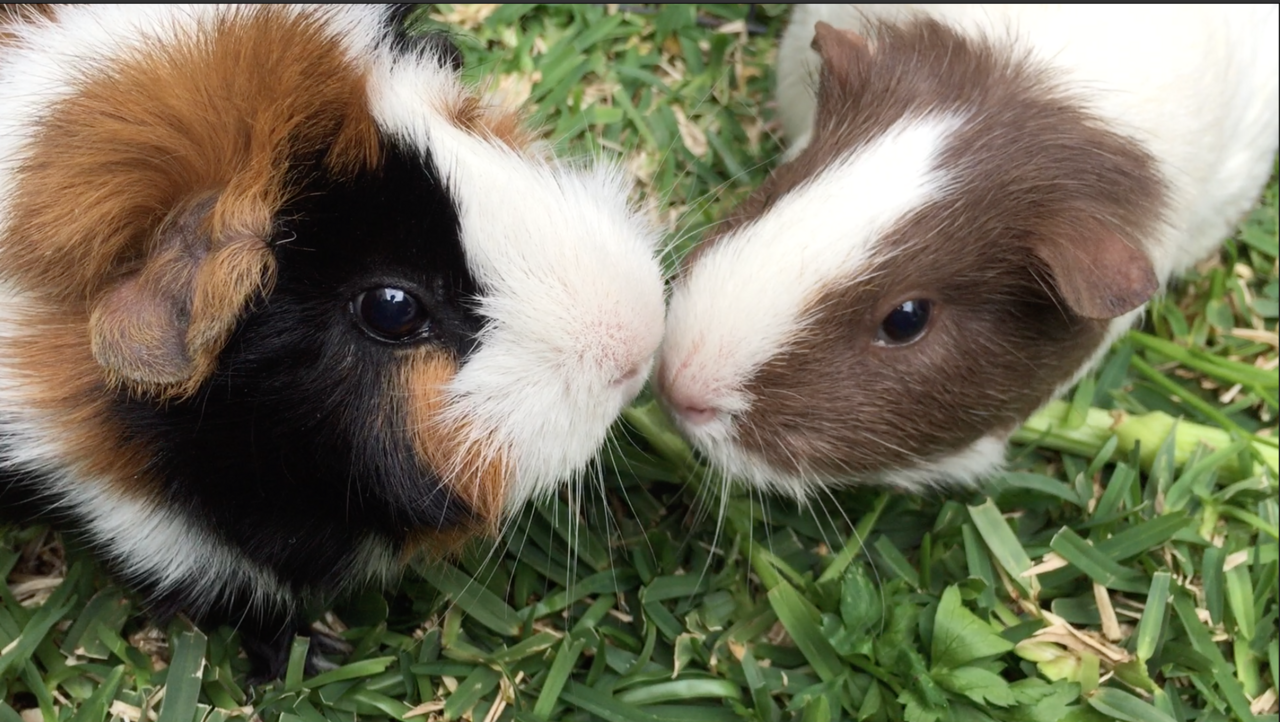
Yes, by guinea pig standards. The coat needs brushing daily or close to it, because curly hair tangles far faster than straight hair and a mat that forms deep in the coat has to be cut out rather than combed through, which is stressful for the animal and looks worse afterwards.
The rear end needs regular attention specifically. Long curls around the bottom collect droppings, urine, and bedding, which leads to urine scald, skin irritation, and in warm weather flystrike, and most Texel keepers trim that area short permanently rather than trying to keep it clean.
Use a wide-toothed comb and a soft brush, work in small sections from the ends inward, and never pull. Bathing is rarely needed and should be infrequent, since guinea pig skin dries out easily, but a rear-end wash with plain warm water is sometimes necessary. Nails, ears, and teeth need the same routine checks as any guinea pig.
Are Texels Friendly?
As friendly as any guinea pig, which is to say generally gentle, sociable, and vocal, with individual variation mattering far more than breed. Guinea pigs are prey animals and start nervous, and tameness comes from consistent gentle handling rather than from genetics.
Some breeders describe Texels as particularly calm, and there is a plausible practical reason rather than a genetic one: a guinea pig groomed daily from a young age is handled far more than one that is not, and handling is what produces a confident animal. The breed’s reputation may be a consequence of its coat rather than of its temperament.
What matters more is company. Guinea pigs are herd animals and a single guinea pig is a deprived one, which is why keeping them alone is illegal in Switzerland and discouraged everywhere else. Two or more, ideally same-sex pairs or a neutered male with females, is the baseline. The guinea pig sounds guide covers reading their communication.
How Much Does One Cost?
Roughly 50 to 150 dollars from a breeder, more than the 20 to 40 dollars a common short-haired guinea pig costs, because Texels are less common and are usually sold by specialist breeders rather than general pet shops. Show-quality animals cost more.
The animal is the small part. A properly sized cage is the real expense, and the minimum recommended floor area for two guinea pigs is around 7.5 square feet with 10.5 preferred, which is far larger than most cages sold as guinea pig cages. Many keepers build C&C grids and coroplast setups because commercial cages of adequate size barely exist.
Ongoing costs run to hay, pellets, fresh vegetables daily, bedding, and vitamin C, plus grooming tools for a Texel. Exotic veterinary care is the item people underestimate, since guinea pigs need a vet experienced with them and consultations start around 50 to 100 dollars. The guide to strawberries for guinea pigs covers the diet side.
Are They Rare?
Uncommon rather than rare. Texels are a recognised show breed with active breeders in Britain, the United States, and Europe, but they are not stocked by general pet shops and finding one usually means going to a breeder or a rescue.
Rescues are worth checking first. Long-haired guinea pigs are surrendered disproportionately often, precisely because the grooming commitment surprises people, and a rescue Texel comes with the coat problem already visible rather than as a discovery six months in.
Buying from a breeder has advantages for a coated breed. A breeder can show you the parents’ coats, explain the grooming routine in person, and is usually willing to take an animal back if it does not work out, which a pet shop is not. Avoid anyone selling a single guinea pig without asking what companion it will have.
What Do They Need to Eat?
Hay above all, at around 80 percent of intake and available every hour, and it does two jobs nothing else does: the long fibre keeps the gut moving and the side-to-side chewing wears down molars that grow continuously through life.
Vitamin C is the requirement that separates guinea pigs from every other small pet. They cannot synthesise it, needing 10 to 30 milligrams daily from food, and deficiency produces scurvy within weeks with a rough coat, swollen joints, bleeding gums, and reluctance to move. Bell pepper is the best daily source at more than double a strawberry by weight.
Then roughly a cup of fresh vegetables daily per guinea pig split across several types, and a small measured portion of plain timothy-based pellets at about an eighth of a cup. Avoid vitamin C drops in the water bottle, which degrade within hours and make the water taste odd enough that some animals drink less.
What Health Problems Do They Get?
Skin and coat problems come first for a Texel. Mats, urine scald, and fungal infection all follow from a coat that stays damp or dirty, and mites are common in guinea pigs generally and harder to spot under a dense curly coat, showing as intense scratching, hair loss, and scabbing.
Beyond the coat, the standard guinea pig list applies. Dental disease from insufficient hay, bladder stones linked to high-calcium diets, respiratory infections which progress quickly and need prompt treatment, and gut stasis, which is a same-day emergency in an animal that stops eating.
Heat is the underrated risk. Guinea pigs suffer heatstroke above about 26 degrees Celsius and a long dense coat makes it worse, so shade, ventilation, and frozen water bottles wrapped in cloth matter in summer. Rescue organisations and exotic vets publish current care guidance, and the RSPCA (rspca.org.uk) maintains detailed guinea pig welfare standards.
How Do You Groom the Coat?
Work in sections and always from the ends inward. Start at the tips of the curls with a wide-toothed comb, freeing tangles a little at a time, then work back toward the skin, and never drag a comb through a mat from the base because that pulls the skin and hurts.
Keep sessions short. Five to ten minutes daily on a towel on your lap works far better than a long weekly session, because the coat stays manageable and the guinea pig learns that grooming is routine rather than an ordeal. Offer a piece of vegetable during it.
Cut mats out rather than fighting them. A mat that has formed against the skin cannot be combed free without pain, and blunt-tipped scissors sliding flat against the body, or a mat splitter, removes it faster and more kindly. Check the whole animal weekly including the belly and behind the front legs, which are the spots most often missed. The guide to tomatoes for guinea pigs covers the treats worth using to make grooming easier.
Is a Texel Right for You?
Not as a first guinea pig and not for a household that wants a low-effort pet. The daily grooming is real work, it has to happen whether or not anyone feels like it, and neglecting it produces a painful and expensive problem rather than just an untidy animal.
They suit someone who actively wants the grooming as part of the relationship, has time daily, and is comfortable with scissors near a wriggling animal. For children, a short-haired breed such as an American or a Rex is a far better fit, since the child can realistically manage the care rather than promising to.
The other consideration is the five to eight year commitment for a pair, plus the space, the vet costs, and the fact that guinea pigs are most active in the morning and evening rather than when it suits people. Anyone unsure should meet adult Texels at a breeder or rescue before deciding. The guide to apples for guinea pigs covers the treats side.
Frequently Asked Questions
What is a Texel guinea pig?
A long-haired breed with tight ringlet curls over the whole body including the belly, developed in England in the 1980s by crossing a Silkie with a Rex.
Are Texel guinea pigs high maintenance?
Yes. The curly coat needs brushing daily and the rear end needs regular trimming to prevent urine scald, matting, and flystrike. That is the main difference from other breeds.
Are Texel guinea pigs friendly?
As friendly as any guinea pig. Their calm reputation may come from being handled daily for grooming rather than from breed genetics. Individual variation matters far more than breed.
How much does a Texel guinea pig cost?
Roughly 50 to 150 dollars from a breeder. The cage is the bigger expense, since two guinea pigs need at least 7.5 square feet of floor area and most commercial cages fall short.
Are Texel guinea pigs rare?
Uncommon rather than rare. They are a recognised show breed but are not stocked by general pet shops, so buying means finding a breeder or checking rescues, where long-haired guinea pigs are common.
Can you keep one guinea pig alone?
You should not. Guinea pigs are herd animals and a single animal is deprived, which is why keeping them alone is illegal in Switzerland and discouraged by welfare organisations everywhere.
Is a Texel a good first guinea pig?
No. The daily grooming commitment is real and neglecting it causes painful skin problems. A short-haired American or Rex is a better first choice, particularly for children.

Similar Posts
Can Guinea Pigs Eat Tomatoes? Safe Parts and Portions
Ripe tomato flesh is safe for guinea pigs, but the leaves, stems and green calyx are toxic. Here is the portion size, the prep step, and the risks to watch.
Can Guinea Pigs Eat Strawberries? Portions and Vitamin C
Yes, one small berry once or twice a week, tops included. Why guinea pigs need dietary vitamin C, why bell pepper beats fruit, and which fruits to avoid entirely.
Can Rabbits Eat Cucumber? Portions and Cautions
Yes, two or three thin slices a few times a week, skin and seeds included. Why the risk is water rather than sugar, and which greens belong in the daily bowl instead.
Can Guinea Pigs Eat Broccoli? Vitamin C vs Gas Risk
Yes, a small floret two or three times a week. Excellent vitamin C, but brassica gas is a real limit since guinea pigs cannot pass gas easily.
Can Bearded Dragons Eat Watermelon? Portions and Risks
Yes, once or twice a month in a bite the size of the space between their eyes. Why the calcium ratio matters more than the sugar, and which fruits are actually worth feeding.
Can Guinea Pigs Eat Apples? Vitamin C, Seeds, and Limits
Guinea pigs can eat apples once or twice a week, and the vitamin C genuinely matters because they cannot make their own. Here are the safe amounts.