Pineapple Conure: Cost, Lifespan and What Owners Should Expect
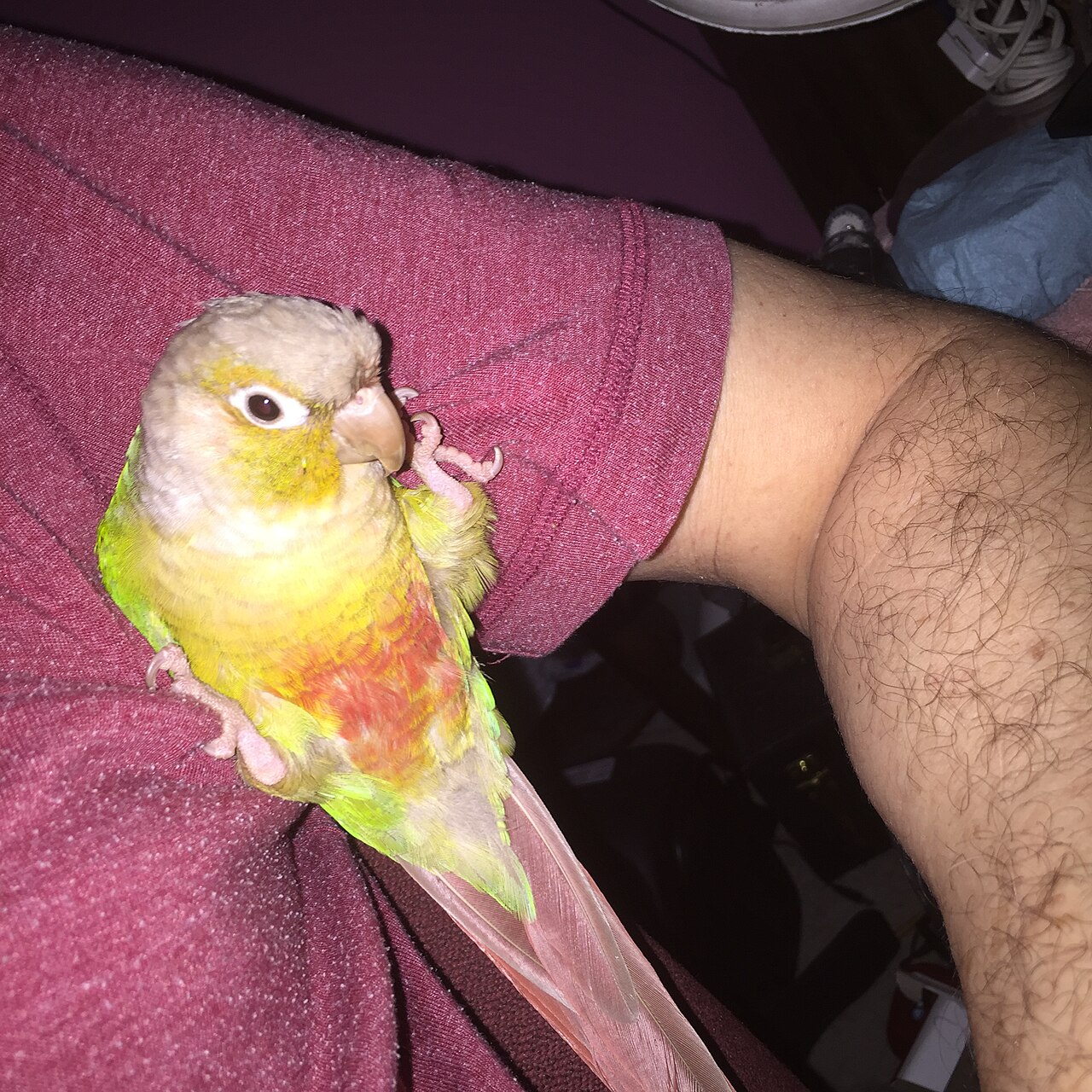
A pineapple conure is a color morph of the green-cheek conure (Pyrrhura molinae), not a separate species. Breeders create it by combining two mutations, cinnamon and yellow-sided, in the same bird. The result is a parrot with a pale tan head instead of a dark cap, a lime-green back, and a chest that runs from lemon yellow into burnt orange.
Everything else about the bird stays the same as a normal green-cheek: about 10 inches (25 cm) long, roughly 60 to 80 grams, quiet by conure standards, and long lived enough to be a two decade commitment. The color is the only thing you are paying extra for, so the real question is whether a green-cheek conure suits your home at all.
A pineapple conure is a green-cheek conure carrying both the cinnamon and the yellow-sided mutation. It has a tan head, lime-green back, and a yellow to orange chest. Expect a bird of about 10 inches, a lifespan of 20 to 30 years, and a US price of roughly $400 to $700.
| Trait | Pineapple Conure |
|---|---|
| Species | Pyrrhura molinae, green-cheek conure |
| Genetics | Cinnamon plus yellow-sided |
| Length | 9 to 11 in (23 to 28 cm) including tail |
| Weight | 60 to 80 g |
| Lifespan | 20 to 30 years in good care |
| US price | $400 to $700, more for combo morphs |
| Noise level | Low for a conure, chatter rather than screams |
What Is a Pineapple Conure?
A pineapple conure is one bird carrying two separate color mutations at once. The cinnamon mutation reduces melanin, which lightens the normally dark head to tan and turns the eyes a warm reddish brown. The yellow-sided mutation pushes yellow and orange pigment across the breast and flanks where a normal green-cheek shows dull olive and maroon.
Stack the two and you get the pineapple look: pale head, bright chest, lime body, horn-colored beak and light toenails. Breeders sometimes call the same bird a yellow-sided cinnamon, which is the honest genetic name. Pineapple is the trade name that sells.
Because it is a morph rather than a species, a pineapple conure behaves exactly like any other green-cheek. Nothing about the color changes temperament, noise, diet, or intelligence, whatever a seller tells you.
How to Identify a Pineapple Conure
Look at the head first. A normal green-cheek has a near black cap; a pineapple has a soft tan or caramel cap that blends into the green of the nape. That single feature separates it from most other morphs at a glance.
Then check the chest and the feet. The breast should carry clear yellow that warms to orange in the center, not the muddy grey-green scalloping of a wild-type bird. Cinnamon also strips pigment from the extremities, so the beak looks pale horn and the toenails look light rather than black. Even the flight feathers read lighter, closer to sky blue than deep navy.
Chicks are harder. Juvenile pineapples are duller and the orange fills in over the first 6 to 12 months, which is also true of young parrots of most species. Ask the breeder for a photo of the parents if the chick is under three months old.
Are Pineapple Conures Good Pets?
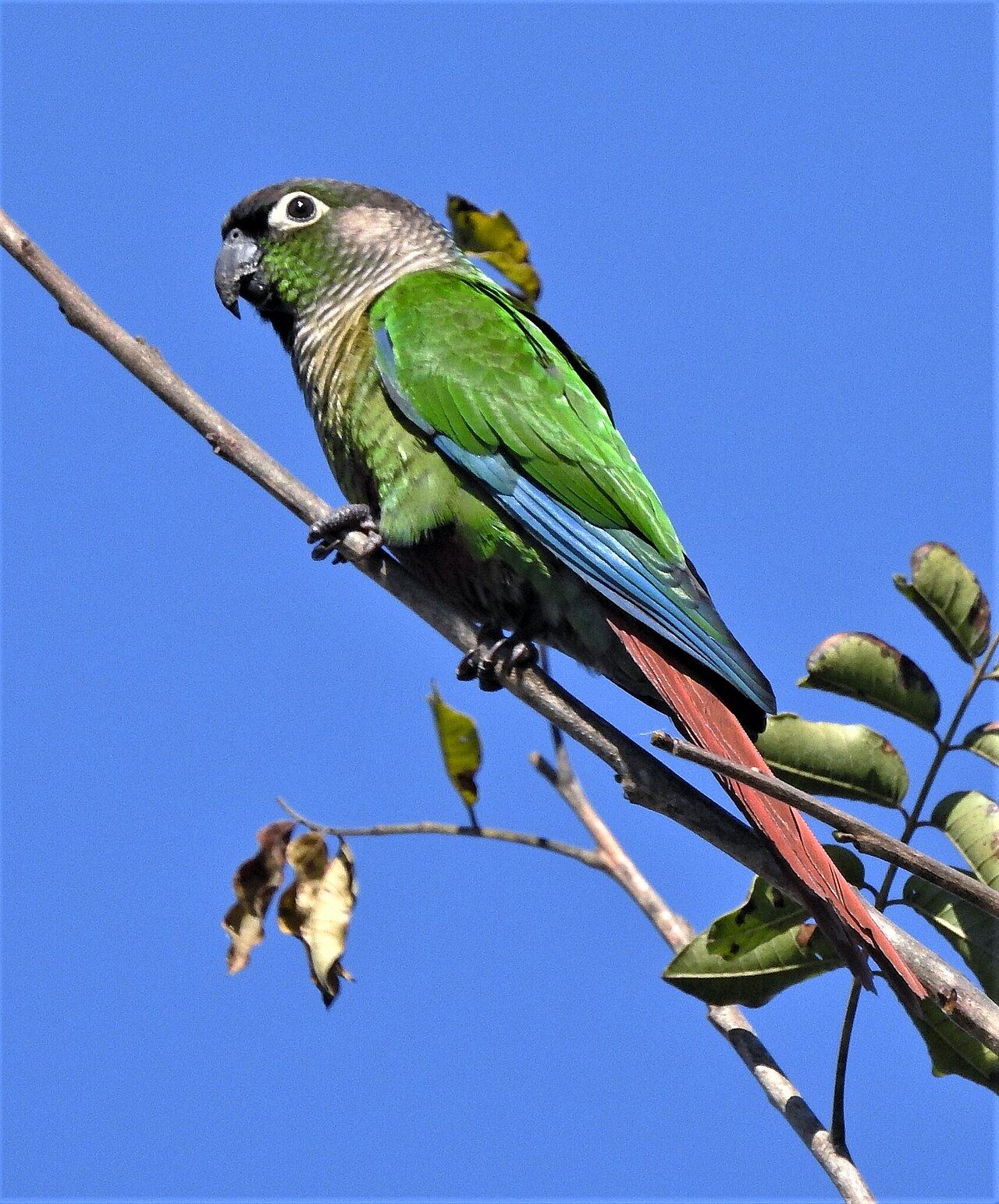
Yes, for an owner who can give the bird three to four hours outside the cage every day and is prepared for 20 plus years. Green-cheeks are playful, physical, and comfortable being handled, and they are one of the few parrots that will hang upside down in your hand and enjoy it.
They are also one of the quietest parrots of their size. A green-cheek chatters, squawks when it wants attention, and gives a short alarm call, but it does not produce the sustained sirens that make cockatiels look calm by comparison with the larger conures. That makes them workable in an apartment.
The honest downsides are nippiness during adolescence, a strong preference for one household member, and a talent for chewing anything wooden. None of these is a deal breaker, but all three surprise first-time owners.
Can a Pineapple Conure Talk?
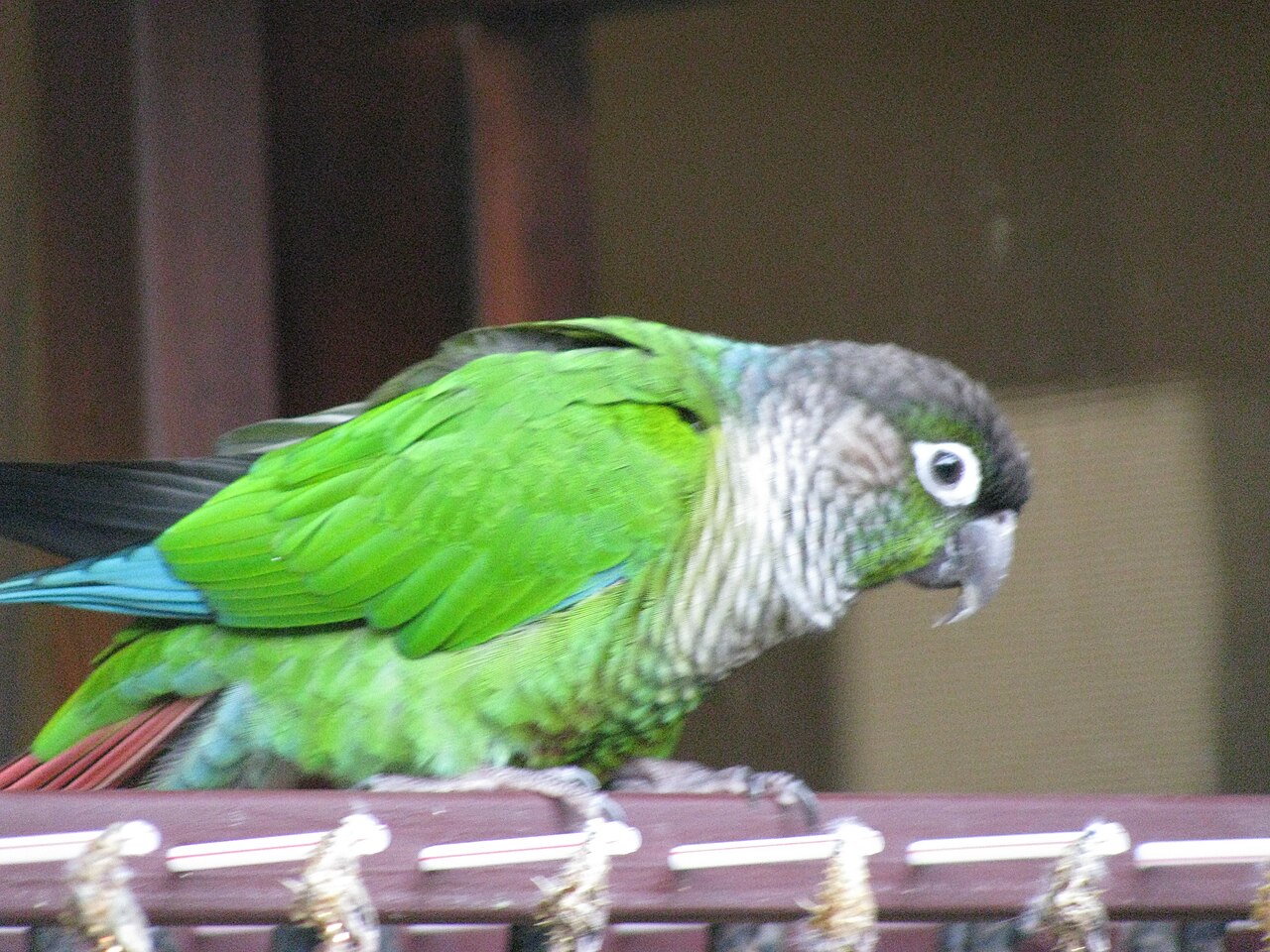
Some can, but poorly. A motivated green-cheek learns maybe 10 to 20 words, and the voice is raspy and quiet rather than clear. Plenty of pineapples never say anything at all, and no amount of training reliably changes that.
If speech is the point, this is the wrong bird. A budgie of the kind covered in our guide to the parakeet out-talks a green-cheek routinely, and an African grey is in another category altogether. Buy a pineapple conure for the personality, and treat any words it picks up as a bonus.
What they do well is mimic household sounds: microwave beeps, a whistle, a phone buzz. Repeat one short phrase at the same moment each day if you want to try, and stop expecting results after six months.
How Much Does a Pineapple Green Cheek Conure Cost?
In the US a hand-fed pineapple green-cheek conure usually runs $400 to $700 from a breeder, with pet stores at the upper end or above it. Plain green-cheeks start lower, around $300 to $450, so the morph carries a premium of roughly $100 to $250.
The bird is the small part of the bill. A properly sized cage is $150 to $350, and an avian vet workup in the first month runs $100 to $250. Budget another $300 to $600 a year for pellets, fresh produce, and the toys a conure destroys on schedule.
Combination morphs cost more. A turquoise pineapple or a high-red pineapple can reach $800 to $1,200 because the breeder needed several generations of pairings to get there.
Are Pineapple Conures Rare?
Not anymore. Pineapples were genuinely scarce in the 1990s when the yellow-sided and cinnamon lines were first combined, and the price reflected it. Today they are a standard offering at most green-cheek breeders in North America and Europe.
They are still less common than plain green-cheeks, because producing them needs both mutations in the pairing rather than one. That is a supply question, not a rarity in the biological sense, and it is why the premium sits at a couple of hundred dollars rather than thousands.
Pineapple Conure Lifespan and Common Health Problems
A well-kept pineapple conure lives 20 to 30 years, and 25 is a fair planning number. That is long for a bird this size and it is the single fact most often glossed over at the point of sale, so it is worth comparing against the ranges in our overview of bird lifespan before committing.
The problems that shorten those years are mostly diet and boredom. A seed-only diet produces obesity and fatty liver disease. Too little stimulation produces feather destructive behavior, which starts on the chest and is far easier to prevent than to reverse.
The infectious risks worth knowing are psittacine beak and feather disease, proventricular dilatation disease, and aspergillosis from damp bedding. Birds hide illness until they cannot, so a fluffed, quiet conure is an urgent case, not a tired one. The ASPCA bird care guidance is a reasonable starting point for household hazards.
Cage, Diet and Daily Care
Minimum cage size for a single green-cheek is 24 x 24 x 30 inches (61 x 61 x 76 cm) with bar spacing of 1/2 to 5/8 in (13 to 16 mm). Wider beats taller, because conures move sideways more than they hover. Use at least three perch diameters to keep the feet healthy.
Feed a formulated pellet as 60 to 70 percent of the diet and fill the rest with fresh vegetables, a little fruit, and sprouted seed. Avocado, chocolate, caffeine, alcohol, onion, and anything cooked in a nonstick pan are the classic killers. Fumes from overheated PTFE cookware can kill a bird in the next room within minutes.
Daily needs are simple and non-negotiable: 10 to 12 hours of dark quiet sleep, a shallow bath or a misting, fresh water twice, and real interaction. A conure that gets its social time in the evening will settle; one that does not will scream for it.
What Not to Do With Conures
Do not punish biting by yelling or by dropping the bird, because both read as reward or as threat and neither teaches anything. Put the bird down calmly, walk away for two minutes, and come back. Consistency is the whole method.
Do not let a conure roam an unsupervised room. Open toilets, ceiling fans, hot pans, other pets, and the gap behind a refrigerator account for most preventable deaths. Do not clip a wing on impulse either; a badly clipped bird crashes and breaks a keel.
Finally, do not keep a single conure on four hours of contact a week and expect it to stay stable. Solitude is the root cause behind most of the screaming and plucking cases that end with the bird being rehomed.
Pineapple Conure vs Sun Conure and Other Morphs
A sun conure (Aratinga solstitialis) is a different species: bigger at about 12 inches, far louder, and brilliant yellow-orange over its whole body. If noise matters in your building, the pineapple green-cheek wins that comparison without argument.
Within the green-cheek morphs, the pineapple sits between the yellow-sided, which keeps a dark head, and the cinnamon, which keeps a duller chest. Turquoise replaces green with blue-grey, and a turquoise pineapple combines both effects for a pastel bird. All of them are one species, and a mixed group is still just a group of parrots of the same kind.
Red factor birds are selectively bred rather than a single mutation, so the amount of red varies bird to bird. Judge the individual in front of you, not the label on the cage card.
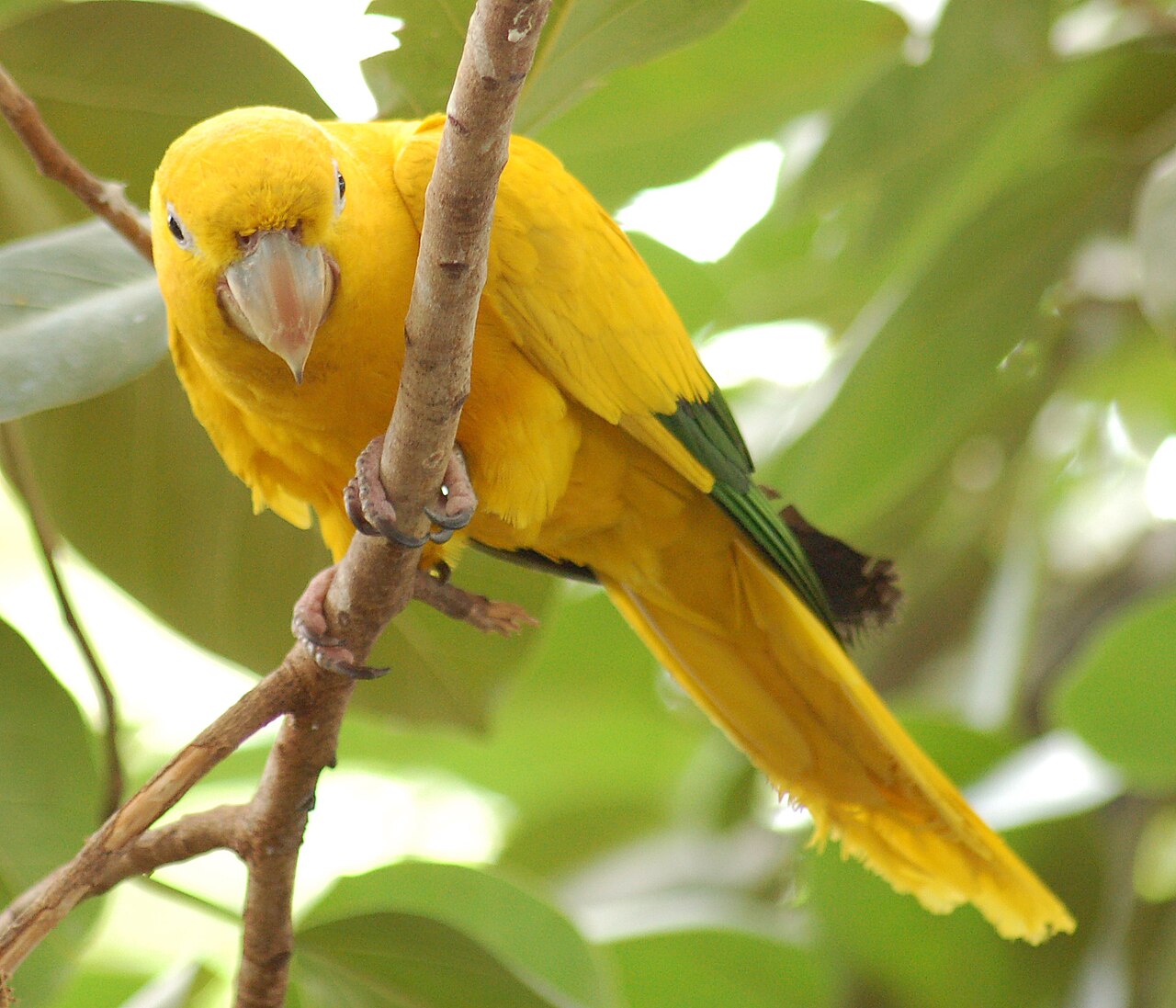
Related reading: Golden Conure.
Frequently Asked Questions
Do conures pick one person?
Often, yes. Green-cheeks commonly bond hardest with one household member and may nip others, especially once they hit sexual maturity at around one year. The fix is preventive: have everyone in the home handle and feed the bird from week one, and keep those sessions going after the bond forms.
Do conures recognize their owners?
Yes. Parrots recognize individual faces and voices, and a green-cheek will greet a familiar person from across a room while ignoring a stranger doing the same thing. That recognition survives absences of several weeks, which is why rehomed conures often need a month to settle rather than starting over.
Is it better to have 1 or 2 green cheek conures?
One if you want a bird that is tightly bonded to you, two if the cage is regularly empty during the day. A pair keeps each other occupied and screams less from loneliness, but they usually bond to each other and become less interested in handling. Choose based on your schedule, not on guilt.
What is a red factor pineapple conure?
It is a pineapple that has been selectively bred over generations for extra red pigment across the chest and flanks. Red factor is not a single inherited mutation with a clean on and off switch, so siblings vary. Expect to pay more and to see the color deepen through the first two molts.
Where do pineapple conures come from?
The wild green-cheek conure lives in west-central Brazil, Bolivia, Paraguay, and northern Argentina, in forest and woodland edge. The pineapple morph itself does not occur there. It was produced in captivity by aviculturists, and every pineapple sold in the US is captive bred rather than imported.
Can you tell male and female pineapple conures apart?
Not by looking. Green-cheek conures are not sexually dimorphic, so males and females share the same coloring and size, and the cinnamon component does not change that. A DNA test from a feather or a blood spot costs about $20 to $30 and is the only reliable answer, which matters if you plan to pair birds. Young cockatiel chicks are easier in that respect.