Parakeet: Care, Cage, Diet, and What to Expect
A parakeet is any small to medium parrot with a long tapering tail, but in the United States the word almost always means the budgerigar, a seven-inch Australian parrot that is the most widely kept pet bird in the world. Budgies live five to ten years with good care, need a large cage and several hours out of it daily, and do far better in pairs than alone.
They are also consistently underestimated. Parakeets are sold cheaply alongside a cage that is too small, fed a seed diet that shortens their lives, and kept singly in a room where nobody interacts with them, and none of that reflects what the bird actually needs. This guide covers whether one is right for you, cage and diet requirements, one bird or two, talking, and lifespan.
A parakeet in American usage means a budgerigar, a seven-inch Australian parrot and the world’s most popular pet bird. They live five to ten years, need a cage at least 30 inches wide, several hours outside it daily, a pellet-based diet rather than seed, and company. A single bird needs several hours of human interaction a day.
| Feature | Parakeet (Budgerigar) |
|---|---|
| Length | About 7 in including tail |
| Lifespan | 5 to 10 years; 15+ with excellent care |
| Minimum cage | 30 x 18 x 18 in for one; larger for two |
| Out-of-cage time | 2 to 4 hours daily |
| Diet base | Pellets plus fresh vegetables, not seed |
| Company | Pairs strongly preferred |
| Talking | Males often learn dozens of words |
What Is a Parakeet?
Technically, parakeet is a loose term for dozens of small parrot species with long pointed tails, including Indian ringnecks, monk parakeets, and lineolated parakeets. In American pet shops it means one species: the budgerigar, Melopsittacus undulatus, native to the arid interior of Australia.
In Britain and Australia the same bird is called a budgie, and parakeet refers to the wider group, which is why online advice can be confusing. If you bought a small green or blue bird with a striped head from a general pet shop, it is a budgie.
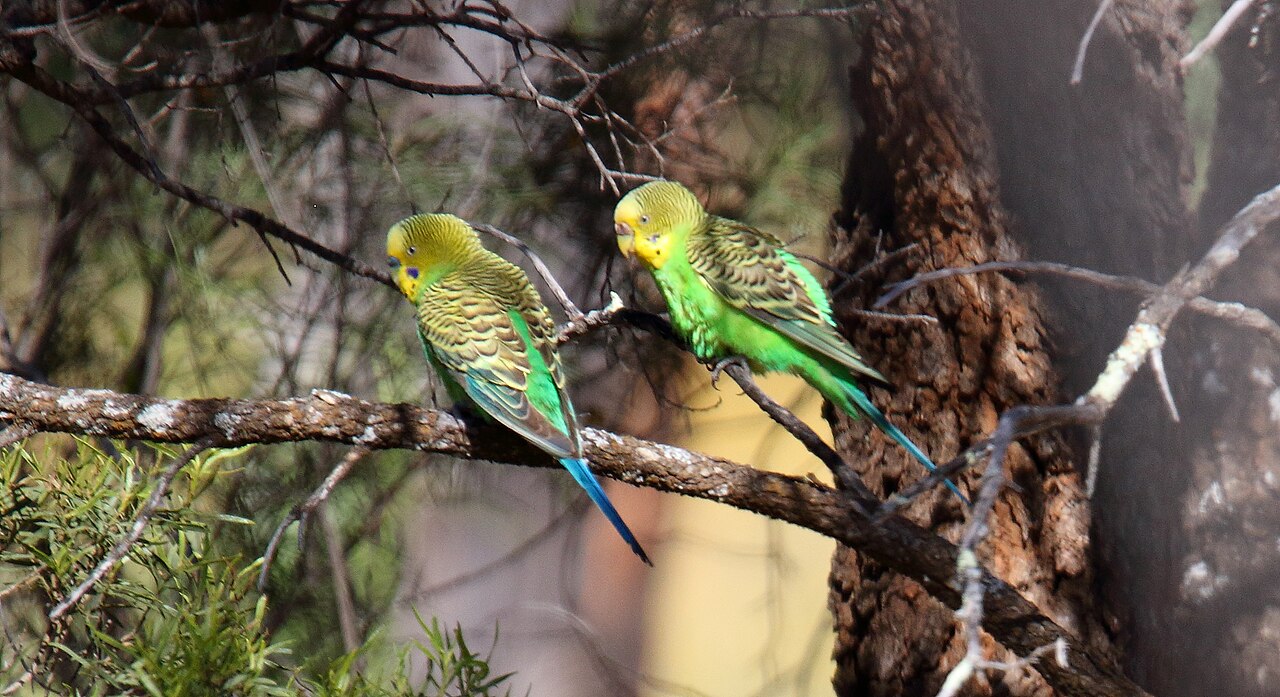
Wild budgerigars are green and yellow with black barring on the head and back, and they move across the Australian interior in flocks of hundreds following rainfall. Every colour variety in the pet trade, including blue, white, yellow, grey, and pied, descends from that wild form through selective breeding since the 1840s. The baby cockatoo guide covers what hand-rearing involves at the other end of the parrot scale.
Is a Parakeet a Good Pet?
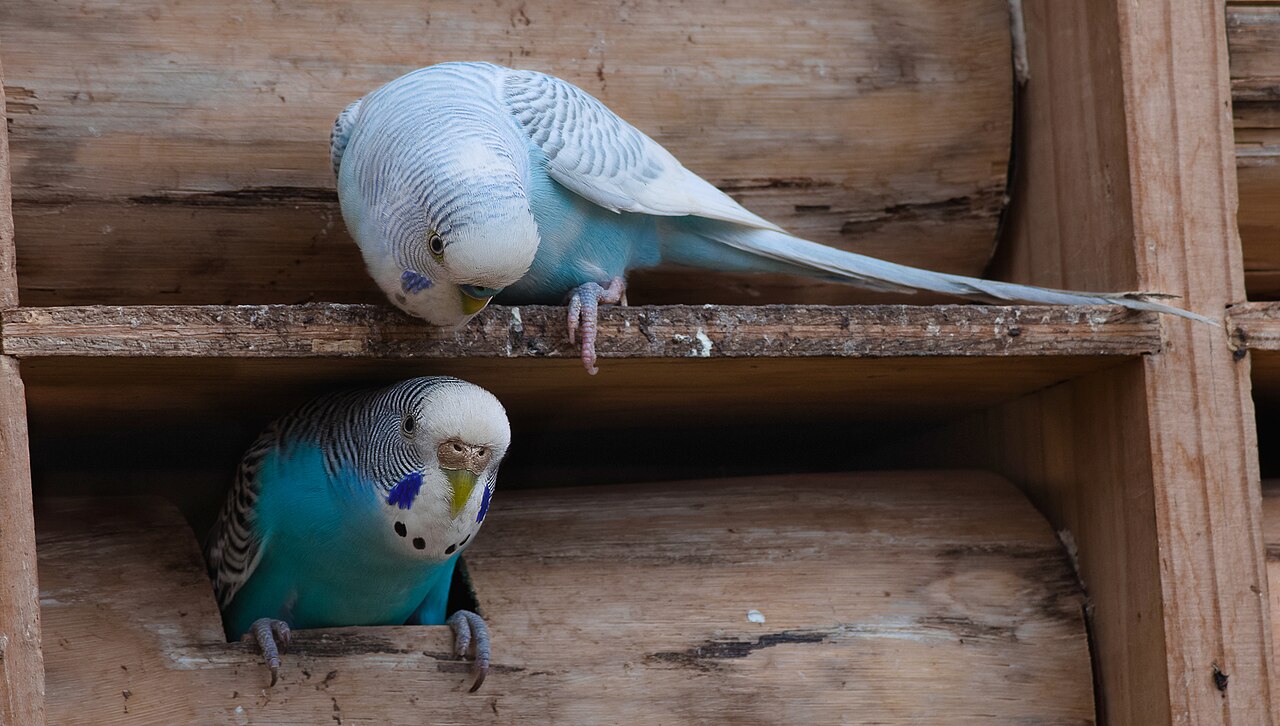
Yes, for the right household, and they are genuinely one of the better first birds. They are small, comparatively quiet by parrot standards, inexpensive to feed, sociable, and capable of becoming affectionate and hand-tame with consistent daily handling.
The honest drawbacks are noise, mess, and time. Budgies chatter almost continuously through daylight hours, scatter seed husks and feather dust, and need several hours of attention or company every single day. They also live five to ten years, which is longer than most people expect from a cheap pet.
They are a poor fit for households that are out all day with a single bird, for anyone who wants a quiet room, and for people expecting a low-maintenance pet. Bird dust is also a genuine issue for people with respiratory sensitivity. Where they excel is with someone at home regularly who wants an interactive animal that does not need walking. The cockatiel guide covers the next size up.
Should You Get One Parakeet or Two?
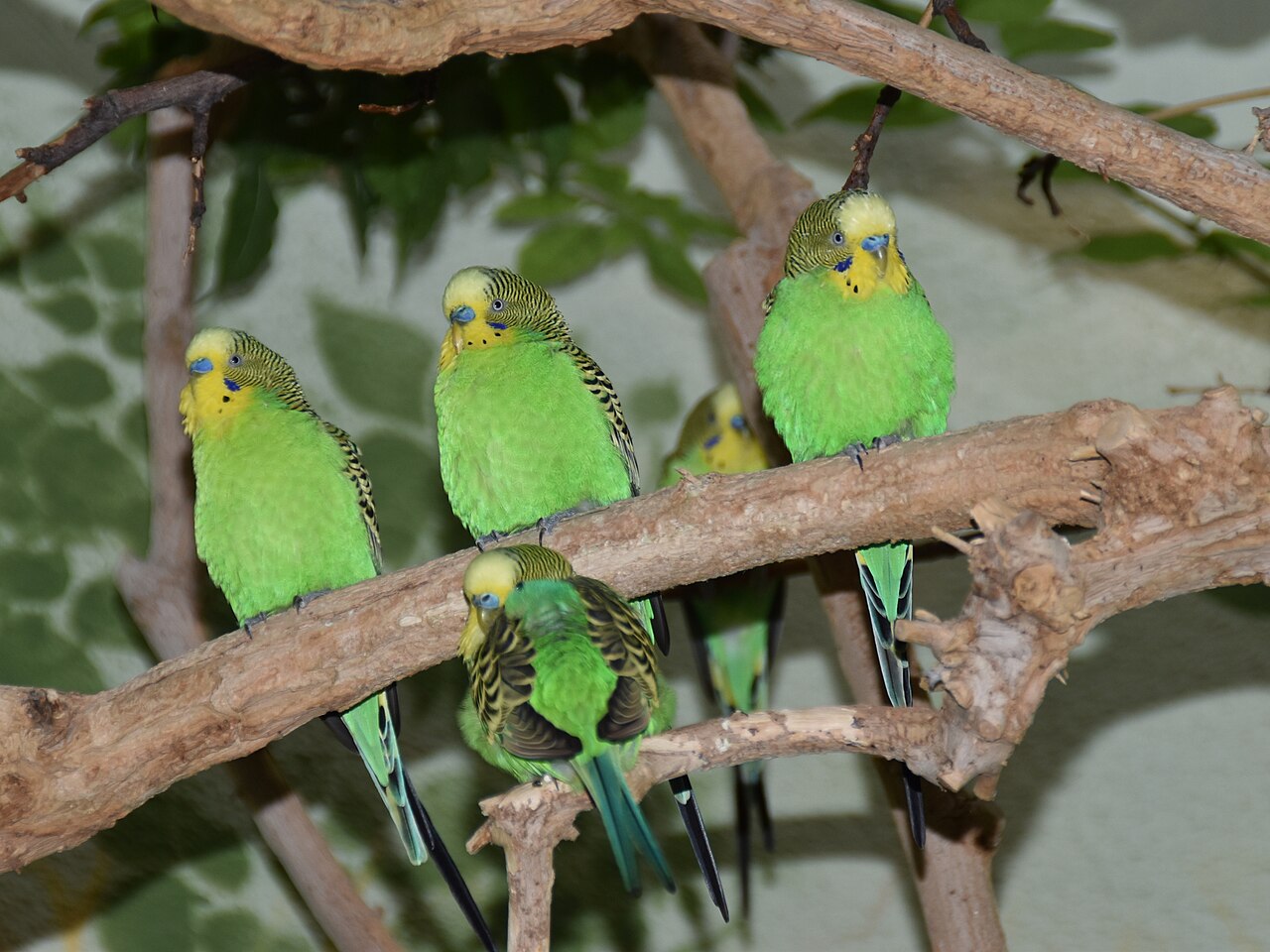
Two, unless you are certain you can give a single bird several hours of direct interaction every day. Budgerigars are flock animals that never occur alone in the wild, and a solitary bird in an empty room is a genuinely deprived animal, prone to screaming, feather plucking, and repetitive behaviours.
The common objection is that a pair will bond to each other and not to people, and there is something in it: a single bird given daily attention usually becomes tamer faster. But a pair can still be tamed with consistent handling, and the trade-off is between a slightly less clingy bird and a bird that is alone for eight hours a day.
Two males generally coexist most peacefully. Two females can be territorial, and a mixed pair will attempt to breed, which brings egg-laying complications and should only be undertaken deliberately. Introduce new birds gradually in separate cages, with a quarantine period of at least thirty days for a bird from a new source.
What Size Cage Does a Parakeet Need?
Bigger than almost everything sold as a parakeet cage. The practical minimum for one bird is around 30 inches wide, 18 deep, and 18 high, and horizontal space matters far more than height because budgies fly across rather than up. For two birds, larger again.
Bar spacing should be half an inch or less so heads cannot get through, and horizontal bars on at least two sides let birds climb. Round cages are best avoided; they give a bird no corner to feel secure in and less usable flight space for the same footprint.
Inside, use perches of varying diameter and texture, including natural wood branches, rather than the identical dowels supplied with most cages, since a bird standing on the same diameter perch permanently develops foot problems. Sandpaper perch covers cause sores and should not be used. Provide shreddable and foraging toys and rotate them, and site the cage against a wall at chest height in a room the household uses. The baby parrot guide covers housing across species.
What Should a Parakeet Eat?
Pellets as the base, not seed. An all-seed diet is the most common cause of shortened life in pet budgies, producing obesity, fatty liver disease, and vitamin A deficiency, because birds selectively eat the fattiest seeds and leave the rest. A quality small-parrot pellet should make up roughly 60 to 70 percent of intake.
Fresh vegetables make up most of the remainder: dark leafy greens, broccoli, carrot, bell pepper, peas, sweetcorn, and sprouted seed. Fruit in small amounts as a treat. Millet spray is useful for taming and training but is a treat rather than a food, and it is the item most often overfed.
Converting a seed-addicted bird to pellets takes patience and can take weeks. Mix pellets into the seed and gradually shift the ratio, never remove seed abruptly, and monitor weight, because a bird that stops eating during a conversion can deteriorate within days. Avoid avocado, chocolate, caffeine, alcohol, onion, garlic, apple seeds, and anything salted. Cuttlebone and a mineral block should always be available.
Do Parakeets Talk?
Many do, and better than their size suggests. Male budgerigars are among the best talking birds in relation to body size, and individuals have learned hundreds of words, with the record-holder credited with over 1,700. The voice is fast, high-pitched, and often mumbled, which is why people miss it.
Males talk far more than females, and single birds learn more readily than pairs, since a bird with a companion has less reason to imitate its human flock. Consistency matters more than technique: repeating the same short phrase at the same time each day works better than long sessions.
Not every bird talks, and it should not be the reason for getting one. Tameness, which is what most owners actually want, comes from daily gentle handling from a young age, starting with a hand in the cage without grabbing, then a finger under the chest, and always ending the session before the bird becomes stressed. The female cockatiel guide covers the same sex difference in a related species.
How Long Do Parakeets Live?
Five to ten years typically, with well-kept birds reaching twelve to fifteen and occasional individuals passing twenty. That is substantially longer than most buyers expect, and the shortfall between typical and possible is almost entirely diet and housing.
The common causes of early death are avoidable. All-seed diets cause fatty liver disease, undersized cages and lack of flight cause obesity and muscle wastage, and non-stick cookware fumes kill birds within minutes at temperatures reached in normal cooking. Ceiling fans, open water, other pets, and open windows account for most accidental deaths.
Birds hide illness until it is advanced, which is a survival trait and a serious problem in captivity. Fluffed feathers, sitting on the cage floor, tail bobbing, discharge from nostrils, and any change in droppings all warrant an avian vet promptly rather than waiting. Establishing a relationship with an avian vet before you need one is worth doing, since general small-animal practices often cannot treat birds.
Will a Parakeet Fly Away?
Yes, if it gets outside, and almost certainly permanently. A budgie that escapes cannot find its way home, has no survival skills, and in most of North America cannot survive the climate or the predators. Escapes are the single most common way pet budgies are lost.
The prevention is procedural rather than physical. Keep windows and exterior doors closed whenever the bird is out, use a two-door system if possible, and never take a bird outside on a shoulder or an unsecured hand, even a tame one, since a startled bird flies first and thinks later.
Wing clipping is contentious. It reduces escape risk but also removes flight, which is a bird’s primary exercise, defence, and source of confidence, and badly done clips cause crash landings and injuries. Many avian vets now advise against routine clipping in favour of a securely managed environment. If clipping is done, it should be by a vet or experienced keeper, symmetrically, and never on a young bird still learning to fly. The RSPCA and avian veterinary associations publish current guidance.
How Much Does a Parakeet Cost?
The bird is the cheap part. A budgie typically costs 20 to 50 dollars from a pet shop and somewhat more from a breeder, and English budgies, the larger show type, run higher. That price is what leads people to underestimate the commitment.
Setup is where the real cost sits. An adequately sized cage runs 100 to 250 dollars, plus perches, toys, food and water dishes, a play stand, and a travel carrier, so a realistic starting figure is 200 to 400 dollars for one or two birds properly housed.
Ongoing costs are modest, with pellets, fresh vegetables, and replacement toys running perhaps 20 to 40 dollars a month, but avian veterinary care is not cheap and is not optional. A single consultation runs 50 to 150 dollars and treatment considerably more, and budgies are prone to tumours, which are common in the species and often need investigation. The guinea pig guide covers a comparable first pet with a very different set of costs.
Related reading: Cockatiel Care Guide.
Related reading: Pineapple Conure.
Related reading: Sun Conure.
Related reading: Quaker Parrot.
Related reading: Umbrella Cockatoo.
Related reading: Caique Parrot Care.
Frequently Asked Questions
What is a parakeet?
In American usage, a budgerigar: a seven-inch Australian parrot and the most widely kept pet bird in the world. Elsewhere parakeet refers to dozens of small long-tailed parrot species.
Is a parakeet a good pet?
Yes for a household that is home regularly. They are sociable, inexpensive to feed, and can become affectionate, but they chatter constantly, produce dust, and need hours of company daily.
Should I get one parakeet or two?
Two, unless you can give a single bird several hours of direct interaction every day. Budgies are flock animals and a bird alone all day is genuinely deprived. Two males coexist most peacefully.
What size cage does a parakeet need?
At least 30 by 18 by 18 inches for one bird, with horizontal space mattering more than height and bar spacing half an inch or less. Most cages sold as parakeet cages are too small.
What should parakeets eat?
Pellets as roughly 60 to 70 percent of the diet, plus fresh vegetables and small amounts of fruit. All-seed diets cause fatty liver disease and are the leading cause of shortened lifespan.
Do parakeets talk?
Many males do, and some learn hundreds of words in a fast high-pitched voice. Females rarely talk, and single birds learn more readily than pairs. Not every bird will.
How long do parakeets live?
Five to ten years typically, and twelve to fifteen with excellent care. The gap between typical and possible comes down almost entirely to diet, cage size, and avoiding household hazards.

Similar Posts
Baby Cockatoo: Stages, Nest Life, and How to Age One
A baby cockatoo hatches blind and nearly naked, then stays hidden in a tree hollow for 7 to 15 weeks. Growth stages, feeding, and how to tell a young bird from an adult.
Baby Parrot: Development, Cost, and Why Not to Hand-Feed
A baby parrot is called a chick and needs weeks to months before weaning. Realistic costs, why buying unweaned chicks is dangerous, and what a parrot really commits you to.
Baby Cockatiel: Hand-Feeding vs Parent-Raised Chicks
A baby cockatiel is a chick fed crop milk by both parents until fledging at 4-5 weeks. Hand-raised vs parent-raised differences and basic chick care explained.
Baby Macaw: Development, Cost, and What Ownership Means
A baby macaw hatches naked at 20 g and stays in the nest 90 to 110 days. Development stages, real costs, legal status, and the decades-long commitment involved.
Cockatiel Care Guide: Personality, Diet, Cost and Lifespan
Everything to know before getting a cockatiel: temperament, the 3-3-3 rule, diet, cage setup, cost, and common health issues.
Female Cockatiel: How to Tell, and What to Expect
A female cockatiel has tail barring and a grey face, but colour mutations hide it entirely. How to sex one, why egg laying is the main health risk, and how she differs from a male.