Female Cockatiel: How to Tell, and What to Expect
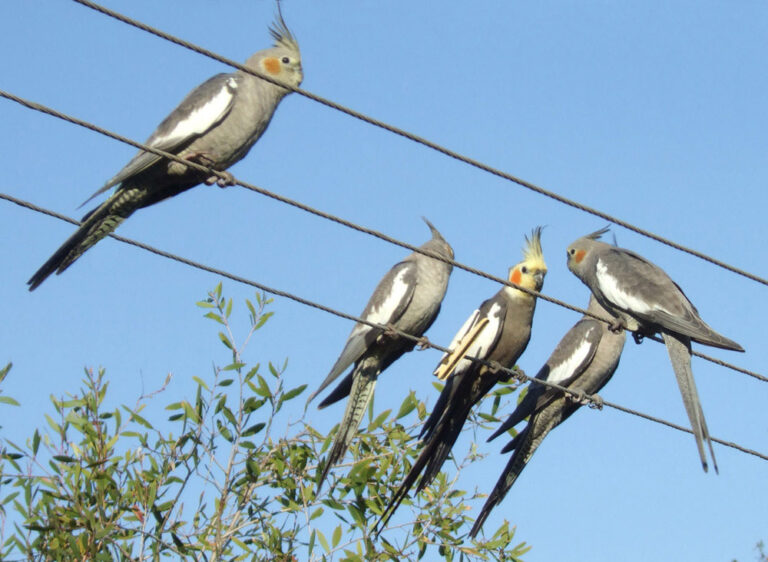
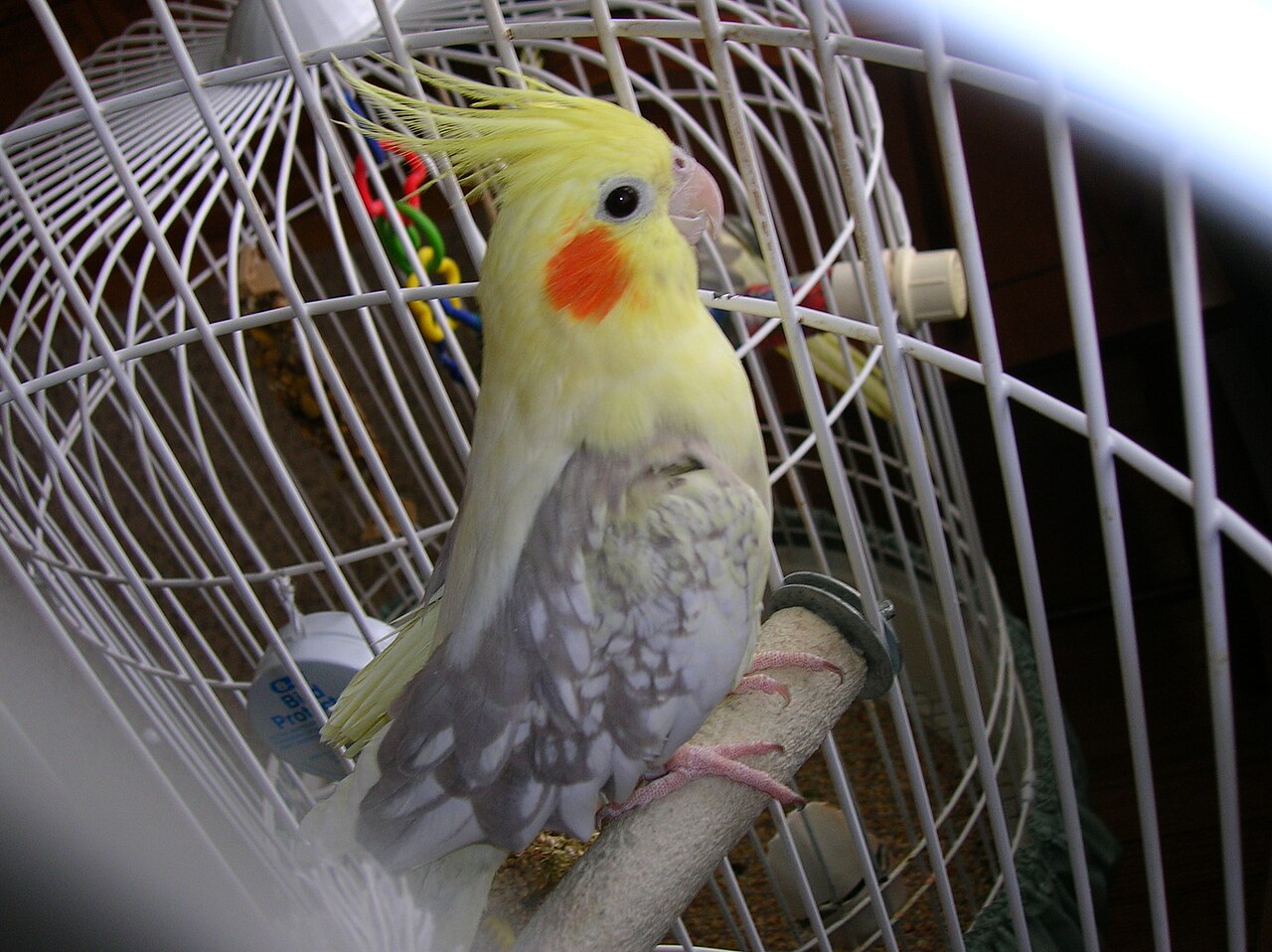
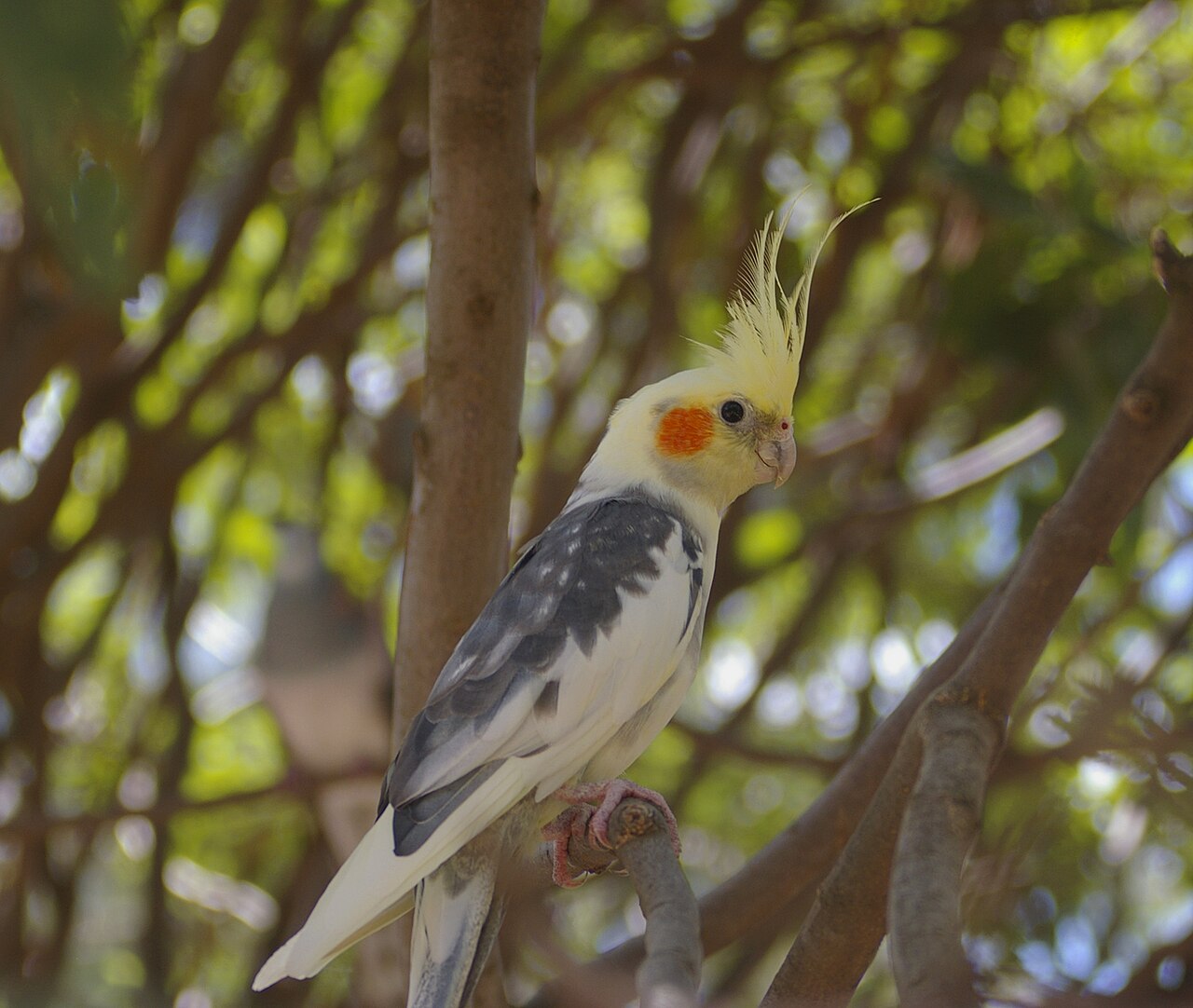
A female cockatiel of the normal grey variety has a dull yellow-grey face rather than the male’s bright yellow one, a paler orange cheek patch, and barred yellow markings on the underside of the tail feathers along with pale spots on the underside of the flight feathers. Those tail bars are the most reliable visual sign, and they are visible from below on a perched bird.
The catch is that colour mutations break the rule entirely. In lutino, pied, whiteface, albino, and several other mutations, males and females look identical, and DNA testing or an egg is the only way to be sure. This guide covers visual sexing, when it becomes possible, behavioural differences, egg laying, and whether a female makes a better pet.
A female normal grey cockatiel has a grey-yellow face, a duller orange cheek patch, and yellow barring on the underside of the tail plus spots under the wings. Males have a bright yellow face and plain tail undersides after their first moult at six to nine months. In lutino, pied, and whiteface mutations the sexes look alike and DNA testing is needed.
| Feature | Female Cockatiel (Normal Grey) |
|---|---|
| Face | Grey with dull yellow wash |
| Cheek patch | Duller, paler orange |
| Tail underside | Yellow and grey barring |
| Wing underside | Pale spots on flight feathers |
| Visible from | First moult, 6 to 9 months |
| Vocal ability | Quieter; rarely whistles tunes or talks |
| Mutations | Lutino, pied, whiteface: not visually sexable |
How Can You Tell a Female Cockatiel?
Look at the underside of the tail first. A female normal grey cockatiel has horizontal yellow and grey barring running across the underside of the tail feathers, and pale yellow or white spots on the undersides of the flight feathers. Adult males lose both after their first moult and show plain dark grey undersides.
The face is the second check. Adult males develop a bright, clean yellow face and crest with a vivid orange cheek patch; females keep a mostly grey face with a dull yellow wash and a paler, muddier orange cheek. The difference is obvious side by side and less obvious on a single bird.
Both signs only appear after the first moult, at roughly six to nine months. Before that, all juveniles look like females, including young males, which is why so many birds are sold with the wrong sex on the paperwork. A young bird described confidently as male at three months has been guessed at. The baby cockatiel guide covers the juvenile stage.
Why Can’t You Sex Some Cockatiels Visually?
Because the mutation removes the markings the method depends on. Lutino cockatiels are yellow and white with no grey at all, so there is no barring to read; whiteface birds lack the yellow and orange pigment entirely; pied birds have irregular patches that scramble the pattern; and albino birds have neither pigment nor pattern.
Pearl is the partial exception and works in reverse. Male pearls lose their pearl markings at the first moult and become plain grey, while females keep them for life, so an adult bird still showing pearling is female. That is the one mutation where visual sexing becomes easier rather than harder.
For everything else, DNA sexing is the answer. A few plucked chest feathers or a drop of blood sent to a lab returns a result in days for a modest fee, and it is accurate and non-invasive. Surgical sexing exists but is unnecessary for a pet bird. The alternative is waiting: a bird that lays an egg is definitively female.
How Do Female Cockatiels Act?
Generally quieter and less performative than males. Male cockatiels whistle elaborate tunes, mimic sounds, strut with wings held out in a heart shape, tap their beaks on surfaces, and vocalise loudly to draw attention. Females do far less of all of that.
Females do vocalise, but the repertoire is smaller. They give contact calls, hisses, and simple whistles, and some learn a few phrases or short tunes, but the elaborate singing and mimicry seen in males is largely absent. A quiet cockatiel that never whistles a melody is more likely female than badly socialised.
Temperament differences are less clear-cut than the internet suggests. Individual personality matters far more than sex, and plenty of females are bold, affectionate, and interactive while plenty of males are shy. Hand-raising, early socialisation, and daily interaction predict tameness better than sex does. The baby parrot guide covers what shapes temperament in young parrots.
Can a Female Cockatiel Lay Eggs Without a Male?
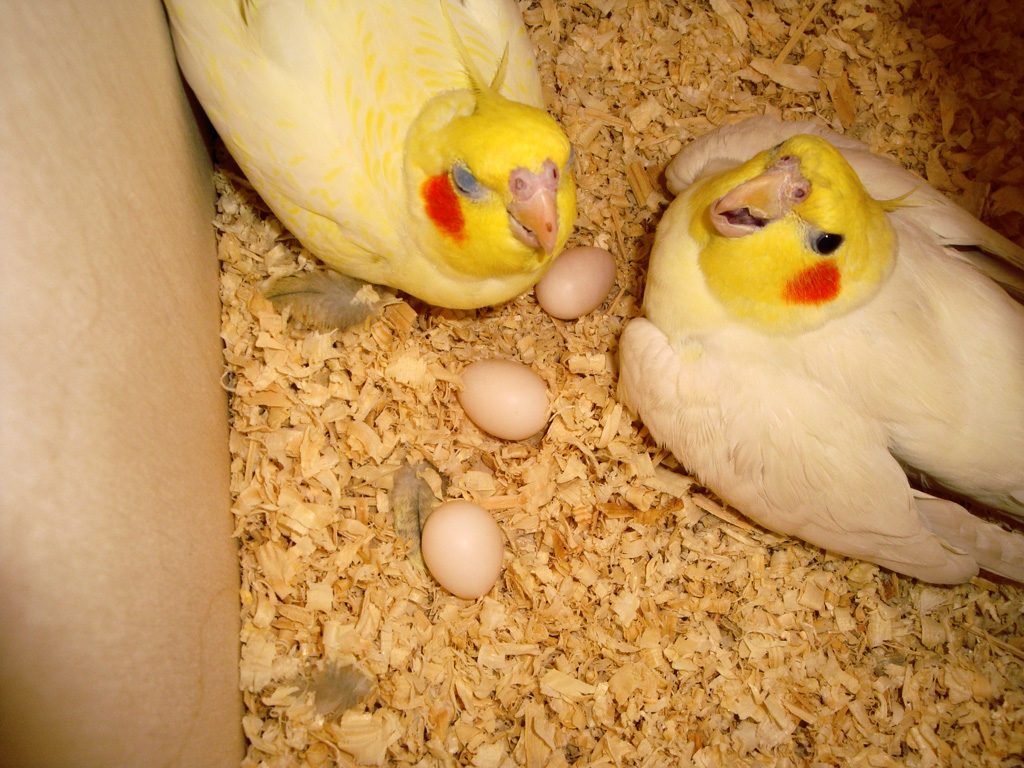
Yes, and it is one of the most common health problems in pet cockatiels. A female will produce eggs without any male present, exactly as a hen does, and the eggs are simply infertile. The issue is not the egg but the frequency.
Chronic egg laying is the real risk. A hen that lays clutch after clutch depletes her calcium reserves and can develop egg binding, in which an egg becomes stuck in the reproductive tract, and that is a genuine emergency. Signs include straining, sitting fluffed on the cage floor, tail bobbing, and a swollen abdomen, and an egg-bound bird needs an avian vet the same day.
Prevention is mostly environmental. Reduce daylight to about ten to twelve hours with a cage cover, remove nest-like sites including boxes, tents, dark corners, and paper to shred, avoid petting along the back and under the wings which triggers hormonal behaviour, cut back on warm soft foods, and rearrange the cage periodically. Cuttlebone and a mineral block should always be available at all times.
Is It Better to Have a Male or Female Cockatiel?
It depends entirely on what you want from the bird. Males are louder, more vocal, more likely to whistle tunes and mimic sounds, and more inclined to display and perform. If you want a bird that whistles back at you, a male is much more likely to deliver.
Females are quieter, which suits apartments and shared households, and many owners find them calmer and more inclined to sit companionably rather than demanding attention. The trade-off is the egg laying risk, which males do not have, and which is the single most common reason a female cockatiel needs a vet.
For a first bird, the honest answer is that either works and individual temperament matters more. What matters far more than sex is buying a fully weaned bird from a good source, spending time with it daily, and providing a large enough cage with real enrichment. A well-socialised cockatiel of either sex is an excellent pet.
Do Female Cockatiels Talk?
Rarely, and less clearly than males. Cockatiels are not strong talkers in general compared with African greys or budgerigars, and within the species the vocal learning is heavily skewed toward males, who use song and mimicry as a courtship display.
Some females do learn words or short whistles, particularly those kept alone with a lot of human interaction, but they are the exception. A female that whistles the first bars of a tune is doing something notable; a male that does the same is doing what males do.
Both sexes produce the full range of non-song vocalisations: the loud contact call given when a bird cannot see its person, the hiss when threatened, beak grinding when content and settling to sleep, and various chirps and chatter. The contact call is the loud one, and it is the noise complaint that comes with the species regardless of sex.
How Long Do Female Cockatiels Live?
Fifteen to twenty-five years with good care, and individuals have reached into their thirties. That is a long commitment for a bird sold cheaply in general pet shops, and it is the fact most often underestimated by first-time buyers.
Diet drives most of the difference. An all-seed diet causes obesity, fatty liver disease, and vitamin A deficiency and shortens life substantially, and the fix is a quality pellet as the base with fresh vegetables, leafy greens, and limited seed as a treat. Cockatiels are notoriously resistant to converting from seed, and it takes patience rather than force. The baby cockatoo guide covers a larger relative with the same dietary pitfalls.
Chronic egg laying shortens female lifespan specifically, through calcium depletion and the risk of egg binding, which is another reason the environmental controls above matter. Other common threats are non-stick cookware fumes, which kill birds within minutes, ceiling fans, open water, and other pets. Avian vets and organisations such as the Association of Avian Veterinarians (aav.org) maintain care guidance.
What Does a Female Cockatiel Need?
Space first. A cockatiel needs a cage wide enough to extend both wings fully and move between perches of different diameters and textures, with horizontal space mattering more than height, and several hours out of the cage daily. Cages marketed as cockatiel cages in general pet shops are usually too small.
Enrichment is not optional. Shreddable toys, foraging toys that make the bird work for food, natural branch perches, and rotation of the items to keep them novel all prevent the boredom that leads to screaming and feather plucking. A bird with nothing to destroy will find something.
Sleep matters more than most owners realise. Cockatiels need ten to twelve hours of uninterrupted dark, and a bird kept in a living room with lights and television until midnight is chronically sleep deprived, which shows up as irritability, biting, and in females as hormonal egg laying. A cage cover or a separate sleeping cage in a quiet room solves it.
Company matters too. Cockatiels are flock birds and a single bird needs the household to be its flock, meaning daily interaction rather than occasional attention. Two birds keep each other company but may bond to each other rather than to people, which is a genuine trade-off rather than a strictly better option. The female peacock guide covers sexing in another species where the male gets all the attention. The female bluebird guide covers sexing in a wild species by comparison.
Frequently Asked Questions
How can you tell a female cockatiel?
Yellow and grey barring on the underside of the tail and pale spots under the flight feathers, plus a grey rather than bright yellow face and a duller orange cheek patch. Visible after the first moult.
At what age can you sex a cockatiel?
Six to nine months, after the first moult. Before that all juveniles look female, including young males, which is why so many birds are sold with the wrong sex recorded.
Why can’t some cockatiels be sexed visually?
Lutino, whiteface, pied, and albino mutations remove the markings the method relies on. DNA sexing from a few feathers is the reliable answer. Pearl is the exception: adult birds keeping pearl markings are female.
Can a female cockatiel lay eggs without a male?
Yes, and the eggs are infertile. The risk is chronic laying, which depletes calcium and can cause egg binding, a same-day emergency. Reduce daylight, remove nest sites, and avoid petting along the back.
How do female cockatiels act?
Generally quieter and less performative than males, with a smaller vocal repertoire and little of the whistling, mimicry, and displaying males do. Individual personality matters more than sex for tameness.
Do female cockatiels talk?
Rarely. Vocal learning in cockatiels is heavily skewed toward males, who use song as courtship. Some females learn a word or short whistle but it is the exception.
Is it better to have a male or female cockatiel?
Males whistle and mimic more; females are quieter but carry the egg laying risk. Either works well, and buying a fully weaned bird and interacting daily matters far more than sex.

Similar Posts
What Is a Group of Parrots Called? Pandemonium and More
A group of parrots is called a pandemonium. Where Milton’s word came from, why parrots genuinely do flock unlike most birds with dramatic names, and how flocks work.
Cockatiel Care Guide: Personality, Diet, Cost and Lifespan
Everything to know before getting a cockatiel: temperament, the 3-3-3 rule, diet, cage setup, cost, and common health issues.
Baby Macaw: Development, Cost, and What Ownership Means
A baby macaw hatches naked at 20 g and stays in the nest 90 to 110 days. Development stages, real costs, legal status, and the decades-long commitment involved.
Baby Cockatoo: Stages, Nest Life, and How to Age One
A baby cockatoo hatches blind and nearly naked, then stays hidden in a tree hollow for 7 to 15 weeks. Growth stages, feeding, and how to tell a young bird from an adult.
Parakeet: Care, Cage, Diet, and What to Expect
In the US a parakeet means a budgerigar. What size cage they actually need, why seed diets shorten their lives, one bird or two, and the real cost of setting up.
Baby Parrot: Development, Cost, and Why Not to Hand-Feed
A baby parrot is called a chick and needs weeks to months before weaning. Realistic costs, why buying unweaned chicks is dangerous, and what a parrot really commits you to.