Female Red-Winged Blackbird: Identification Guide
The female red-winged blackbird looks nothing like the glossy black male, instead resembling a large, heavily streaked brown sparrow with a pale eyebrow. This dramatic difference fools many birdwatchers, who often mistake the streaky brown female for a completely different species. This guide covers what a female red-winged blackbird looks like, how she differs from the male, how to identify her, her behavior and nesting, and where and when to see her.
| Feature | Female Red-Winged Blackbird |
|---|---|
| Color | Streaky brown, sparrow-like |
| Underparts | Heavily streaked |
| Face | Pale eyebrow, dark stripes |
| Bill | Long and pointed |
| Habitat | Marshes and wetlands |
What Does a Female Red-Winged Blackbird Look Like?
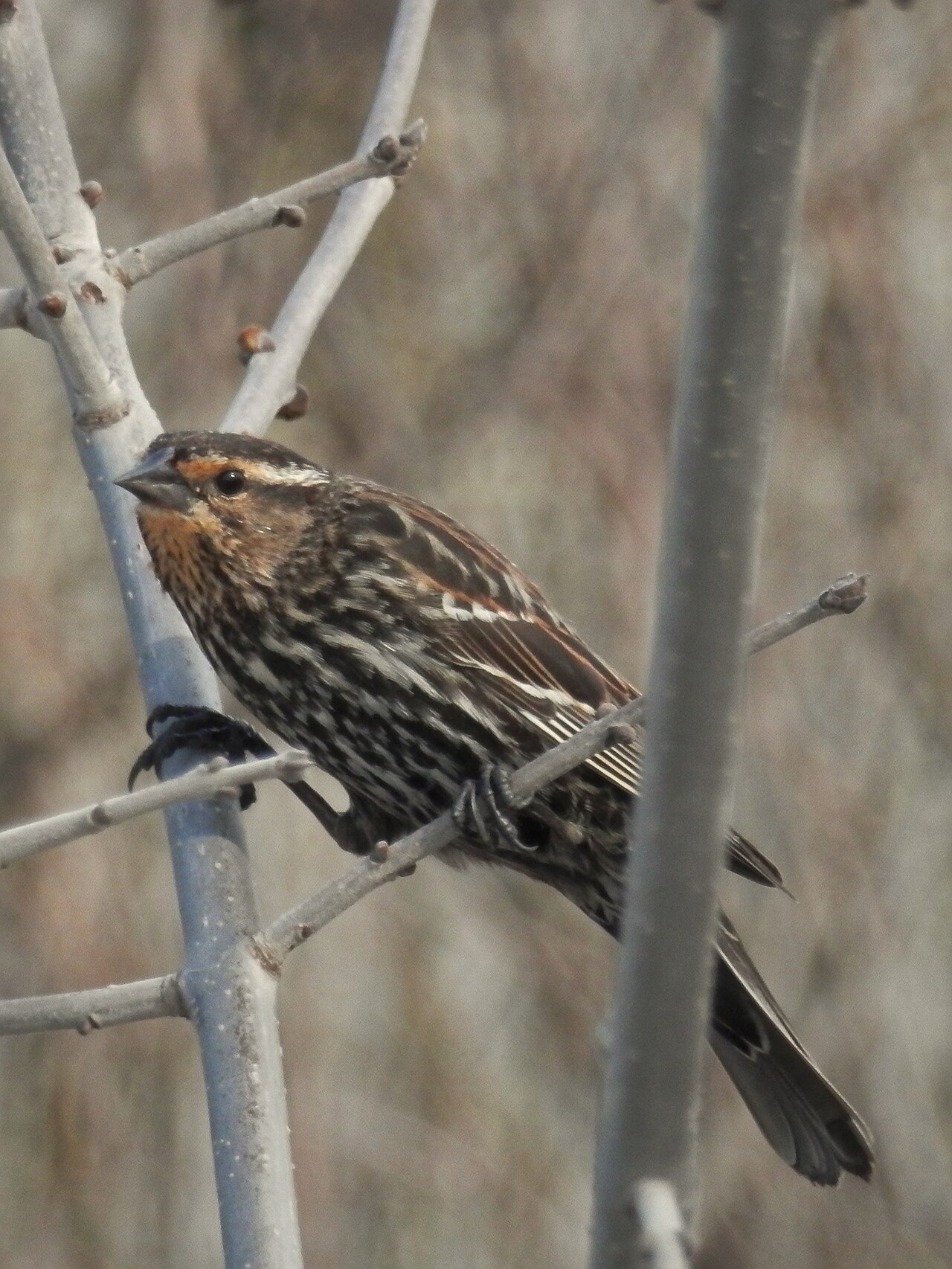
A female red-winged blackbird is a streaky brown bird that looks strikingly different from the familiar jet-black male with his red shoulder patches. She is heavily streaked with brown and buff, especially on her underparts, giving her the overall look of a large sparrow rather than a blackbird. Her face shows a pale eyebrow stripe above the eye and darker markings, and she sometimes has a subtle wash of warm, pinkish-orange color around the face and throat. Her bill is long and sharply pointed, a good clue that separates her from true sparrows. Overall she is well camouflaged in brown tones, perfect for staying hidden among marsh vegetation. This heavy streaking and sparrow-like appearance is exactly why female red-winged blackbirds are so often misidentified, as noted in our guide to backyard birds.
Female vs Male Red-Winged Blackbird
Few North American birds show a more dramatic difference between the sexes than the red-winged blackbird. The male is glossy jet black with brilliant red-and-yellow shoulder patches, called epaulets, that he flashes to defend his territory and attract mates, making him instantly recognizable. The female, by contrast, is brown and heavily streaked, with no black plumage and no red shoulder patches at all, looking so different that she is frequently taken for a sparrow or an entirely different species. This extreme contrast between the bold black male and the camouflaged brown female is one of the most striking examples of sexual dimorphism among common backyard and wetland birds. Knowing to expect two completely different-looking birds is the key to recognizing a female red-winged blackbird when you see one.
How to Identify a Female Red-Winged Blackbird
Identifying a female red-winged blackbird means looking past the sparrow-like first impression and noting a few key features. Start with size and shape: she is noticeably larger and more robust than most sparrows, with a long, pointed, conical bill. Her heavy brown streaking, pale eyebrow, and sometimes a faint warm wash on the face are all helpful clues. Habitat is one of the strongest hints, since red-winged blackbirds are birds of marshes, wetlands, and reedy edges, so a large streaky brown bird in a cattail marsh is very likely a female red-wing. Behavior helps too, as she is often seen near territorial males or perching low in marsh vegetation. Ruling out true sparrows by size and bill shape, and paying attention to the wetland setting, makes identification much more reliable, a habitat-based approach useful for many species you can draw to your yard as covered in our guide to attracting birds.
Female Red-Winged Blackbird Behavior and Nesting
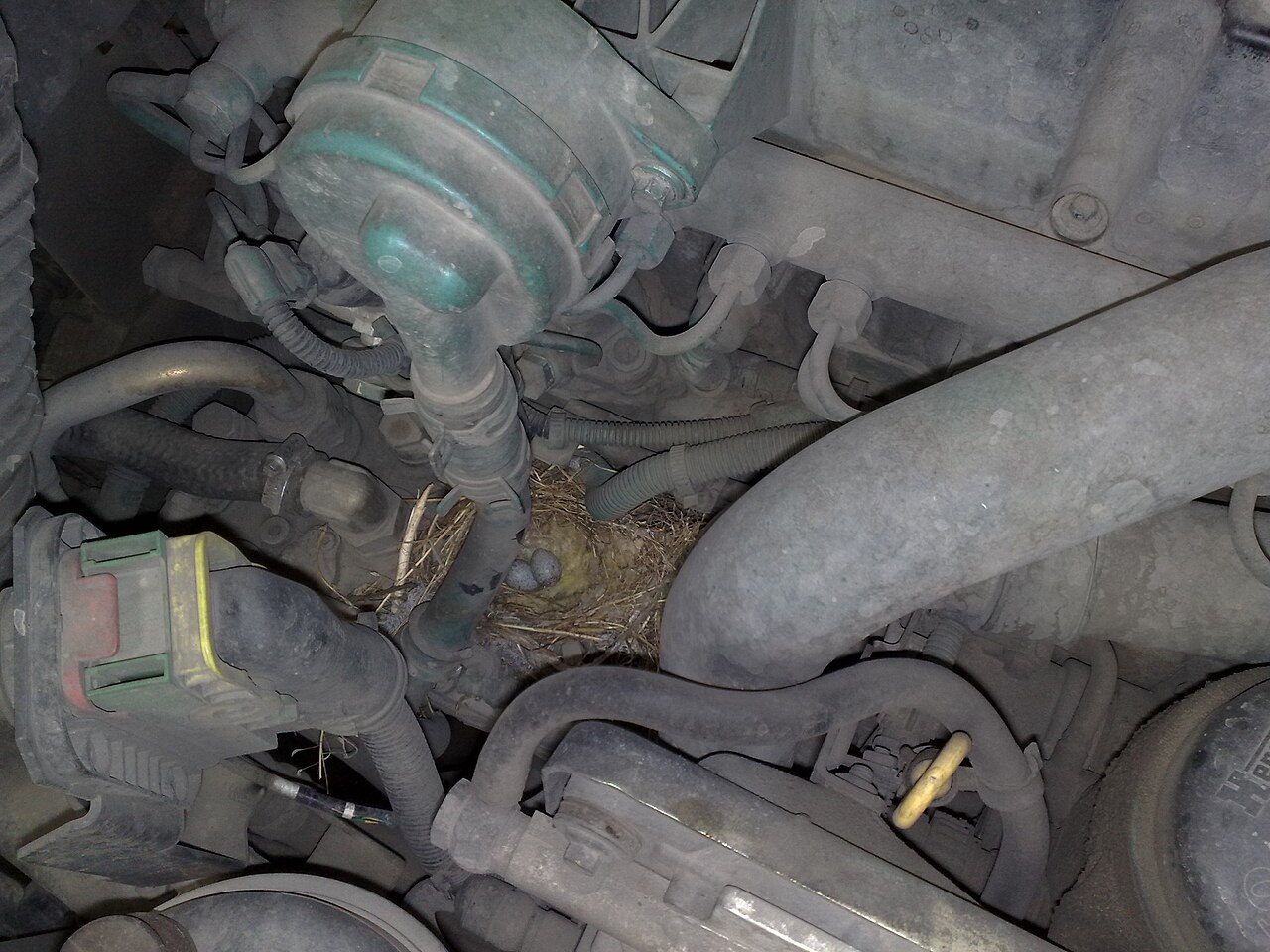
The female red-winged blackbird has a fascinating role in the species’ unusual breeding system. Male red-winged blackbirds are polygynous, meaning a single male often defends a territory containing several females, and each female builds her own nest and raises her own young within his patch. The female weaves a sturdy cup nest low in dense marsh vegetation, such as cattails or reeds, or in shrubs near water, cleverly hidden from predators. She lays her eggs there and does the incubation, then works to feed the nestlings a diet of insects, supplemented later with seeds and grains. Her brown, streaky plumage is ideal camouflage while she sits on the nest among the reeds. This combination of low, hidden nesting and heavy investment by the female is central to how red-winged blackbirds thrive in wetlands across the continent.
Where and When to See Female Red-Winged Blackbirds
Female red-winged blackbirds are common and widespread, found wherever their marshy habitat occurs across North America. Look for them in freshwater and brackish marshes, wet meadows, reedy pond and lake edges, roadside ditches, and sometimes nearby fields and pastures. During the breeding season they stay close to the marshes where males hold territory, often keeping low among the vegetation, which can make the well-camouflaged females harder to spot than the conspicuous males. In fall and winter, red-winged blackbirds gather in large flocks, sometimes mixed with other blackbirds, and range more widely into farmland and open country in search of seeds and grain. Spring and summer near a marsh offer the best chances to observe a female red-winged blackbird tending her hidden nest, a rewarding sight for anyone exploring wetland birds.
Why the Female Looks So Different
The dramatic difference between female and male red-winged blackbirds is well described by ornithologists. According to the Cornell Lab of Ornithology, female red-winged blackbirds look strikingly different from the glossy black males, appearing brown and heavily streaked, and males are often polygynous, defending territories that contain several nesting females. The female’s streaky brown plumage is excellent camouflage, allowing her to stay hidden among marsh reeds while she builds her nest, incubates, and cares for her young in relatively exposed wetland habitat. The male’s bold black plumage and bright red shoulder patches, on the other hand, are all about display, helping him defend his patch of marsh and attract mates. This division, showy male and camouflaged female, is a classic example of how differing roles shape the appearance of the sexes, much like the pattern seen in our guide to the female robin.
Female Red-Winged Blackbirds in Winter
Outside the breeding season, female red-winged blackbirds change their habits and become easier to encounter away from marshes. In fall and winter, red-winged blackbirds gather into large flocks, often mixing with other blackbird species, and range widely across farmland, fields, and open country in search of seeds and waste grain. During this time the streaky brown females may be seen feeding on the ground in big mixed groups, sometimes far from the wetlands where they nest. Providing seed can occasionally draw them to feeders in these months, as covered in our guide to plants that attract birds. Recognizing that females look sparrow-like and travel in flocks helps you pick them out in a crowd, and it is a reminder that their brown camouflage serves them well year round, a subtlety shared with birds like the female oriole.
Female Red-Winged Blackbird Calls
Sound can be a helpful clue when identifying a female red-winged blackbird, even when she stays hidden in the reeds. While the male is famous for his loud, gurgling song that carries across the marsh, females also make a variety of sounds, including sharp chattering notes, scolding calls, and chik sounds, often heard as they move through dense vegetation or respond to disturbances near the nest. These calls can alert you to a female’s presence even before you spot her streaky brown form among the cattails. Combined with her habitat, size, and heavy streaking, hearing these chattering and scolding notes in a marsh setting supports the identification. Paying attention to sound as well as sight is a valuable habit for recognizing well-camouflaged birds like the female red-winged blackbird.
Related reading: female grackle identification.
Frequently Asked Questions
What does a female red-winged blackbird look like?
A female red-winged blackbird looks like a large, heavily streaked brown sparrow with a pale eyebrow and a long pointed bill, very different from the black male.
Why does the female red-winged blackbird look so different from the male?
Red-winged blackbirds show strong sexual dimorphism. The male is glossy black with red shoulder patches, while the brown, streaky female is camouflaged for hidden nesting.
Is a female red-winged blackbird a sparrow?
No, though she is often mistaken for one. She is larger than most sparrows with a long, pointed bill, and she belongs to the blackbird family, not the sparrow family.
Do female red-winged blackbirds have red on them?
No, female red-winged blackbirds lack the red shoulder patches of males. They are brown and heavily streaked, sometimes with only a faint warm wash on the face.
Where do female red-winged blackbirds nest?
Females build cup nests low in dense marsh vegetation like cattails and reeds, or shrubs near water, where they incubate eggs and feed the young, well hidden from predators.
How do you identify a female red-winged blackbird?
Look for a large, streaky brown bird with a pale eyebrow and long pointed bill in or near a marsh. The wetland habitat and size help separate her from true sparrows.
Where do female red-winged blackbirds live?
They live in marshes, wetlands, reedy edges, and nearby fields across North America, staying near breeding marshes in summer and joining large flocks in winter.