Can Guinea Pigs Eat Grapes? Safe Portions, Skin and Seeds
Can guinea pigs eat grapes? Yes, guinea pigs can eat grapes safely, but only as a small occasional treat rather than a regular part of the diet. One or two grapes once or twice a week is the sensible ceiling for an average adult cavy. Grapes are not toxic to guinea pigs the way they are to dogs, and they do supply a little vitamin C, which guinea pigs cannot make on their own. The problem is sugar. A single grape carries roughly 1 gram of sugar, which is a lot for an animal that weighs about 2 pounds and evolved on fibrous grasses.
Most guinea pigs will beg enthusiastically for grapes once they have tried them, and that reaction is exactly why owners need a portion rule. Fruit should sit at the very top of the food pyramid for cavies, above hay, above fresh greens, above pellets, and it should stay there. Below you will find the exact portions, the safe preparation steps, the differences between grape varieties, and the warning signs that mean you have offered too much.
| Question | Short answer |
|---|---|
| Safe to eat? | Yes, in small amounts, not toxic to guinea pigs |
| Portion size | 1 to 2 grapes for an adult, halved or quartered |
| Frequency | Once or twice per week maximum |
| Skin and seeds | Skin is fine when washed, remove seeds |
| Best variety | Any color, seedless is easiest |
| Main risk | Sugar load leading to obesity, soft stool, bloat |
| Safe from what age? | About 4 months, introduce one small piece |
Are Grapes Safe for Guinea Pigs at All?
Grapes are safe for guinea pigs in the strict toxicity sense. There is no compound in grape flesh or grape skin that poisons a cavy. This surprises a lot of owners who know that grapes and raisins cause acute kidney failure in dogs. That reaction appears to be species specific and has never been documented in guinea pigs, rabbits, or other small herbivores. Guinea pigs across the world eat grapes as treats without any pattern of kidney damage.
What grapes are not is appropriate as a staple. A guinea pig digestive system is built around a constant flow of long stem fiber that keeps the gut moving and keeps the molars ground down. Hay should make up around 80 percent of everything a cavy eats, every single day, with fresh vegetables filling most of the remainder. Fruit of any kind, grapes included, belongs in the last few percent. When sugar displaces fiber, the fermentation balance in the cecum shifts and the animal pays for it with soft stool, gas, and eventually weight gain.
The practical way to think about it is that grapes are a training treat and a bonding tool, not food. If you use grapes to tame a nervous new cavy or to make nail trims easier, they earn their place. If your guinea pig gets grapes because they are in the fruit bowl and the begging is hard to resist, the habit will quietly work against the animal over months and years. Owners who keep several cavies should also be careful that the confident one does not take every grape while the timid cage mate gets none.
How Many Grapes Can a Guinea Pig Eat?
For a healthy adult guinea pig weighing between 1.5 and 2.6 pounds, one to two grapes per serving is the right amount, offered no more than twice a week. Cut each grape in half or into quarters before serving. That is not only about choking risk, it also stretches the same amount of fruit across more mouthfuls, which satisfies the animal without increasing the sugar total. Two halved grapes look like four treats to a guinea pig.
Young guinea pigs under about four months should not get grapes at all. Their gut flora is still stabilizing and their nutritional needs are better met by unlimited alfalfa hay and pellets. Once they pass that mark, introduce a single quarter grape and wait two full days to check the droppings before repeating. Senior cavies over five years, guinea pigs recovering from illness, and any animal that a veterinarian has flagged as overweight should be capped at one small piece per week or skipped entirely.
The frequency matters more than the individual portion, and this is the rule owners break most often. Feeding two grapes on Monday, then a strawberry on Tuesday, then a slice of apple on Wednesday adds up to a high sugar week even though no single day looks excessive. Count all fruit together as one weekly budget of roughly two to three small servings, then spread them out. Pair each fruit day with plenty of low sugar vegetables such as bell pepper, cucumber, and leafy greens so the overall picture stays balanced. Our guide to whether guinea pigs can eat apples uses the same weekly budget logic.
Green, Red, Purple, or Black Grapes: Does the Color Matter?
Nutritionally the differences between grape colors are small enough that they should not drive your choice. Red, purple, and black grapes contain more anthocyanins, the pigment compounds that act as antioxidants, while green grapes carry slightly less. Green grapes tend to run marginally lower in sugar, and red and black varieties often taste sweeter because the sugar concentration is a touch higher and the acidity lower. None of these gaps is large enough to make one color unsafe and another beneficial.
What actually differs is the skin thickness and the seed situation. Thick skinned varieties such as some Concord grapes can be tough for a guinea pig to chew and are more likely to be spat out half eaten. Seeded varieties require you to slice each grape and dig the seeds out, which is fussy but necessary. Seedless table grapes, whether green or red, are the least work and the least risk, which is why most owners default to them.
Grape tomatoes, despite the name, are a completely different food and belong in a different category. They are nightshade fruit rather than true grapes and carry their own set of rules about ripeness and plant parts. If you were searching for that instead, our article on feeding tomatoes to guinea pigs covers the toxic leaves and stems that make tomatoes trickier than grapes. Raisins are also worth a separate mention: because drying removes the water, a raisin concentrates the sugar of a whole grape into a fraction of the volume, which makes them a poor choice for cavies.
Should You Remove the Skin and the Seeds?
The skin can stay on and should stay on. Grape skin holds most of the fiber and most of the antioxidant content in the fruit, and guinea pigs chew through it without difficulty. Peeling grapes is a common piece of advice that circulates in pet forums, but it removes the most useful part and leaves behind concentrated sugar pulp. The one thing the skin does require is a thorough wash, since grapes are among the produce items most consistently found to carry pesticide residue.
Seeds are the opposite case and should always come out. Grape seeds are hard, roughly the size of a guinea pig incisor, and they present a genuine choking and impaction hazard for an animal with a narrow esophagus. Guinea pigs cannot vomit, so anything that lodges in the throat or gut has no way back out. Buying seedless varieties removes the problem entirely and is worth the small extra cost at the store.
Wash grapes under cold running water for at least 20 seconds and rub each one between your fingers rather than simply rinsing the bunch. If you can find organic grapes at a reasonable price they are a sensible choice for a small animal that will eat the skin, though washing conventional grapes properly gets you most of the way there. Never serve grapes straight from the refrigerator either. Cold food can trigger digestive upset in cavies, so let the portion sit at room temperature for 15 or 20 minutes first.
What Grapes Actually Give a Guinea Pig Nutritionally
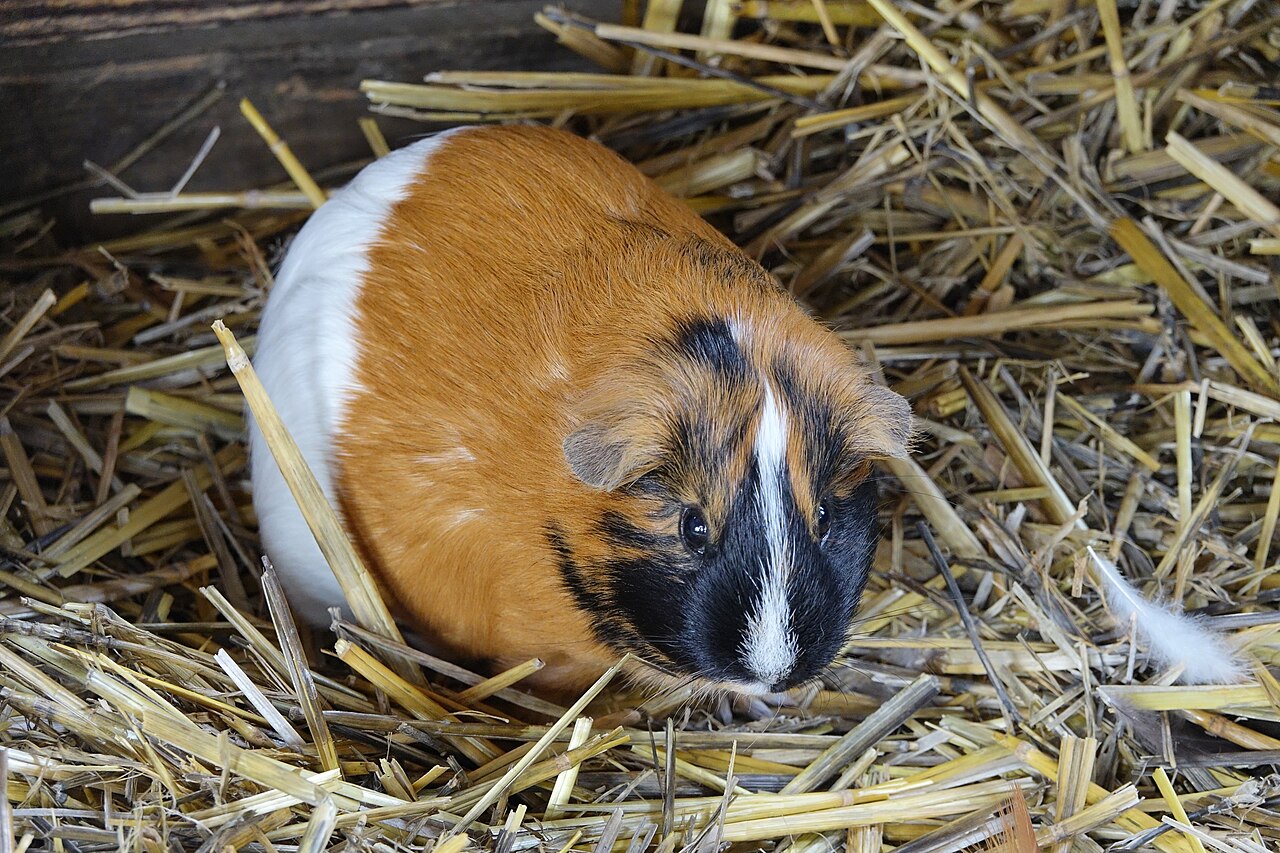
Guinea pigs share an unusual trait with humans and primates: they cannot synthesize their own vitamin C because they lack a functioning gene for the enzyme that completes the job. Without a dietary source they develop scurvy, which shows up as a rough coat, reluctance to move, swollen joints, and bleeding gums. An adult cavy needs roughly 10 to 30 milligrams of vitamin C per day, and pregnant or ill animals need more. This is the single most important nutritional fact in guinea pig keeping.
Grapes are a poor way to meet that need. A whole cup of grapes contains around 4 milligrams of vitamin C, which means one or two grapes contributes well under half a milligram. A single slice of red bell pepper delivers more vitamin C than a whole handful of grapes, at a fraction of the sugar. If you are feeding grapes with the idea that you are supporting vitamin C intake, the math does not support the effort.
What grapes do provide is a modest dose of potassium, some vitamin K, a trace of fiber in the skin, and a good deal of water. The antioxidants in darker varieties, particularly resveratrol in the skin, have been studied extensively in other species, though there is no evidence that a guinea pig eating two grapes a week gains any measurable benefit. Treat grapes as hydration and enrichment with a small nutritional bonus attached, not as a supplement.
The Risks: Sugar, Soft Stool, and Bloat
Sugar is the primary risk and it operates slowly. Guinea pigs are prone to obesity in captivity because they are far less active than wild cavies and because owners tend to be generous. An overweight guinea pig struggles to groom its own rear end, which leads to a build up of soft caecotrophs, matted fur, and eventually flystrike in warm weather. Excess weight also stresses the joints and makes bumblefoot, a painful infection of the footpad, considerably more likely.
The faster risk is digestive. Sudden sugar in the cecum feeds gas producing bacteria and can push a guinea pig into bloat, a condition where the gut fills with gas and stops moving. Bloat in cavies is a genuine emergency. The signs are a hard rounded abdomen, hunching, refusal to eat, teeth grinding, and a drop in droppings. If you see these, contact an exotics veterinarian the same day rather than waiting to see if it passes.
Milder overfeeding shows up first in the droppings, which is why checking them daily is the most useful habit an owner can build. Healthy guinea pig droppings are firm, oval, and uniform. Soft, clumped, or unusually dark droppings after a fruit day mean the portion was too large. The ASPCA (aspca.org) and exotic small animal veterinary references consistently list sudden dietary change as one of the leading causes of gastrointestinal upset in guinea pigs, so any new food including grapes should be introduced in a single small piece with a 48 hour observation window.
How to Serve Grapes Safely, Step by Step
Start by picking firm grapes with no wrinkling, no soft brown patches, and no white bloom that rubs off as fuzz rather than powder. Mold on grapes produces mycotoxins that a 2 pound animal has very little tolerance for, so discard any grape you are unsure about rather than trimming around the spot. Wash the portion thoroughly under cold running water and pat it dry.
Cut each grape lengthwise into halves or quarters depending on the size of your guinea pig and the size of the fruit. Large table grapes should always be quartered. Serve the pieces in a shallow ceramic dish rather than dropping them into the bedding, which keeps the fruit clean and makes it obvious whether the food was actually eaten. If you keep more than one cavy, hand feed so that each animal gets its own share instead of one dominant pig taking everything.
Remove any uneaten grape within two to three hours. Fruit left in a cage attracts fruit flies and ants, ferments in warm weather, and can be eaten later in a much less appetizing state. If your guinea pig ignores the grapes entirely, that is normal and not a cause for concern. Individual cavies have strong preferences, and some will take cucumber or bell pepper over fruit every time. Chickens show the same variation, as our guide to feeding grapes to chickens describes.
Better Everyday Alternatives to Grapes
Because grapes are a treat rather than nutrition, the more useful question is what should fill the fresh food portion of the diet instead. Red and yellow bell pepper is the standout choice: extremely high in vitamin C, low in sugar, low in calcium, and popular with almost every guinea pig. A slice roughly the size of your thumb each day covers a large share of the daily vitamin C requirement on its own.
Beyond peppers, a rotating mix of romaine lettuce, green leaf lettuce, cilantro, parsley in small amounts, cucumber, and small pieces of carrot builds a solid daily plate. Avoid iceberg lettuce, which is mostly water with almost no nutrition and a reputation for causing loose stool. Keep high calcium greens such as kale and spinach to a couple of small servings a week, since guinea pigs are prone to bladder stones and excess calcium contributes directly to that.
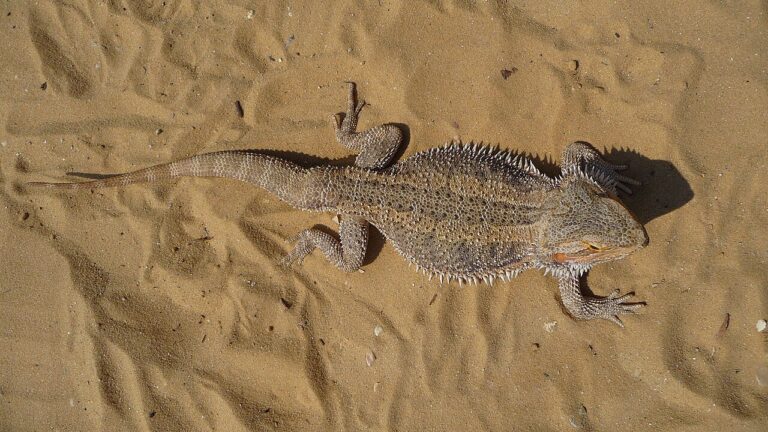
When you do want a fruit day, small berries are often the better pick over grapes. Blueberries and a slice of strawberry deliver more vitamin C per gram of sugar and are naturally portion sized. Whatever you choose, the hay pile remains the foundation, and any breed will thrive on the same basic plan, as our overview of guinea pig breeds explains. Grape safety also varies enormously across pet species, and whether bearded dragons can eat grapes follows a completely different set of rules, so never assume that a food safe for one pet is safe for another. The same caution applies to wild animals, including baby rabbits found in the yard, which should never be offered fruit at all.
Related reading: can rabbits eat grapes.
Related reading: can guinea pigs eat strawberries.
Related reading: Can Guinea Pigs Eat Blueberries?.
Related reading: can guinea pigs eat bananas.
Related reading: can guinea pigs eat spinach.
Related reading: can guinea pigs eat watermelon.
Related reading: can guinea pigs eat oranges.
Frequently Asked Questions
Can grapes kill guinea pigs?
No, grapes are not toxic to guinea pigs and will not cause the acute kidney failure seen in dogs. The realistic dangers are choking on a whole grape or a seed, and digestive upset or bloat from eating far too many at once. Both are prevented by cutting the fruit into quarters and keeping the portion to one or two grapes.
How many grapes can a guinea pig eat per week?
Two to four grapes spread across one or two servings per week is a safe ceiling for a healthy adult. Count them as part of a total fruit budget rather than in isolation, so a week that already included apple or strawberry should include fewer grapes or none at all.
Can guinea pigs eat green grapes?
Yes, green grapes are safe and are marginally lower in sugar than red or black varieties. The color makes very little practical difference, so choose whichever seedless variety is freshest and wash it thoroughly before serving.
Can guinea pigs eat grapes with the skin on?
Yes, and they should. The skin carries most of the fiber and antioxidant content in the fruit and is easy for a guinea pig to chew. Wash each grape carefully under cold running water first, since grape skin commonly carries pesticide residue.
Can baby guinea pigs eat grapes?
Wait until about four months of age. Younger cavies have developing gut flora and get everything they need from unlimited alfalfa hay, pellets, and gentle vegetables. When you do start, offer a single quarter grape and check the droppings for two days before repeating.
Can guinea pigs eat raisins?
Raisins are best avoided. Drying removes the water and concentrates the sugar of a whole grape into a tiny piece, so a raisin delivers a much heavier sugar hit per bite than fresh fruit. Fresh grapes in small portions are the safer version of the same treat.
What are the signs my guinea pig ate too many grapes?
Soft or clumped droppings within a day, reduced appetite for hay, a bloated or hard abdomen, hunching, and teeth grinding are the signals to watch for. Mild loose stool usually resolves with a fruit free week and plenty of hay, but a hard abdomen with no droppings needs same day veterinary attention.