Can Guinea Pigs Eat Watermelon? Yes, One Cube a Week
Guinea pigs can eat watermelon, and most of them love it, but it works only as a small occasional treat. A cube roughly one inch square, once or twice a week, is the sensible ceiling for an adult guinea pig (Cavia porcellus). Anything more and the sugar and water content cause problems the animal cannot signal clearly.
Watermelon (Citrullus lanatus) is about 92 percent water with around 6 grams of sugar per 100 grams and a modest 8 mg of vitamin C. That vitamin C matters, because guinea pigs cannot synthesize their own and depend entirely on diet. Watermelon helps a little there, but it is nowhere near the best fruit for the job.
Yes, guinea pigs can eat watermelon in moderation. Offer a one inch cube of flesh, or a thin strip of rind, once or twice a week. Remove all seeds, wash the skin, and never let fruit replace unlimited hay, which must stay the foundation of the diet.
| Part | Safe? | Serving Guidance |
|---|---|---|
| Red flesh | Yes | 1 inch cube, 1 to 2 times weekly |
| White inner rind | Yes | Thin strip, lower sugar than flesh |
| Green outer skin | Yes, washed | Tough, wash well for pesticides |
| Black mature seeds | No | Choking and blockage risk |
| White immature seeds | Avoid | Soft but still best removed |
| Watermelon juice | No | Concentrated sugar, no fiber |
| Frozen watermelon | No | Cold food upsets the gut |
Is Watermelon Safe for Guinea Pigs?
Watermelon is safe for guinea pigs in small portions and contains nothing toxic to them. The flesh has vitamin C, vitamin A, potassium, and lycopene, and the water content makes it a hydrating treat on a hot afternoon. None of that makes it a staple.
The risk is entirely about quantity. A guinea pig weighs 1.5 to 2.6 lbs (700 to 1,200 g), so a piece of fruit that looks small to a person is proportionally enormous. Their gut runs on continuous fiber from grass hay, and sugary low fiber food disrupts the bacteria that keep the system moving.
Introduce it as you would any new food. A pea sized piece the first time, then wait 24 hours and check the droppings. Firm, uniform pellets mean the gut handled it. Soft or clumped droppings mean back off for a week.
How Much Watermelon Can a Guinea Pig Eat?
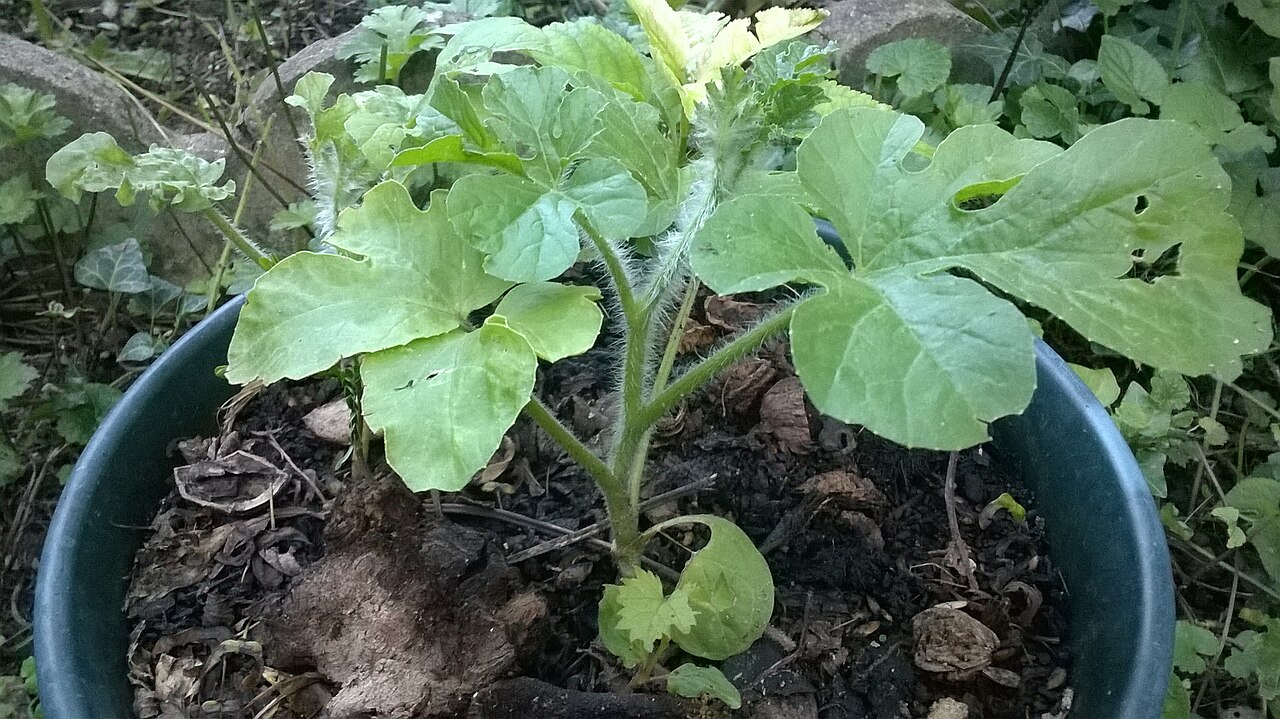
One cube of about one inch, once or twice per week, is the standard portion for a healthy adult. Fresh fruit should make up no more than roughly 10 percent of what a guinea pig eats, with the rest split between unlimited hay, a cup of fresh vegetables daily, and a small measured portion of fortified pellets.
Weigh the fruit against the whole week, not each day separately. If your guinea pig already had strawberries on Tuesday and blueberries on Thursday, skip the watermelon. Sugar adds up across sources, and cavies are prone to obesity.
Portion by animal, not by bowl. In a pair or a herd the dominant pig takes most of a shared piece, so hand each animal its own portion. That also lets you see who actually ate what.
Can Guinea Pigs Eat Watermelon Rind?

Guinea pigs can eat watermelon rind, and the pale inner layer is arguably better for them than the sweet red flesh. Rind has less sugar and more fiber, and the firmer texture gives their continuously growing teeth something to work against. Many owners find their pigs prefer it.
Wash the outside thoroughly before serving, since the green skin holds whatever was sprayed on the field. A scrub under running water is enough. If you buy organic melon, the rind is where that choice actually matters.
Cut rind into thin strips no thicker than a finger. Thick chunks are hard work and a pig may gnaw off pieces too large to swallow. Remove uneaten rind after a few hours, since it dries out and attracts flies.
Next question: Can Guinea Pigs Eat Tomatoes? Safe Parts and Portions
Can Guinea Pigs Eat Watermelon Seeds?

No, remove every seed before serving. Mature black watermelon seeds are hard, slippery, and exactly the wrong size for a guinea pig’s throat, which makes them a genuine choking hazard. One that gets past the throat can lodge further down and cause a blockage.
The soft white immature seeds in young or seedless melons are less dangerous but still worth picking out. Seedless varieties are not truly seedless, they carry undeveloped white seeds, so they still need a quick check.
Guinea pigs cannot vomit. That single piece of anatomy is why owners have to be stricter about choking risks than they would with a dog or a cat. Anything swallowed goes one direction only.
Can Guinea Pigs Eat Watermelon Every Day?
No, daily watermelon is too much. At roughly 6 grams of sugar per 100 grams, a daily portion pushes a small animal toward obesity, and the water content dilutes the fiber their gut depends on. Diarrhea in a guinea pig is no minor matter, it leads to dehydration within a day.
There is also a bladder consideration. Watermelon is not especially high in calcium, which is good, but cavies are prone to bladder stones and the overall mineral load matters. Vegetables carry the daily fresh food duty, fruit stays a twice weekly event.
If your guinea pig starts refusing hay after a run of fruit treats, stop entirely for a week or two. Hay refusal is how dental and digestive problems begin.
Can Guinea Pigs Drink Watermelon Juice?
Watermelon juice should not be offered at all. Juicing strips the fiber and leaves concentrated sugar in liquid form, the worst combination for a hindgut fermenter. A few tablespoons carry the sugar of far more fruit than a guinea pig should eat in one sitting.
Plain fresh water is the only drink a guinea pig needs, available at all times from a bottle or a heavy bowl. Check the bottle’s ball valve daily, since a stuck valve is a common and easily missed cause of a pig going without water.
The same rule rules out smoothies, purees, and flavored water marketed for small pets. If it is sweet and pourable, it stays out of the cage.
How to Serve Watermelon to a Guinea Pig
Wash the whole melon, cut a slice, and remove every seed. Trim the flesh into a cube around one inch on each side, or cut a thin strip that includes both red flesh and pale rind. Serve at room temperature, never straight from the refrigerator, since cold food can trigger digestive upset.
Place the piece on a clean tile or a small dish rather than on bedding, where it picks up shavings and sticky juice spreads into the substrate. A sugary patch of bedding grows bacteria fast in a warm room.
Take out anything uneaten within two to four hours. Guinea pigs graze all day and return to fruit repeatedly, but spoiled produce causes the gut problems you are trying to avoid. The noises a guinea pig makes while eating tell you plenty about how they feel.
Signs Your Guinea Pig Ate Too Much Watermelon
The first sign is almost always in the droppings. Soft, misshapen, or clumped pellets within 12 to 24 hours of a fruit treat mean the gut was overloaded. Healthy droppings are firm, oval, and uniform, and owners who check daily notice a change immediately.
Watch also for reduced appetite for hay, a bloated abdomen, hunching, and unusual quietness. Gastrointestinal stasis, where the gut slows or stops, is one of the most serious emergencies in this species. A guinea pig that has not eaten in 12 hours needs a veterinarian, not a wait and see approach.
Sticky fur around the mouth is milder but worth cleaning with a damp cloth, since dried fruit sugar mats the coat. The small animal resources from the University of Illinois College of Veterinary Medicine cover cavy emergencies in more depth.
What Fruit Is Poisonous to Guinea Pigs?
Avocado is the clearest problem, since persin is toxic to many pets and the fat content is unsuitable regardless. Pits and seeds from apples, cherries, peaches, plums, and apricots contain cyanogenic compounds and must always be removed. Rhubarb is high in oxalates and should be avoided entirely.
Citrus is not poisonous but acidic enough to cause mouth sores and stomach upset, so most keepers skip it despite the vitamin C. Dried fruit concentrates sugar to levels no cavy should face, and anything moldy is off limits.
When in doubt, check before offering rather than after. Apples are fine with the seeds removed, while grapes come with their own portion cautions.
Which Fruit Is Best for Guinea Pigs?
Bell pepper is the strongest choice overall, though it is botanically a fruit most owners treat as a vegetable. It delivers well over 100 mg of vitamin C per 100 grams with very little sugar, the combination a guinea pig actually needs. A few slices daily meet the requirement on their own.
Among sweet fruits, strawberries and kiwi lead on vitamin C per gram of sugar. Watermelon sits well down that list, useful for hydration and variety but not for nutrition.
Leafy greens carry the daily work. Romaine, cilantro, and small amounts of spinach provide vitamins with far less sugar, though high oxalate greens need rotating. Fruit is the garnish, hay is the meal.
Frequently Asked Questions
Can baby guinea pigs eat watermelon?
Wait until a pup is at least four to six weeks old and eating hay and pellets reliably. Then offer a piece no larger than a pea and watch the droppings for a full day. Young guinea pigs have sensitive digestive systems and need the calcium and protein in growth formula pellets far more than fruit.
Can guinea pigs eat cantaloupe as well?
Yes, cantaloupe follows the same rules as watermelon: small portions, seeds removed, once or twice a week, and never on a day they have already had other fruit. Cantaloupe carries slightly more sugar and a little more vitamin C. Treat all melons as one category when budgeting weekly treats.
Can guinea pigs eat frozen watermelon?
No, skip frozen fruit. Cold food can cause digestive upset and cramping in an animal this size, and guinea pigs do not use ice treats to cool down the way some owners expect. For heat relief, use a ceramic tile chilled in the fridge or a wrapped frozen water bottle outside the cage bars.
What is the 3-3-3 rule for guinea pigs?
The 3-3-3 rule is a shorthand some rescues use for settling in a new animal: roughly three days to decompress, three weeks to learn the routine, and three months to feel fully at home. It comes from dog rescue and applies loosely here, but it is a reasonable reminder that a new guinea pig needs patience.
Do guinea pigs like to be cuddled?
Some do, many tolerate it, and a few never settle for it. Guinea pigs are prey animals, so being lifted triggers alarm until trust is built through slow, regular, low handling on a lap with a towel. Hand feeding a small piece of fruit during lap time is one of the fastest ways to build that trust.