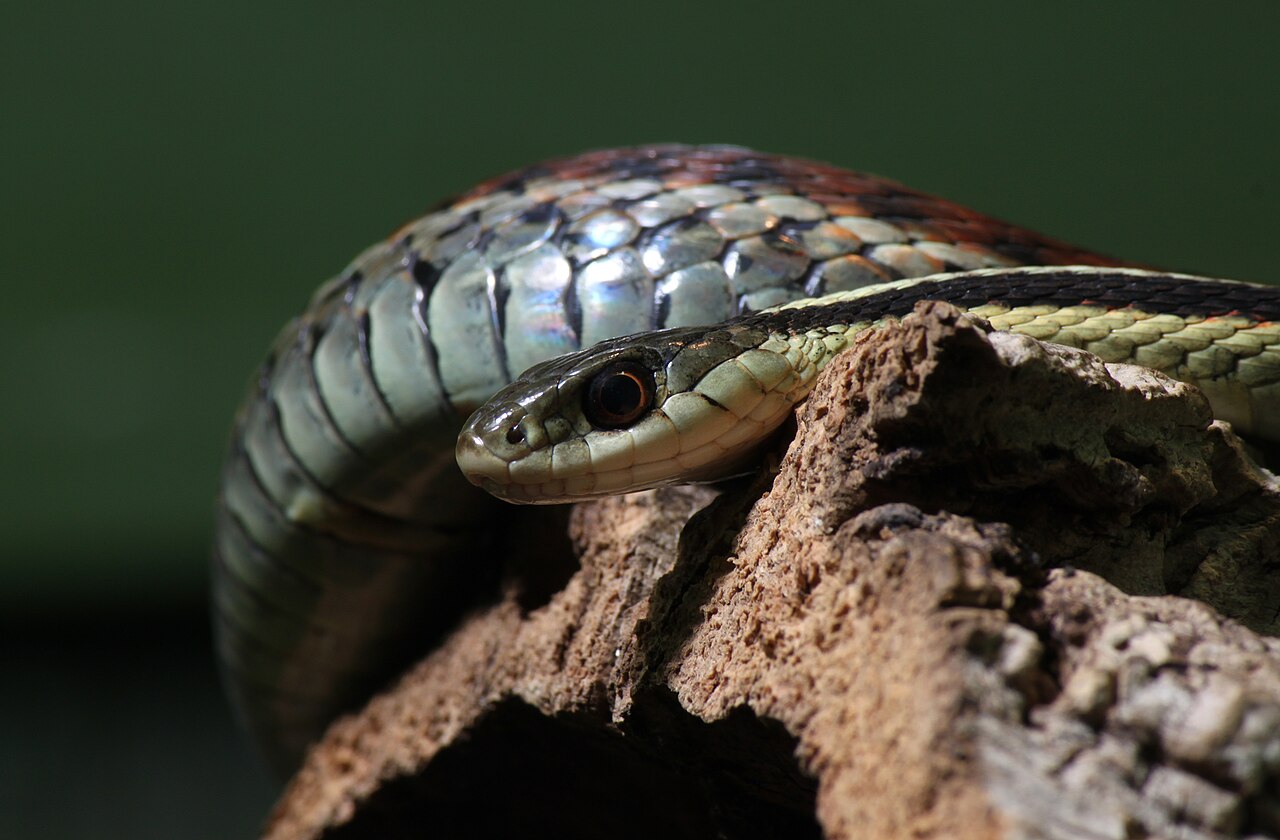
What Is a Group of Snakes Called? Den, Nest, and Pit
A group of snakes is called a den, a nest, a pit, or a bed, and a group of young snakes is called a brood or a clutch depending on whether they were born live or hatched from eggs. The term you will find most often in trivia lists is a den of snakes, and for rattlesnakes specifically a rhumba of rattlesnakes appears in some sources. What is a group of snakes called therefore has several answers, none of which describes a social group, because snakes do not form them.
Most of these terms name the place rather than the animals. A den is the winter refuge, called a hibernaculum in biology, where dozens or hundreds of snakes may pack together to survive the cold, and by extension the snakes in it. That is the one situation where large numbers of snakes genuinely gather, and it is a response to temperature rather than sociability. This guide covers every term, the reality of snake dens, and what breeding balls and nests actually are.
A group of snakes is called a den, a nest, a pit, or a bed, and young snakes form a brood if born live or a clutch if hatched from eggs. Snakes are not social; the only large gatherings are winter dens, properly called hibernacula, where dozens to thousands pack together for warmth, and breeding balls in spring.
| Term | Meaning |
|---|---|
| Den, nest, pit, bed | General collective nouns for snakes |
| Hibernaculum | The scientific term for a winter den |
| Brood | Young born live, as in garter snakes |
| Clutch | Eggs, or the young hatched from them |
| Rhumba | Sometimes listed for rattlesnakes |
| Breeding ball | Many males coiled around one female |
| Are snakes social? | No; gatherings are about temperature |
Why Is a Group of Snakes Called a Den?
A group of snakes is called a den because the den, the shared winter refuge, is the only place large numbers of snakes are reliably found together. The word names the location and was extended to the animals occupying it, following the same pattern that gave us a warren of rabbits and an earth of foxes. It is one of the more honest collective nouns in English, because it points at something that physically exists.
Nest, pit, and bed all work the same way and all suffer from the same imprecision. Nest is particularly misleading, since most snakes build nothing; a female may deposit eggs in a rotting log, a compost pile, or an abandoned mammal burrow, but there is no constructed nest and in most species no parental care after laying. The common fear of a snake nest under a house usually refers to a den or simply to a good hiding place.
None of these terms appears in scientific writing. Herpetologists use hibernaculum for the winter den, aggregation for any gathering, and breeding aggregation or mating ball for the spring event. Den remains useful in ordinary speech because everyone understands it, and it is the answer expected if someone asks what a group of snakes is called.
What Is a Snake Den or Hibernaculum?
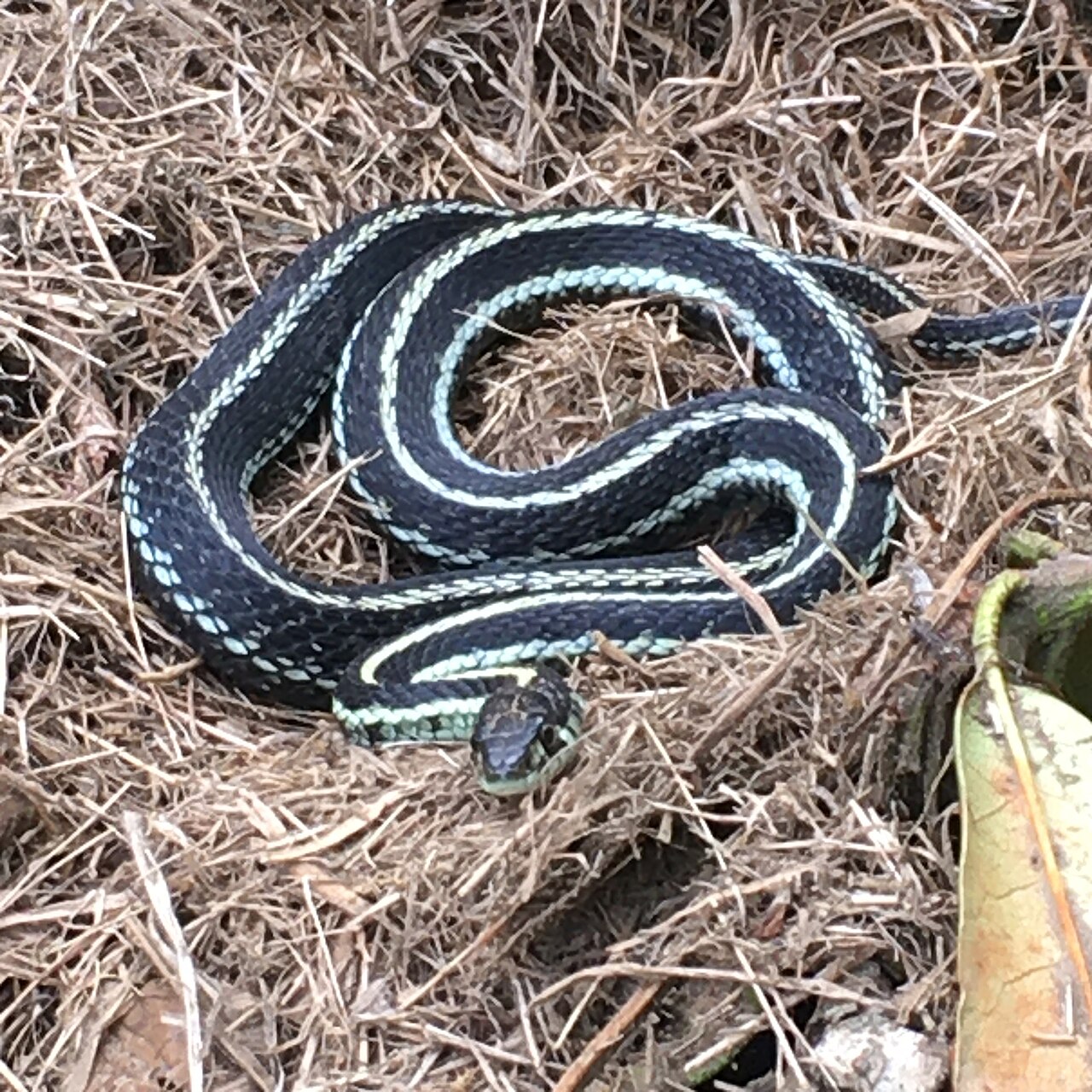
A hibernaculum is the underground refuge where snakes spend the winter, and it is the single most important habitat feature for snakes in cold climates. Snakes are ectothermic and cannot generate their own heat, so they must get below the frost line to survive, and suitable sites are limited: rock crevices, talus slopes, deep mammal burrows, old wells, foundations, and karst fissures.
Because suitable sites are scarce, snakes travel considerable distances to reach them, sometimes several miles, and return to the same site year after year across generations. Multiple species commonly share a hibernaculum, so a single crevice may hold garter snakes, rat snakes, racers, and rattlesnakes packed together, animals that would otherwise avoid or eat each other. The truce is purely thermal.
The most famous examples are the garter snake dens at Narcisse in Manitoba, Canada, where limestone sinkholes hold tens of thousands of red-sided garter snakes each winter, and the spring emergence draws visitors from around the world. Numbers there have been estimated at over 50,000 snakes across the site. Destroying a hibernaculum can eliminate the snake population of a large surrounding area, which is why they are protected features in many jurisdictions. The garter snake guide covers the species behind those aggregations.
What Is a Breeding Ball of Snakes?
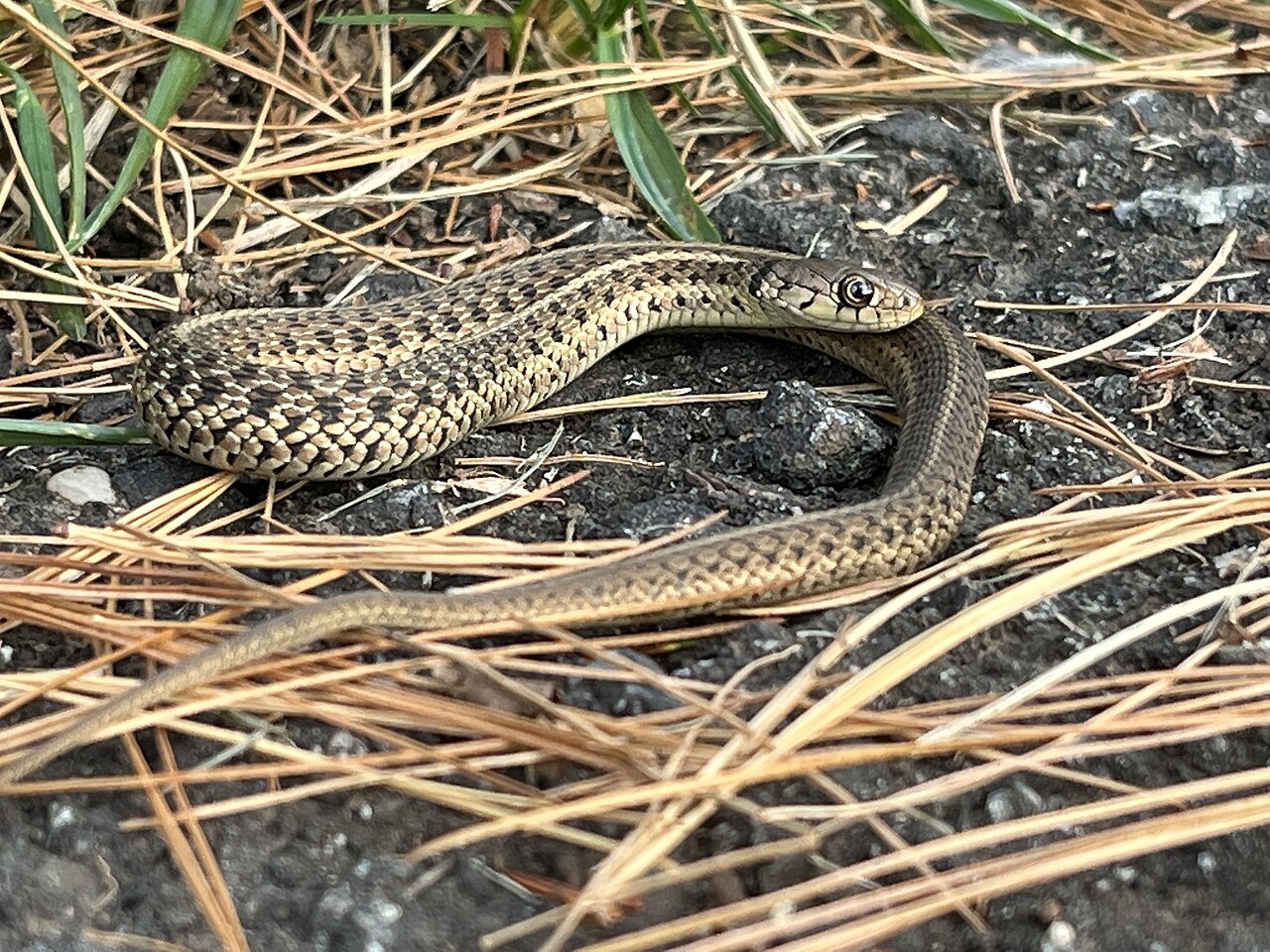
A breeding ball, or mating ball, is a writhing mass of snakes formed when many males compete to mate with a single female, and it is the second situation where snakes genuinely gather. It happens most often in spring immediately after emergence from the den, when females release pheromones and every male in the vicinity converges on them. A single female garter snake may be surrounded by dozens of males.
The competition is physical rather than combative. Males do not fight each other directly in most species; they compete by persistence and positioning, and the ball may persist for hours. Some male garter snakes employ an unusual tactic, releasing female pheromones themselves to draw rivals away from a female, and this she-male mimicry has been documented extensively in the Manitoba populations.
Rattlesnakes and some other pit vipers do engage in direct male combat, a ritualized wrestling match in which two males rear up, intertwine, and attempt to push each other to the ground. This is frequently mistaken for mating, and photographs of combat dances are routinely captioned as a mating pair. No biting occurs, and the loser withdraws. The baby rattlesnake guide covers the species where this behavior is most often observed.
Do Snakes Live in Groups?
No, snakes are solitary for the great majority of their lives. Outside of hibernation and breeding, a snake hunts, basks, and shelters alone, and encountering another snake usually means one moves away. There is no cooperative hunting, no shared defense, and no group structure. Some larger species will eat smaller snakes, including their own kind, which further discourages association.
Research over the past decade has complicated this picture slightly. Studies on eastern garter snakes have found that individuals show consistent preferences for particular companions when given a choice, forming loose social groupings and returning to the same associates. Timber rattlesnakes have been observed engaging in what looks like maternal care, with females remaining with neonates for a week or more after birth and defending them.
These findings suggest snake sociality is more than zero, but it remains a long way from the family groups of a wolf pack or a pig sounder. The practical picture stands: a snake found in a yard is almost always alone, and the widespread fear that one snake means a nest of them is unfounded except in the specific case of a hibernaculum or a recently hatched clutch. The baby snake guide addresses what finding a small snake actually indicates.
What Is a Group of Baby Snakes Called?
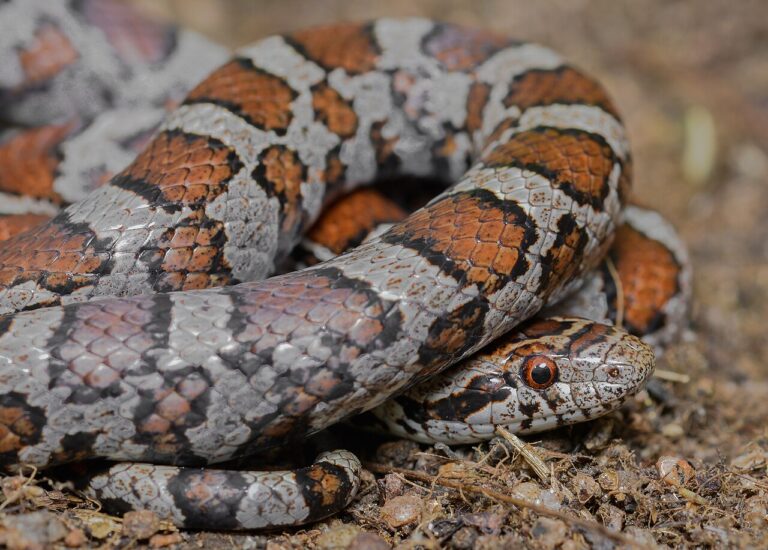
A group of baby snakes is called a brood if the young were born live and a clutch if they hatched from eggs, and the distinction reflects a real biological divide. Roughly 70 percent of snake species lay eggs and are described as oviparous, including rat snakes, king snakes, corn snakes, and most colubrids. The remainder give birth to live young and are viviparous or ovoviviparous, including garter snakes, water snakes, boas, and all North American pit vipers.
Live birth is generally associated with colder climates and with aquatic species, because a female can move her developing young to warm basking spots rather than committing eggs to a fixed nest site at the mercy of the weather. This is why rattlesnakes, copperheads, and garter snakes, which range far north, are live bearers while the egg layers dominate in warmer regions.
Litter and clutch sizes vary widely. A garter snake may produce 10 to 40 young, a rattlesnake 4 to 12, a rat snake 5 to 20 eggs, and a large python over 50. Parental care is minimal to absent in nearly all species, with pythons being the notable exception: females coil around the clutch and, in some species, shiver to generate heat and raise the eggs’ temperature. The baby corn snake guide and the baby black snake guide cover the identification of young snakes people find around homes.
Is a Group of Rattlesnakes Called a Rhumba?
A rhumba of rattlesnakes appears in a number of collective noun lists, and the name plays on the rattling sound and the Cuban dance rhythm. It is a modern coinage with no historical basis in the medieval terms of venery, which is unsurprising since rattlesnakes are a New World animal and English hunters never encountered them. Whether it counts as legitimate is a matter of taste; it is recorded in some references but is entirely absent from anything scientific.
Rattlesnakes do gather, which gives the term something to refer to. Timber rattlesnakes and prairie rattlesnakes den communally in large numbers, and dens holding over a hundred animals have been documented. Emergence in spring produces the concentrations that historically fed the rattlesnake roundup tradition in parts of Texas and Oklahoma, an activity that has drawn increasing criticism for its effect on populations and on the karst habitats gassed to flush snakes out.
Timber rattlesnakes are especially vulnerable to den destruction because they mature slowly, females reproduce only every two to four years, and the entire local population may share one hibernaculum. Losing that site can eliminate snakes from many square miles. Several states now list the species as threatened or endangered, and den locations are frequently kept confidential for that reason.
What About Snake Nests in Houses?
A snake found in a house or crawl space is almost always a single animal that came in after prey or shelter, not a nest. Snakes enter buildings through gaps around pipes, foundation cracks, and unsealed vents, generally following rodents, and they leave when the food source or the temperature changes. Finding one snake does not imply others.
The exceptions are genuine but specific. A crawl space or foundation that stays above freezing can serve as a hibernaculum, and in that case multiple snakes may be present through winter and emerge together in spring. A warm compost pile or mulch heap against a foundation can attract a female to lay eggs, producing a scattering of hatchlings in late summer. Both situations are resolved the same way: exclusion and habitat modification.
The practical steps are sealing gaps larger than a quarter inch, particularly around utility entries and foundation vents, addressing the rodent population that draws snakes in, keeping mulch and woodpiles away from the house, and cutting grass short near the foundation. Snake repellents sold commercially have been repeatedly shown to be ineffective, and glue traps cause prolonged suffering and frequently catch non-target animals. Most snakes around a home are harmless and are actively useful for rodent control, so identification before action is worth the effort. The coral snake vs king snake guide covers the identification that matters most.
Collective Nouns for Snakes and Other Reptiles
Reptile collective nouns are mostly modern and mostly descriptive of place or behavior. Crocodiles get a bask or a float, which describes what they actually do. Alligators get a congregation. Turtles get a bale or a nest, and turtle hatchlings emerging together are genuinely called a bale in some sources. Lizards get a lounge, and geckos a mischief.
Like snakes, few of these reptiles are social, and the terms describe aggregations rather than groups. Crocodilians are the exception and show genuinely complex behavior, including cooperative feeding, vocal communication between mothers and hatchlings, and long-term maternal care of young. A congregation of alligators at a drying waterhole is a real thing with real structure.
Snakes sit at the opposite end. Their collective nouns describe a hole in the ground where animals happen to be forced together by physics, and the science backs that up. Den remains the best answer to the question, and hibernaculum is the word to use if you want to describe what is actually happening. For a related case where the collective noun names the home rather than the animals, the group of rabbits guide covers the warren.
Frequently Asked Questions
What is a group of snakes called?
A group of snakes is called a den, a nest, a pit, or a bed. Young snakes form a brood if born live and a clutch if hatched from eggs. Biologists use hibernaculum for the winter den and aggregation for any gathering.
Is a group of snakes called a quiver?
Quiver appears in some collective noun lists for cobras specifically rather than snakes generally, and it has no historical or scientific basis. Den is the standard answer for snakes.
What is a bunch of rattlesnakes called?
A rhumba, in some modern lists, playing on the rattle and the dance. It is a recent coinage with no traditional basis. Rattlesnakes do den communally, with some hibernacula holding over a hundred animals.
Do snakes live in groups?
No. Snakes are solitary except when hibernating communally or gathering to breed. Recent research has found modest social preferences in garter snakes and brief maternal care in timber rattlesnakes, but there is nothing resembling a pack or herd.
What is a snake den?
A shared winter refuge below the frost line, properly called a hibernaculum. Because suitable sites are scarce, snakes travel miles to reach them and multiple species pack in together. Some dens hold thousands of animals.
What is a group of baby snakes called?
A brood if born live, as with garter snakes and rattlesnakes, or a clutch if hatched from eggs, as with rat snakes and corn snakes. About 70 percent of snake species lay eggs.
Does finding one snake mean there is a nest?
Almost never. A snake in a house is usually one animal following rodents or seeking shelter. The exceptions are a crawl space serving as a winter den and a warm compost pile where a female laid eggs.