Baby Rattlesnake: Identification & Danger Guide
A baby rattlesnake is born fully venomous and dangerous from the moment it hatches, despite lacking the audible rattle most people associate with the species, since that rattle only develops after the snake’s first shed. This guide covers how to identify a baby rattlesnake, the persistent myth about babies being unable to control their venom, and exactly what to do if you encounter one, given that a young rattlesnake’s small size makes it both easy to overlook and genuinely dangerous if handled or startled.
| Feature | Detail |
|---|---|
| Size at birth | 6 to 10 inches |
| Rattle at birth | None; only a single “button” until first shed |
| Head shape | Triangular, wider than neck (venom glands) |
| Venomous? | Yes, fully venomous from birth |
| More dangerous than adult? | Disputed; venom composition differs, volume is smaller |
A baby rattlesnake is venomous from birth and is born with a single button instead of a working rattle, so it makes no sound. That silence is the real danger, not the widespread myth that young rattlesnakes cannot control how much venom they inject.
How to Identify a Baby Rattlesnake
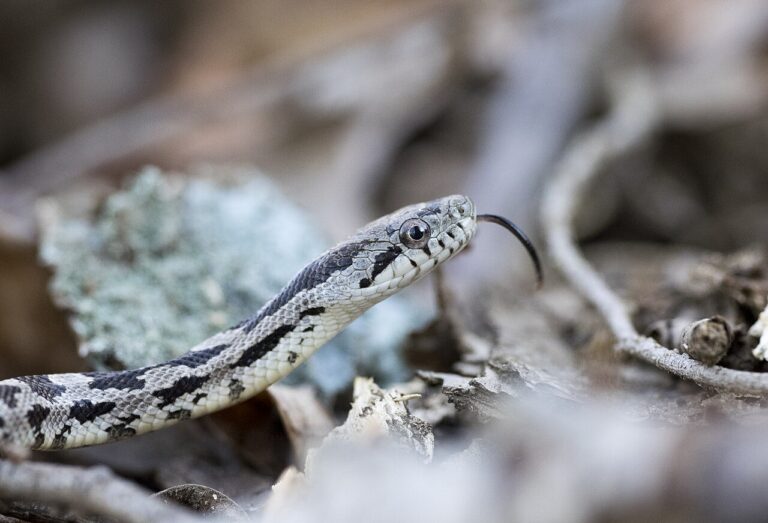
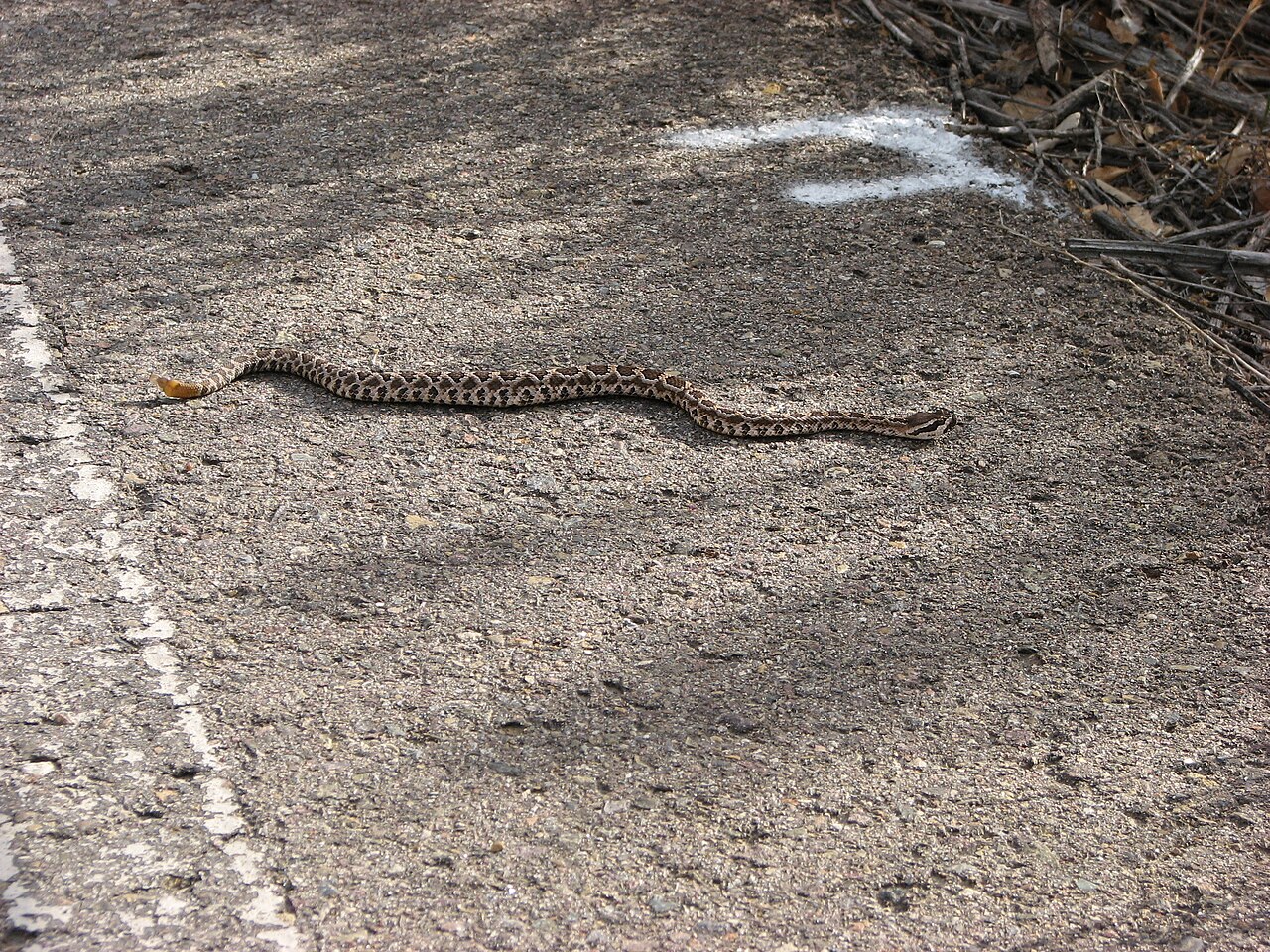
A newborn rattlesnake looks like a genuine miniature of an adult, typically 6 to 10 inches long with a thick body relative to its length and the same distinctly triangular, spade-shaped head that accommodates venom glands, a defining pit viper trait present even at birth. Coloration and pattern are often more vivid and high-contrast in juveniles than in adults, displaying bold diamonds, chevrons, or blotches that provide effective camouflage while the young snake is at its most vulnerable to predators. Like all pit vipers, baby rattlesnakes have heat-sensing pit organs located between the eyes and nostrils, fully functional from birth and used to detect warm-blooded prey.
Do Baby Rattlesnakes Have Rattles?
No, not in the way most people expect. Newborn rattlesnakes are born with a single small segment at the tip of the tail called a “button,” incapable of producing any rattling sound at all until the snake sheds its skin for the first time and begins adding the additional segments that eventually form a functional rattle. This means a young rattlesnake can coil, hiss, and even strike defensively with no audible warning whatsoever, a genuinely important safety point since relying on hearing a rattle before assuming danger is present is a demonstrably unreliable strategy, particularly around juvenile snakes.
Are Baby Rattlesnakes More Dangerous Than Adults?
This is genuinely debated, and the honest answer is more nuanced than the popular “babies can’t control their venom” claim suggests. Research indicates that both juvenile and adult rattlesnakes are capable of controlling how much venom they inject and can deliver a “dry” bite with no venom at all regardless of age, so age alone does not reliably predict whether a bite will involve venom. Where a real, if different, distinction exists: venom composition genuinely varies somewhat with age, diet, and other factors among rattlesnake venom’s over 100 active components, and some evidence suggests juvenile venom in certain populations trends more toward specific toxin types than adult venom does. Meanwhile, adult rattlesnakes have considerably larger venom glands and can deliver a substantially greater total volume of venom in a single bite than a baby physically has available, which several herpetologists specifically cite as a reason an adult bite may pose the greater overall danger despite the popular baby-venom myth suggesting otherwise.
Why the “Babies Can’t Control Venom” Myth Persists
The belief that baby rattlesnakes inject more venom because they supposedly lack the control to hold back is a long-standing but unsupported claim, and current research finds no meaningful difference between juveniles and adults in their actual ability to modulate venom delivery during a strike. What may be true, and easily confused with the myth, is that juveniles sometimes exhibit different striking behavior, potentially due to inexperience rather than any physiological inability, though this remains an area of ongoing study rather than settled fact. Regardless of which specific factor drives outcomes, the practical safety conclusion stays the same either way: a bite from a rattlesnake of any age and size is a genuine medical emergency that should never be dismissed as automatically less serious simply because the snake was small or young.
What to Do If You Encounter a Baby Rattlesnake
Give any rattlesnake, including an obviously young one, wide, unhurried berth and never attempt to move, handle, or kill it, since these direct interactions are exactly the situations responsible for most venomous snakebites in North America. Watch where you place your hands and feet, particularly around rock piles, log piles, and dense leaf litter where a small, camouflaged juvenile is genuinely easy to overlook, unlike a more visible larger, non-venomous species that might otherwise share similar habitat. If a rattlesnake, of any size, is encountered in a yard or an area with frequent human or pet activity, contacting a professional wildlife removal service is the safest option rather than attempting to relocate or eliminate it independently.
Do Baby Rattlesnakes Stay With Their Mother?
Only briefly, and to a limited degree compared with many mammal species. Some rattlesnake research has documented mothers remaining near their newly born litter for a short period, offering a degree of protective presence, but this parental association ends quickly, and young rattlesnakes are hunting and surviving entirely on their own within a short time after birth, unlike the extended dependency period seen in mammals such as opossums or raccoons.
How Many Babies Do Rattlesnakes Have?
Unlike many snake species that lay eggs, rattlesnakes give birth to live young, typically producing a litter of anywhere from a handful up to over 20 babies depending on the species and the health of the mother. Newborns are entirely independent from birth, receiving no parental care, and disperse from the birth site fairly quickly to begin hunting on their own, which is part of why encountering one baby rattlesnake in an area often means several littermates are present nearby as well, a consideration worth factoring into any safety response in the immediate area.
Baby Rattlesnake vs Non-Venomous Baby Snakes
Confusing a baby rattlesnake with a harmless young snake of another species is a genuine risk worth taking seriously, since several non-venomous snakes exhibit superficially similar patterns as juveniles. The most reliable distinguishing features remain the same regardless of age: a rattlesnake’s distinctly triangular head noticeably wider than its neck, vertical pupils, and heat-sensing facial pits, none of which appear on non-venomous species like a young captive-bred snake, which instead has round pupils and a more uniform head width. When genuinely uncertain, the safest approach is always to treat an unidentified small snake with the same caution as a confirmed venomous one rather than attempting a close visual confirmation.
What to Do If Bitten by a Baby Rattlesnake
Treat any rattlesnake bite, regardless of the snake’s apparent age or size, as a genuine medical emergency requiring immediate professional care. Call 911 or get to the nearest emergency room as quickly as possible, keep the bitten area at or slightly below heart level if feasible, and try to stay as calm and still as circumstances allow to help slow the spread of venom through the body. Do not attempt outdated first-aid myths like cutting the wound, applying a tourniquet, or attempting to suck out venom, since modern medical guidance consistently identifies these techniques as more likely to cause additional harm than any meaningful benefit compared with simply getting to appropriate medical care as fast as possible.
What Do Baby Rattlesnakes Eat?
Juvenile rattlesnakes typically begin their hunting careers on smaller prey than adults pursue, commonly starting with lizards before gradually shifting toward the small rodents that make up the bulk of an adult rattlesnake’s diet as the snake grows larger and more capable. This dietary shift with age is directly connected to the genuine, if narrower, venom composition differences noted by herpetologists, since venom evolved partly to subdue specific prey types effectively, and a young snake’s early diet of smaller, different prey may partly explain some of the documented compositional differences between juvenile and adult venom.
Where Do Baby Rattlesnakes Live?
Baby rattlesnakes are found in the same wide range of habitats as adults of their species, from arid desert regions to woodlands extending as far north as southern Canada and as far east as the Atlantic coast, depending on the specific rattlesnake species involved. Newborns often stay relatively close to their birth site initially, sometimes remaining near the mother for a brief period, and are commonly found sheltering under rocks, logs, and dense vegetation, the same kind of cover favored by many other small reptiles like the blue-tailed skink, which makes careful, deliberate foot and hand placement in known rattlesnake habitat a genuinely important precaution regardless of season.
Related reading: Banana Ball Python.
What Snake Is Mistaken for a Baby Rattlesnake?
Juvenile gopher snakes and bullsnakes are the most common false alarm, and they earn it by acting the part. Both are blotched brown on tan like a young rattlesnake, and when threatened they flatten the head into a triangle, hiss loudly and vibrate the tail against dry leaves, producing a buzz that sounds convincingly like a rattle.
The tail settles it. A rattlesnake, even a newborn, has a blunt tail ending in a hard button or a short stack of segments. A gopher snake tail tapers to a fine point. Head shape is less reliable than people think, precisely because harmless species mimic the triangular shape, but pupil shape holds: rattlesnakes have vertical slit pupils, gopher and rat snakes have round ones.
Two others turn up regularly. Juvenile racers and young rat snakes are blotched rather than solid and get reported the same way, and in the southeast, young corn snakes are misread as rattlers because of the saddle pattern. None of these are worth handling to check. Judge from a distance, and treat any thick-bodied blotched snake in rattlesnake country as venomous until it is identified. The University of Florida’s venomous snake identification guidance covers the tail, pupil and head marks in detail.
Related reading: Rattlesnake Sound.
Frequently Asked Questions
Do baby rattlesnakes have rattles?
No, not initially. Newborns have only a single segment called a button, incapable of making a rattling sound. A functional rattle only develops after the snake sheds its skin for the first time.
Are baby rattlesnakes more dangerous than adults?
This is debated. Research shows both can control venom delivery and deliver dry bites regardless of age, but adults have larger venom glands and can inject significantly more total venom in a single bite.
How can you identify a baby rattlesnake?
Look for a thick-bodied snake 6 to 10 inches long with a distinctly triangular head wider than its neck, vivid diamond or chevron patterns, and heat-sensing pits between the eyes and nostrils.
Is it true baby rattlesnakes can’t control their venom?
No, this is a persistent but unsupported myth. Research finds no meaningful difference between juveniles and adults in their ability to control venom delivery, including the ability to deliver a dry bite with no venom.
What should I do if I see a baby rattlesnake?
Keep a wide, unhurried distance and never attempt to handle, move, or kill it. Watch your hand and foot placement around rocks, logs, and dense vegetation where small snakes are easy to overlook.
What should I do if bitten by a baby rattlesnake?
Treat it as a genuine medical emergency regardless of the snake’s size. Call 911 or get to an emergency room immediately, keep the bite at or below heart level, and avoid outdated first-aid methods like cutting or tourniquets.
Where do baby rattlesnakes typically live?
They live in the same habitats as adults of their species, from deserts to woodlands, and often stay near their birth site initially, commonly sheltering under rocks, logs, and dense vegetation.
Respecting a baby rattlesnake with the same caution given to a full-grown adult, rather than assuming small size means reduced risk, remains the single most important safety takeaway from the genuine scientific debate covered above.
That same wide berth and careful attention to hand and foot placement, rather than any assumption based on size, remains the most reliable safety habit in rattlesnake country year-round.