Banana Ball Python: Genetics, Care & Price Guide
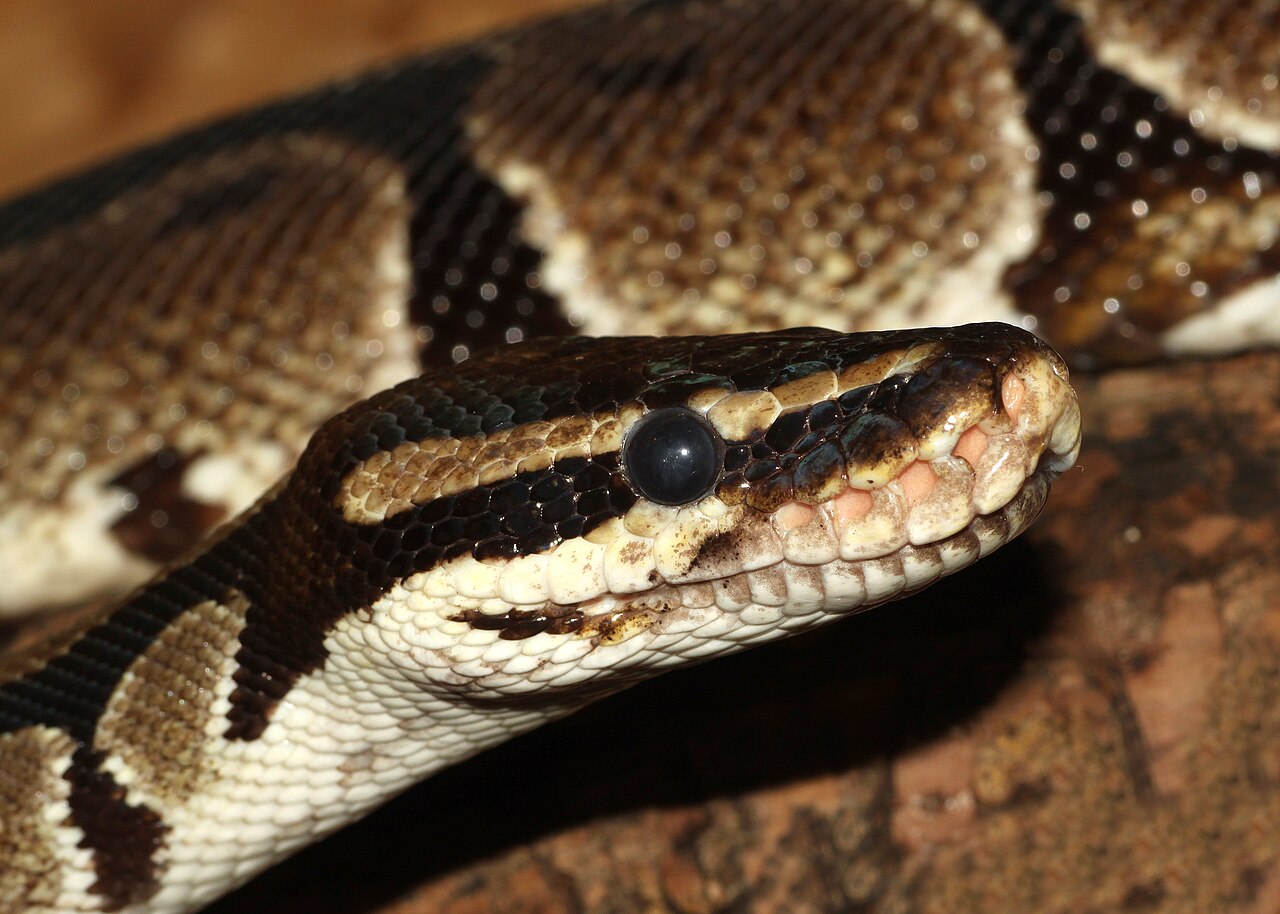
The banana ball python is one of the most popular color morphs of the standard ball python (Python regius), instantly recognizable by its bright yellow patches over a lilac or gray base, with dark speckling that develops and darkens as the snake matures, resembling an aging banana. This guide covers the genetics behind the morph, realistic pricing, size, care requirements, and what makes this one of the more approachable designer morphs for both new and experienced keepers.
| Detail | Value |
|---|---|
| Species | Python regius (color morph, not separate species) |
| Adult size | Females 3-5 ft; males 2-3.5 ft |
| Lifespan | 20 to 30+ years with proper care |
| Typical price (single gene) | $100 to $300 |
| Temperament | Docile, same as standard ball pythons |
A full grown banana ball python reaches 3 to 5 feet for females and 2 to 3.5 feet for males, maturing around three years old. The banana morph is a co-dominant gene that produces yellow blotches on a lavender-tan base, and a single-gene banana typically costs 100 to 300 dollars, making it one of the most popular beginner morphs.
Ball Python Natural History and Origin
Ball pythons (Python regius) are native to West and Central Africa, where they inhabit grasslands, savannas, and forest edges, and the species gets its common name from its distinctive defensive habit of curling into a tight ball with its head protected in the center when it feels threatened, rather than fleeing or striking aggressively. This naturally docile, non-aggressive temperament, present across the species regardless of color morph, is a major reason ball pythons have become one of the most widely kept pet snake species globally, forming the foundation on which the banana morph and thousands of other color and pattern variations have been selectively bred.
What Is a Banana Ball Python?
A banana ball python is not a separate species but a specific color morph of the standard ball python, produced through selective breeding for a genetic mutation first discovered in wild-caught imports in the late 1990s or early 2000s. The mutation replaces the normal dark brown and black base coloration of a wild-type ball python with a striking silver-lilac body, overlaid with bright yellow blotches that darken into brown or black speckling as the snake ages, a progression that gives the morph its fruit-inspired name. Early captive-produced banana ball pythons commanded extraordinary prices, reportedly as high as $20,000 to $30,000 for original hatchlings, but decades of successful captive breeding have brought prices down dramatically to a genuinely accessible range today.
Banana Ball Python Genetics Explained
The banana gene is co-dominant, sometimes described as incomplete dominant, meaning a snake needs only a single copy of the gene to display the visible banana appearance, unlike recessive morphs that require two copies from both parents to show up at all. Breeding two banana ball pythons together can produce offspring with two copies of the gene, commonly called a “super banana,” which typically displays an even more intensely saturated yellow coloration and is sometimes marketed under the related name “coral glow.” Interestingly, the banana gene shows a documented sex-linked inheritance pattern: banana males tend to produce more banana daughters than banana sons, while banana females show the reverse ratio, a genetic quirk that adds real complexity for breeders working with this particular morph compared with more straightforward dominant or recessive traits.
Banana vs Coral Glow: What’s the Difference?
Banana and coral glow morphs are genetically very similar and are frequently used interchangeably by hobbyists and even some breeders, but they originate from different founding bloodlines and show subtle visual distinctions. Coral glows tend to lean more orange in their overall coloration, while true banana morphs typically show a more yellow-dominant palette, though the difference can be genuinely difficult to distinguish without direct side-by-side comparison or documented lineage from the breeder. For a new buyer, the practical takeaway is that both names describe visually similar, closely related morphs rather than dramatically different animals, and either makes an equally striking pet regardless of which specific label a particular breeder uses.
Banana Ball Python Size and Growth
Size follows typical ball python sexual dimorphism, with females growing noticeably larger than males. Adult females typically reach 3 to 5 feet in length and 1,200 to 1,800 grams, while adult males stay considerably smaller, generally 2 to 3.5 feet and 600 to 900 grams. This modest adult size, especially compared with many other popular pet snake species, is a significant part of why ball pythons generally, banana morphs included, remain approachable even for keepers without space for a large enclosure, and growth to full adult size typically takes a few years depending on feeding schedule and individual growth rate.
Handling a Banana Ball Python
Banana ball pythons generally tolerate regular, gentle handling reasonably well, sharing the same docile baseline temperament typical of the species overall, though individual personality does vary and some snakes need more time and consistent, low-stress handling sessions to become comfortable. New owners should allow a recently acquired snake several days to settle into its enclosure before attempting handling, and should always avoid handling within 24 to 48 hours after feeding, since the stress and physical disturbance of handling too soon after a meal can occasionally trigger regurgitation.
Banana Ball Python Care Requirements
Care requirements for a banana ball python are identical to any standard ball python, since the color morph itself carries no special husbandry needs beyond typical species care. A single adult does well in an enclosure of roughly 40 to 60 gallons or an equivalent footprint, maintained at ambient temperatures between 75 and 95°F with a distinct warm basking side and cooler side, and humidity kept around 50 to 60 percent to support healthy shedding. Plenty of hiding spots on both the warm and cool sides of the enclosure matter considerably for this naturally shy species, since a ball python without adequate cover tends to show more stress-related behaviors regardless of how otherwise ideal the temperature and humidity happen to be.
What Do Banana Ball Pythons Eat?
Like all ball pythons, banana morphs eat a diet of appropriately sized whole rodents, typically mice for younger snakes transitioning to rats as the snake grows, offered every one to two weeks depending on age and size. Some keepers and care guides note that banana ball pythons and certain other morphs can be somewhat more finicky eaters than standard wild-type coloration, occasionally refusing meals for reasons that are not always clear, which can understandably concern inexperienced owners even though brief fasting periods are usually not a genuine emergency for an otherwise healthy ball python. As with any snake, prey should always be appropriately sized, roughly the width of the snake’s thickest body point, to avoid regurgitation or digestive strain.
Are Banana Ball Pythons Good for Beginners?
Yes, banana ball pythons make excellent beginner reptiles, sharing the same docile temperament, manageable adult size, and straightforward care requirements that make ball pythons broadly popular as a first snake. The primary practical difference from a standard ball python is cost rather than difficulty, since morphs command a price premium purely for their genetics and appearance rather than requiring any additional expertise to keep successfully. Ball pythons generally tolerate regular, gentle handling reasonably well once acclimated, making them a genuinely approachable choice for someone new to snake ownership who still wants a visually striking animal rather than the most basic wild-type coloration.
Banana Ball Python vs Other Popular Morphs
Compared with other widely kept ball python morphs, banana occupies a genuinely accessible middle tier: more visually distinctive and typically more expensive than the most common morphs like pastel or spider, but considerably more affordable and available than rare, complex designer combinations that can command thousands of dollars. This makes banana a popular stepping-stone morph for keepers who have started with a standard or lower-cost morph and want something more visually striking without jumping straight into the most expensive end of the ball python morph market, which now includes over 4,000 documented distinct morphs and combinations.
Banana Ball Python Health and Common Issues
Unlike some morphs that carry documented genetic health complications tied directly to their color mutation, such as the wobble syndrome associated with certain spider and enigma morphs in other reptile species, the banana gene itself is not linked to any known inherent health problems, and banana ball pythons are considered just as hardy as any standard, non-morph individual. The health issues that do occur in banana ball pythons are the same husbandry-related problems common across ball pythons generally: respiratory infections and shedding complications from inadequate humidity, and obesity from overly generous feeding schedules, all of which are entirely preventable through proper enclosure setup and feeding discipline rather than being an unavoidable consequence of the morph itself.
Related reading: Rat Snake.
Related reading: Hognose Snake.
Related reading: Albino Ball Python.
Related reading: Pied Ball Python.
Enclosure Size and Enrichment for a Banana Ball Python
A banana ball python needs the same enclosure as any other ball python, since the banana gene affects color and nothing else. The working rule is that the length plus width of the floor space should be at least the length of the snake, which for a full grown female of 4 to 5 feet means a 4 x 2 foot enclosure as a practical minimum.
Rack systems remain common in breeding collections because they are compact and easy to keep warm, but they are not equivalent to a furnished enclosure from the animal’s point of view. A controlled comparison of ball pythons kept first in a rack and then in furnished terrariums found that the snakes used the added structure heavily once it was available, spending time climbing, bathing and basking, behaviors that a bare rack tub gives them no way to express.
In practice that means at least two hides so the snake never has to choose between security and correct temperature, a water bowl large enough to soak in, branches or cork for climbing, and substrate deep enough to burrow into. The full behavioral comparison is published as an evaluation of two housing systems for Python regius.
Related reading: Spider Ball Python.
Related reading: Pastel Ball Python.
Frequently Asked Questions
What is a banana ball python?
A banana ball python is a color morph of the standard ball python (Python regius), featuring bright yellow patches over a lilac or gray base with dark speckling, rather than a separate species.
How much does a banana ball python cost?
A standard single-gene banana ball python typically costs between $100 and $300, though rarer combo morphs like banana pied or banana clown can range from $500 to $4,000 or more.
How big do banana ball pythons get?
Adult females typically reach 3 to 5 feet and 1,200 to 1,800 grams, while adult males are smaller, usually 2 to 3.5 feet and 600 to 900 grams, following typical ball python size differences between sexes.
Is a banana ball python a good beginner snake?
Yes, banana ball pythons share the same docile temperament, manageable size, and straightforward care as standard ball pythons, making them a great choice for first-time snake owners despite the higher price for the morph.
What is a super banana or coral glow?
A super banana has two copies of the co-dominant banana gene, producing an even more intensely yellow appearance, sometimes marketed as coral glow, a closely related but distinct bloodline with subtle visual differences.
How long do banana ball pythons live?
With proper care, banana ball pythons can live 20 to 30 years or longer, the same lifespan as standard ball pythons, since the color morph does not affect longevity.
Does the banana morph cause any health problems?
No, unlike some reptile morphs linked to genetic health issues, the banana gene itself carries no known inherent health complications. Banana ball pythons are just as hardy as standard, non-morph individuals.
For anyone drawn to reptile keeping more broadly, comparing a banana ball python’s docile temperament and manageable care against other popular beginner reptiles, such as a crested gecko or native rat snake, helps put its genuine beginner-friendliness in useful perspective, since low-maintenance care and a calm temperament matter more for a first reptile than color or pattern rarity.
Prospective owners researching any specific morph, banana included, are well served by connecting with established reptile keeper communities, other beginner-friendly exotic pets, and reputable breeders directly, since firsthand experience often surfaces practical details that no single care guide can fully capture.
A well-informed first purchase, backed by real research into genetics, care, and realistic expectations, sets both a new keeper and their new snake up for a genuinely successful, decades-long relationship rather than an impulsive decision made on appearance alone. Comparing morphs against other popular reptile pets, and understanding general reptile dietary needs more broadly, rounds out that research before committing.
The journey from first researching a morph to confidently owning one mirrors the same careful, patient approach worth taking with any new exotic pet, from a first aquarium fish to a first snake.