Hedgehog Sounds: 7 Noises Decoded and What Each One Means
Hedgehog sounds fall into five groups that are easy to tell apart once you know them: snuffling while foraging, chuffing during courtship, hissing and clicking as a warning, screaming in real distress, and the thin birdlike whistle of hoglets. Volume is the first clue. A hedgehog going about its night is loud and busy, while a hedgehog that has gone quiet and tight is a hedgehog that wants you gone.
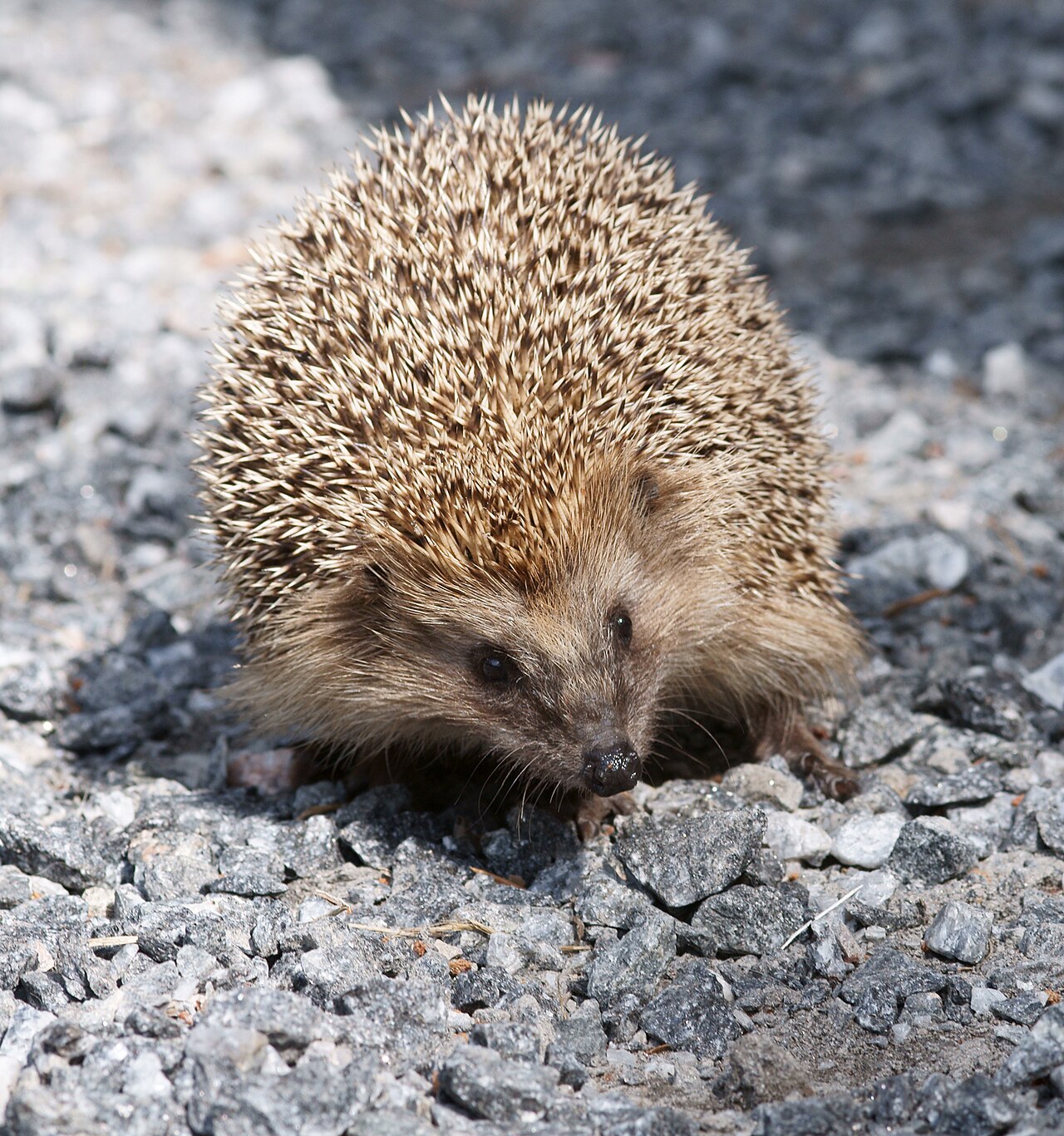
Two animals get mixed together in searches. Wild hedgehogs in gardens are European hedgehogs (Erinaceus europaeus), common across Britain and much of Europe but not found in the wild anywhere in the United States. The hedgehog in an American living room is almost always an African pygmy hedgehog (Atelerix albiventris). Their vocal repertoires overlap closely, so the descriptions below apply to both unless noted.
Hedgehogs snuffle and snort while foraging, chuff rhythmically during courtship, hiss and click when threatened, and scream only in pain or extreme fear. Hoglets whistle and peep for their mother. Soft snuffling and gentle purring mean a relaxed animal; hissing, popping and a tucked body mean stop.
| Sound | What it means | When you hear it |
|---|---|---|
| Snuffling, snorting, grunting | Normal foraging and breathing | Any night, while moving and feeding |
| Chuffing or puffing, steady rhythm | Courtship, male circling a female | Spring and summer nights |
| Hissing, with a tucked body | Threat warning, back away | Any time it feels cornered |
| Clicking and popping | Anger, often before a headbutt | Handling, rival hedgehogs |
| Screaming, high and piercing | Pain, injury or being trapped | Rare, mostly at night, needs help |
| Whistling or peeping | Hoglets calling the mother | Nest, roughly the first 3 weeks |
| Soft purring or whiffling | Relaxed and content | Settled handling, eating, nesting |
What Noises Do Hedgehogs Make?
Hedgehogs make far more noise than their size suggests. A foraging animal snuffles, snorts, grunts and rustles loudly enough that people regularly assume something much bigger is in the hedge. On top of that constant background noise sit the deliberate signals: chuffing, hissing, clicking, screaming and the whistle of young.
These are short range sounds. A hedgehog is not calling across a field the way an owl does, which is why the sounds are so often described by people standing within a few feet of one in the dark.
Snuffling and Snorting: The Everyday Sound

Snuffling is the sound of a hedgehog working. The animal pushes its nose through leaf litter, breathing hard, snorting out debris and grunting as it shifts position. It is continuous, wet and unhurried, and it carries 10 to 15 ft (3 to 5 m) on a still night.
This is the sound to be glad about. A snuffling hedgehog is relaxed and feeding. It is also the sound most often mistaken for a larger animal, because the volume does not match a creature that weighs 1 to 2 lbs (0.5 to 1 kg).
Why Do Hedgehogs Make a Chuffing Noise?

Hedgehogs make a chuffing noise during courtship. The male circles the female in slow, patient loops, puffing out a rhythmic chuff that sounds like a small steam engine or a panting dog. The female often snorts and huffs back, and the whole performance can go on for an hour or more in the same spot.
In Britain this is the classic sound of a May or June garden. In a household with two pet hedgehogs, the same chuffing between a male and female means a litter is likely, which is the main reason keepers house them separately.
Hissing and Clicking: Back Off
Hissing is unambiguous. It comes with the forehead quills pulled down over the face, the body bunched and often a sharp jump, and it means the animal has decided you are a threat. Approach anyway and the hiss usually turns into clicking or popping, a dry snapping sound made with the jaw and throat.
Clicking is the last warning before contact. Rival males click at each other before a shoving match, and a cornered hedgehog clicks before it headbutts with the quill crown. The right response is to stop moving and give it 30 seconds of quiet.
What Sounds Do Hedgehogs Make When Angry?
An angry hedgehog hisses, clicks and pops rather than growls or squeals. It is a short, hard set of sounds and it comes with visible body language: quills up, head tucked, body a tight ball. Some individuals add a low snorting bark when they are repeatedly disturbed.
Pet keepers see this most during the first weeks with a new animal, during a cage clean, or when a hedgehog is woken in daylight. It is almost always fear rather than temperament, and it fades as the animal learns a routine.
Why Do Hedgehogs Scream at Night?
A screaming hedgehog is an emergency. The sound is high, piercing and more like a rabbit or a small pig than anything else a hedgehog produces, and healthy animals do not make it casually. Screams come from animals caught in netting or fencing, struck by a vehicle, attacked by a dog, or badly injured by a strimmer.
Because hedgehogs are nocturnal, screams are almost always heard between dusk and dawn. If you hear one, take a flashlight and search the garden rather than waiting it out. An animal found quickly can often be saved by a wildlife rescue, and one found in the morning usually cannot.
What Sound Does a Hedgehog Make When Happy?
A content hedgehog is quiet and slightly musical. Keepers describe soft purring, a light whiffling through the nose, and a gentle snuffling while the animal explores a hand or a familiar blanket. Some hedgehogs produce a faint vibrating hum while eating something they like.
Snoring belongs in this group too. Sleeping hedgehogs breathe audibly, sometimes with a small whistle on each breath, and in a quiet room it is clearly audible through a nest. It sounds like effort but it is just a deeply asleep animal, much as the heavy nocturnal breathing noises people notice in bear vocalizations at a distance mean nothing alarming on their own.
Baby Hedgehog Sounds
Hoglets sound like birds. For the first 2 to 3 weeks of life they produce thin whistles, peeps and chirps to call their mother back to the nest, a sound many people first hear from under a shed and take for a nest of chicks. As they grow, the whistles shorten into squeaks and then into adult snuffling.
A whistling hoglet out in the open in daylight is in trouble and needs a rescue rather than a saucer of food. Development, weaning and the common mistakes around orphaned young are covered in detail in our guide to baby hedgehogs.
When You Hear Each Sound
Timing narrows things down fast. Chuffing and circling belong to spring and early summer. Hoglet whistles run from roughly May through September in wild populations. Hissing and clicking happen year round whenever an animal feels cornered. Screaming has no season and always means intervention.
Within a night, activity starts shortly after dark, peaks in the first few hours, and tails off before dawn. A hedgehog making noise in broad daylight is unusual enough to be treated as a welfare concern, the same way a daytime call from a strictly nocturnal bird is, which is one reason barn owl calls are logged by hour as well as by date.
Hedgehog Noises Confused With Other Animals
In the United States, a rustling or scratching noise in a wall, an attic or a crawl space is not a hedgehog. There are no wild hedgehogs on the continent, and the usual culprits are mice, rats, squirrels, raccoons or opossums. Pet hedgehogs do make noise at night inside the house, mostly wheel running, bowl pushing and cage bar clicking.
In gardens, the snuffling and grunting is confused most often with hunting cats, rabbits in distress and brushy nocturnal foragers. Scratching and gnawing on wood points to rodents rather than hedgehogs, which do not gnaw structures the way beavers or house mice do. Flight noise overhead with high thin chirps is a different animal entirely, as our notes on bat sounds explain.
Frequently Asked Questions
How to tell if a hedgehog is happy?
Listen for soft snuffling with the quills flat and the face exposed, and watch for steady exploring instead of freezing. A relaxed hedgehog may purr faintly or whiffle while being held. Hissing, popping, a tucked head or a tight ball all mean the animal is stressed, not calm.
Do hedgehogs like when you talk to them?
They respond to voice more than people expect. Hedgehogs have poor eyesight and strong hearing, and a consistent quiet voice becomes part of how they recognize a keeper. Talk low and steadily during handling. Sudden loud speech or laughter near a hedgehog usually produces an immediate hiss.
Do hedgehogs like to be cuddled?
Most tolerate close contact rather than seek it. A hedgehog that has learned your scent will settle in a lap or a fleece pouch, uncurl and sleep, which is as close to cuddling as the species gets. Pressing one against your chest or restraining it tends to trigger hissing and quill raising.
Can you hold a hedgehog with your bare hands?
Yes, with technique. Scoop from underneath with flat palms rather than grabbing from above, and let the animal walk onto your hands. Relaxed quills are stiff but not painful. Also wash your hands before and after: pet hedgehogs can carry Salmonella, as the CDC notes for small exotic pets.
Why is my hedgehog clicking at me?
Clicking is a warning that something about the situation is wrong. Common triggers are being woken during the day, an unfamiliar smell on your hands, a cage change or another hedgehog’s scent. Stop handling, give the animal a dark quiet hour, and try again later with the same routine each time.
What does a hedgehog scream sound like?
Like a small pig or a screaming rabbit: loud, high pitched, drawn out and clearly distressed. It carries across a garden and sounds nothing like the wet snuffling of normal activity. Treat it as a call for help and search with a flashlight immediately rather than in the morning.