Giant Swallowtail Butterfly: North America’s Largest Species
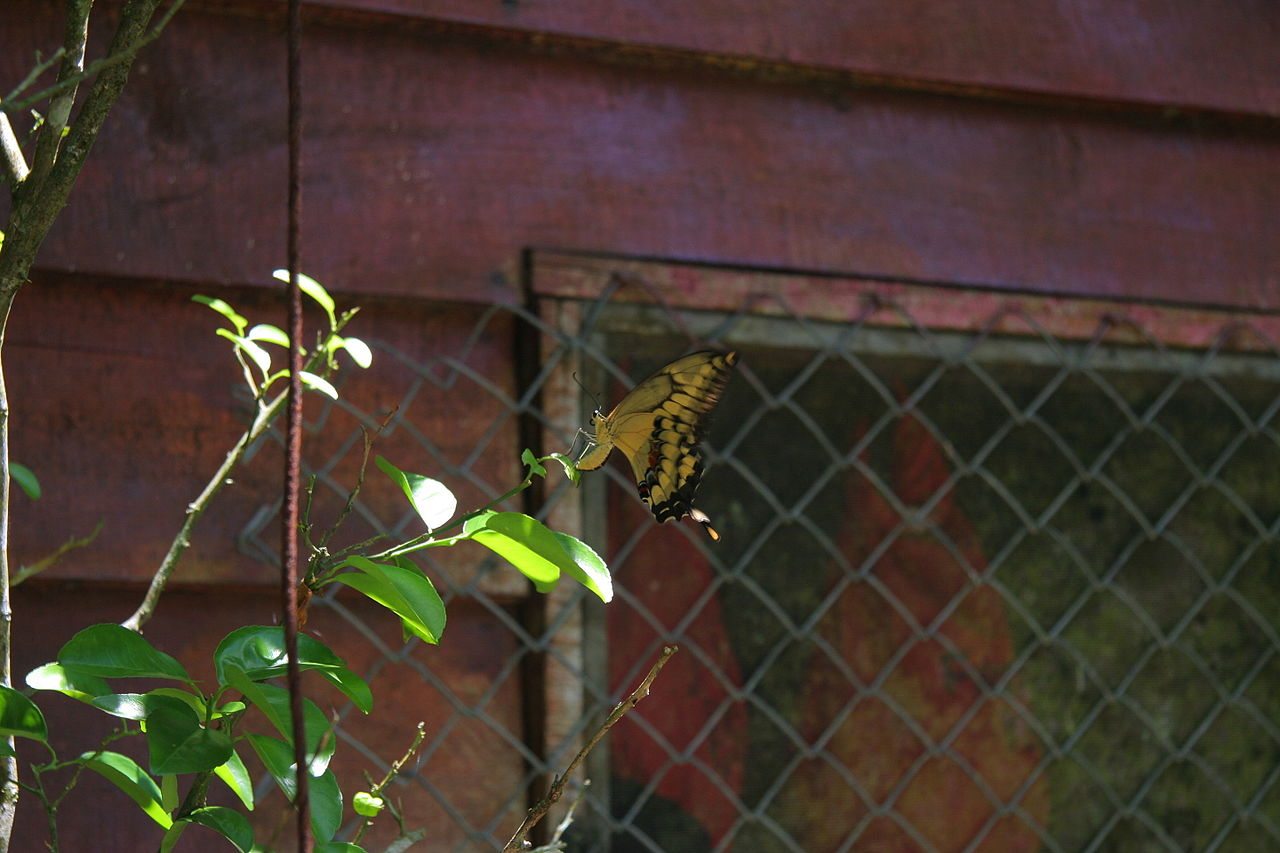
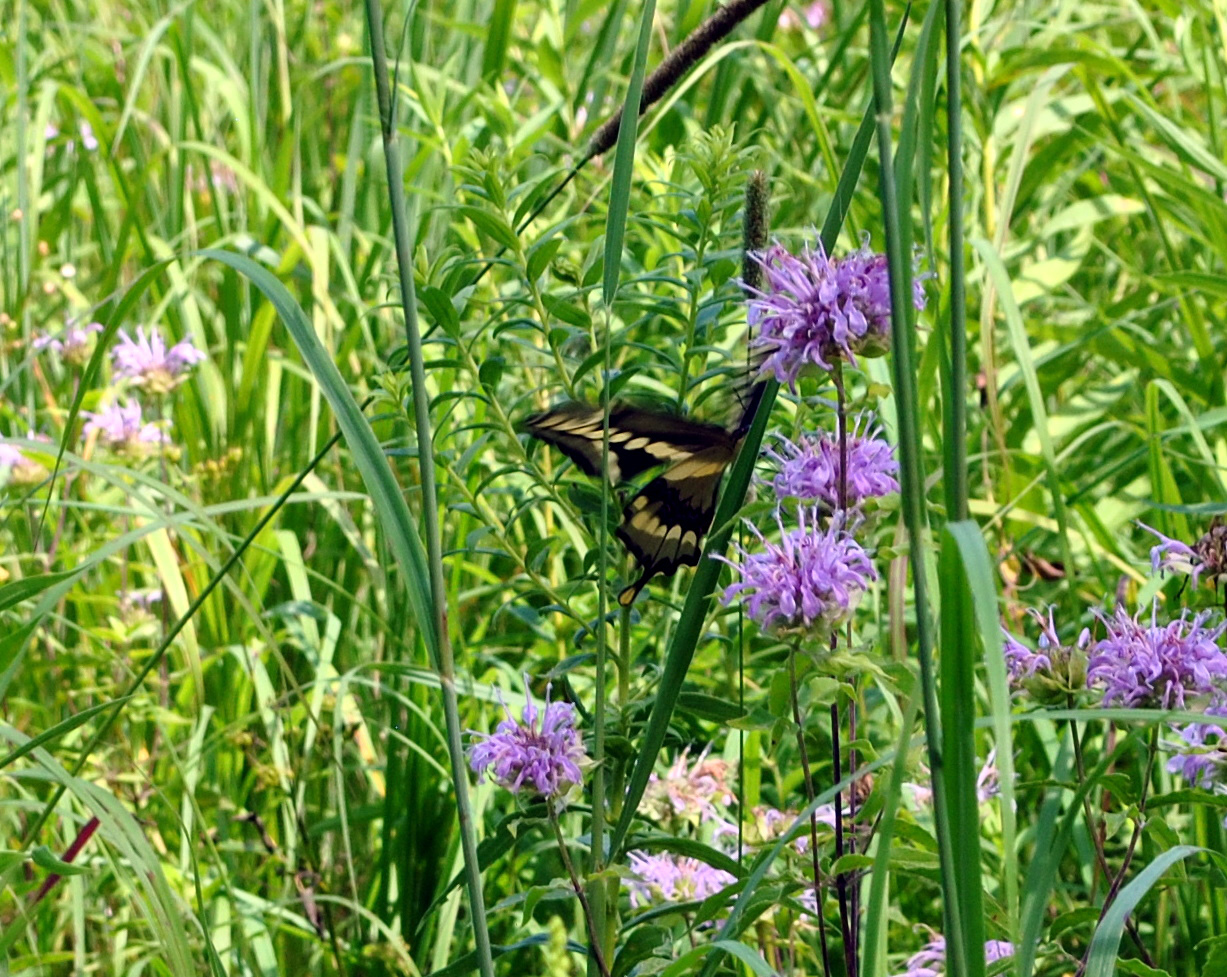
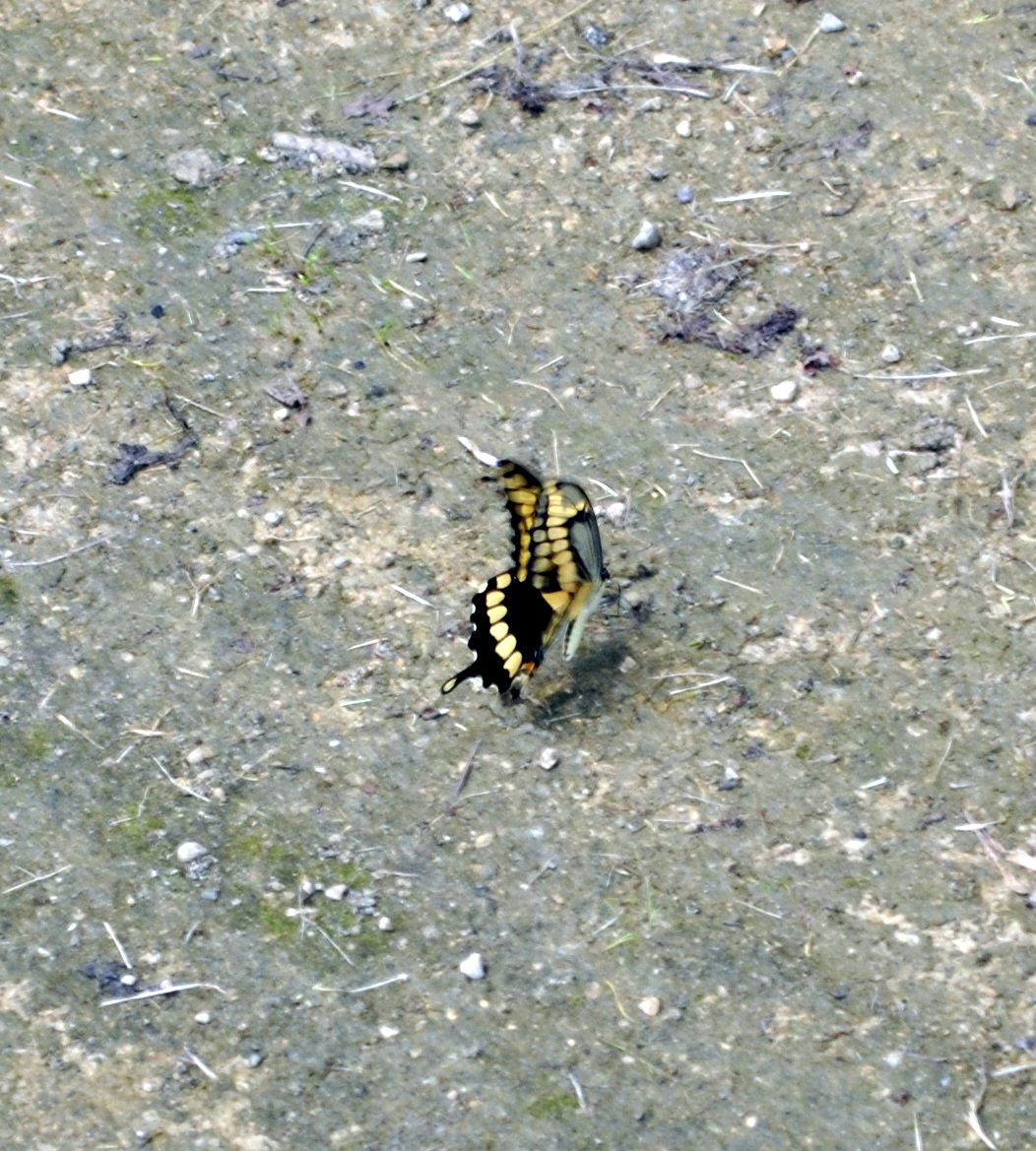
The giant swallowtail holds the genuine distinction of being the largest butterfly species found in North America, with a wingspan reaching up to 6.5 inches, considerably larger than even the familiar tiger swallowtail most Americans picture first, and displaying a notably different pattern arrangement entirely: predominantly dark brown-black wings marked with a diagonal band of yellow spots across the forewing, plus a distinctive yellow patch forming a rough X pattern visible specifically on the underside of the hindwing when the butterfly rests with wings closed.
Beyond its impressive size and distinctive pattern, the giant swallowtail carries genuine agricultural significance through its caterpillar’s specific relationship with citrus family plants, a host plant connection that has earned the larval stage the memorable common nickname orange dog among citrus growers dealing with occasional feeding damage, making this species a genuinely interesting case study connecting backyard butterfly appreciation to real agricultural considerations. This guide covers the giant swallowtail’s identification details, its remarkable caterpillar with its distinctive bird-dropping camouflage, host plant relationships and range, life cycle timeline, and how to distinguish this species from other similarly large, dark-patterned butterflies.
| Fact | Giant Swallowtail |
|---|---|
| Wingspan | Up to 6.5 inches |
| Status | Largest butterfly in North America |
| Key identifying mark | Yellow X-pattern on hindwing underside |
| Host plants | Citrus family (including cultivated citrus) |
| Caterpillar nickname | Orange dog |
| Range | Southern and eastern United States |
Identifying North America’s Largest Butterfly
The giant swallowtail’s defining feature is simply its remarkable size, with a wingspan reaching up to 6.5 inches, making it noticeably and often surprisingly larger than other common swallowtail species sharing similar range, a size difference substantial enough that experienced observers often identify this species by scale alone before even examining the specific pattern details that confirm the identification further.
The pattern itself differs meaningfully from the more familiar yellow-dominant tiger swallowtail pattern, showing predominantly dark brown to black wings marked with a diagonal band of yellow spots running across the forewing, creating an overall darker visual impression than the brighter, more uniformly yellow tiger swallowtail pattern most casual observers picture when imagining a large swallowtail butterfly.
The single most diagnostic identification feature specifically is the underside of the hindwing, which displays a distinctive yellow patch forming a rough X or cross shape, a marking genuinely unique enough among North American swallowtails that spotting this particular pattern, visible when the butterfly rests with wings folded closed, confirms giant swallowtail identification with considerable confidence even when the topside pattern alone might leave some room for uncertainty against other dark swallowtail species.
The Orange Dog: A Distinctive Caterpillar
Giant swallowtail caterpillars have earned the memorable common nickname orange dog specifically among citrus growers, reflecting both their genuine feeding relationship with citrus plants and their distinctive, somewhat unusual appearance, which mimics bird droppings remarkably convincingly, a camouflage strategy that likely provides real protection from predators who simply overlook what appears to be an unappetizing dropping rather than recognizing an actual caterpillar worth pursuing as prey.
This bird-dropping mimicry becomes increasingly convincing as the caterpillar grows through its various developmental stages, with the mottled brown and white coloring pattern closely resembling actual bird waste closely enough that many people encountering an orange dog caterpillar for the first time genuinely mistake it for exactly that rather than recognizing it as a living, feeding insect actively present on the host plant.
Beyond visual camouflage, orange dog caterpillars also possess a specialized defensive structure called an osmeterium, a forked, fleshy organ that can be everted from just behind the head when the caterpillar feels threatened, releasing a distinctly unpleasant odor meant to deter predators, the same defensive adaptation shared broadly across swallowtail caterpillars generally.
Host Plants and the Citrus Connection
Giant swallowtail caterpillars feed specifically on plants in the citrus family, including cultivated orange, lemon, and grapefruit trees alongside various wild citrus relatives, a host plant relationship that connects this otherwise purely appreciated butterfly species to genuine agricultural considerations for citrus growers specifically dealing with occasional caterpillar feeding damage to their cultivated trees.
While a single caterpillar rarely causes serious damage to an established mature citrus tree, heavier infestations or damage to young, still-developing trees can genuinely concern commercial citrus operations, making the giant swallowtail one of the relatively few butterfly species where backyard appreciation for a beautiful, harmless adult butterfly intersects meaningfully with real pest management considerations at the caterpillar stage specifically for citrus-growing operations.
For home gardeners specifically hoping to attract giant swallowtails rather than manage them as a citrus pest concern, planting citrus trees, or their wild relatives where citrus itself is not practical for the local climate, provides the specific host plant this species requires, though gardeners should generally expect and welcome some caterpillar feeding damage as the necessary cost of successfully hosting this genuinely spectacular species through its complete life cycle.
Range and Habitat
Giant swallowtails range primarily across the southern and eastern United States, extending somewhat further south into Mexico and parts of Central America than many other common swallowtail species typically reach, with their specific distribution closely tracking the availability of citrus and related host plants across this broader geographic range rather than being limited by climate or habitat preferences alone.
This species has also shown some documented range expansion into more northern areas in recent decades, a pattern some researchers connect to broader climate shifts allowing citrus-family plants and the giant swallowtail itself to establish successfully in areas previously outside their more traditional historical range, making this species a genuinely interesting case study for observers tracking butterfly range shifts over time.
Within their range, giant swallowtails favor citrus groves specifically where available, but also utilize wild citrus relatives found in woodland edges, hammocks, and various disturbed habitat areas, giving this species a genuinely flexible habitat tolerance beyond just cultivated agricultural settings, meaning encountering a giant swallowtail does not necessarily require proximity to an actual citrus grove or orchard specifically.
Life Cycle and Seasonal Timing
Giant swallowtails typically produce multiple generations per year across the warmer portions of their range, with adults present from spring through fall in many areas, following the same basic complete metamorphosis life cycle, egg, caterpillar, chrysalis, adult, shared across all swallowtail species, though the specific number of generations and exact seasonal timing varies somewhat based on regional climate and length of the growing season.
The chrysalis stage displays a genuinely effective camouflage strategy of its own, typically resembling a broken twig or piece of bark closely enough to avoid predator detection during this vulnerable, immobile developmental stage, a protective adaptation that complements the caterpillar’s own bird-dropping mimicry covered earlier in creating multiple layers of camouflage protection across this species’ complete developmental timeline from egg through adult emergence.
Adult giant swallowtails, once emerged, feed on nectar from various flowering plants, contributing to pollination alongside their better-known role as one of the more visually spectacular and size-impressive butterfly species encountered across their range, with adult lifespan typically running several weeks, allowing sufficient time for mating and egg-laying to continue the species’ life cycle into the next generation.
Giant Swallowtail vs Other Large Dark Swallowtails
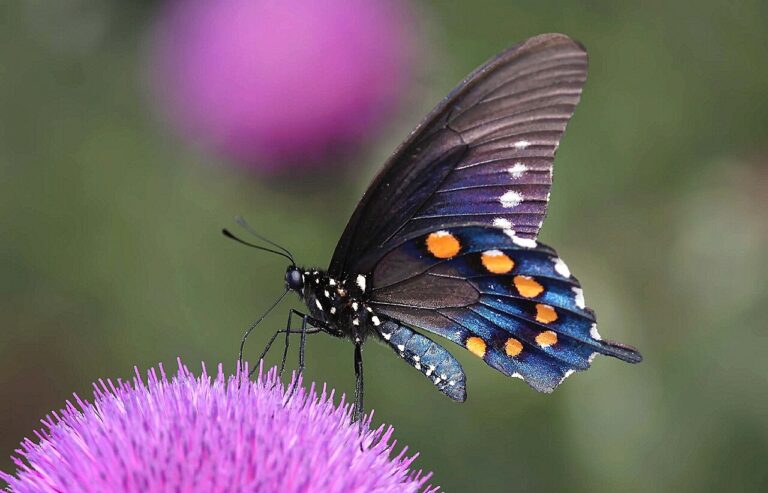
Distinguishing the giant swallowtail from other similarly large, dark-patterned swallowtail species sharing overlapping range relies primarily on that distinctive underside hindwing X-mark covered earlier, since species like the spicebush swallowtail or pipevine swallowtail, while also displaying predominantly dark coloring, lack this specific yellow X-pattern, instead showing their own distinct identifying features covered in complete comparative detail in our black and blue butterfly guide.
Size itself provides a further useful distinguishing feature even before checking specific pattern details, since the giant swallowtail’s considerably larger overall wingspan compared to most other dark swallowtail species sharing similar range means a notably large dark swallowtail specimen should immediately prompt checking specifically for the diagnostic underside X-mark before considering other, generally smaller dark swallowtail possibilities.
For a complete comparative overview covering all major North American swallowtail species together, including the giant swallowtail alongside the tiger, black, zebra, pipevine, and spicebush swallowtails, our comprehensive swallowtail butterfly identification guide provides the full family-level comparison this species-specific deep dive builds upon, offering readers the broader context needed to confidently place the giant swallowtail within the complete landscape of North American swallowtail diversity.
Giant Swallowtails Among Other Large, Distinctively Patterned Butterflies
Placing the giant swallowtail within the broader landscape of color and pattern-based butterfly identification helps sharpen recognition further, since several related guides covering similarly large species approach identification from different angles, our yellow and black butterfly guide covers the more familiar yellow-dominant tiger swallowtail pattern, while our orange and black butterfly guide addresses the monarch and its mimics, species sharing the giant swallowtail’s general large size but displaying an entirely different color scheme and pattern arrangement.
Comparing the giant swallowtail’s dark, X-marked pattern against these other large butterfly identification guides, along with the rarer color variants covered in our green butterfly guide, helps build a genuinely comprehensive toolkit for confidently sorting between the range of large, visually striking butterfly species commonly encountered across similar garden and woodland edge habitats throughout the eastern and southern United States.
This comparative approach, checking size, color scheme, and specific diagnostic markings together across multiple related species guides, generally resolves large butterfly identification considerably more confidently than attempting to memorize any single species’ features in isolation, particularly valuable given how many genuinely large, visually impressive butterfly species share overlapping range and garden habitat preferences.
Attracting Giant Swallowtails to Your Garden
Successfully attracting giant swallowtails specifically requires planting citrus family host plants, whether actual citrus trees where climate permits or wild citrus relatives in regions less suited to cultivated citrus, since this species’ caterpillars depend entirely on this specific plant family, making host plant availability the single most important factor determining whether this species can successfully breed on a given property rather than simply pass through as an adult seeking nectar alone.
Beyond host plants, providing nectar sources through flowering plants supports adult feeding needs, while avoiding broad-spectrum insecticide use near any planted citrus specifically protects the eggs and caterpillars that would otherwise be eliminated before ever reaching the spectacular adult stage most gardeners specifically hope to observe and enjoy within their own landscape.
Gardeners specifically growing citrus for fruit production alongside hoping to attract giant swallowtails should expect and plan for some caterpillar feeding damage as an acceptable cost of successfully hosting this species, since the alternative, treating caterpillars as a pest to be eliminated entirely, forecloses any chance of actually witnessing this genuinely spectacular butterfly’s complete life cycle unfold on plants specifically capable of supporting it.
Related reading: Zebra Swallowtail Butterfly.
Related reading: Spicebush Swallowtail Butterfly.
Related reading: Pipevine Swallowtail Butterfly.
Frequently Asked Questions
What is the largest butterfly in North America?
The giant swallowtail, with a wingspan reaching up to 6.5 inches, identifiable by its dark brown-black wings with yellow spot bands and a distinctive yellow X-shaped mark on the underside of the hindwing.
Why is the giant swallowtail caterpillar called an orange dog?
This nickname reflects both its feeding relationship with citrus (orange) trees and its distinctive appearance mimicking bird droppings, a name commonly used among citrus growers dealing with this species as an occasional caterpillar pest.
Do giant swallowtail caterpillars damage citrus trees?
A single caterpillar rarely seriously damages an established mature tree, though heavier infestations or feeding on young, developing trees can genuinely concern commercial citrus growers specifically.
How can I tell a giant swallowtail from other dark swallowtails?
Check the underside of the hindwing for a distinctive yellow X-shaped pattern, a marking unique to this species among common North American swallowtails, combined with its notably larger overall size.
What plants attract giant swallowtail butterflies?
Citrus family plants specifically, including cultivated orange, lemon, and grapefruit trees or wild citrus relatives, since giant swallowtail caterpillars depend entirely on this host plant family for development.
Why does the giant swallowtail caterpillar look like bird poop?
This mottled brown and white camouflage pattern likely provides genuine protection from predators, who overlook what appears to be unappetizing bird droppings rather than recognizing an actual living caterpillar worth pursuing.
Where do giant swallowtails live?
Primarily across the southern and eastern United States, extending into Mexico and Central America, with distribution closely tracking availability of citrus and related host plants, and some documented range expansion northward in recent decades.