Ladybug Look Alike: Insects Commonly Mistaken for Ladybugs
Several common backyard insects get mistaken for ladybugs despite meaningful differences once you know what to check, with the Asian lady beetle causing by far the most confusion since it is itself a genuine lady beetle species, just a different one than the classic native seven-spotted ladybug most Americans picture. Beyond that closely related lookalike, a handful of unrelated insects, including certain leaf beetles, the boxelder bug, and some true bugs with a superficial round-and-spotted resemblance, round out the list of creatures regularly mistaken for ladybugs at a glance.
Sorting out which round, often-spotted insect you are actually looking at matters for practical reasons beyond simple curiosity, since some lookalikes bite or invade homes in large numbers while true ladybugs generally do neither, and correctly identifying what is actually in your garden or home helps you respond appropriately rather than treating every round spotted insect the same way. This guide covers the most common ladybug lookalikes, the specific field marks that separate each from true ladybugs, and what those differences mean practically for gardeners and homeowners.
| Lookalike | Key Difference from True Ladybugs |
|---|---|
| Asian lady beetle | M-shaped mark behind head, more variable spots |
| Boxelder bug | Elongated oval, red-and-black stripes, not round |
| Squash beetle | Larger, duller, feeds on squash leaves |
| Milkweed bug | True bug, distinct orange-black pattern, elongated |
| Pill bugs/beetles | Different body shape, rolls into a ball |
Asian Lady Beetle: The Closest True Lookalike
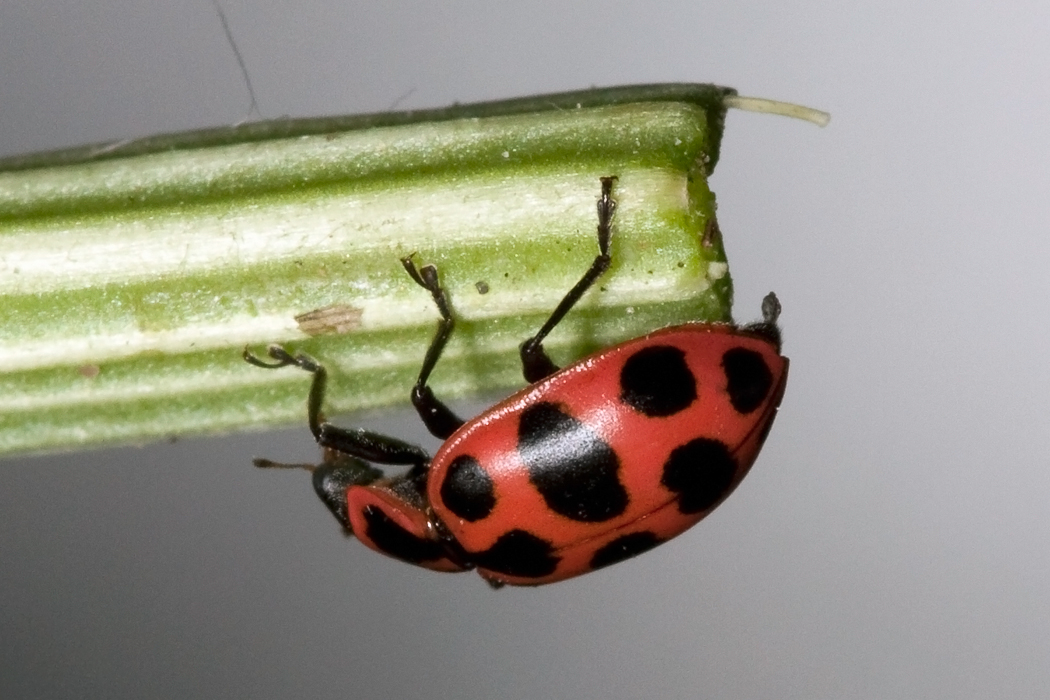
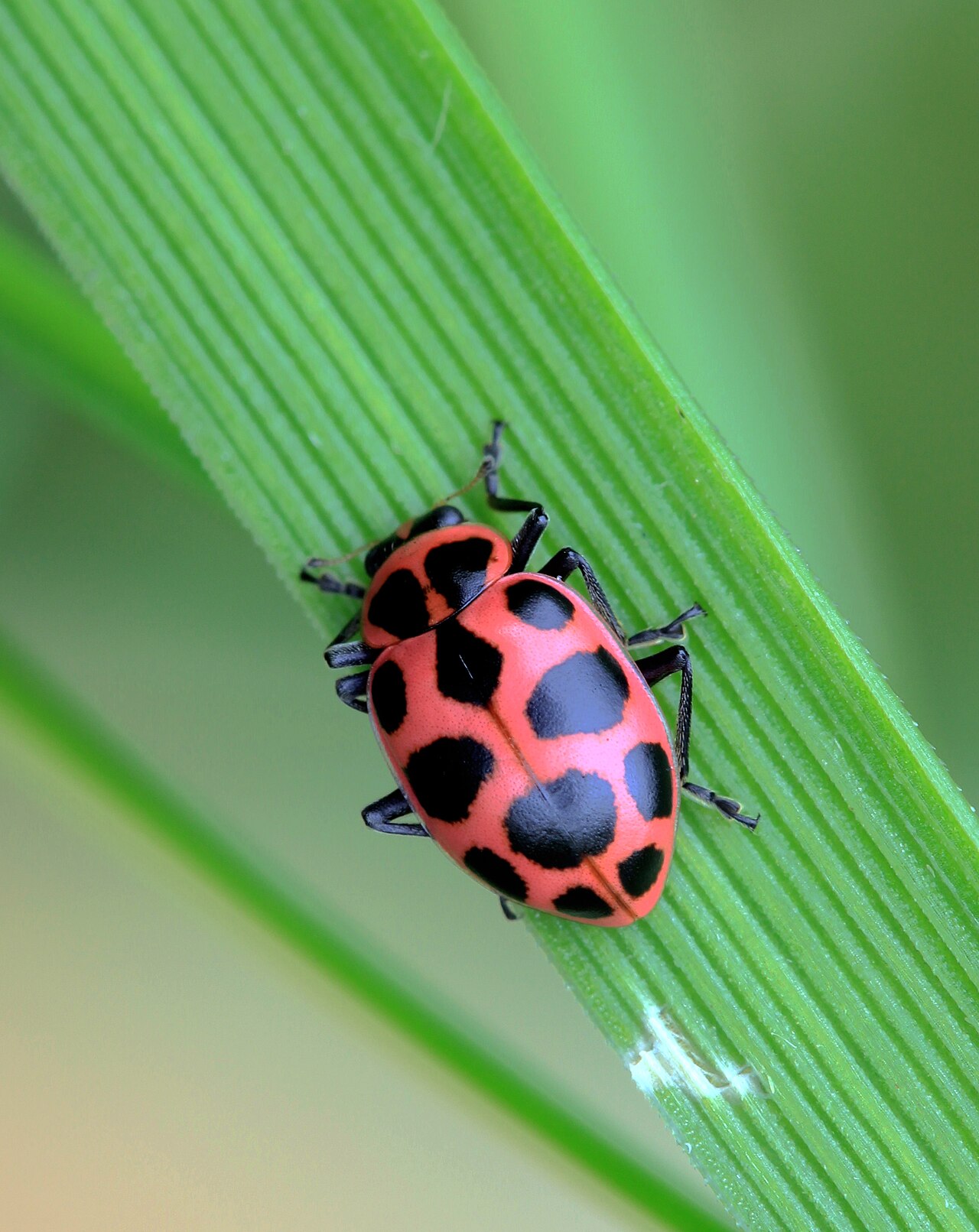
The Asian lady beetle is by far the most commonly confused ladybug lookalike, and for good reason: it genuinely is a lady beetle species, just a different one introduced from Asia rather than a native North American species like the classic seven-spotted ladybug most people picture when they hear the word. The two are close enough relatives that casual observers frequently cannot tell them apart without checking specific field marks.
The most reliable distinguishing feature is a distinctive M-shaped or W-shaped black marking on the pale area directly behind the head (the pronotum), present on Asian lady beetles but absent on native seven-spotted ladybugs, which instead show a simpler pattern in that same region, making this single field mark genuinely the fastest way to separate the two species with confidence.
Asian lady beetles also show considerably more variable spot patterns than the reliably seven-spotted native species, ranging from nearly spotless individuals to specimens with nineteen or more spots, and their overall color runs a wider range from pale orange through deep red, whereas native seven-spotted ladybugs maintain a more consistent bright red-orange background with exactly seven black spots. Our dedicated Asian lady beetle vs ladybug guide covers this comparison in complete detail, including the specific home-invasion behavior that makes correctly identifying this species particularly practical for homeowners.
Boxelder Bugs: Similar Color, Different Shape
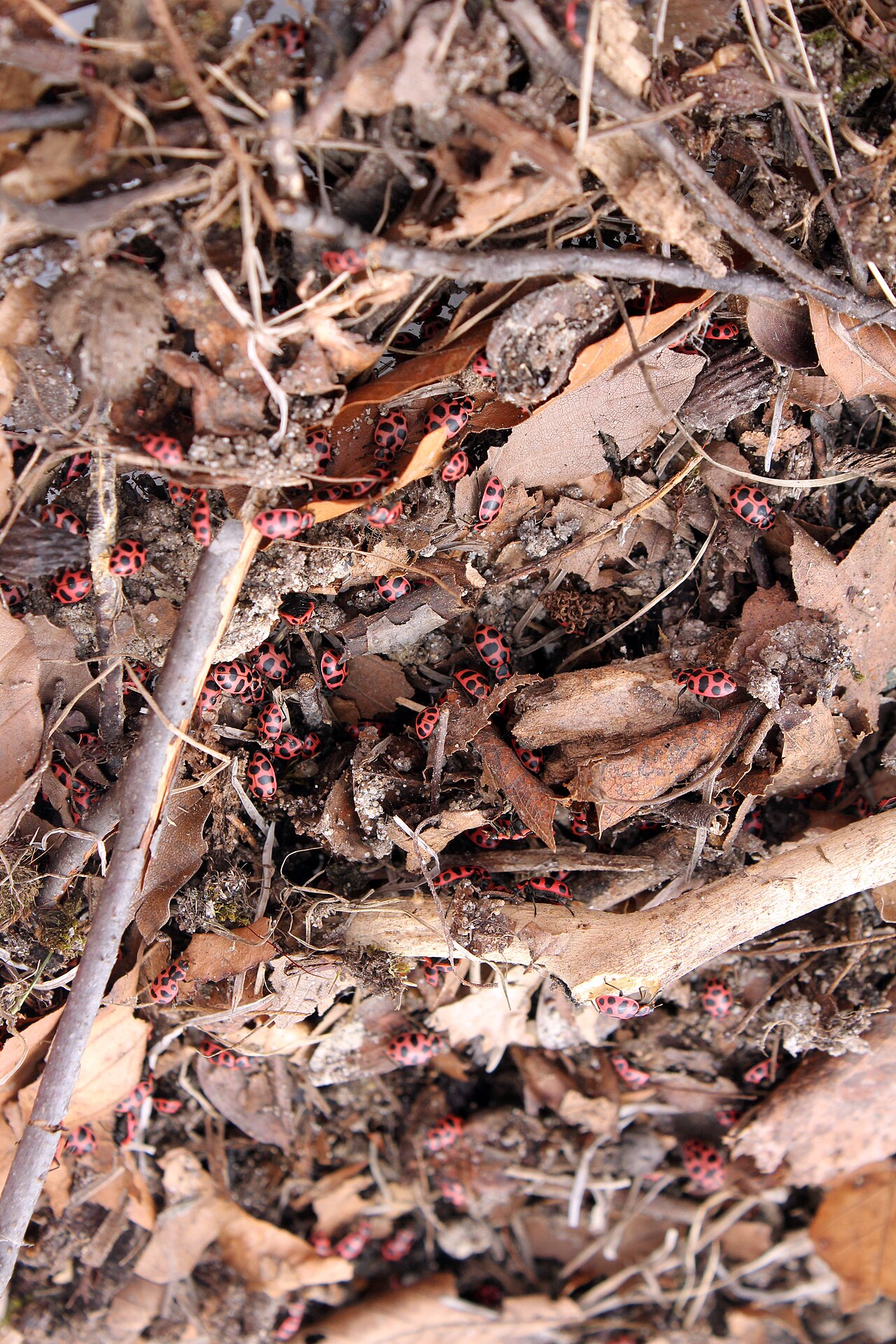
Boxelder bugs cause a different kind of confusion, since they share a somewhat similar red-and-black color scheme with ladybugs but differ dramatically in overall body shape once you look past the color palette alone. Where true ladybugs show a distinctly rounded, dome-shaped body, boxelder bugs are noticeably elongated and oval, with a flatter overall profile lacking the ladybug’s characteristic rounded hump.
The pattern itself also differs considerably on close inspection: boxelder bugs show black wings with red or orange stripe markings along the edges rather than the discrete round spots typical of true ladybugs, a linear rather than dotted pattern that becomes obvious once specifically compared side by side rather than glimpsed briefly from a distance.
Boxelder bugs are true bugs (order Hemiptera) rather than beetles, a fundamentally different insect group than ladybugs entirely, and they are known for entering homes in large numbers during fall seeking overwintering shelter, similar in this specific home-invasion behavior to Asian lady beetles, though boxelder bugs do not bite people the way Asian lady beetles occasionally do and are generally considered a purely nuisance pest rather than any genuine concern beyond their sometimes overwhelming numbers.
Squash Beetles and Other Leaf-Feeding Lookalikes
Several leaf beetle species share a broadly similar rounded, sometimes spotted appearance with true ladybugs but differ in size, color vibrancy, and crucially, diet. The squash beetle, closely related to ladybugs within the same broader beetle family, is noticeably larger and duller in coloration, typically a muted yellowish-orange rather than the bright red-orange of common ladybug species, and feeds destructively on squash and cucumber family plants rather than the aphids ladybugs consume.
This dietary difference matters considerably for gardeners specifically, since true ladybugs are beneficial predators that gardeners actively want to encourage for natural aphid control, while squash beetles and similar leaf-feeding relatives are genuine garden pests causing direct plant damage, making correct identification a practical matter of knowing whether to welcome or manage a given rounded, spotted insect found on garden plants.
Several other leaf beetle species across different plant families show broadly similar rounded, sometimes spotted body plans without being true lady beetles at all, and the most reliable general distinguishing approach involves checking behavior and location alongside appearance: an insect actively feeding on and damaging leaf tissue is more likely a plant-feeding leaf beetle, while one found near aphid colonies or actively hunting small soft-bodied insects is more likely a genuine, beneficial ladybug.
Milkweed Bugs and Other True Bugs
The large milkweed bug presents a genuinely different kind of lookalike case, since it is a true bug entirely unrelated to beetles, sharing only a superficial orange-and-black color scheme with certain ladybug species rather than any close biological relationship. Its body shape is considerably more elongated than a true ladybug’s rounded dome, with a distinctive pattern of black markings on an orange background that, while colorful, follows a genuinely different visual pattern than the round black spots on a ladybug’s back.
Milkweed bugs feed specifically on milkweed plant seeds and sap, a specialized diet directly tied to their namesake host plant, making them commonly encountered specifically around milkweed patches rather than the broader range of garden and landscape settings where true ladybugs typically appear while hunting aphids across many different plant species.
Several other true bug species share this same general pattern of superficial color resemblance without close biological relationship to actual ladybugs, and the most reliable distinguishing approach for this broader category involves checking overall body shape first, true bugs generally show a more elongated, flattened profile compared to the ladybug’s distinctive rounded dome, before relying on color pattern alone, which can genuinely overlap between unrelated insect groups more than many people expect.
What Entomologists Say About Reliable Identification
Extension entomology programs at agricultural universities, which regularly field public identification questions about ladybugs and their lookalikes, consistently emphasize checking multiple features in combination rather than relying on any single trait, since color and general size overlap considerably across the various species discussed throughout this guide. Research published through university extension entomology departments specifically highlights the pronotum marking pattern as the single most diagnostic feature separating Asian lady beetles from native ladybug species.
This multi-feature identification approach mirrors best practices recommended across professional entomology more broadly, whether identifying beetles, true bugs, or any other insect group where superficial color resemblance can mislead casual observers who focus on a single obvious trait rather than the fuller combination of shape, marking pattern, and behavior that provides genuinely reliable species-level identification.
For gardeners specifically concerned about correctly identifying beneficial versus pest species in their own yards, extension entomology resources generally recommend keeping a simple reference photo or field guide handy during the growing season, since the specific lookalikes present and their relative abundance can vary meaningfully by region, making locally relevant identification resources a genuinely valuable supplement to the general field marks covered throughout this guide.
Why Correct Identification Actually Matters
Beyond simple curiosity, correctly distinguishing true ladybugs from their various lookalikes carries genuine practical value across several situations gardeners and homeowners commonly encounter. For garden pest management specifically, true ladybugs represent valuable, beneficial predators worth actively encouraging, since both adults and their larvae consume large numbers of aphids and other soft-bodied pest insects, while several lookalikes, including squash beetles, are themselves garden pests requiring different management approaches entirely.
For home invasion concerns specifically, distinguishing Asian lady beetles from true native ladybugs matters because Asian lady beetles are considerably more likely to enter homes in large numbers seeking overwintering shelter and occasionally deliver a mild bite, addressed in detail in our do ladybugs bite guide, whereas true native ladybug species rarely invade homes to the same degree or in comparable numbers.
For anyone simply trying to accurately identify backyard wildlife, understanding this broader category of lookalikes prevents the common mistake of assuming every round or spotted small insect must automatically be a ladybug, a habit that, once corrected through learning the specific field marks covered throughout this guide, considerably improves overall insect identification confidence across many other backyard species beyond just this particular comparison.
Color Variations Add to the Confusion
Ladybug coloration itself varies considerably more than many people realize, with legitimate true ladybug species and color forms ranging from the classic red-orange background through genuinely orange and yellow variants, adding another layer of complexity when trying to sort true ladybugs from lookalikes based on color alone rather than shape and specific markings.
This natural color variation within true ladybug species means that color alone should never serve as the primary identification tool for separating ladybugs from lookalikes, since a genuinely yellow true ladybug and a yellowish squash beetle lookalike might appear superficially similar in overall color tone despite being entirely different insects requiring the shape, marking, and behavioral checks covered throughout this guide to properly distinguish.
This is precisely why field guides and identification resources consistently emphasize checking multiple features together, body shape, specific marking patterns like the Asian lady beetle’s characteristic M-mark, host plant or prey association, and behavior, rather than relying on any single feature like color in isolation, an approach that resolves the overwhelming majority of ladybug lookalike confusion once properly applied.
Frequently Asked Questions
What is commonly mistaken for a ladybug?
The Asian lady beetle causes the most confusion since it is a genuine close relative, followed by boxelder bugs, squash beetles, and milkweed bugs, all of which share some superficial color or shape resemblance without being true native ladybug species.
How can I tell an Asian lady beetle from a true ladybug?
Check for a black M or W shaped marking on the small plate behind the head, present on Asian lady beetles and absent on native seven-spotted ladybugs, along with more variable spot counts on the Asian species.
Are ladybug lookalikes harmful to my garden?
Some are; squash beetles and certain other leaf beetle lookalikes feed destructively on garden plants, unlike true ladybugs, which are beneficial predators that consume aphids and other soft-bodied pest insects.
Do ladybug lookalikes bite people?
Asian lady beetles occasionally deliver a mild, generally harmless bite, particularly when they invade homes in large numbers, while true native ladybugs and most other lookalikes like boxelder bugs do not typically bite people at all.
Why do so many different insects look like ladybugs?
Some, like the Asian lady beetle, are genuine close relatives sharing similar coloration and body shape naturally. Others, like milkweed bugs, share only superficial color resemblance through unrelated evolutionary paths rather than close biological relationship.
What is the single fastest way to identify a true ladybug?
Check overall body shape first, true ladybugs show a distinctly rounded, dome-shaped profile, then look for discrete round spots rather than stripes or linear markings, and finally check for the absence of the Asian lady beetle’s characteristic M-shaped mark.
Can ladybugs be yellow or orange instead of red?
Yes, legitimate ladybug color variations include orange and yellow forms, meaning color alone should never be used to distinguish true ladybugs from lookalikes without also checking shape and specific marking patterns.

Similar Posts
Baby Rat Snake: Identification and Why It Looks So Different
Baby rat snakes are gray and blotchy, nothing like the plain adults, and get mistaken for copperheads every August. ID, the saddle-vs-hourglass check, and what to do.
Painted Turtle: Care, Diet & Lifespan Guide
A complete painted turtle guide covering subspecies, diet, tank setup, cold-tolerance, and the long lifespan.
Red Butterfly: Which Species Are Actually Red
Most red butterflies are really orange. The red admiral comes closest in North America. Which species qualify, why true red is rare, and what a sighting means.
Lizard Poop: Identification and What It Tells You
Lizard poop is a dark pellet with a white uric acid tip. How to tell it from rat, mouse, snake, frog, and roach droppings, whether it is dangerous, and safe cleanup.
What Do Mice Eat? Wild, House & Pet Diet Guide
What mice eat in the wild, indoors as a household pest, and as pets, plus the cheese myth and foods to avoid.
How to Get Rid of Japanese Beetles Without Making It Worse
Hand-picking beats every spray, and traps actively make the problem worse. Here is what works on Japanese beetles, plus grub control and plant choice.