Skunk Sounds: The Warning Sequence Before Spraying
Skunk sounds are genuinely varied and considerably more expressive than most people expect from an animal primarily known for its famous chemical defense, with striped skunks producing soft chirping and cooing sounds during friendly social interactions, sharp hisses and stamping foot displays as an early warning before actually resorting to spraying, and distinctive screeches or growls during territorial disputes or genuine alarm, giving this well-known backyard visitor a genuinely rich vocal repertoire most people never hear given how effectively skunks generally avoid direct confrontation in the first place.
Understanding this full vocal and behavioral warning system matters practically for anyone living in skunk territory specifically, since skunks display a genuinely reliable, escalating sequence of warning signals, foot stamping, hissing, and tail-raising, before actually resorting to spraying, meaning recognizing these earlier warning signs and responding appropriately by backing away calmly can help avoid the considerably more memorable consequence of an actual spray encounter. This guide covers the full range of skunk vocalizations, the critical escalating warning sequence before spraying occurs, mother-kit communication specifically, and how to respond appropriately when encountering a skunk displaying these various warning behaviors.
| Sound/Behavior | What It Means |
|---|---|
| Soft chirping/cooing | Friendly social interaction, contentment |
| Foot stamping | Early warning, first stage of threat display |
| Hissing | Escalated warning, second stage |
| Tail raising/arching | Final warning before spraying |
| Screech/growl | Territorial dispute, genuine alarm |
| Actual spray | Last resort after warnings ignored |
Soft Chirping and Social Sounds
Beyond their famous defensive capabilities, skunks produce genuinely gentle, soft chirping and cooing sounds during friendly social interactions, particularly between mothers and their kits and during peaceful encounters between mates or family members, a considerably softer vocal register than the more attention-grabbing warning behaviors most people specifically associate with this species.
This softer vocal communication serves genuine social bonding and coordination functions within skunk family groups, helping maintain contact and connection during normal foraging and social activity without the defensive urgency characterizing the warning behaviors covered throughout most of this guide, representing a genuinely different, more relaxed side of skunk communication that casual observers rarely have the opportunity to witness firsthand.
Because these gentler sounds occur specifically during calm, non-threatening social contexts, actually hearing this softer vocal register typically requires close, patient observation of skunks who feel entirely secure and unthreatened, circumstances considerably less common than the more defensive encounters most people specifically experience with this species given skunks’ generally cautious approach to human proximity.
The Critical Escalating Warning Sequence

Skunks display a genuinely reliable, escalating sequence of warning behaviors before actually resorting to spraying, beginning with foot stamping, a repeated, rhythmic stamping motion with the front feet that serves as an initial, relatively mild warning signal indicating the skunk has noticed a potential threat and wants to communicate discomfort before escalating further.
If foot stamping does not successfully deter the perceived threat, skunks typically escalate to hissing, a sharper, more urgent warning sound communicating increased alarm, often accompanied by the skunk beginning to raise its tail and arch its back, visual signals that combine with the vocal hissing to create an increasingly clear, unmistakable warning that the situation is genuinely escalating toward the possibility of an actual spray response.
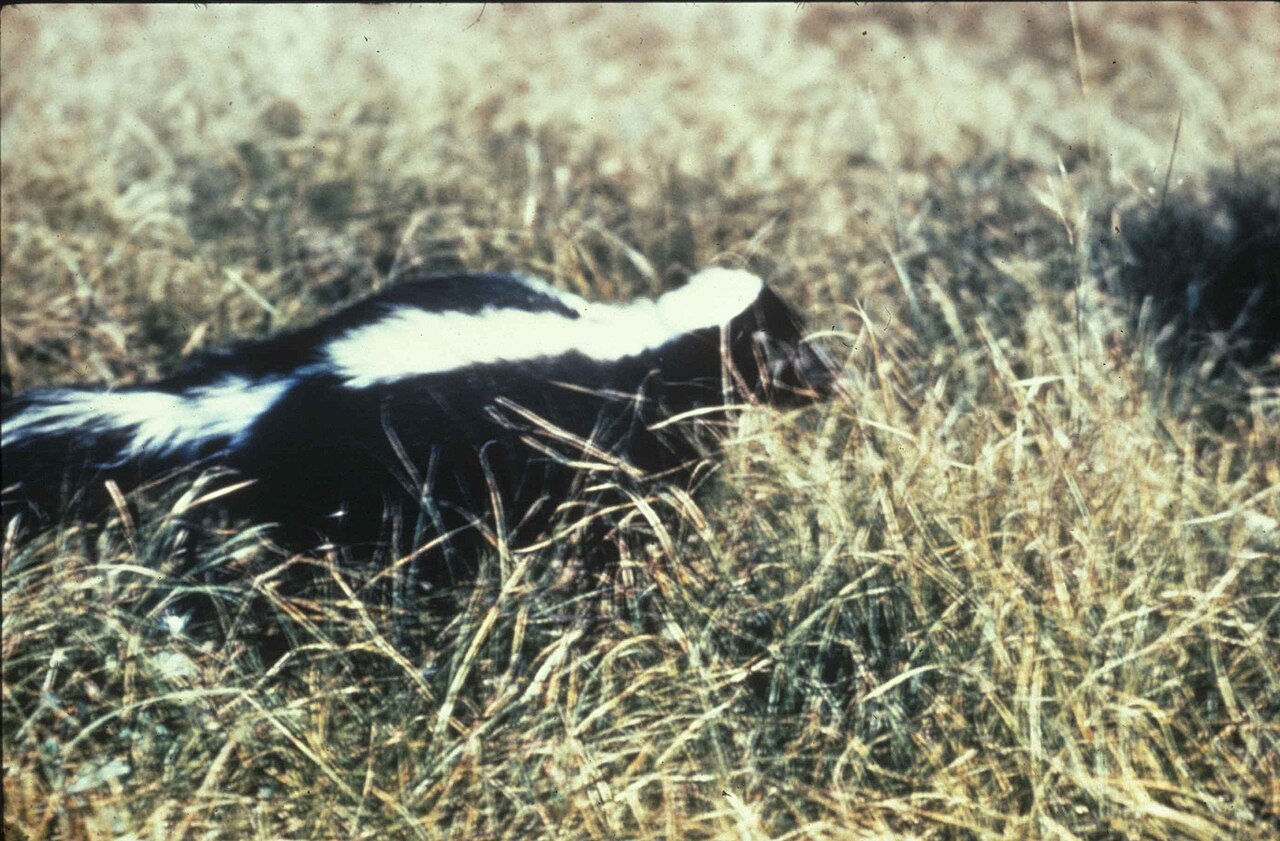
The final warning stage involves the skunk fully raising and arching its tail while sometimes stamping its front feet rapidly, positioning itself to spray if the threat continues to approach or fails to retreat, meaning this complete escalating sequence, stamping, hissing, and tail-raising, provides genuinely clear, sequential warning that gives any reasonably attentive observer ample opportunity to back away calmly before an actual spray occurs.
Why Skunks Warn Before Spraying
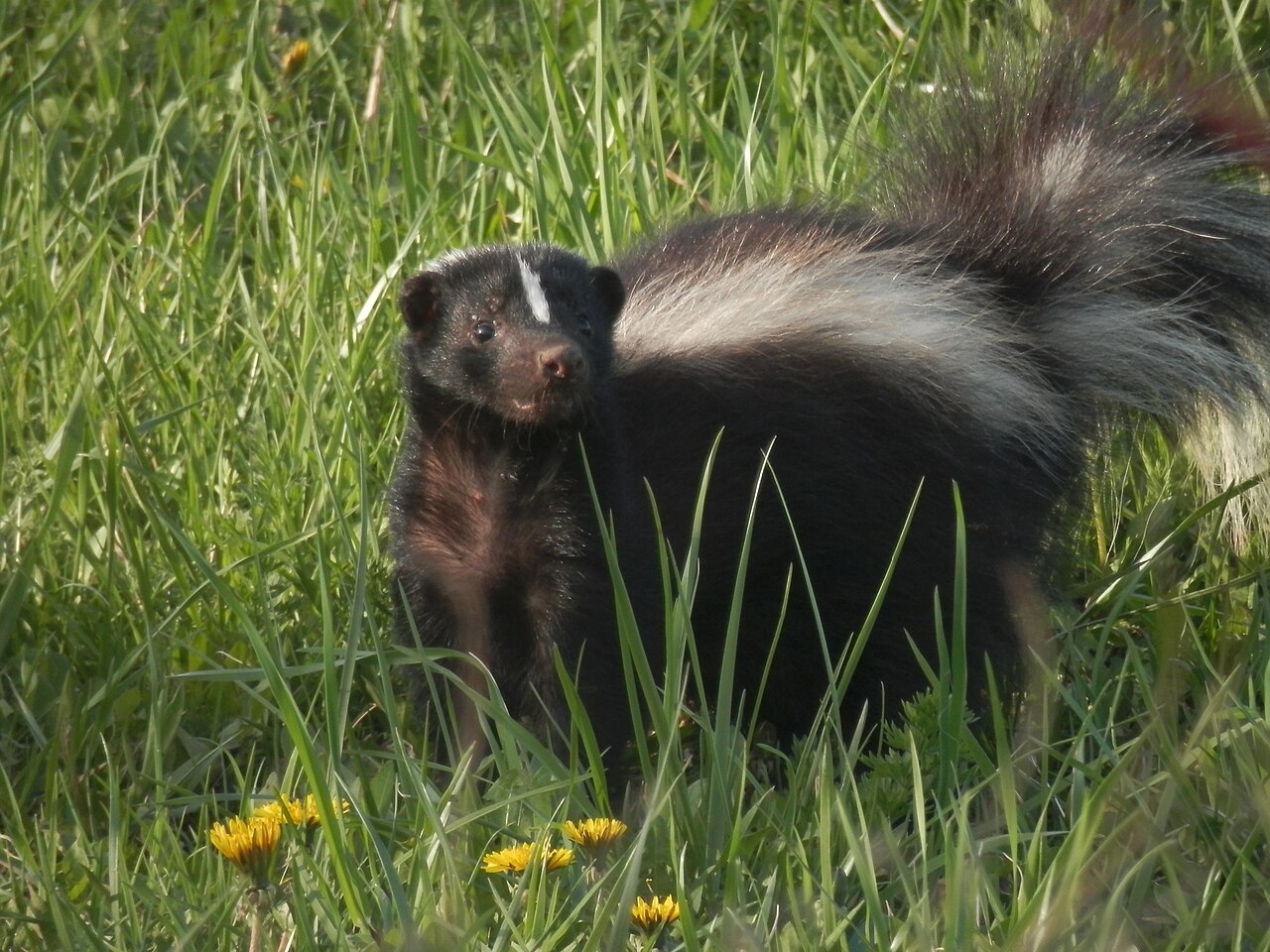
This elaborate warning sequence makes genuine biological sense given that skunk spray, while an effective defensive deterrent, represents a limited resource that takes time to replenish once used, meaning skunks benefit considerably from reserving this costly defensive measure for genuine emergencies rather than deploying it immediately at the first sign of any potential threat.
This warning-before-spraying strategy also reduces the skunk’s own vulnerability during a spray event, since the specific posture required for accurate spraying leaves the skunk temporarily less able to flee quickly, meaning skunks genuinely prefer resolving potential threats through warning behavior alone whenever the threatening party responds appropriately by retreating before the situation escalates to requiring an actual spray response.
Understanding this genuine biological logic behind the warning sequence helps explain why skunks are not simply unpredictable animals prone to spraying without warning, but rather display a genuinely consistent, escalating communication pattern that, when properly recognized and respected by anyone encountering a skunk, generally allows both the skunk and the person involved to avoid an actual spray incident entirely.
Screeches and Growls: Territorial and Alarm Sounds
Beyond the specific spray-warning sequence covered above, skunks produce more urgent screeching or growling sounds during genuine territorial disputes with other skunks or in situations of significant alarm beyond typical human encounter contexts, a considerably more intense vocalization than the milder hissing covered in the escalating warning sequence.
These more intense vocalizations typically occur during direct conflict with other skunks, whether over territory, food resources, or mating access, representing genuine inter-skunk communication and conflict rather than the more common human-directed warning behaviors most people specifically encounter and recognize as characteristic skunk defensive communication.
Hearing this more intense screeching or growling specifically suggests genuine skunk-to-skunk conflict occurring nearby rather than a defensive response directed at a human or pet, providing useful contextual information for anyone specifically trying to understand the broader skunk activity and social dynamics occurring within their local area beyond simple individual encounter management.
Mother-Kit Communication
Mother skunks communicate with their kits through the softer chirping and cooing sounds covered earlier in this guide, alongside specific vocalizations that help coordinate movement and maintain contact as kits begin exploring somewhat independently while still depending on maternal guidance and protection, similar to the general pattern of mother-offspring vocal coordination documented across many other mammal species.
Young skunks develop the full range of adult vocal capabilities, including the warning behaviors covered throughout this guide, gradually as they mature, meaning kits observed with their mother may not yet display the complete, fully developed warning sequence adult skunks characteristically show, a developmental pattern covered in additional detail in our baby skunk guide regarding overall kit development and behavior.
This maternal communication system helps ensure kits learn appropriate foraging behavior and, eventually, the proper warning and defensive behaviors themselves, largely through observing and following their mother’s example during this crucial early developmental period before achieving full independence from parental guidance and protection.
Skunk Sounds Compared to Other Backyard Vocalizations
Skunk vocalizations differ meaningfully from the vocal repertoire of other common backyard mammals like foxes and raccoons, since skunk communication centers heavily around this specific escalating warning sequence rather than the more varied territorial and social calling patterns these other species display, reflecting skunks’ overall behavioral strategy of relying primarily on their chemical defense rather than the more active fight-or-flight responses many other mammals depend on.
This defense-centered vocal and behavioral repertoire means skunk encounters tend to follow a more predictable pattern than encounters with more behaviorally varied species, since the specific escalating sequence covered throughout this guide remains genuinely consistent across most skunk encounters, unlike the more context-dependent and varied responses other backyard wildlife species might display depending on the specific situation and perceived threat level involved.
Understanding this genuinely consistent, predictable skunk warning pattern, compared to the more behaviorally complex responses of species like foxes or raccoons, gives anyone living alongside skunk populations a considerably clearer, more reliable framework for recognizing and appropriately responding to skunk encounters specifically, rather than needing to interpret more ambiguous or variable behavioral signals the way encounters with some other backyard wildlife species might require.
What Skunk Activity in Your Yard Reveals
Beyond the direct warning sounds and behaviors covered throughout this guide, skunk presence in a specific yard area can often be confirmed through additional evidence beyond direct encounters, including the distinctive droppings covered in our skunk poop guide, along with characteristic digging patterns in lawns where skunks forage for grubs and other soil-dwelling insects.
Frequent skunk activity in a specific area, evidenced by this combination of droppings, digging, and occasional direct sightings or warning behavior encounters, generally indicates an established local skunk presence rather than a single passing individual, information that can help residents specifically understand the ongoing nature of skunk activity they may be experiencing in their own yard or neighborhood over time.
For anyone specifically concerned about skunk activity beyond simply understanding their vocal warning system, consulting resources like our wildlife safety guides covering broader backyard wildlife safety considerations can provide additional context for managing coexistence with skunks and other common backyard wildlife species sharing similar suburban and rural habitat throughout much of the country.
How to Respond When You Hear or See Warning Behavior
If you encounter a skunk displaying any stage of the warning sequence covered throughout this guide, foot stamping, hissing, or tail raising, the appropriate response involves calmly and slowly backing away without sudden movement, giving the skunk adequate space and time to feel secure enough to retreat on its own rather than escalating further toward an actual spray response.
Avoiding direct eye contact and any loud noises or sudden movements while retreating helps reduce the perceived threat level from the skunk’s perspective, since these additional stressors could potentially accelerate the warning sequence toward an actual spray response rather than allowing the skunk the calm retreat opportunity that typically resolves these encounters without any spray incident occurring at all.
Pet owners specifically should be particularly cautious in areas with known skunk activity, since dogs in particular sometimes fail to recognize or respect these warning signals appropriately, making leashed control and prompt intervention genuinely important if a pet encounters a skunk displaying any warning behavior, ideally calling the pet away immediately rather than allowing continued investigation that could escalate toward an actual spray incident.
Frequently Asked Questions
What sounds do skunks make?
Soft chirping and cooing during friendly social interactions, sharp hissing as a warning, screeches or growls during territorial disputes, and foot stamping as an initial threat display before potentially resorting to spraying.
Do skunks warn you before spraying?
Yes, they display a reliable escalating sequence: foot stamping first, then hissing, then tail raising and arching, giving observers clear opportunity to back away calmly before an actual spray occurs.
Why do skunks stamp their feet?
Foot stamping serves as an initial, relatively mild warning signal indicating the skunk has noticed a potential threat and wants to communicate discomfort before escalating to hissing or spraying.
What should I do if a skunk hisses at me?
Calmly and slowly back away without sudden movement or loud noise, giving the skunk space and time to retreat on its own rather than escalating further toward an actual spray response.
Do skunks growl or screech?
Yes, typically during genuine territorial disputes with other skunks or significant alarm, a more intense vocalization than the milder hissing used as a warning toward humans or pets.
Why do skunks give warnings before spraying instead of just spraying immediately?
Spray is a limited resource requiring time to replenish, so skunks reserve it for genuine emergencies, preferring to resolve potential threats through warning behavior whenever possible instead.
How do mother skunks communicate with their kits?
Through soft chirping and cooing sounds along with specific vocalizations coordinating movement and maintaining contact as kits gradually explore more independently while still depending on maternal guidance.