Baby Hummingbird: The Tiniest Nestling and Female-Only Care
A baby hummingbird hatches genuinely tiny, often described as smaller than a jellybean, weighing less than a gram in many species, with eyes closed and no feathers whatsoever, making hummingbird nestlings among the smallest and most fragile baby birds most people could ever hope to encounter, typically hidden away in nests so small and well camouflaged, often built with spider silk and lichen, that most people never actually spot an active hummingbird nest despite these birds being common backyard visitors throughout much of the country.
Despite their impossibly small starting size, hummingbird chicks grow at a genuinely remarkable pace, fed a nutrient-dense mixture of regurgitated insects and nectar delivered by the mother alone in most species, since male hummingbirds typically provide no parental care whatsoever after mating, leaving females to handle nest building, incubation, and the considerable feeding demands of rapidly growing chicks entirely independently. This guide covers hummingbird nest construction and egg-laying, chick hatching and the remarkably fast growth timeline, the female-only feeding system specifically, and what to do if you find a baby hummingbird that appears to need help.
| Fact | Baby Hummingbird (Chick) |
|---|---|
| Clutch size | Typically 2 eggs |
| Egg size | About the size of a small jellybean |
| Incubation period | About 14 to 19 days |
| Parental care | Female only in most species |
| Fledging age | About 18 to 28 days |
| Nest material | Spider silk, lichen, plant down |
The Remarkably Tiny Hummingbird Nest
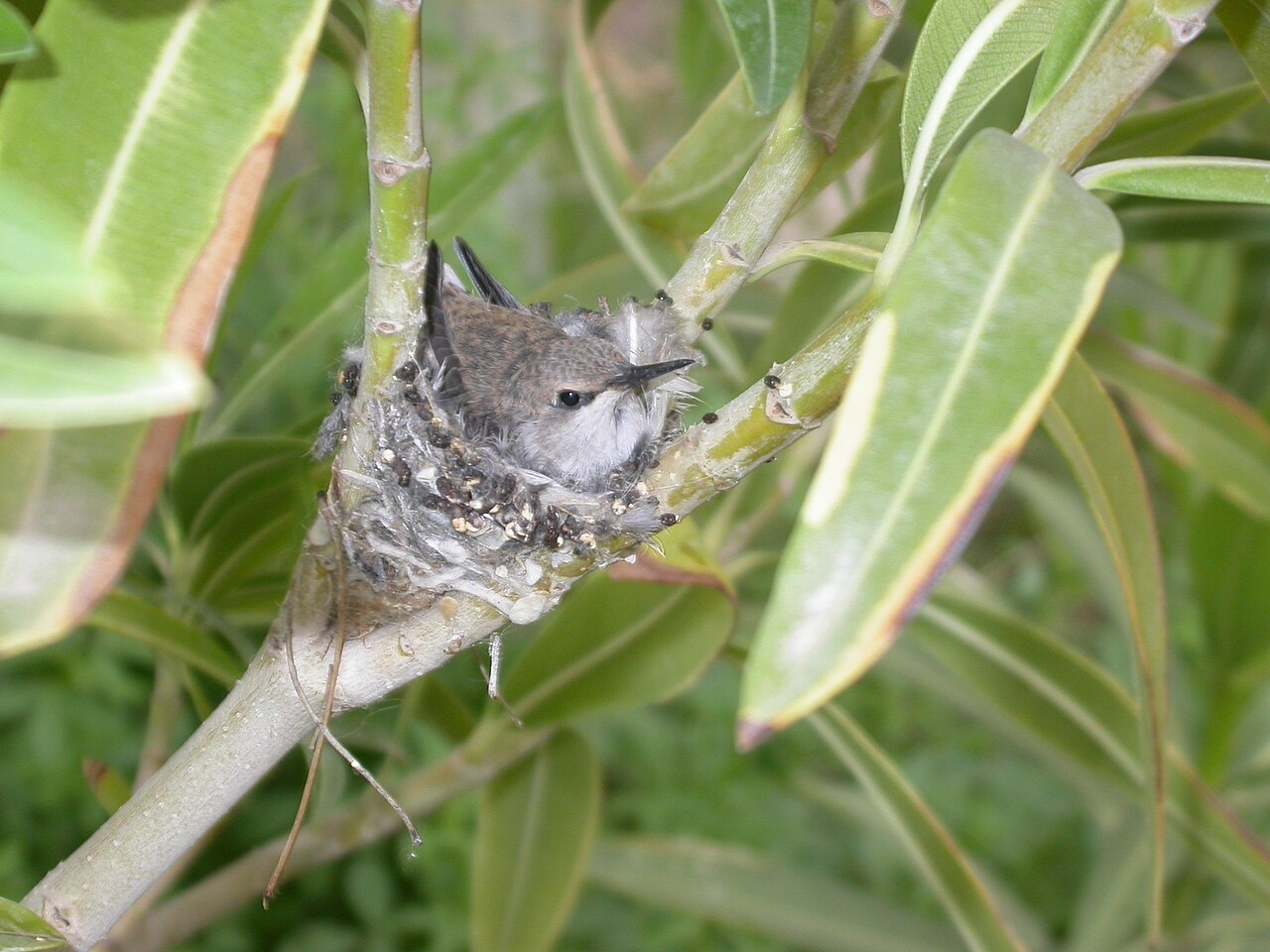
Hummingbird nests rank among the smallest and most carefully constructed nests of any North American bird species, typically about the size of a large thimble or half a walnut shell, built primarily from soft plant down and fibers held together and secured to a branch using spider silk, which provides both structural adhesion and, remarkably, some elasticity allowing the nest to stretch somewhat as growing chicks require more space.
Female hummingbirds decorate the exterior of these tiny nests with lichen and bark fragments, creating genuinely effective camouflage that helps the nest blend seamlessly into its supporting branch, making hummingbird nests notoriously difficult for predators, and casual human observers alike, to spot even when located in relatively accessible backyard trees or shrubs frequently visited by people.
This combination of tiny size, spider-silk construction, and effective camouflage means finding an active hummingbird nest represents a genuinely rare and rewarding wildlife observation opportunity, with most people who successfully spot one doing so through patient, deliberate searching specifically triggered by observing repeated female hummingbird visits to a particular area rather than simply noticing the well-hidden nest itself during casual yard observation.
Hatching: Impossibly Tiny Beginnings
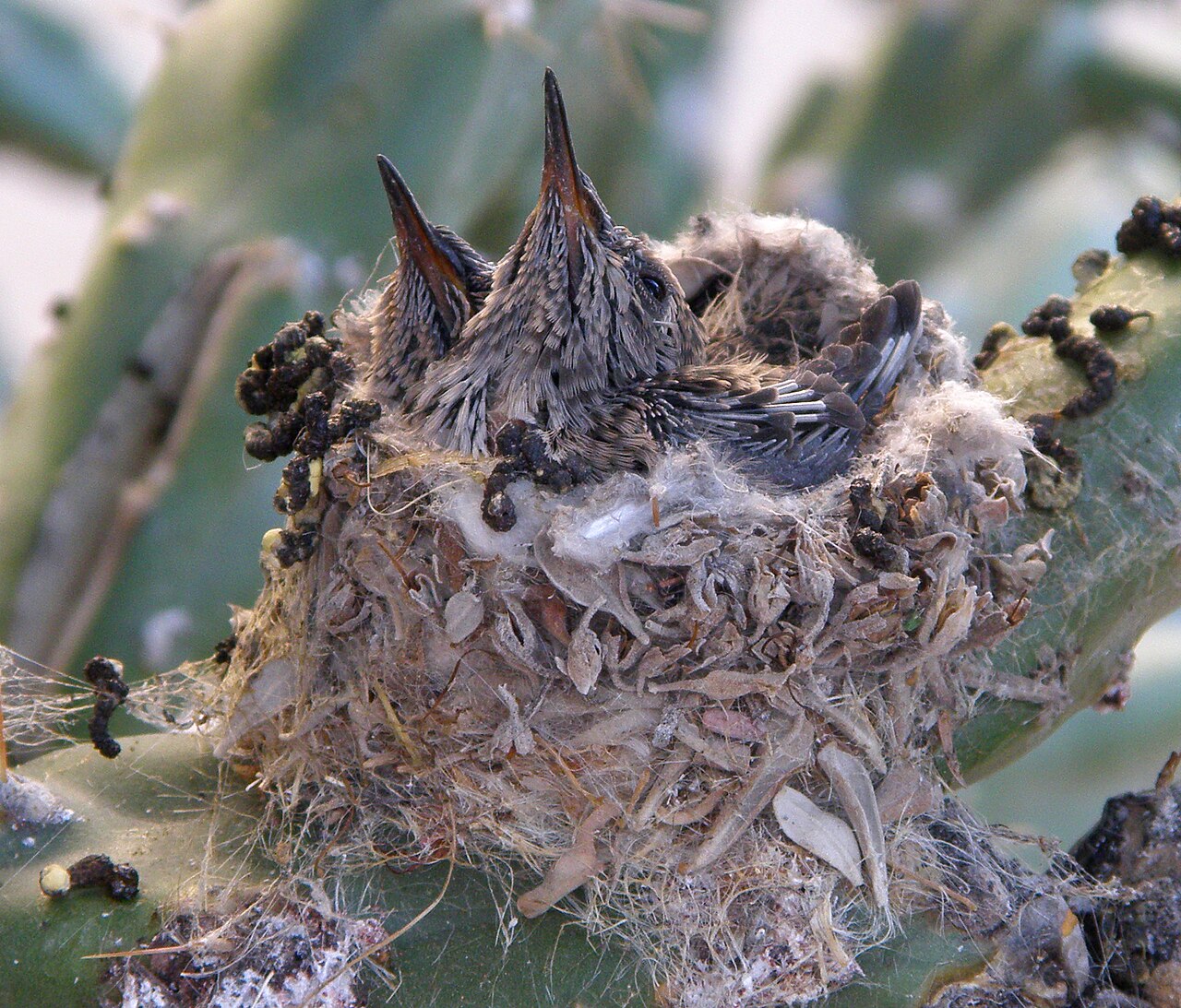
Hummingbird eggs themselves are genuinely tiny, roughly the size of a small jellybean or coffee bean depending on the specific species, with typical clutches containing just 2 eggs, incubated by the female alone for approximately 14 to 19 days before hatching occurs, timing that can vary somewhat based on specific species and environmental conditions.
Newly hatched chicks emerge in a genuinely extreme state of underdevelopment even compared to many other altricial bird species, blind, entirely featherless, and weighing less than a gram in many species, making hummingbird hatchlings among the smallest and most vulnerable baby birds found in North America, requiring intensive maternal care and warmth during their earliest, most fragile days of life.
Despite this extreme initial vulnerability, hummingbird chicks develop remarkably quickly, with feathers beginning to emerge within the first week or so and eyes opening shortly after, reflecting the considerable evolutionary pressure toward rapid development this species faces given both their tiny size and the relatively short breeding season many populations must work within before seasonal migration or weather changes make continued breeding impractical.
The Female-Only Feeding System
In most hummingbird species, male birds provide no parental care whatsoever beyond mating, leaving the female entirely responsible for nest construction, incubation, and the considerable ongoing feeding demands of rapidly growing chicks, a genuinely different parenting arrangement than many other bird species where both parents typically share these responsibilities more equally.
Female hummingbirds feed their chicks a nutrient-dense mixture combining regurgitated small insects, providing essential protein for rapid growth, with nectar delivering the concentrated sugar energy hummingbirds themselves rely on as adults, a combined feeding approach that reflects the genuinely demanding nutritional requirements supporting the chicks’ remarkably compressed developmental timeline from tiny hatchling to fledged juvenile.
This considerable feeding demand means female hummingbirds must maintain an almost constant cycle of foraging and returning to feed chicks throughout the daylight hours, a genuinely intensive parental investment reflecting both the chicks’ rapid growth requirements and the female’s complete solo responsibility for successfully raising her brood without any direct assistance from the male parent following the initial mating.
Growth Timeline: From Featherless to Flight-Ready
Hummingbird chicks progress from their initial featherless, blind hatchling state toward full feathering and flight capability in a genuinely compressed timeframe, typically fledging somewhere between 18 to 28 days after hatching depending on the specific species, weather conditions, and food availability throughout the nestling period.
This rapid developmental pace reflects genuine evolutionary pressure toward efficient reproduction given hummingbirds’ typically limited breeding season and the considerable energy investment required to successfully raise young of this species, meaning female hummingbirds that successfully fledge their brood within this compressed timeline maximize their reproductive success within whatever breeding season length their specific population and climate allows.
Once fledged, young hummingbirds continue receiving some parental feeding support for a brief period while developing full independent foraging capability, gradually transitioning toward feeding directly from flowers and, where available, backyard feeders specifically designed and maintained for this purpose, a transition covered in additional practical detail in our how to attract hummingbirds guide and hummingbird sugar water recipe guide for anyone specifically hoping to support young hummingbirds during this transitional feeding period as they mature toward complete independence.
Identifying Species by Nest and Chick Characteristics
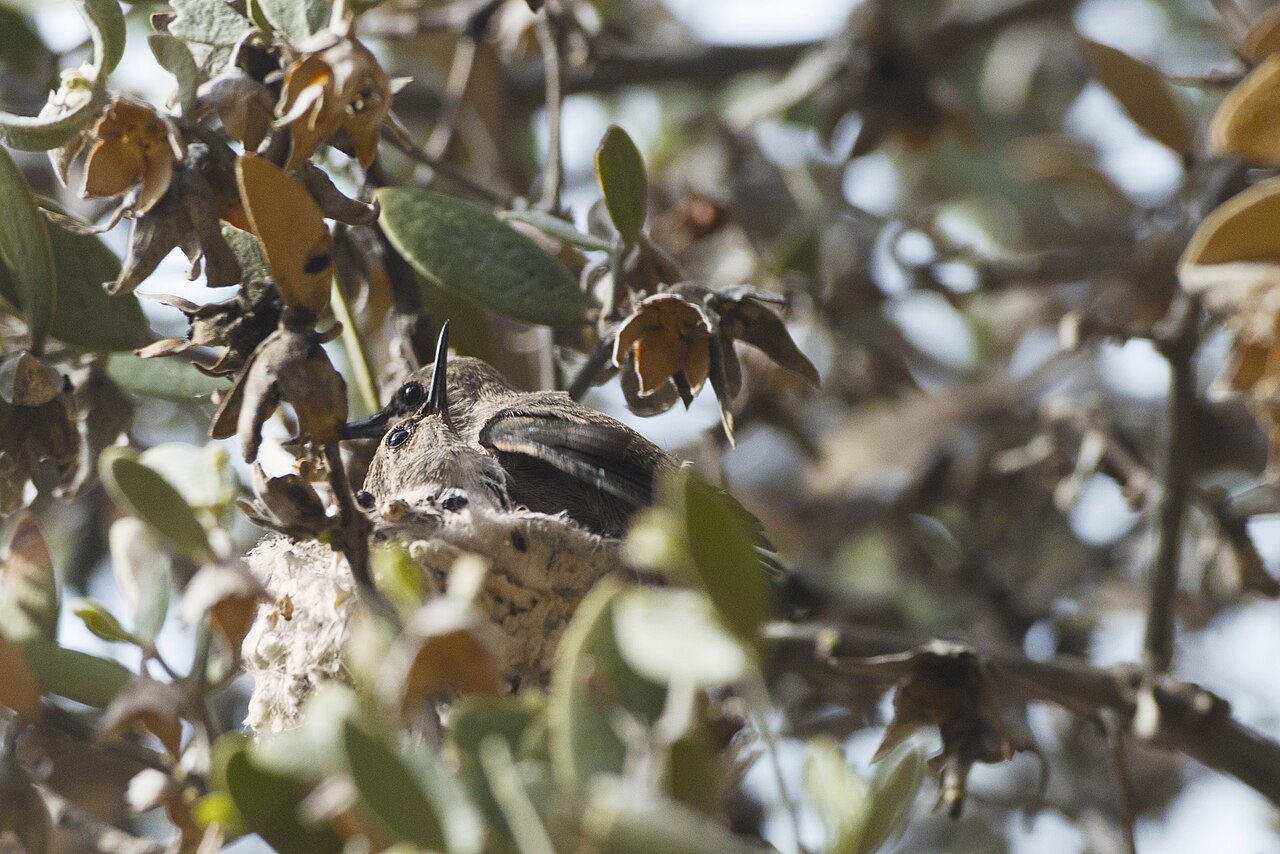
While hummingbird nests and chicks share considerable general similarity across different species given their shared small size and rapid development pattern, subtle differences in nest construction, egg-laying timing, and specific regional distribution can help identify which particular hummingbird species is responsible for a given nest, particularly relevant information covered across our species-specific guides including Anna’s hummingbird, Allen’s hummingbird, and black-chinned hummingbird.
Regional range provides perhaps the most practically useful identification clue for determining which specific species built a given nest, since different hummingbird species occupy somewhat different, though sometimes overlapping, geographic ranges across North America, making knowledge of which species are actually present in a specific local area a genuinely useful starting point before considering more subtle nest or behavioral distinguishing features.
For readers specifically interested in distinguishing female hummingbirds, responsible for all nest-building and chick-rearing covered throughout this guide, from the often more visually distinctive males, our female hummingbird guide covers the specific identification features distinguishing females across various species, genuinely useful given that female hummingbirds are the specific sex responsible for the entire nesting and chick-rearing process covered throughout this guide.
Why Hummingbird Reproduction Is So Demanding
The combination of tiny egg size, solo female parental care, and the considerable metabolic demands hummingbirds face even as adults makes hummingbird reproduction a genuinely demanding undertaking, since the female must simultaneously maintain her own extremely high metabolic needs, requiring near-constant feeding throughout the day, while also managing the considerable additional energy expenditure required to successfully incubate eggs and then feed rapidly growing chicks entirely on her own.
This demanding reproductive strategy likely explains why hummingbird clutches remain genuinely small, typically just 2 eggs, rather than the larger clutch sizes many other bird species produce, since successfully raising even this modest brood alone already represents a considerable undertaking given the female’s simultaneous need to maintain her own extreme metabolic requirements throughout the entire nesting period without any assistance from the male parent whatsoever during this genuinely demanding stretch of her reproductive cycle.
Understanding this genuine reproductive challenge adds meaningful appreciation for the female hummingbird’s remarkable capability, successfully balancing her own demanding physiological needs alongside the considerable parental investment required to raise tiny, rapidly growing chicks entirely independently, a genuinely impressive feat of biological efficiency and endurance that few other bird species must manage through solo parental effort alone across their entire breeding season and reproductive lifetime.
Found a Baby Hummingbird? What to Actually Do
Given hummingbirds’ remarkably effective camouflage and small size, finding a baby hummingbird that appears to have fallen or become separated from its nest represents a genuinely delicate situation requiring careful, informed response rather than immediate intervention based on incomplete understanding of normal hummingbird development, behavior, and typical nesting patterns observed across the full breeding season each year.
If a chick is found on the ground near an identifiable nest and appears uninjured, gently returning it to the nest represents the appropriate first response, since contrary to persistent myths, parent birds do not reject offspring that have been briefly and gently handled by humans in this specific rescue circumstance, making this reunification attempt both safe and considerably preferable to removing the chick from parental care entirely.
If the nest cannot be located or the chick appears genuinely injured, contacting a licensed wildlife rehabilitator specifically experienced with hummingbirds represents the appropriate next step, since hummingbird chicks require genuinely specialized feeding and care, including the specific insect-and-nectar diet covered earlier in this guide, that exceeds what most well-intentioned but inexperienced individuals could successfully provide without proper training and specialized equipment designed for this particular species.
Frequently Asked Questions
How big is a baby hummingbird when it hatches?
Genuinely tiny, often described as smaller than a jellybean and weighing less than a gram in many species, hatching blind and completely featherless, among the very smallest baby birds found across all of North America.
Do male hummingbirds help raise the chicks?
No, in most species males provide no parental care beyond mating, leaving the female entirely responsible for nest building, incubation, and feeding chicks throughout the entire nesting period.
What do baby hummingbirds eat?
A nutrient-dense mixture of regurgitated small insects for protein and nectar for energy, delivered exclusively by the mother in most species, supporting their genuinely rapid growth timeline.
How long do baby hummingbirds stay in the nest?
Typically 18 to 28 days depending on species and conditions, a notably compressed timeline reflecting evolutionary pressure toward efficient reproduction within a limited breeding season.
What are hummingbird nests made of?
Soft plant down and fibers held together with spider silk, which provides both adhesion and elasticity, with lichen and bark fragments decorating the exterior for effective camouflage.
I found a baby hummingbird on the ground. What should I do?
If uninjured and the nest can be located, gently return it, since parent birds do not reject handled offspring. If injured or the nest cannot be found, contact a licensed wildlife rehabilitator experienced with hummingbirds.
Why are hummingbird nests so hard to find?
Their genuinely small size, camouflaged lichen exterior, and typical placement on inconspicuous branches make them remarkably difficult to spot, even in yards frequently visited by hummingbirds themselves.