Baby Ring-Neck Snake: The Tail-Curling Defense Explained
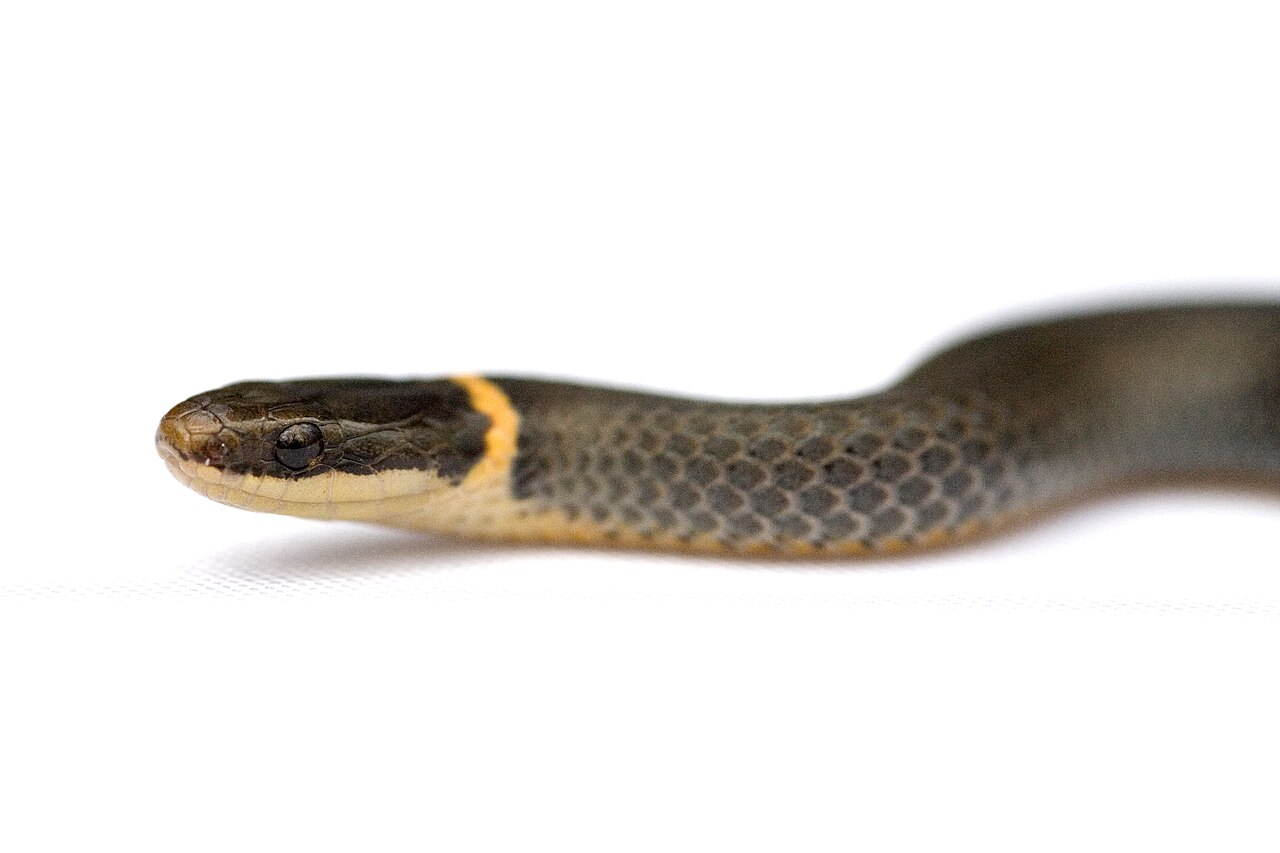
A baby ring-neck snake hatches at just 4 to 5 inches long, already displaying the species’ characteristic smooth, dark gray to black body with a distinctive yellow, orange, or cream-colored neck ring that gives this species its common name, making ring-neck snake hatchlings genuinely easy to identify by this specific neck marking alone despite the species’ otherwise small, easily overlooked size that often causes people to mistake these harmless snakes for large worms during casual backyard encounters.
As one of the smallest and most secretive snake species commonly found across much of the United States, ring-neck snakes spend the vast majority of their lives hidden beneath rocks, logs, and leaf litter, making actual sightings genuinely uncommon despite this species’ considerable overall abundance in appropriate habitat, and their distinctive defensive display, curling the tail to display its brightly colored underside while keeping the head hidden, represents one of the more visually memorable defensive behaviors among North American snake species. This guide covers ring-neck snake hatching and identification, their secretive habitat preferences, the distinctive tail-curling defensive display, diet and hunting behavior, and what to know if you encounter one while gardening or doing yard work.
| Fact | Baby Ring-Neck Snake |
|---|---|
| Hatchling length | 4 to 5 inches |
| Adult length | 10 to 15 inches typically |
| Distinctive feature | Bright yellow/orange neck ring |
| Venomous? | Mildly venomous but harmless to humans |
| Habitat | Under rocks, logs, leaf litter |
| Defense | Curls tail to show bright underside |
Hatching and the Distinctive Neck Ring
Ring-neck snake eggs hatch after an incubation period of approximately 4 to 8 weeks depending on temperature and specific conditions, with clutch sizes typically ranging from a few eggs to around 10, and hatchlings emerge measuring just 4 to 5 inches long, already displaying the same smooth, dark gray to black coloring and distinctive contrasting neck ring that will define this species’ appearance throughout its entire life.
This neck ring, typically bright yellow, orange, or cream depending on regional subspecies, provides genuinely reliable identification confirmation even at hatchling size, since few other small snake species display this specific combination of an otherwise plain, dark body paired with such a sharply contrasting, brightly colored neck band, making ring-neck snakes among the more straightforward small snake species to identify confidently once this specific feature is spotted.
Some regional subspecies show variation in the specific neck ring coloring and completeness, with certain populations displaying a less complete or more subtle ring than others, though the basic pattern concept, a contrasting bright band around an otherwise dark neck, remains genuinely diagnostic across essentially all ring-neck snake populations regardless of these regional subspecies-level variations in exact ring appearance.
A Genuinely Secretive Lifestyle
Ring-neck snakes rank among the more secretive, rarely observed snake species commonly found across much of the United States, spending the overwhelming majority of their lives hidden beneath rocks, fallen logs, leaf litter, and similar ground cover rather than moving about in visible, open locations the way some other more frequently encountered snake species typically do.
This secretive habitat preference means actual ring-neck snake sightings occur considerably less often than this species’ genuine overall population abundance would suggest, with most encounters happening incidentally when someone specifically disturbs the rocks, logs, or leaf litter this species shelters beneath, whether through gardening, yard work, or simply moving debris that happens to be sheltering a hidden ring-neck snake underneath.
Given their small size and predominantly hidden lifestyle, ring-neck snakes are frequently mistaken for large earthworms during brief glimpses, particularly by people unfamiliar with this species’ existence, making awareness of this genuinely common small snake species valuable simply for correctly identifying what one has actually encountered rather than assuming an unusual worm sighting when a ring-neck snake is the actual, more likely explanation.
The Distinctive Tail-Curling Defense
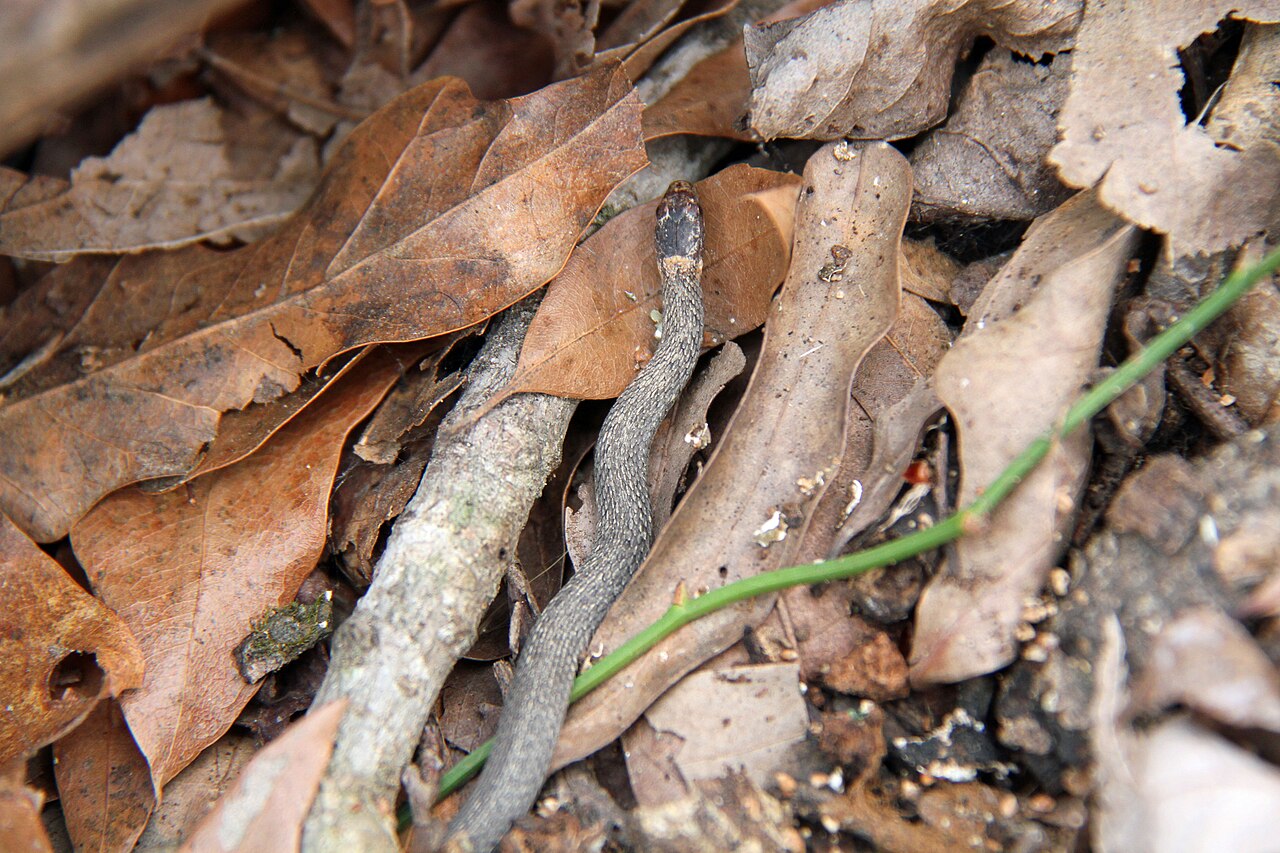
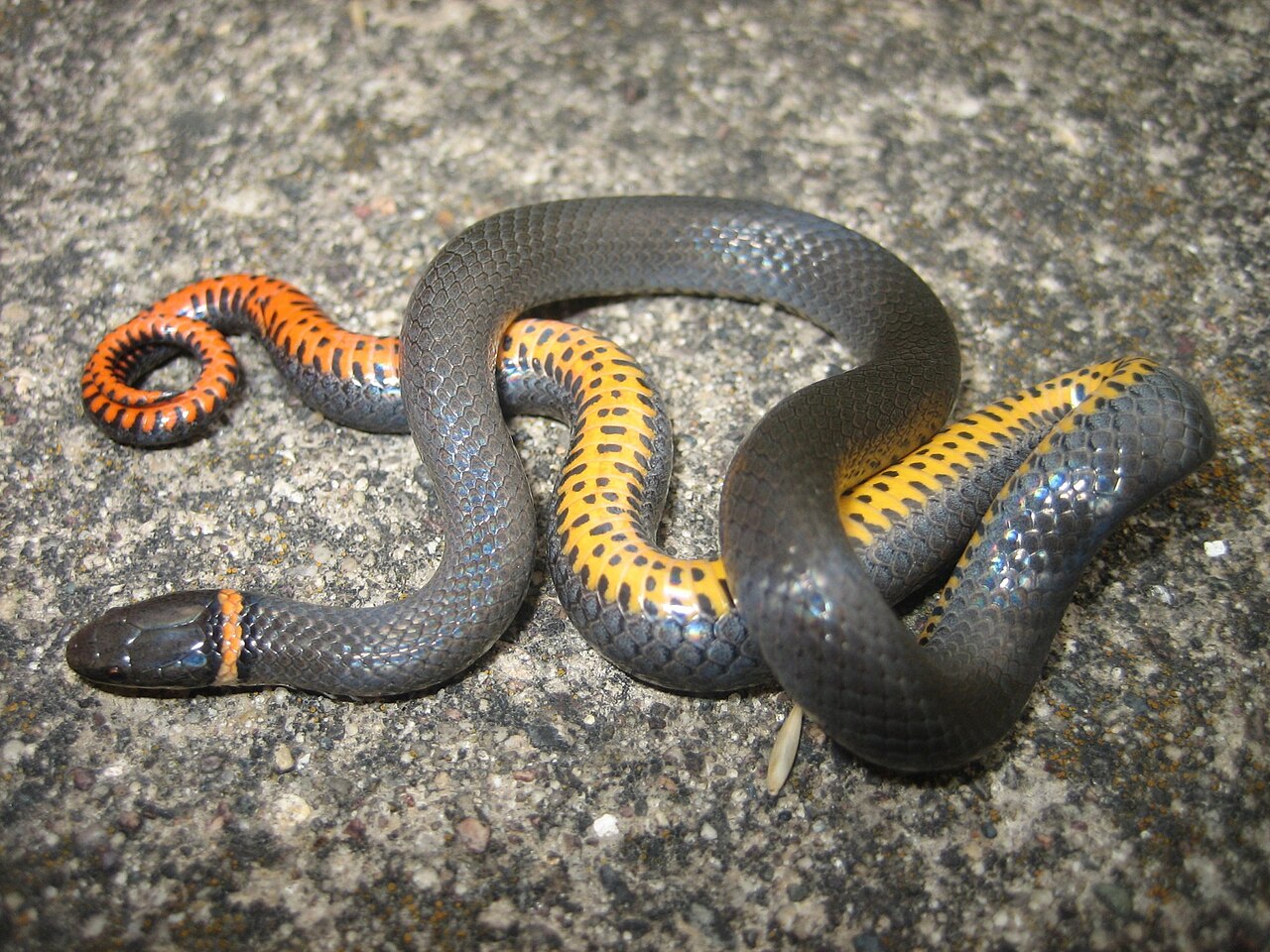
Ring-neck snakes display one of the more visually memorable defensive behaviors among North American snake species specifically, curling their tail into a tight coil that displays the tail’s brightly colored underside, often matching or complementing the neck ring’s coloring, while simultaneously keeping the head tucked away and hidden from the perceived threat.
This defensive display likely serves to redirect a predator’s attention toward the less vulnerable tail rather than the snake’s actual head, similar in general defensive principle to eyespot patterns and other predator-misdirection strategies documented across various other animal species, potentially allowing the snake to escape with only tail damage rather than a more serious, potentially fatal head or body injury if a predator does actually follow through and attack the displaying snake.
Witnessing this specific tail-curling defensive display firsthand represents a genuinely memorable wildlife observation for anyone fortunate enough to encounter a ring-neck snake displaying this behavior, since the sudden reveal of bright, contrasting tail coloring, quite different from the snake’s otherwise plain dark body, creates a visually striking and somewhat surprising defensive display for such a small, generally unassuming species.
Mild Venom: Harmless to Humans
Ring-neck snakes possess mild venom delivered through enlarged rear teeth rather than the front-positioned fangs associated with more medically significant venomous snake species, a venom delivery system genuinely insufficient to pose any meaningful threat to humans, making this species entirely harmless despite technically carrying some venomous capability relevant primarily to their actual small prey items.
This mild venom likely helps ring-neck snakes subdue the small prey items covered in the next section, functioning as a minor prey-handling adaptation rather than any significant defensive or offensive capability relevant to larger animals, including humans, who need not have any genuine safety concern regarding this species despite its technical venomous classification.
Understanding this harmless nature matters for anyone encountering a ring-neck snake specifically, since this species poses no genuine bite risk worth any particular concern, making ring-neck snakes, similar to other harmless species covered in our broader snake identification guides including the corn snake and king snake, safe to observe and appreciate without any need for the more serious caution genuinely venomous species specifically require.
What Ring-Neck Snakes Eat
Ring-neck snakes prey primarily on small, soft-bodied animals including earthworms, slugs, small salamanders, and occasionally other small snakes, a diet well-suited to their preferred hidden, ground-cover habitat where these prey items are commonly found sheltering alongside the ring-neck snakes themselves within the same general moist, sheltered microhabitat.
This diet connects directly to the species’ secretive lifestyle covered earlier, since hunting primarily beneath rocks, logs, and leaf litter allows ring-neck snakes to locate and capture their preferred prey items within this same sheltered environment, meaning this species’ entire life history, from hunting to hiding from predators, centers on this particular hidden, ground-level habitat niche.
The mild venom covered in the previous section likely provides some genuine assistance in subduing these small prey items specifically, making ring-neck snakes effective predators within their particular ecological niche despite their own small size and generally unassuming, secretive presence within whatever garden, woodland, or other suitable habitat they happen to occupy.
Ring-Neck Snakes Among Other Small Harmless Species
Ring-neck snakes join several other genuinely harmless small snake species commonly encountered in gardens and yards, including the black snake and rat snake covered in our companion guides, all sharing the general reassurance that despite sometimes startling first encounters, these species pose no genuine threat and often provide beneficial pest control within the specific habitat niches they occupy.
Compared to these other harmless species, ring-neck snakes stand out specifically for their notably smaller adult size, their strongly secretive, hidden lifestyle rather than more visible surface activity, and their genuinely distinctive tail-curling defensive display, making this species a particularly interesting small snake to learn about even beyond the basic harmless-species reassurance shared across this broader group of commonly encountered backyard snakes.
Building familiarity with this broader group of harmless small and medium snake species, each with its own particular identifying features and behavioral quirks similar to those distinguishing species in our coral snake vs king snake comparison, helps gardeners and outdoor enthusiasts respond to snake encounters generally with appropriate calm and curiosity rather than unwarranted alarm, since the overwhelming majority of snakes encountered in typical garden and yard settings across most of the country fall into this harmless category rather than posing any genuine safety concern to people or pets going about their normal outdoor activities.
Encountering a Ring-Neck Snake While Gardening
Given their preference for sheltering beneath rocks, logs, mulch, and garden debris specifically, ring-neck snakes are genuinely commonly encountered incidentally during typical gardening and yard maintenance activities, making awareness of this species’ harmless nature and identifying features valuable for anyone specifically doing this kind of yard work in regions where ring-neck snakes are naturally present throughout suitable habitat areas across their range.
If disturbed during gardening or yard work, ring-neck snakes typically attempt to flee to nearby cover rather than displaying any aggressive defensive behavior toward the person who disturbed their shelter, with the tail-curling display covered earlier representing their primary and genuinely harmless defensive response rather than any attempt to bite or otherwise directly threaten the person involved in the actual encounter itself.
Given their harmless nature and genuine beneficial role controlling small garden pests like slugs specifically, encountering a ring-neck snake while gardening generally warrants simple appreciation and allowing the snake to retreat calmly to nearby cover undisturbed, rather than any concern or need for removal, making this species a genuinely quite welcome, beneficial presence for gardeners specifically dealing with slug or other small invertebrate pest concerns in their own yards throughout the entire growing season each and every single year.
Frequently Asked Questions
How can I identify a baby ring-neck snake?
Look for a smooth, dark gray to black body with a distinctive bright yellow, orange, or cream neck ring, a feature present even at the hatchling size of 4 to 5 inches.
Are ring-neck snakes dangerous?
No, while they possess mild venom delivered through rear teeth, this poses no meaningful threat to humans, making ring-neck snakes entirely harmless despite their technical venomous classification.
Why do ring-neck snakes curl their tails?
This defensive display reveals the tail’s brightly colored underside while hiding the head, likely redirecting a predator’s attention toward the less vulnerable tail rather than the snake’s actual head.
What do ring-neck snakes eat?
Primarily small, soft-bodied prey including earthworms, slugs, small salamanders, and occasionally other small snakes, hunted within their preferred hidden, ground-cover habitat.
Why do I rarely see ring-neck snakes even though they’re common?
They spend the vast majority of their lives hidden beneath rocks, logs, and leaf litter, making sightings considerably less frequent than this species’ genuine population abundance would suggest.
What should I do if I find a ring-neck snake while gardening?
Simply allow it to retreat to nearby cover undisturbed, since this species is harmless and even beneficial, helping control small garden pests like slugs within its preferred habitat.
How big do ring-neck snakes get?
Adults typically reach 10 to 15 inches, growing from their initial hatchling size of just 4 to 5 inches while maintaining the same basic dark coloring and distinctive neck ring throughout their life.