Baby Squirrel: Age Guide, Growth Timeline, and What to Do
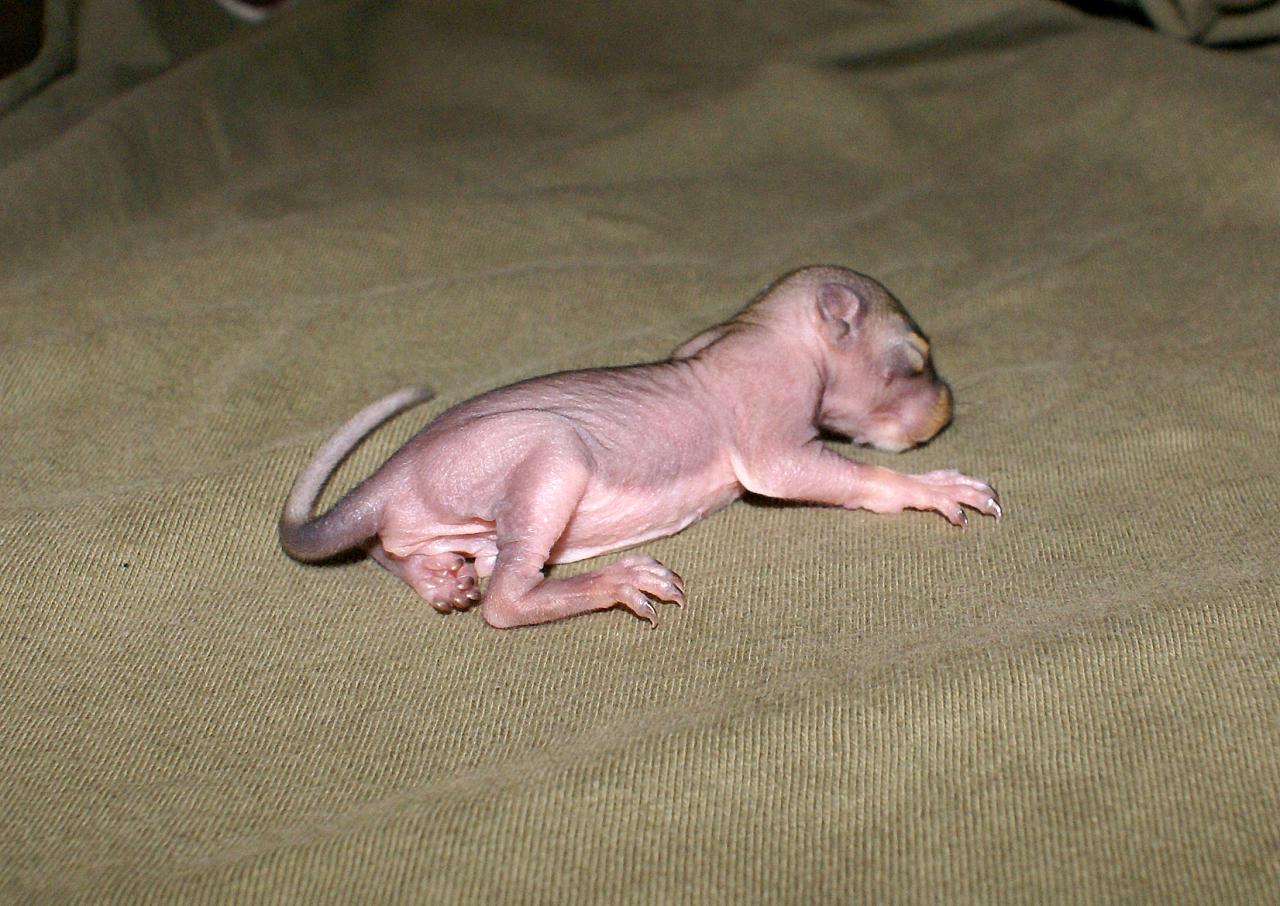
A baby squirrel is called a kit or kitten, born pink, hairless, blind, and about the size of your thumb, weighing roughly half an ounce. Eastern gray squirrels, the species most Americans meet, raise two litters a year, one born in late winter (February to March) and one in midsummer (July to August), with 2 to 4 kits per litter tucked into a leaf nest called a drey or a tree cavity. Kits open their eyes at about 4 weeks, venture out near 6 to 7 weeks, and are weaned and independent by 10 to 12 weeks.
Because those two baby seasons overlap with storm season and tree work, grounded kits are one of the most common wildlife rescues in the country, and the right response is usually the opposite of what instinct suggests. This guide covers how kits grow week by week, how to age one at a glance, when a fallen baby needs help, and how to attempt the reunion that beats any rescue.
| Fact | Baby Squirrel (Kit) |
|---|---|
| Name | Kit or kitten |
| Litters per year | 2 (late winter and midsummer) |
| Litter size | 2 to 4 kits |
| Eyes open | About 4 weeks |
| Leaves nest | 6 to 7 weeks |
| Independent | 10 to 12 weeks |
What Is a Baby Squirrel Called?
Baby squirrels are kits or kittens, and a mother raising them is remarkably devoted for such a busy animal. She builds several nests within her territory, a primary drey of woven leaves and twigs high in a fork plus backups, and she will move her entire litter, carrying each kit in her mouth by the scruff, at the first sign of disturbance, parasites, or a damaged nest.
Litters run 2 to 4 kits on average, occasionally up to 6, and the father plays no role after mating. The mother nurses, warms, and grooms the kits alone for over two months, leaving them only to feed herself, which is why a nest that looks abandoned during the day usually is not: she is simply out working.
Gray squirrels time their two annual litters to food supply. The late-winter litter is nursed on the mother’s fat reserves and early buds, and the summer litter fattens on the nut crop just in time for fall caching season. A yard with mature oaks, hickories, or walnuts is effectively a squirrel nursery whether you notice or not.
Week-by-Week Growth Timeline
Newborn kits are pink, hairless, and blind, with ears folded flat, weighing 13 to 18 grams, about half an ounce. By the end of week 1 a shadow of fur appears on the head and back; by week 2 the skin looks gray as fur emerges; by week 3 soft fur covers the body, lower teeth erupt, and the ears open.
Week 4 to 5 is the transformation window: eyes open around day 28 to 35, upper teeth arrive, and the tail fur begins to fluff from its ratlike start. At 6 weeks a kit looks like a true miniature squirrel, fully furred with a flattening, feathery tail, and it starts sitting upright and nibbling solid food while still nursing.
From 7 to 10 weeks kits venture onto branches near the nest, practicing the acrobatics that will define their lives, and by 10 to 12 weeks they are weaned and functionally independent, though littermates often linger together near the home nest into their first fall. Spring-born kits disperse by summer; summer-born kits frequently overwinter with their mother, sharing the drey through the cold months.
How to Age a Baby Squirrel at a Glance
Aging a found kit determines everything that follows, and three markers do most of the work. Closed eyes mean under 4 weeks and totally dependent; a kit that small cannot survive an hour of neglect and has no business being out of a nest. Open eyes with a thin, unfluffed tail suggests 5 to 7 weeks, mobile but still nursing.
A fluffed, flag-shaped tail plus confident climbing marks 8 or more weeks, and here is the counterintuitive part: a small, tame-seeming squirrel that follows people or approaches pets at this age is usually a healthy juvenile being a juvenile, not an orphan. Young squirrels have not yet learned wariness, and “friendly” behavior alone is not a rescue signal.
Size references help when in doubt. A kit whose body (not counting tail) is shorter than a smartphone is likely still nursing age; one approaching adult body length of 9 to 11 inches is essentially independent. The same body-length logic drives rescue decisions for other backyard infants, from a baby possum to a baby rabbit, and in every case overestimating helplessness causes more harm than underestimating it.
Found a Baby Squirrel? Try Reunion First
A healthy mother squirrel will retrieve a fallen kit, and giving her the chance beats any human care. If the kit is warm, uninjured, and the nest tree is known, place it at the base of the tree, or in an open shallow box fixed to the trunk a few feet up, and leave the area entirely; she will not approach with people or pets standing watch. Give her the remaining daylight hours, since squirrels do not retrieve after dark.
Cold kits cannot call to their mother and feel like failure to her, so warmth is step one: fill a sock with dry rice, microwave it to comfortably warm, and tuck it beside (not under) the kit in the box. A storm-downed nest can be recreated in the same spot with a small basket of nesting material zip-tied to the trunk, kits inside; mothers routinely carry each one to a backup drey within hours.
Escalate to a licensed wildlife rehabilitator if the kit is visibly injured, bleeding, covered in fly eggs (they look like grains of rice on the fur), cold and unresponsive, or if the mother has not retrieved it by nightfall, or is known dead. Search “wildlife rehabilitator near me” plus your state, or call your state wildlife agency; most states, as the Virginia DWR notes, require a permit to possess wild squirrels precisely so babies end up with trained care.
Why You Should Not Feed a Found Kit
Feeding is where rescues go wrong. Cow’s milk, human infant formula, and most pet milks cause diarrhea and fatal dehydration in squirrel kits, and even the right formula fed to a cold or dehydrated kit can kill it, because chilled infants cannot digest. The rule rehabilitators drill: warm first, hydrate second under guidance, feed only proper rodent formula, and ideally not by you at all.
Aspiration is the second killer. Kits fed with droppers by untrained hands inhale formula into their lungs, causing pneumonia that shows up days later as clicking breaths. This is why the entire job of a finder is transport-ready stabilization: warm, dark, quiet box, no food, no water bowls a blind kit can drown in, and a same-day call to a rehabilitator.
The legal side points the same direction. Keeping a wild squirrel without a permit is illegal in most states, and hand-raised squirrels imprint on humans, turning into unreleasable adults that bite the hands they love. The fastest route to the outcome everyone wants, a wild squirrel back in a tree, runs through a professional every time.
Baby Squirrels in the Attic
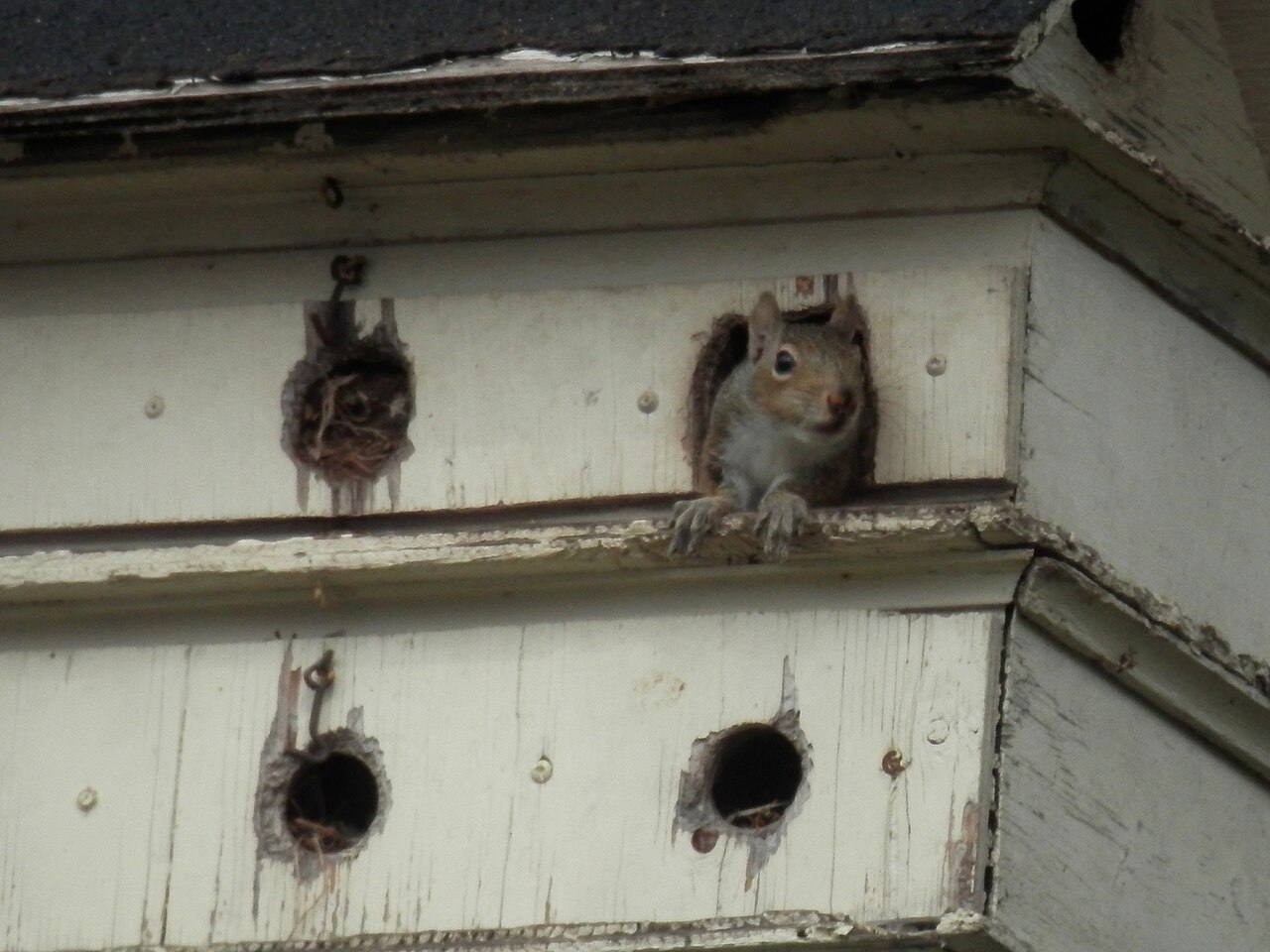
Attic squirrels are almost always a mother with kits, because attics are simply weatherproof dreys. The tell is daytime noise, scampering and rolling sounds in morning and late afternoon, versus the nighttime scratching of rats and mice. Droppings help confirm: squirrel pellets are rounded and scattered near the entry, and our squirrel poop vs rat poop guide breaks down the comparison in detail.
The one unbreakable rule: never seal the entry hole between February and May or July and October, the two kit seasons, without confirming the attic is empty. Sealing a mother out, or kits in, converts a nuisance into a disaster, a frantic squirrel chewing back in, or a litter dying in your insulation. Evict with patience instead: harassment (lights, radio, rags soaked in apple cider vinegar near the nest) usually convinces her to move the litter to a backup drey within a day or two.
Once you have watched her carry the last kit out, install a one-way door over the entry for a few days, then seal with hardware cloth or metal flashing, since squirrels laugh at foam and caulk. Finish by trimming branches 6 to 8 feet back from the roofline to close the highway that brought her, and cap chimneys before the next baby season books the room again.
What Baby Squirrels Eat as They Grow
For their first 6 weeks, kits consume nothing but their mother’s milk, which is why orphan care is so unforgiving. Weaning begins around week 6 to 7 with soft solids the mother brings or the kits find near the nest: buds, tender bark, fungi, and softened nut meats, alongside continued nursing.
By 10 weeks they eat the adult menu: acorns, hickory nuts, walnuts, seeds, fungi, berries, tree buds, and the occasional insect or bird egg. Juveniles also inherit caching behavior immediately, burying nuts with the full head-swivel security check, though first-year squirrels lose more caches than veterans, which conveniently plants trees.
In backyard terms, juveniles are the feeder raiders of late summer, bold, clumsy, and hungry. If your seed bill spikes in August, the summer litter has arrived, and a proper pole-mounted baffle from our squirrel baffle guide paired with a squirrel-proof feeder redirects them back to the oaks without harming anyone.
Predators, Survival Odds, and First Winter
Squirrel babyhood is dangerous, and the numbers are sobering: only about a quarter of kits survive their first year in many studied populations. Nest predators take kits before they ever climb, with rat snakes, raccoons, and crows raiding dreys, while hawks and owls pick off naive juveniles making their first exposed runs. This pressure is exactly why gray squirrels evolved two litters a year.
The first winter is the second filter. A juvenile must learn to cache food, remember enough of those caches, and claim or build a weatherproof drey before the cold arrives, all in its first few months. Summer-born kits get a boost by overwintering with their mother, one reason late litters survive better than their late start suggests.
Kits that clear both filters can expect a long run: wild gray squirrels commonly live 5 to 6 years and can exceed 10, with adult survival far higher than juvenile. So the gawky youngster fumbling under your feeder in August is living the riskiest chapter of its whole life; if it makes it to spring, odds are you will be watching the same squirrel for years.
Related reading: Flying Squirrel Pet.
Related reading: Flying Squirrel.
Related reading: Squirrel Lifespan.
Frequently Asked Questions
What is a baby squirrel called?
A kit or kitten. Gray squirrels typically raise 2 to 4 kits per litter, with two litters a year, one in late winter and one in midsummer.
What should I do if I find a baby squirrel on the ground?
If it is warm and uninjured, give the mother a chance: place it at the base of the nest tree or in a shallow box on the trunk and leave the area until dark. Escalate to a licensed rehabilitator if it is injured, cold, fly-covered, or unclaimed by nightfall.
Can I give a baby squirrel milk?
No. Cow’s milk and most pet formulas cause fatal diarrhea in kits, and feeding a cold kit anything can kill it. Warmth, quiet, and a fast call to a rehabilitator are the finder’s whole job.
When do baby squirrels open their eyes?
Around 4 weeks old, roughly day 28 to 35. Full fur arrives by week 6, first ventures from the nest around 6 to 7 weeks, and independence by 10 to 12 weeks.
Why is a young squirrel following me around?
Juveniles have not yet learned wariness, so approaching people is normal curiosity, not proof of orphaning. If it is fully furred with a fluffy tail and climbing well, it almost never needs rescue.
When are baby squirrels born?
In two seasons: late winter (February to March) and midsummer (July to August). Those windows are exactly when attic entry holes must never be sealed without confirming the space is empty.
Is it legal to keep a baby squirrel as a pet?
In most states, no; possessing wild squirrels without a permit is illegal, and hand-raised squirrels become unreleasable. State wildlife agencies maintain lists of licensed rehabilitators who can raise and release them properly.