Snake Tattoo Meaning: Rebirth, Medicine, and Danger Explained
The snake tattoo carries one of the most genuinely dualistic meanings of any tattoo design, capable of representing both rebirth and death, healing and danger, wisdom and temptation, depending on the specific cultural tradition, design details, and personal context a wearer draws on, a symbolic range rooted directly in the snake’s own remarkable biology, particularly its ability to shed its skin entirely and emerge looking effectively renewed, an act humans across countless cultures have interpreted as a powerful metaphor for transformation, renewal, and leaving behind an old version of oneself.
This genuinely wide symbolic range means snake tattoos carry meaningfully different weight depending on which specific tradition or interpretation a wearer intends to invoke, from the ancient medical symbolism still visible in modern healthcare logos to the more cautionary, danger-associated readings some cultures emphasize instead, making it worthwhile to understand the full breadth of snake symbolism before choosing this design. This guide covers the shedding-and-renewal core meaning, medical and healing associations, cultural variations across different traditions, common design elements and their added meaning, and placement considerations for anyone considering this richly symbolic design.
| Meaning Category | Core Association |
|---|---|
| Shedding skin | Rebirth, transformation, renewal |
| Medical/caduceus tradition | Healing, medicine, protection |
| Ancient Egyptian | Royalty, protection, divine power |
| Christian/Western tradition | Temptation, danger, deception |
| Eastern/Asian tradition | Wisdom, good fortune, protection |
| Ouroboros (snake eating tail) | Eternal cycles, infinity, unity |
The Core Symbolism: Shedding Skin and Rebirth
The snake’s most universally recognized symbolic meaning stems directly from its genuine biological process of shedding its skin periodically throughout its life, emerging from each shed looking notably fresh and renewed, a real biological event that has provided humans across countless unrelated cultures with a natural and remarkably consistent metaphor for transformation, personal growth, and leaving behind an old identity or difficult period to emerge changed.
This shedding-based rebirth symbolism appears independently across cultures with otherwise very different snake traditions, suggesting the metaphor draws on something genuinely universal about how humans interpret this specific natural behavior rather than representing a meaning borrowed from any single cultural source, making the rebirth and transformation reading perhaps the single most broadly applicable snake tattoo meaning across the widest range of cultural contexts and personal interpretations.
Many wearers specifically choose snake tattoos to commemorate their own significant personal transformation, recovery from illness or addiction, emerging from a difficult life period, or any major identity shift, drawing directly on this shedding symbolism to represent having emerged from their own figurative old skin into a renewed version of themselves, a deeply personal application of the snake’s core biological behavior that connects meaningfully to the broader transformation symbolism explored across our butterfly tattoo meaning guide as well, though through an entirely different biological mechanism.
Medical Symbolism: The Caduceus and Rod of Asclepius

Snakes carry a particularly significant and still highly visible symbolic association with medicine and healing, most recognizably through the Rod of Asclepius, a single snake coiled around a staff, which serves as the actual official symbol of medicine used by major medical organizations worldwide, a symbolic tradition tracing back to ancient Greek mythology and the god Asclepius specifically associated with healing and medicine.
This medical symbolism draws on several ancient beliefs about snakes, including their observed skin-shedding renewal already covered above, along with ancient associations between snakes and the underworld or chthonic knowledge believed to include healing wisdom, and even practical ancient medical practices that sometimes involved snake venom or related substances in treatment, all combining into the snake’s genuinely deep-rooted association with healing across Western medical tradition specifically.
A related but distinct symbol, the caduceus, featuring two snakes wrapped around a winged staff, is often confused with the single-snake Rod of Asclepius specifically, though the caduceus actually originates from Hermes mythology and traditionally represented commerce and communication rather than medicine, an interesting historical mix-up that nonetheless means many snake tattoos drawing on medical symbolism specifically reference one or both of these related but technically distinct traditional symbols.
Ancient Egyptian and Royal Symbolism
Ancient Egyptian culture held snakes, particularly the cobra specifically, in genuinely elevated symbolic regard, most visibly through the uraeus, the upright cobra symbol worn on pharaohs’ crowns representing divine authority, royal power, and protection, making the snake one of ancient Egypt’s most significant symbols of legitimate rulership and divine connection rather than any purely negative or dangerous association.
This Egyptian tradition specifically connects snakes to protective, almost guardian-like symbolism, with the cobra believed to offer divine protection to rulers and, by extension in modern tattoo interpretation, to anyone choosing this specific Egyptian-influenced snake design who wants to invoke protection, authority, or connection to ancient wisdom rather than the more cautionary readings some other traditions emphasize instead.
Modern snake tattoos drawing specifically on this Egyptian tradition often incorporate visual elements referencing this royal cobra imagery directly, sometimes combined with other Egyptian iconography, giving wearers a way to specifically invoke this particular ancient tradition’s protective and authoritative symbolism distinctly from the more commonly known Western temptation-and-danger reading covered in the next section.
Western Tradition: Temptation and Danger
In Western, particularly Christian-influenced, cultural tradition, snakes carry a considerably more cautionary symbolic association, most famously through the biblical account of the serpent tempting Eve in the Garden of Eden, establishing a lasting Western cultural association between snakes and temptation, deception, and moral danger that persists strongly in general Western folk symbolism even outside explicitly religious contexts specifically.
This temptation-and-danger reading means some snake tattoo wearers specifically choose the design to represent overcoming or acknowledging personal temptation, a battle with deception either from others or self-deception, or simply an acknowledgment of danger successfully navigated, a considerably more cautionary interpretation than the healing or rebirth readings covered in earlier sections, though these different meanings are not mutually exclusive and individual wearers often blend elements from multiple traditions.
Some wearers deliberately invert this traditional negative Western reading, choosing a snake tattoo specifically to reclaim or subvert the temptation association, representing personal power, unapologetic confidence, or a refusal to be shamed for qualities traditionally coded as dangerous or tempting, a more contemporary, deliberately reclaimed interpretation that exists alongside rather than replacing the more traditional cautionary Western reading.
Eastern and Asian Traditions: Wisdom and Fortune
Many Eastern and Asian cultural traditions hold considerably more positive, wisdom-associated snake symbolism than the cautionary Western reading covered above, with Chinese tradition specifically associating the snake with wisdom, intuition, and good fortune, reflected partly in the snake’s place among the twelve animals of the Chinese zodiac, where those born in snake years are traditionally associated with wisdom, charm, and intelligence.
Hindu tradition holds particularly elaborate and significant snake symbolism as well, with serpents, particularly the multi-headed naga figures, representing protection, fertility, and connection to sacred waters and the underworld, while snakes also appear significantly in yogic and spiritual tradition through the concept of kundalini energy, often symbolized as a coiled serpent representing dormant spiritual power capable of awakening.
These generally more positive Eastern associations with wisdom, protection, and spiritual power offer wearers drawn to snake symbolism a meaningfully different interpretive framework than the more cautionary Western tradition, and many contemporary snake tattoo designs specifically incorporate Eastern-influenced artistic styles or symbolic elements to intentionally invoke this more positive wisdom-and-fortune reading rather than the temptation-and-danger association more common in purely Western symbolic contexts.
The Ouroboros: Eternal Cycles and Unity
One of the most visually distinctive and symbolically rich snake tattoo designs is the ouroboros, depicting a snake consuming its own tail in a continuous circular form, an ancient symbol appearing across multiple independent cultural traditions including ancient Egyptian, Greek, and Norse mythology, representing eternal cycles, infinity, self-sufficiency, and the unity of beginnings and endings within one continuous form.
This particular design adds a genuinely distinct symbolic layer beyond the general snake meanings covered throughout this guide, since the circular, self-consuming form specifically emphasizes cyclical time, eternal return, and the idea that endings and beginnings are fundamentally connected rather than opposed, a philosophical reading that some wearers find particularly meaningful for representing life’s cyclical nature or their own recurring patterns of growth and renewal.
The ouroboros has also found modern application in fields ranging from psychology, where it sometimes represents psychological wholeness and integration, to chemistry, where the symbol reportedly influenced August Kekulé’s insight into the ring structure of benzene, giving this particular snake design a genuinely rich cross-disciplinary symbolic history beyond its ancient mythological origins alone, making it a popular choice for wearers specifically drawn to themes of cyclical renewal and interconnected wholeness.
Real Snake Species That Inspire Tattoo Designs
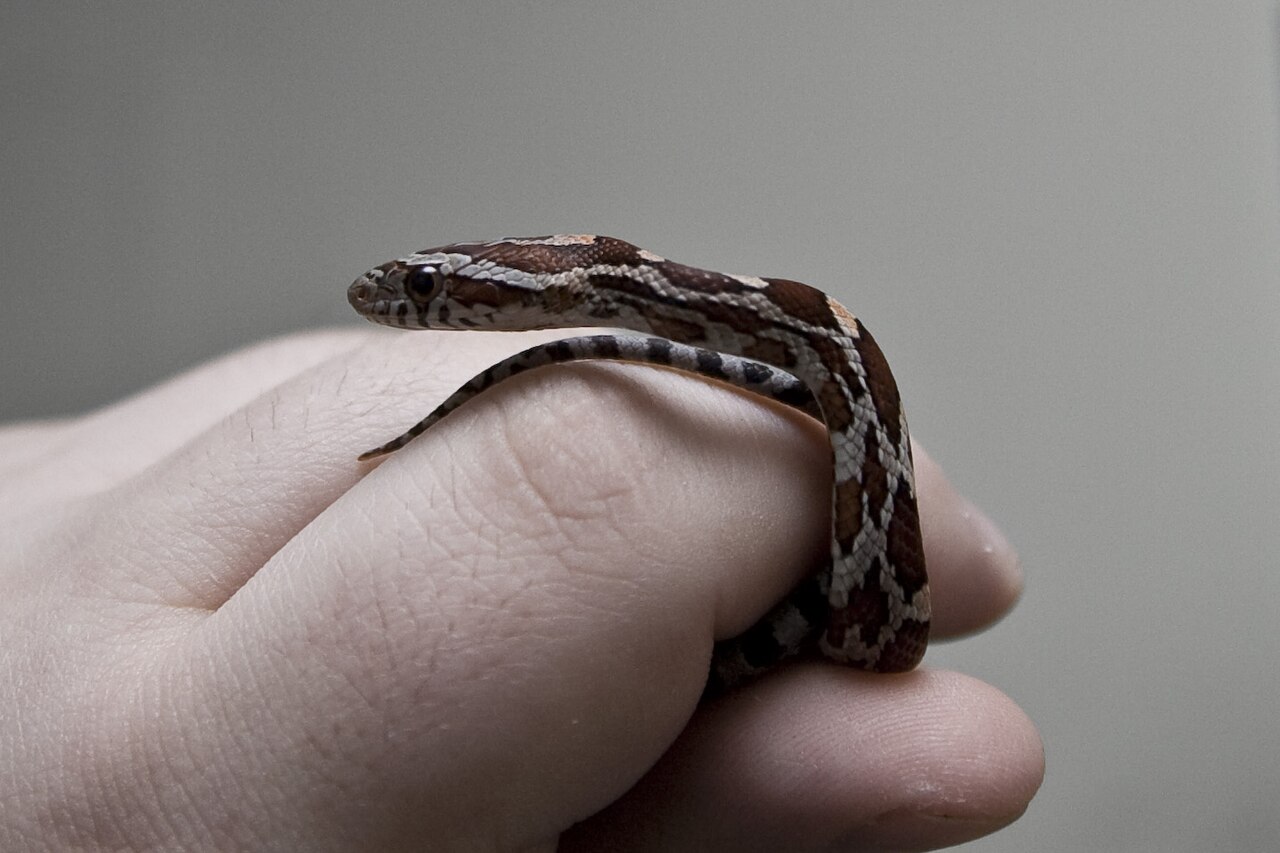
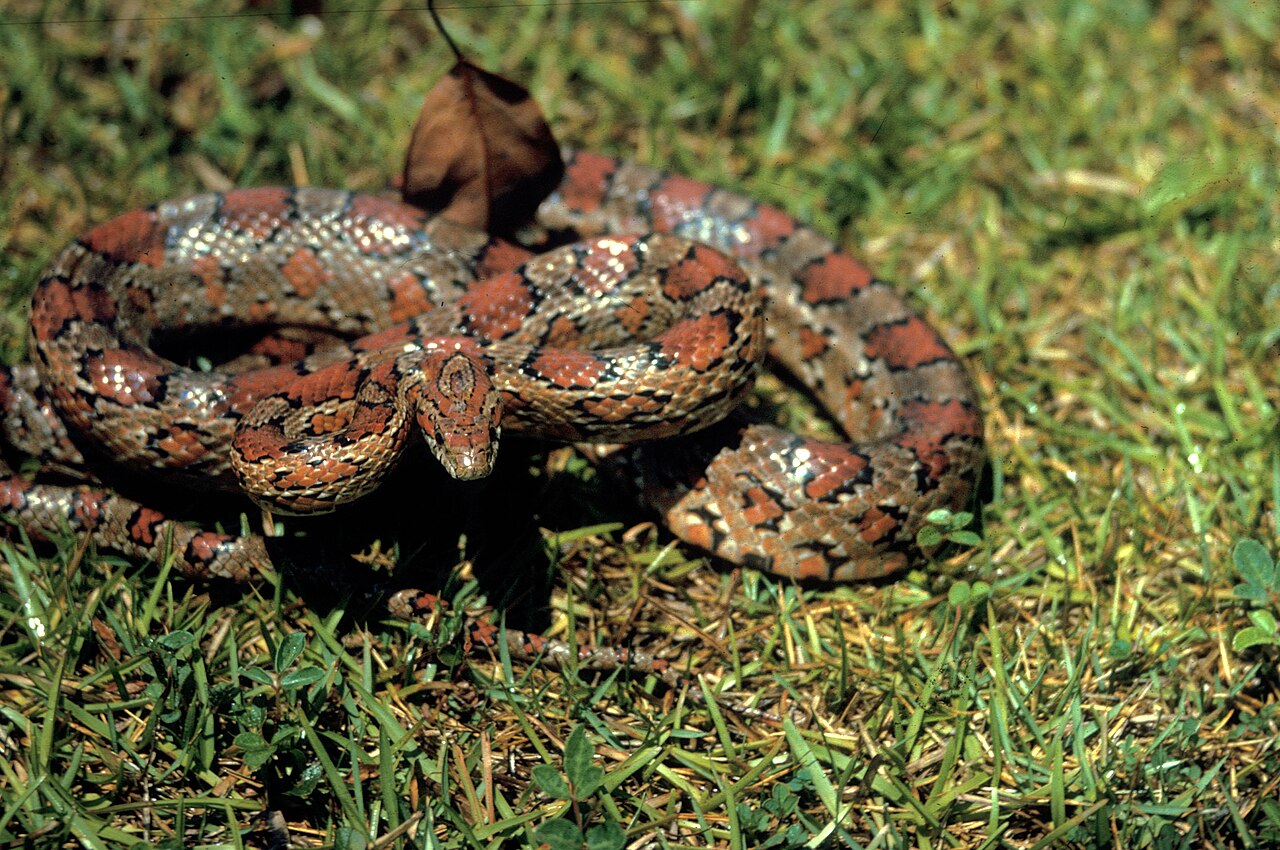
Many wearers choose designs modeled on specific real snake species to add further nuance to their tattoo’s meaning, with cobras drawing directly on the Egyptian royal symbolism covered earlier, while designs based on species like the king snake or milk snake, known for their strikingly patterned bands, often emphasize the snake’s natural visual beauty and pattern complexity over any single specific cultural tradition.
Rattlesnake-inspired designs, meanwhile, tend to lean into the more cautionary Western danger symbolism covered earlier, given the rattlesnake’s genuinely venomous nature and widely recognized warning rattle, while designs based on constricting species like the rat snake sometimes emphasize themes of patient, powerful control rather than venomous danger specifically.
Understanding the real biology and behavior behind whichever specific snake species inspires a design, including how species like the coral snake and its harmless mimics navigate their own survival through both genuine danger and clever deception, can add a layer of grounded, factual appreciation to a tattoo’s symbolic meaning beyond purely mythological or cultural associations alone.
Common Design Elements and What They Add
Snakes paired with flowers, particularly roses, blend the snake’s transformation and duality symbolism with the flower’s own associations, commonly beauty alongside danger given a rose’s thorns, creating a combined design that some wearers choose specifically to represent the coexistence of beauty and danger, or growth alongside difficulty, within a single meaningful image rather than relying on the snake alone.
Snakes wrapped around objects, daggers, skulls, or other symbolic elements, layer additional meaning onto the base snake symbolism, with dagger combinations often emphasizing protection or danger successfully navigated, and skull pairings frequently invoking mortality and rebirth together, connecting to the same transformation-through-difficulty themes explored in relation to other symbolically rich designs like our dragonfly tattoo meaning guide.
Specific snake species chosen for a design can add further nuance as well, with cobras often specifically invoking the Egyptian royal and protective symbolism covered earlier, while more generic or stylized snake designs without clear species reference tend to draw more broadly on the general transformation, wisdom, or duality themes running throughout this guide without committing to any single culturally specific tradition.
Placement Considerations for Snake Tattoos
Snakes are particularly well suited to wrapping designs that follow the natural contours of a limb, making arm and leg placements especially popular for snake tattoos specifically, since the design can spiral naturally around the limb in a way that echoes the animal’s genuine physical form and movement more effectively than many other tattoo subjects can achieve within a similar body-wrapping format.
Spine placements also work particularly well for elongated snake designs, allowing the snake to run the full length of the back in a striking, continuous visual statement, while smaller, more compact snake designs, particularly ouroboros circles, adapt readily to wrist, ankle, or other smaller placement areas where the design’s circular or coiled form fits naturally within a more limited space.
Given the snake’s genuinely wide range of possible symbolic meanings covered throughout this guide, placement choice sometimes intentionally reinforces a specific intended reading, with chest placement near the heart sometimes chosen to emphasize personal transformation themes specifically, while more visible placements like forearms or hands might be chosen by wearers wanting to display their chosen snake symbolism, whether protection, wisdom, or reclaimed power, more openly and prominently.
Related reading: Wolf Tattoo Meaning.
Related reading: Bee Tattoo Meaning.
Frequently Asked Questions
What does a snake tattoo mean?
Snake tattoos carry genuinely diverse meanings depending on tradition and context, including rebirth and transformation from shedding skin, medical healing through the Rod of Asclepius, protection and royalty in Egyptian tradition, or temptation and danger in Western Christian symbolism.
What does a snake eating its own tail tattoo mean?
This design, called an ouroboros, represents eternal cycles, infinity, and the unity of beginnings and endings, an ancient symbol appearing across Egyptian, Greek, and Norse traditions independently.
Is a snake tattoo good or bad luck?
It depends entirely on cultural tradition; Eastern traditions, including Chinese zodiac symbolism, generally associate snakes with wisdom and good fortune, while Western Christian tradition more often associates them with temptation and caution.
Why is a snake the symbol of medicine?
The Rod of Asclepius, a single snake coiled around a staff, comes from ancient Greek mythology associated with the healing god Asclepius, drawing partly on the snake’s skin-shedding renewal and ancient beliefs connecting snakes to healing wisdom.
What does a snake and rose tattoo mean together?
This combination typically represents the coexistence of beauty and danger, or growth alongside difficulty, blending the snake’s transformation symbolism with the rose’s own beauty-and-thorns duality.
Do snake tattoos always represent something negative?
No, this is primarily a Western cultural association; many traditions, including Egyptian, Chinese, and Hindu symbolism, associate snakes with protection, wisdom, royalty, and spiritual power rather than danger or negativity.
What is the difference between a caduceus and the medical snake symbol?
The Rod of Asclepius features one snake and represents medicine specifically, while the caduceus features two snakes on a winged staff and traditionally represented commerce, though the two symbols are frequently confused in popular use today.