Ladybug Lands on You? Luck and Meaning Explained
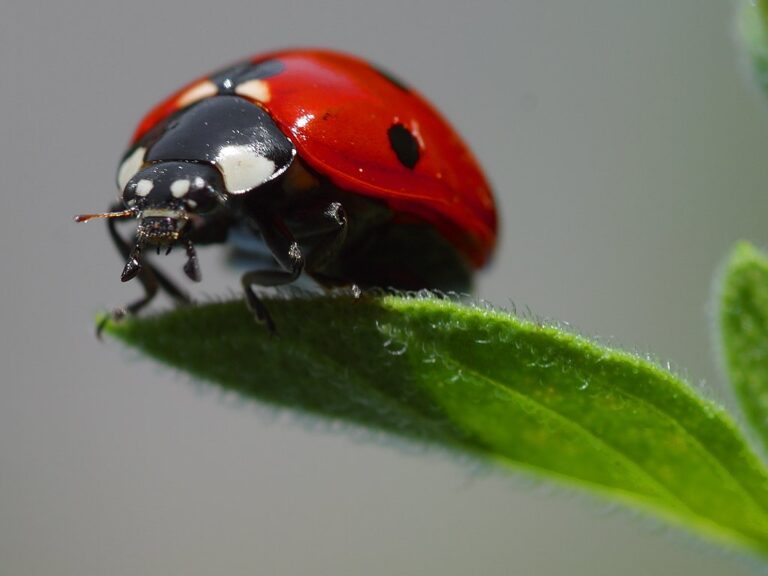
When a ladybug lands on you, the traditional meaning is good luck arriving in your life, and it is one of the most consistent positive omens in world folklore. European tradition holds that a ladybug landing on you brings a wish, a blessing, or news of good fortune, and that harming one invites bad luck. Layers of meaning stack on top of the luck itself: the number of spots is said to predict months of good fortune or children to come, the direction it flies reveals where luck or love will come from, and many people read the visit as a message from an angel or a loved one who has passed.
This guide walks through every major interpretation, from the angel connection and love omens to what the ladybug’s color says, whether killing one really brings bad luck, and the straightforward biology of why ladybugs actually land on people. Both readings can be true at once: a beetle following scent and warmth, and a moment that feels like a small blessing.
| Core meaning | Good luck, protection, good news coming |
| Spiritual reading | Message from angels or departed loved ones |
| In love | New romance or renewal of an existing bond |
| Spots | Months of luck ahead in folk tradition |
| Killing one | Bad luck in nearly every tradition |
| The science | Warmth, light colors, and scent attract them |
The Core Meaning: Luck, Protection, and Good News
The ladybug’s reputation as a luck-bringer is centuries old and unusually universal. Across Europe, farmers saw ladybugs arrive and devour the aphids destroying their crops, so the beetle literally saved harvests and became a living symbol of help arriving exactly when needed. That agricultural gratitude hardened into folklore: a ladybug landing on you means fortune is choosing you personally, and many traditions say you should let it stay until it flies off on its own so the luck can settle.
The protection layer comes from the beetle’s religious history. The name ladybug derives from “Our Lady’s bird,” a reference to the Virgin Mary, and legend holds that medieval farmers prayed for relief from pests and ladybugs came as the answer. The seven spots of the common European species were read as Mary’s seven joys and seven sorrows. A ladybug landing on you, in that tradition, is a small sign of being watched over.
The good-news reading is the third classic strand. In German folklore the ladybug is a Glückskäfer, a luck beetle, and its arrival was said to herald a good harvest, a birth, or welcome news within days. Modern spiritual writing keeps the same shape: the visit signals that a stretch of effort is about to pay off. If animal visits as messages interest you more broadly, our guide to bird symbolism covers how the same logic runs through the bird world.
Ladybugs as a Sign From Angels
One of the most searched ladybug questions is whether the beetle is a sign from angels, and in modern spiritual tradition the answer given is yes. The ladybug’s link to the divine runs through its very name in many languages: Marienkäfer (Mary’s beetle) in German, mariquita in Spanish, coccinelle from the Latin for scarlet, a color long tied to divine love. A creature named for heaven’s queen naturally became a favored messenger in folk belief, and modern angel-number and spirit-animal writing carries that thread forward.
The most common contemporary reading is that a ladybug landing on you is a gentle hello from a guardian angel or from a loved one who has passed. Unlike heavier omens, the ladybug’s message is framed as reassurance: you are on the right path, you are protected, and something you have been worrying about will resolve. People frequently report ladybug landings at emotionally loaded moments, at funerals, anniversaries, or when making hard decisions, which reinforces the association through sheer memorability.
There is a fair, grounded way to hold this belief. A ladybug landing on you is common enough that biology explains the mechanics, and meaningful enough that the moment can still serve as a genuine prompt to pause, remember someone, or take stock. Folklorists call this reading signs rather than superstition: the beetle does not need supernatural navigation for the moment to carry personal weight. The same balanced approach applies to visits from larger messengers, like the ones covered in crow visits meaning.
What the Color of the Ladybug Means
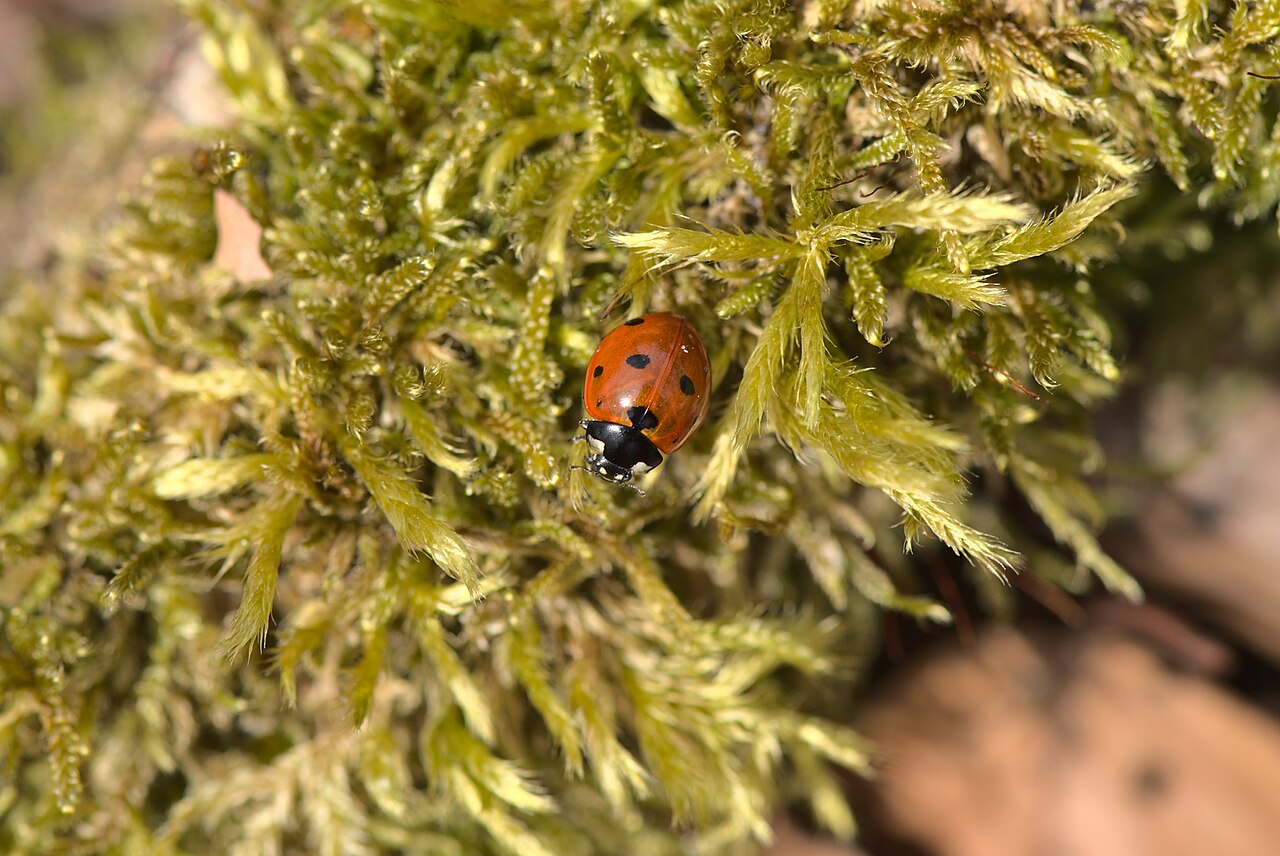
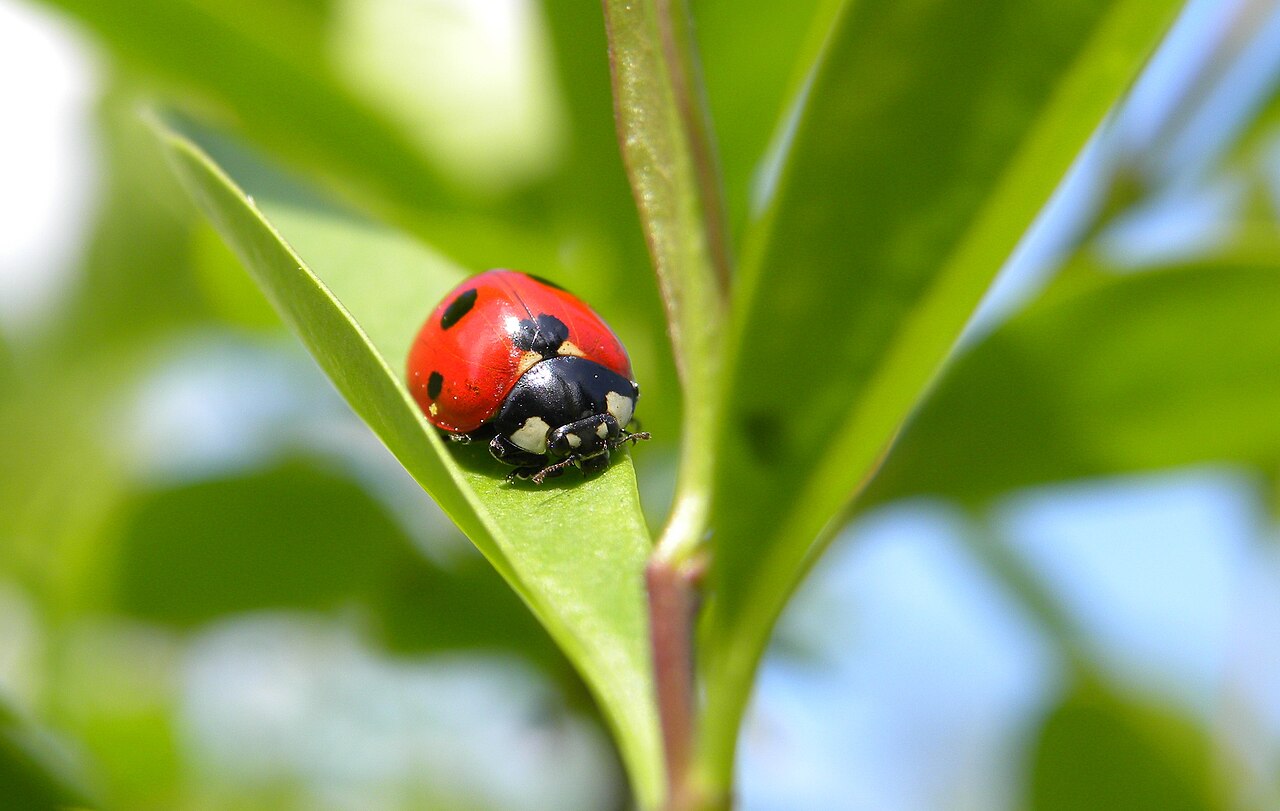
Classic red with black spots is the fullness of the traditional meaning: luck, love, and protection in their strongest form. Red is the color of vitality and the heart in nearly every symbolic system, so a red ladybug landing on you is read as good fortune in matters you care about most. This is the image on every good-luck charm, and when folklore talks about the ladybug, the red seven-spot is the beetle it means.
A yellow ladybug landing on you is read as a sign of new beginnings, creativity, and mental clarity, with yellow carrying its usual associations of sunlight and fresh energy. Spiritual writers often frame the yellow ladybug as a nudge toward a project or idea you have been postponing. An orange ladybug is usually interpreted the same way with an added note of ambition or harvest, though many orange “ladybugs” in North American homes are actually Asian lady beetles, a distinction worth knowing and covered in our Asian lady beetle vs ladybug comparison.
A black ladybug with red spots inverts the palette but not the fortune: black variants are traditionally read as protection and the end of a difficult period, with the rarity of the sighting adding weight. White or ash-gray ladybugs are taken as signs of peace and spiritual connection. Folk color readings are consistent in one thing: no ladybug color is a bad omen. The beetle’s meaning stays positive across every variant, which is rare in animal symbolism.
Counting the Spots: What the Numbers Mean
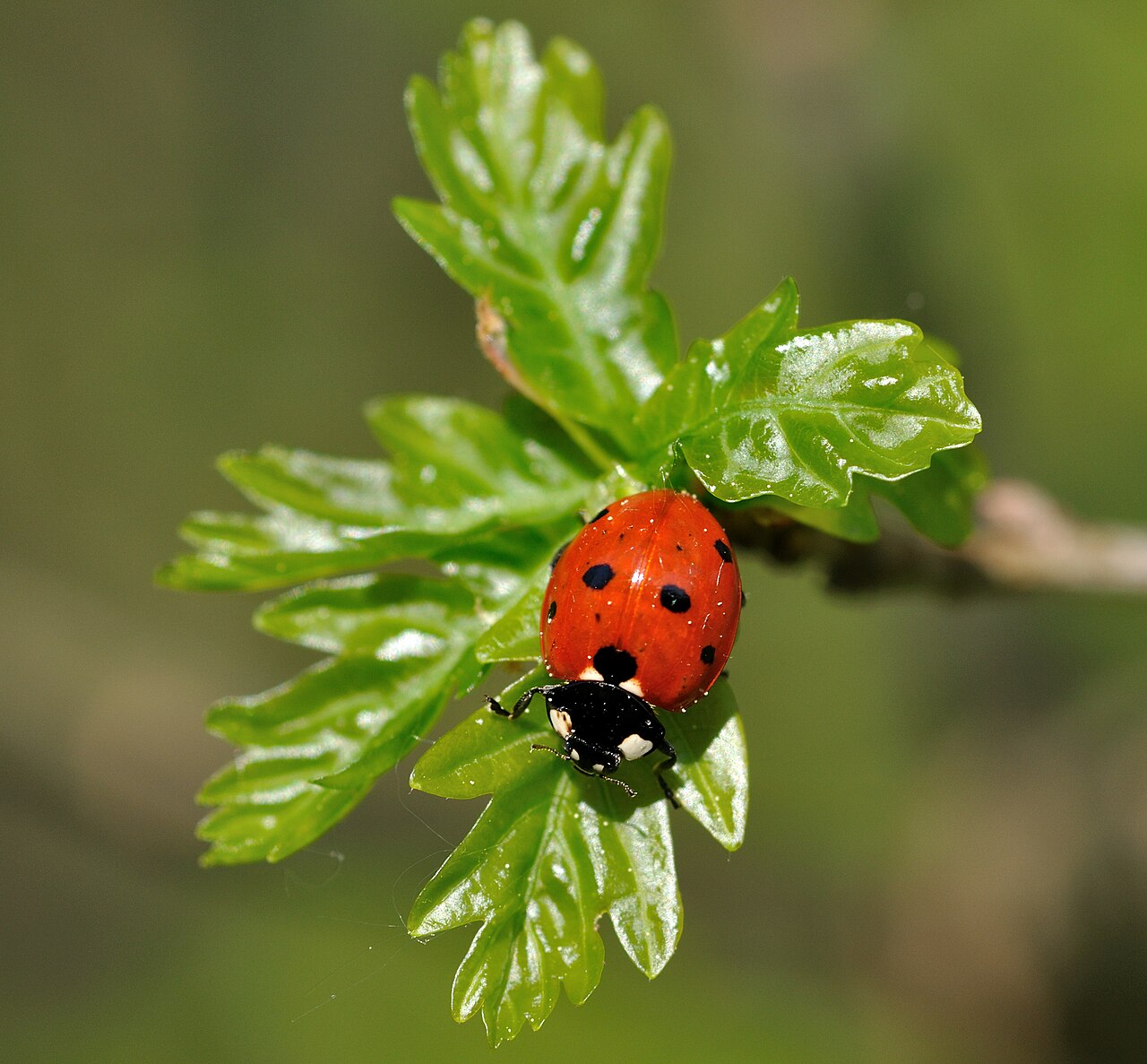
The best-known spot tradition says the number of spots on a ladybug that lands on you equals the number of months of good luck coming your way. Seven spots, the count of the most common European species, was considered especially blessed because of the number’s biblical weight. In another old strand of the folklore, a ladybug landing on a newly married woman was said to predict the number of children by its spots, a belief recorded across rural Europe.
Other counting traditions vary by region. Some read fewer spots as luck arriving sooner and many spots as luck spread over a longer season. In parts of England the spots foretold shillings coming to your pocket; in farming communities, a heavily spotted ladybug promised a heavy harvest. None of these systems agree with each other, which tells you they were always playful divination rather than fixed doctrine, closer to pulling flower petals than to serious omen-reading.
The biology behind the spots is more definite: spot count is fixed by species, not age. A seven-spotted ladybug hatched with seven spots and will die with seven, and the twenty-two spot species always wears twenty-two. The common claim that you can age a ladybug by counting spots is false, though spot colors can deepen as the beetle matures. So the spots on your visitor identify what species chose you, which is its own kind of answer.
Ladybug Landing Meaning in Love
In love folklore, a ladybug landing on you means romance is approaching, and the tradition gets pleasingly specific. In several European customs, a single person who has a ladybug land on them should watch which direction it flies away, because love will arrive from that quarter. Some versions say the beetle flies toward your future sweetheart’s home. For those already partnered, the landing is read as renewal, a sign the relationship is entering a warmer season.
The love association is old enough to appear in nursery rhymes and courting customs. The familiar “Ladybird, ladybird, fly away home” rhyme has variants where the beetle is dispatched to carry messages to a lover. In Asian traditions the connection is even stronger: one Chinese folk belief holds that if a ladybug lands on you, your true love will appear within the count of its spots in days. The ladybug’s pair-bond-free real life is beside the point; symbolically it has been cupid’s beetle for centuries.
A landing during a moment of doubt about a relationship is the version people remember most, and the folk reading there is gentle: the beetle counsels patience rather than exit. Modern spiritual writers frame the love meaning around self-worth first, luck in love following from it. If insect love-omens appeal to you, the same tradition attaches to butterflies, explored in our guide to what it means when a butterfly lands on you.
Is It Bad Luck to Kill a Ladybug?
Folklore is unusually unanimous here: killing a ladybug brings bad luck, and the belief spans cultures that agree on little else. The root is the beetle’s sacred naming. A creature dedicated to the Virgin Mary was under her protection, and medieval tradition held that harming one insulted the Lady herself. German folklore promised misfortune to anyone who killed a Glückskäfer, and some regional versions specified consequences as concrete as rain ruining the harvest or a lost love.
The practical origin underneath the taboo is easy to see. Ladybugs were the farmer’s free pest control, each adult eating dozens of aphids a day, so a community that discouraged killing them protected its own crops. Folklore often works this way, wrapping good ecology in supernatural consequences so the rule enforces itself. The bad-luck belief is, at bottom, one of the oldest pieces of conservation messaging in the Western world.
If ladybugs are gathering inside your house in fall, you can respect both the folklore and your living room. The beetles clustering on warm south-facing walls in October are usually Asian lady beetles seeking overwintering shelter, and the humane response is a cup-and-card relocation or gentle vacuuming into a stocking-lined hose for outdoor release. Squashing them is not only unlucky by tradition but genuinely messy, since the beetles release a staining yellow defensive fluid. Their bites are trivial but real, as covered in do ladybugs bite.
Ladybug Symbolism Across Cultures
European tradition built the richest ladybug lore, anchored by the Virgin Mary connection and the harvest-savior legend. In France the beetle is la bête à bon Dieu, the good God’s animal, and a ladybug landing on a sick person was believed to fly away carrying the illness. British and Irish traditions tied the ladybug to weather divination and to the messenger rhymes children still sing. Across the continent, the beetle on your hand was an audience with small, benevolent power.
Asian traditions run parallel and equally warm. In Chinese folk belief the ladybug is lucky in commerce and love, and its arrival at a home signals prosperity entering. Japanese tradition names the beetle tentoumushi, roughly the sun’s path insect, because of its habit of climbing to the highest point of a stem and launching toward the light, an image tied to aspirations reaching heaven. Korean folklore reads the ladybug as a fortune-teller of weather and fortune both.
In many North American Indigenous traditions the ladybug embodies renewal and trust in the natural cycle, its round red form linked to the sun. Farmers in early America inherited the European luck beliefs wholesale, and the beetle’s protected status carried into the modern era, where several US states, including Ohio, Massachusetts, and New York, have named ladybugs their official state insect. Few animals hold an unambiguously positive meaning in this many unconnected cultures; the ladybug’s consistency is the remarkable thing.
The Science: Why Ladybugs Really Land on You
The biological reasons a ladybug lands on you are warmth, color, scent, and convenience. Ladybugs are cold-blooded and drawn to warm, sunlit surfaces, and a human in the sun is a large, radiating perch. Light and bright clothing, especially yellows and whites, mimics the flowers where ladybugs hunt aphids and sip nectar, and studies of lady beetle attraction consistently show light colors drawing more landings. Fragrances and sweat chemistry add a scent lure, since ladybugs navigate heavily by smell when hunting.
Timing matters too. Landings spike in spring dispersal, when overwintered adults fan out hungry, and again in fall, when species like the Asian lady beetle seek warm structures for winter shelter. According to entomologists at the University of Kentucky College of Agriculture, fall aggregations target sun-warmed, light-colored walls, which is why an October afternoon on a bright porch can produce a dozen landings that have everything to do with thermoregulation and nothing to do with fate.
Frequently Asked Questions
What does it mean when a ladybug lands on you and flies away?
Tradition says the luck has been delivered and the direction of its flight points to where good news, or love, will come from. Letting it leave on its own, rather than brushing it off, is said to preserve the blessing.
Is a ladybug landing on you actually good luck?
In folklore, yes, almost universally: European, Asian, and North American traditions all read the landing as fortune, protection, or good news. There is no tradition in which a ladybug landing is a bad omen.
What if an orange ladybug lands on me?
Orange carries readings of ambition, creativity, and harvest-season luck. Note that many orange ladybugs indoors are Asian lady beetles, a lookalike species that gathers in homes each fall; symbolically most modern readings treat the two the same.
Does a ladybug landing on you mean love is coming?
That is one of the oldest readings. Folk customs say love arrives from the direction the beetle flies, and some traditions count its spots to predict when. For couples, the landing signals renewal rather than new romance.
What does a ladybug mean spiritually?
Spiritually the ladybug represents protection, answered prayers, and messages from angels or departed loved ones, a legacy of its naming after the Virgin Mary. Its core message is reassurance: stay the course, help is near.
How rare is it for a ladybug to land on you?
Not rare in season. Spring dispersal and fall sheltering bring ladybugs into constant contact with people, especially anyone in light clothing near gardens. The frequency does not diminish the folklore; every landing traditionally counts.
What should you do when a ladybug lands on you?
Tradition says make a wish, stay still, and let it fly off on its own. Practically, that is also the kindest handling, since ladybugs are harmless, beneficial predators of garden pests and need no removal beyond patience.