Baby Frog: Froglets, Metamorphosis, and Why They Stop Eating
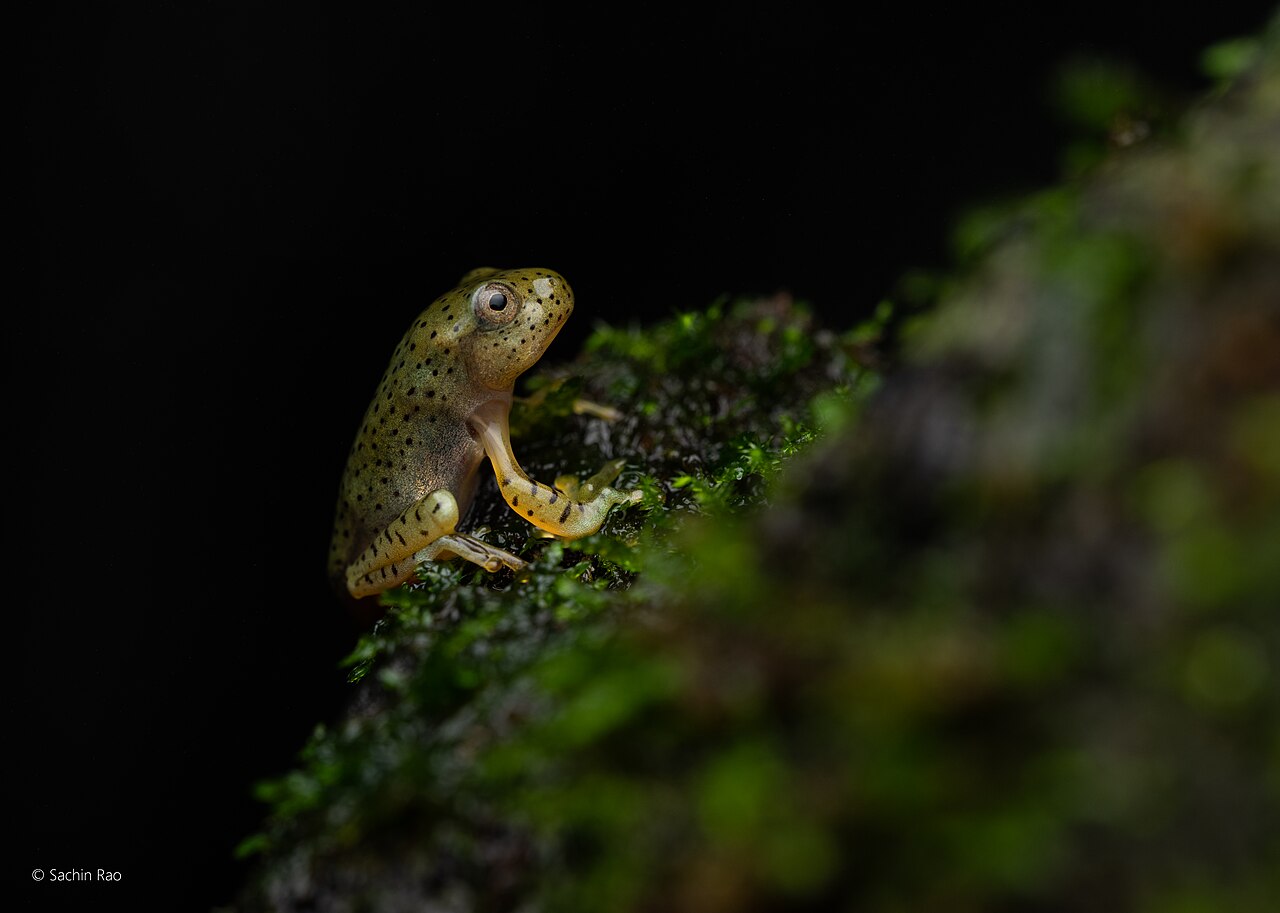
A baby frog that has just left the water is called a froglet, and it is the stage between tadpole and adult. It still carries a shortened tail, has fully formed legs, breathes air through lungs, and cannot eat until the tail is completely absorbed, because the same body is being rebuilt from a plant-eating swimmer into a carnivorous hunter.
That transition is the most demanding period in a frog’s life and the one where most captive animals are lost. This guide covers the terms people use for each stage, what happens during metamorphosis, why froglets refuse food, how long each phase takes, what they eat once they start, and what to do when you find one in a garden or a pond.
| Stage | What It Is |
|---|---|
| Egg | Laid in jelly clumps or strings in water |
| Tadpole | Aquatic, gills, tail, mostly herbivorous |
| Metamorph | Four legs plus a shrinking tail, leaving water |
| Froglet | Tail absorbed or nearly so, miniature adult |
| Time to froglet | Roughly 6 to 14 weeks in most species |
| Feeding during tail absorption | None, the tail is the food supply |
What to Call Each Stage
Baby frogs pass through several distinct stages and the terminology is worth getting right because the care requirements differ completely. Eggs are laid in water, usually in gelatinous clumps in frogs and strings in toads.
Tadpoles, also called polliwogs, hatch with external gills, a long finned tail, and no legs, and they are largely herbivorous, grazing algae and biofilm. This is the growth stage and it lasts the longest.
Metamorph describes the transitional animal with four legs and a shrinking tail, and froglet describes a young frog with the tail absorbed or nearly gone. A froglet looks like a miniature adult and behaves like one, hunting live prey on land. Our guide to what tadpoles eat covers the aquatic stage in detail.
What Happens During Metamorphosis
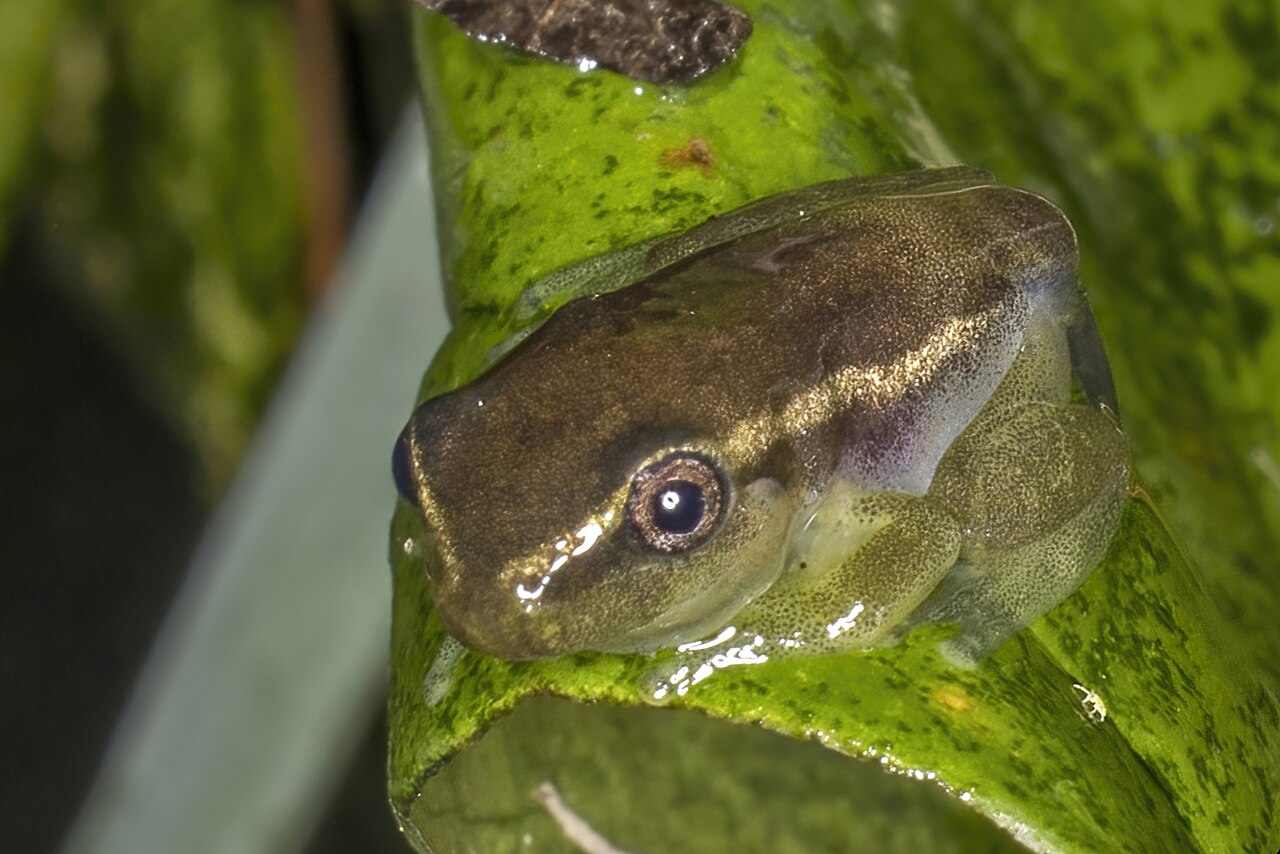
The transformation is far more thorough than growing legs. Driven by thyroid hormone, the animal rebuilds most of its body: gills are replaced by lungs, the long coiled herbivore gut shortens dramatically into a short carnivore gut, the skull and jaw restructure, eyes migrate and develop lids, and the tail is broken down and reabsorbed.
Hind legs appear first, emerging near the base of the tail, followed by front legs which develop under the skin and break through later, often one before the other. Once the front legs emerge, the change accelerates.
The tail does not fall off. It is broken down by cell death and the resulting material is reabsorbed and used as an energy source, which is precisely why the animal does not need to eat during this period and generally cannot, since the mouth and digestive system are being rebuilt at the same time.
Why Froglets Refuse Food
This alarms every first-time keeper and it is entirely normal. A metamorph with a visible tail stub will not eat, and offering food during this window achieves nothing except fouling the water.
The reason is mechanical as well as metabolic. The digestive system is mid-reconstruction from a long herbivore gut to a short carnivore one, the mouth is changing from a rasping herbivore structure to a wide carnivore gape, and the animal is running on the energy released by tail breakdown.
Feeding resumes once the tail is fully absorbed, usually within a few days of the front legs emerging. At that point the froglet is a small predator that needs live moving prey, and the change from refusing everything to hunting continuously happens quickly. A froglet that still refuses food several days after the tail is gone is worth examining for husbandry problems rather than waiting further.
How Long Each Stage Takes
Timing varies enormously by species and temperature. Common frogs and toads in temperate regions typically hatch within one to three weeks, spend six to twelve weeks as tadpoles, and complete metamorphosis over a week or two.
Extremes exist in both directions. Some desert spadefoot toads race through the whole cycle in under two weeks to exploit temporary rain pools, while American bullfrog tadpoles routinely overwinter and can spend two years or more in the water before transforming.
Temperature is the main lever. Warmer water speeds development substantially, and cool conditions slow it, which is why a pond in a shaded garden produces froglets weeks later than one in full sun. Crowding and food scarcity also delay metamorphosis and produce smaller froglets.
What Froglets Eat
Live moving prey only, and small. Newly transformed froglets take springtails, fruit flies, aphids, tiny beetles, small crickets, and other invertebrates scaled to a mouth that may be only a few millimetres wide.
They hunt by sight and respond to movement, which means dead or motionless food is invisible to them. This is the single biggest practical difference from the tadpole stage, where boiled lettuce and fish flakes work perfectly well.
Feeding frequency is high because they are growing fast. Daily or near-daily feeding suits most species, with prey dusted in calcium and vitamin supplement for captive animals, and gut-loading the feeders raises their value as our guide to what crickets eat describes. Wild froglets do the same thing in leaf litter and damp vegetation around the pond edge.
Raising Tadpoles Through Metamorphosis
The setup has to change before the animal does. A tadpole tank needs only water and a food supply, but a metamorph needs a way out, so add a sloping exit, emergent rocks, or floating platforms once hind legs appear rather than waiting for the front ones.
Water depth should be reduced as metamorphosis progresses, and the container needs a secure lid, since froglets are small, agile, and capable of climbing glass and squeezing through gaps. Escapes are the most common loss at this stage after drowning.
Water quality matters more than at any earlier point. Use dechlorinated water throughout, since chlorine and chloramine are absorbed through amphibian skin and are toxic, and keep the water clean, since decaying food and waste harm animals whose skin is a primary exchange surface. Our guide to the white tree frog covers the same water principles for adults.
Should You Move Tadpoles or Froglets?
Generally not, and moving them between water bodies carries real risks. Amphibian diseases including chytrid fungus and ranavirus spread through exactly this route, and both have caused catastrophic declines globally.
Moving animals between ponds, even within the same neighborhood, can introduce pathogens into a population that has none, and releasing captive-raised or purchased amphibians into the wild is prohibited in many jurisdictions for this reason.
The appropriate action for a garden pond drying out is usually to add water rather than to relocate the tadpoles. If relocation is genuinely unavoidable, moving them within the same pond system and never between separate water bodies limits the risk, and consulting a local amphibian group is worth the call.
Finding Froglets in a Garden
Mass emergence is normal and dramatic. Froglets leave a pond in numbers over a short period, often after rain, and a garden can suddenly contain dozens of tiny frogs moving away from the water in all directions.
They need cover immediately. Froglets are extremely vulnerable to desiccation and predation, and long grass, leaf litter, log piles, and dense planting near the pond are what carry them through the first weeks. A closely mown lawn right up to a pond edge is close to a death trap.
Mowing is the specific hazard worth managing. Delaying mowing near a pond during emergence, or leaving an unmown margin permanently, saves large numbers, and the same margin benefits every other creature using the pond. Beyond that, leaving them alone is the right response, since the mortality is natural and enormous, with only a small fraction of any clutch reaching adulthood.
Why So Few Survive
Amphibian reproduction runs on volume because mortality is enormous at every stage. A single frog may lay two to three thousand eggs, and university and conservation research consistently finds that only a small fraction of one percent reach breeding age.
Losses stack across the cycle. Eggs are eaten by fish, newts, and invertebrates or die when a pond dries, tadpoles are taken by dragonfly nymphs, diving beetles, birds, and fish, metamorphs drown or desiccate, and froglets are eaten by snakes, birds, mammals, and larger frogs.
That is the normal state of affairs rather than a sign of a failing population, and it is why a garden pond producing hundreds of froglets does not translate into hundreds of adult frogs the following year. Where populations do fail, the causes are usually habitat loss, pollution, and disease rather than natural predation.
Frogs, Toads, and Which You Have
Both follow the same broad life cycle with informative differences. Frog eggs are laid in rounded clumps and toad eggs in long strings, which is often the earliest identification available.
Toad tadpoles are typically smaller, darker, often nearly black, and frequently shoal in dense groups, while frog tadpoles are usually browner with gold flecking and more dispersed. Toad tadpoles are also distasteful to many predators, which is why they can afford to swim in the open.
The resulting young differ too. Young toads have drier, warty skin and hop or walk rather than making the long leaps of young frogs, and they disperse further from water. Neither causes warts, which is worth stating since the belief persists. Our guides to the Pacman frog and the African bullfrog cover two species where the young grow into something considerably larger.
Frequently Asked Questions
What is a baby frog called?
A froglet once the tail is absorbed or nearly gone. Before that it is a tadpole or polliwog in the aquatic stage, and a metamorph during the transition when it has four legs plus a shrinking tail.
Why won’t my froglet eat?
Because it cannot yet. During tail absorption the digestive system is being rebuilt from a long herbivore gut into a short carnivore one, and the tail itself provides the energy. Feeding resumes within days of the tail disappearing.
How long does it take a tadpole to become a frog?
Roughly 6 to 14 weeks in most temperate species, with warmer water speeding development considerably. Some desert spadefoot toads complete the cycle in under two weeks, while bullfrog tadpoles can spend two years or more in the water.
What do baby frogs eat?
Live moving prey only, including springtails, fruit flies, aphids, tiny beetles, and small crickets. They hunt by sight and ignore motionless food, which is a complete change from the tadpole stage where boiled lettuce and fish flakes work.
Can froglets drown?
Yes. Once front legs appear the animal breathes air through lungs and swims poorly, so a container with steep sides and no exit is lethal. Add a sloping ramp, emergent rock, or floating platform before the front legs emerge.
Should I move tadpoles to another pond?
Generally no. Amphibian diseases including chytrid fungus and ranavirus spread exactly this way and have caused catastrophic declines. If a pond is drying, add water rather than relocating, and never move animals between separate water bodies.
How do I tell young frogs from young toads?
Toad eggs come in long strings and frog eggs in rounded clumps. Toad tadpoles are smaller, darker, and shoal densely, while frog tadpoles are browner and more dispersed. Young toads have drier warty skin and walk or hop rather than making long leaps.