How to Get Rid of Ground Bees (And When Not To)
Before getting rid of ground bees, work out what they are, because the answer is usually that you should do nothing. Most insects nesting in lawn soil are solitary mining bees, which are among the most important native pollinators, essentially never sting, and disappear on their own within four to six weeks. Removing them is unnecessary and counterproductive.
The exception is yellowjackets, which also nest underground and are genuinely aggressive, sting repeatedly, and defend their nest in numbers. Those warrant action. This guide covers how to tell the two apart in seconds, what to do about each, why lawns get colonized in the first place, and which control methods work rather than just seeming to.
| Feature | Mining Bees | Yellowjackets |
|---|---|---|
| Behavior at the hole | Many separate holes, one bee each | One hole, constant heavy traffic |
| Aggression | None, will not defend the burrow | High, defends the nest in numbers |
| Body | Fuzzy, often dark, pollen on legs | Smooth, glossy, bright yellow and black |
| Season | Spring, gone in 4 to 6 weeks | Peaks late summer into autumn |
| Action needed | None, they are beneficial | Treatment or professional removal |
Identify Them First
The hole pattern tells you most of what you need. Mining bees are solitary, so each female digs her own burrow, and a colonized patch of lawn shows dozens or hundreds of separate small holes with a single bee coming and going from each. It looks like a colony but it is a neighborhood of individuals.
Yellowjackets are social, so a nest has one entrance with continuous heavy two-way traffic, sometimes dozens of insects per minute at peak. One busy hole means wasps, many quiet holes mean bees.
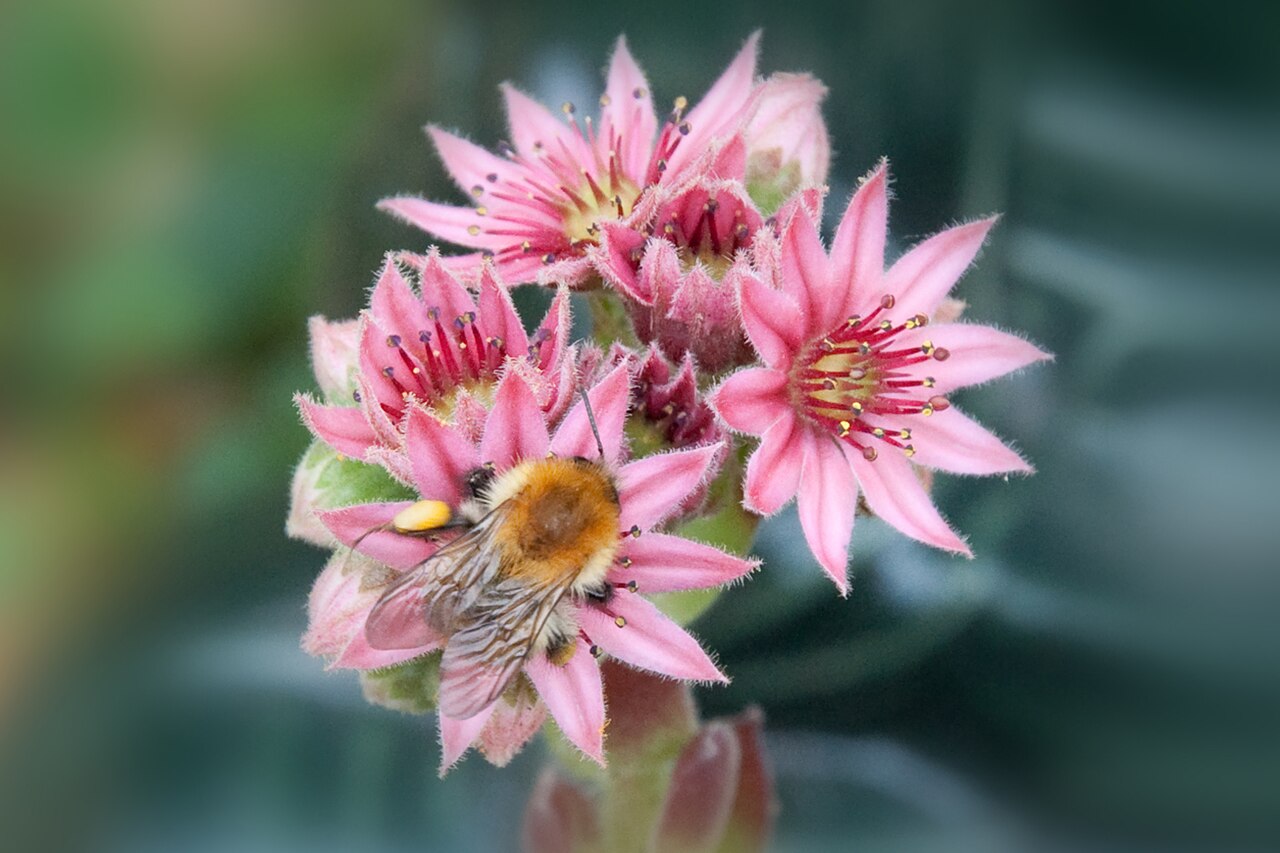
Appearance confirms it. Mining bees are fuzzy, often dark brown or black, sometimes with pale bands, and females carry visible pollen on their legs. Yellowjackets are smooth and glossy with sharp yellow and black patterning and no fuzz, and they carry no pollen. Our guide to the murder hornet covers the wider identification problem with large stinging insects.
Why Mining Bees Do Not Need Removing
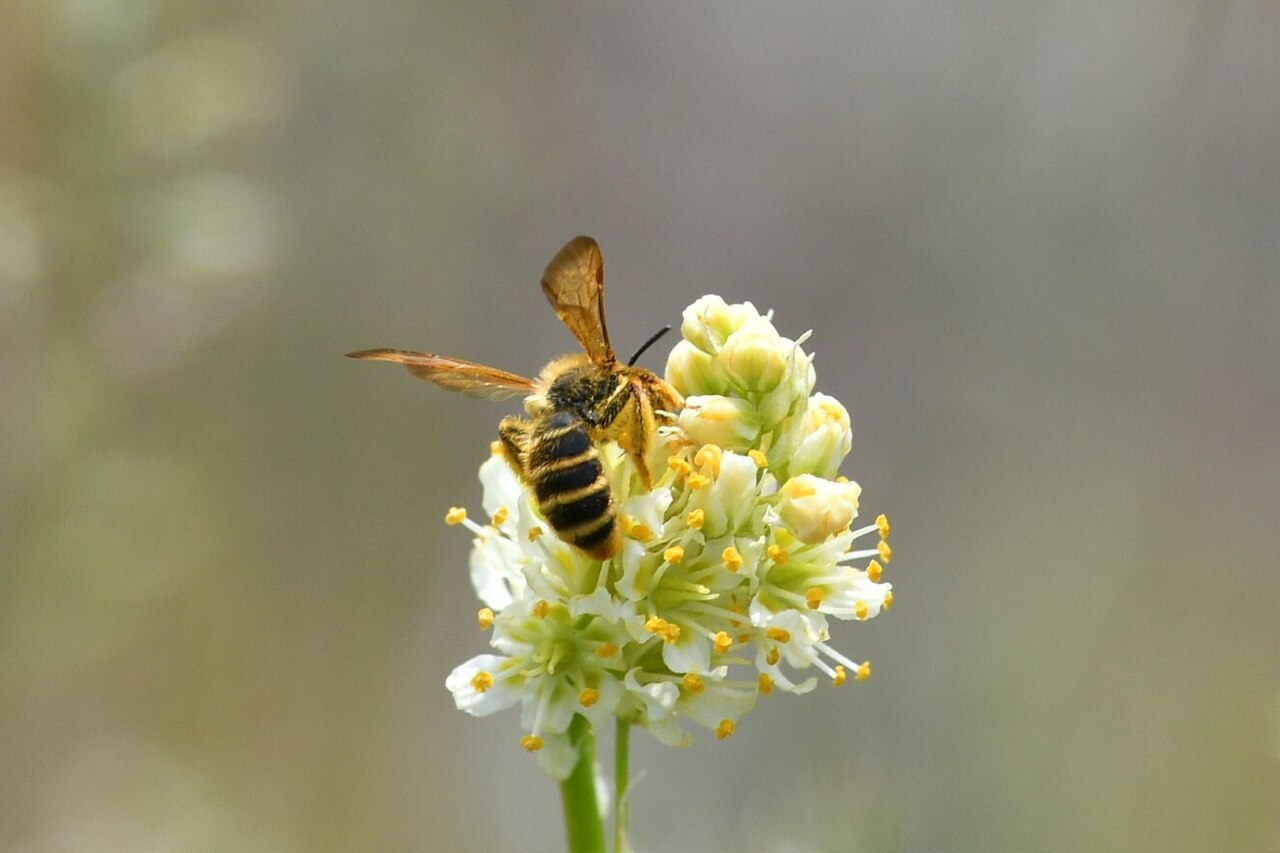
Solitary bees do not defend a nest, because there is no shared colony to protect and no worker caste to do the defending. Males have no stinger at all, and females sting only if physically grabbed, with the sting itself weak enough that most people describe it as barely noticeable.
You can mow, walk, and let children play across an area with mining bee burrows without incident, which surprises people who have watched hundreds of insects emerging from their lawn. This is the normal situation and it causes no problems.
They are also short-lived above ground. Adults emerge in spring, mate, provision burrows with pollen for about four to six weeks, and then die, leaving the next generation developing underground until the following spring. Waiting a month solves the problem permanently for that year, and no chemical is faster.
What They Are Doing Down There
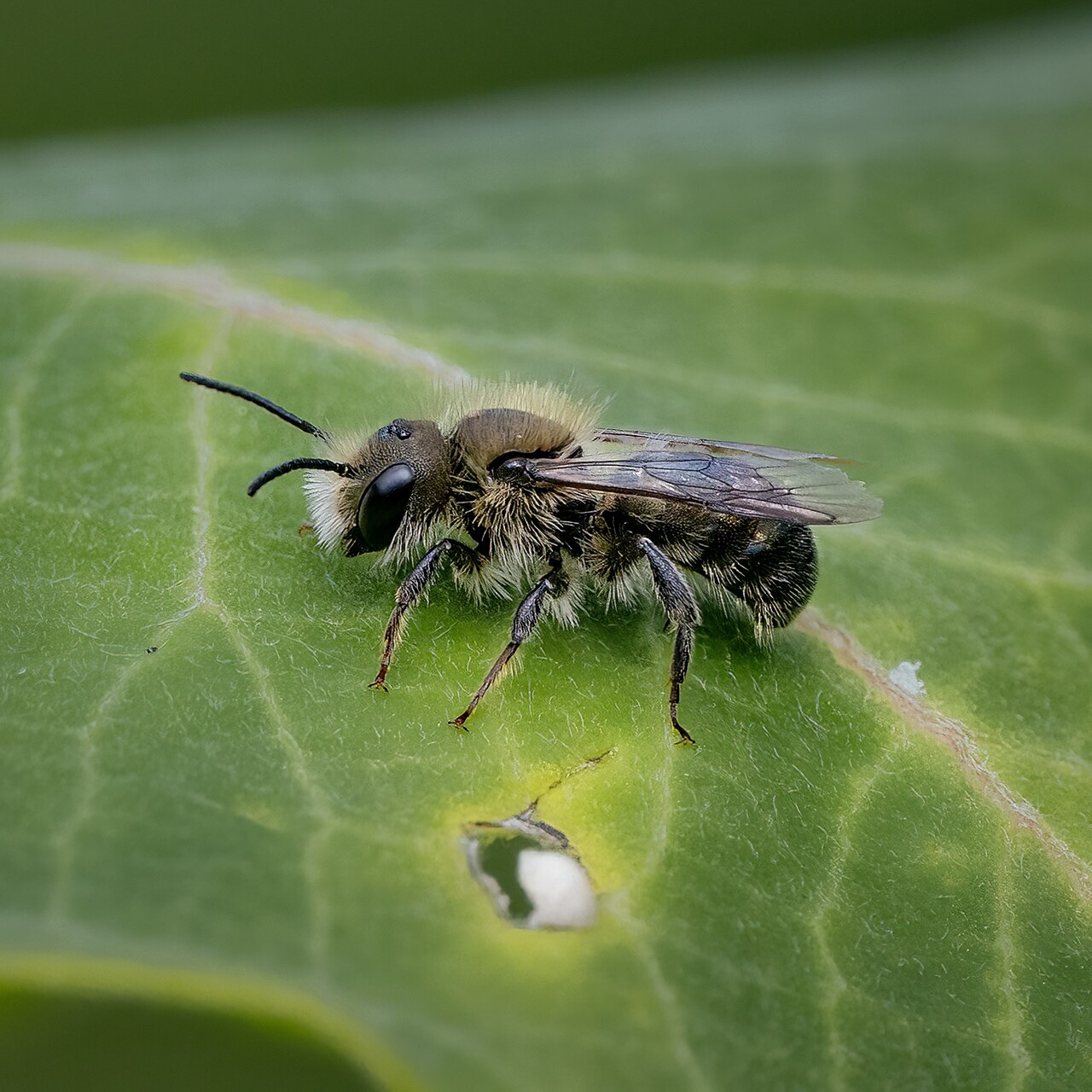
Each female digs a vertical tunnel with side chambers, stocks each chamber with a ball of pollen and nectar, lays one egg on it, and seals it. The larva eats the provision, develops through the summer, overwinters as a pupa or adult in the chamber, and emerges the following spring.
The pollen collection is the reason they matter. Mining bees are efficient pollinators of fruit trees, berries, and spring wildflowers, and several species are specialists that visit only a narrow range of plants. Some are commercially significant, and the blue orchard bee is managed deliberately for orchard pollination.
Their nesting also does no damage. The burrows are narrow, the soil mounds are small and wash away with rain or a hose, and there is no undermining of turf, paving, or foundations. A lawn with mining bees looks unusual for a few weeks in spring and is otherwise unaffected.
Why Your Lawn Attracted Them
Mining bees choose sites by soil condition, and the preferences are consistent. They favor bare or sparsely vegetated ground, well-drained sandy or loamy soil, and sunny south-facing slopes, which is why they concentrate on thin patches, path edges, and banks rather than in dense healthy turf.
That means the presence of a large aggregation is telling you something about the lawn. Thin grass, compaction, poor fertility, or heavy shade producing sparse cover all create the bare soil they need.
If you genuinely want them elsewhere next year, thickening the turf is the durable answer. Overseeding, aerating compacted soil, top-dressing, and appropriate feeding produce dense grass that mining bees will not nest in, and the effect is permanent rather than seasonal. Mulching bare beds serves the same purpose in planted areas.
If You Must Move Them
Water is the only method worth using on solitary bees and it works because they need dry soil. Watering the area thoroughly and regularly for a week or two makes the site unsuitable, and the bees relocate rather than dying.
Timing matters more than method. Doing this in early spring before burrows are provisioned achieves relocation with minimal loss, while doing it in late spring destroys a season of developing larvae with no benefit to you, since the adults are about to die anyway.
Physical covering also works for small areas. Laying landscape fabric, a tarpaulin, or mulch over the patch for a few weeks in early spring prevents nesting without killing anything, and it can be removed once the emergence period passes. Insecticide is genuinely the wrong tool here, since it kills beneficial pollinators, contaminates soil, and does nothing that water and time would not do.
Dealing With Yellowjackets
Ground-nesting yellowjackets are a different proposition and do warrant control near patios, paths, play areas, and anywhere a mower will pass. A disturbed nest can produce dozens of stings, and unlike bees they sting repeatedly.
Treat at night when the entire colony is inside and inactive, using a product labeled for wasp and hornet nests applied directly into the entrance. Wear covering clothing, use a torch with a red filter since white light attracts them, apply from a distance, and leave immediately rather than waiting to observe. Do not pour petrol or other fuels into a nest, which is dangerous, illegal in many places, and contaminates soil.
Call a professional for anything large, anything close to a doorway or high-traffic area, anything you cannot see the full extent of, and any situation where someone in the household has a sting allergy. The colony dies off naturally with the first hard frosts and only new queens survive to overwinter elsewhere, so a late-season nest in a far corner of a property can reasonably be left alone until winter ends it.
What Does Not Work
Several widely shared remedies fail on both bees and yellowjackets. Pouring boiling water into a hole rarely reaches the full nest depth, produces an angry partial survival in wasps, and scalds beneficial insects when used on bees.
Soap and water sprays kill insects on contact but do not penetrate a nest, and dish soap applied to lawn soil damages soil structure and beneficial organisms. Ultrasonic repellers have no demonstrated effect on any insect, and mothballs, dryer sheets, and cucumber peel do nothing.
Broad lawn insecticide treatment is the most damaging failed approach. It kills soil invertebrates, earthworms, and beneficial insects across the whole treated area, is a documented route of pollinator exposure, and does not reliably reach an underground wasp nest anyway. Targeted treatment of a specific yellowjacket entrance is effective, while blanket application is neither effective nor proportionate, the same conclusion our guide to getting rid of Japanese beetles reaches about lawn-wide products.
Other Ground Nesters You Might Have
Bumblebees sometimes nest underground, often in abandoned rodent burrows, and a bumblebee nest is worth protecting rather than removing. They are docile, colonies are small at a few dozen to a few hundred, and they die off in autumn leaving only new queens.
Cicada killer wasps produce alarm out of proportion to their behavior. They are large, up to 2 in, dig burrows in lawns and leave conspicuous soil mounds, and males patrol aggressively but have no stinger at all. Females can sting but essentially never do, and the species is harmless to people.
Digger wasps, sand wasps, and various solitary wasps occupy the same category: conspicuous, alarming, and functionally harmless, hunting caterpillars, flies, and beetles to provision their burrows. Every one of these is a beneficial predator or pollinator, and the only underground nester in a typical yard that genuinely warrants treatment is the yellowjacket. Our guide to crickets versus grasshoppers covers some of the prey they take.
Living With Them
The realistic position is that a spring aggregation of mining bees is a good thing happening in your lawn, not a problem to solve. They pollinate your fruit trees and garden, they cannot meaningfully sting, they damage nothing, and they are gone within weeks.
Native bee populations are declining broadly, and solitary ground nesters are among the most affected because they need exactly the bare sunny soil that tidy landscaping eliminates. A lawn that hosts them is providing habitat that has become scarce.
If you want to go further, leaving a small area of bare, sunny, well-drained soil undisturbed provides deliberate nesting habitat, and avoiding insecticides matters more than any positive measure. The same principle runs through our guides to ladybug larvae and the baby praying mantis: the beneficial invertebrates in a yard are killed far more often by well-meant intervention than by any actual threat.
Frequently Asked Questions
How do I know if I have ground bees or yellowjackets?
Count the holes and watch the traffic. Many separate holes with one insect each means solitary mining bees, which are harmless. One hole with constant heavy two-way traffic means yellowjackets. Bees are fuzzy and carry pollen, yellowjackets are smooth and glossy.
Do ground bees sting?
Essentially never. Males have no stinger, females sting only if physically grabbed, and the sting is weak. Solitary bees do not defend their burrows because there is no colony to protect, so you can mow and walk over an aggregation safely.
How long do ground bees last?
Four to six weeks. Adults emerge in spring, mate, provision their burrows, and die, leaving the next generation underground until the following spring. Waiting is faster and more effective than any treatment.
How do I get rid of ground bees without killing them?
Water the area thoroughly and regularly for a week or two, since they need dry soil and will relocate. Do this in early spring before burrows are provisioned. Covering the patch with landscape fabric or mulch for a few weeks works too.
Why do I have ground bees in my lawn?
They nest in bare or sparsely vegetated, well-drained, sunny soil, so their presence indicates thin turf, compaction, or poor fertility. Overseeding, aerating, and feeding to thicken the grass prevents nesting permanently rather than seasonally.
How do I treat a ground yellowjacket nest?
At night when the colony is inside, using a product labeled for wasp nests applied directly into the entrance, wearing covering clothing and a red-filtered torch, then leaving immediately. Call a professional for large nests, high-traffic locations, or if anyone has a sting allergy.
Does boiling water or soap work on ground nests?
Not reliably. Boiling water rarely reaches full nest depth and produces angry partial survival in wasps, while soap sprays kill on contact but do not penetrate a nest and damage soil organisms. Targeted labeled treatment at the entrance is what works on yellowjackets.