Dragonfly Symbolism: Meaning Across Cultures
Dragonflies symbolise transformation, adaptability, and seeing through illusion, and across many traditions they are read as messengers between the living and the dead. The transformation reading is the oldest and most consistent: a dragonfly spends most of its life as a drab aquatic nymph before emerging, splitting its skin, and flying, and every major interpretation traces back to that.
The symbolism is unusually positive for an insect and unusually consistent across cultures, with one significant exception in European folklore where the dragonfly picked up a set of ominous names it never deserved. This guide covers the transformation reading, culture by culture meanings, colour readings, dreams, what a visit is taken to mean, and where the darker European names came from.
Dragonfly symbolism centres on transformation, adaptability, and seeing past illusion, drawn from the insect’s shift from aquatic nymph to flying adult. Many traditions read a dragonfly as a messenger from someone who has died. Japan treats it as a symbol of victory and strength, while older European folklore gave it devil-related names it never earned.
| Context | Traditional Reading |
|---|---|
| General symbolism | Transformation, adaptability, clear sight |
| Dragonfly visits you | A message from a departed loved one |
| Crosses your path | Change already underway |
| Japan | Victory, strength, the nation itself |
| Native American traditions | Water, renewal, swiftness, illusion |
| Older European folklore | Devil’s needle, ominous names |
| Red dragonfly | Passion, courage, autumn |
What Does a Dragonfly Symbolize?
Transformation first. A dragonfly lives most of its life underwater as a nymph, in some species for several years, hunting in mud and weed with no hint of what it will become, then crawls up a stem, splits its skin, and emerges as one of the fastest and most manoeuvrable fliers alive. Every symbolic reading builds on that contrast.
Adaptability and mastery follow from the flight. Dragonflies fly forward, backward, sideways, and hover, controlling each of four wings independently, and their hunting success rate is around 95 percent, among the highest of any predator. Symbolism about precision, focus, and moving in any direction needed is a fair description of the animal.
Seeing through illusion comes from the eyes and from the iridescence. Compound eyes covering almost the entire head give close to 360-degree vision, and the wings and body shift colour with the light, which produced readings about perception, about things not being what they appear, and about looking past surfaces. The guide to a dragonfly landing on you covers the encounter itself.
Do Dragonflies Mean a Loved One Is Near?
It is one of the most commonly reported readings, and it fits the transformation symbolism directly: an animal that leaves one world for another is a natural image for a soul that has done the same. People frequently report dragonflies at funerals, at memorial gatherings, and on anniversaries, and take them as presence rather than coincidence.
The reading is widespread but not ancient in the form it takes today. Contemporary grief symbolism in North America and Europe draws on a shared vocabulary of butterflies, cardinals, robins, and dragonflies that consolidated over the last century, and the dragonfly’s place in it owes as much to the metamorphosis narrative as to any inherited tradition.
The practical side does not contradict it. Dragonflies patrol territories, are drawn to warmth and to open sunlit areas, and land on people for the same reason they land on posts, which is that a person standing still in the sun is a good perch. Both explanations can hold at once, and for most people they do.
What Does a Dragonfly Mean in Different Cultures?
Japan gives the dragonfly its highest standing anywhere. It is a symbol of victory, courage, strength, and success, associated with samurai who wore it on armour and helmets because a dragonfly never retreats and only flies forward. An old poetic name for Japan itself is Akitsushima, the dragonfly islands, and red dragonflies are a fixed image of autumn in Japanese poetry.
Several Native American traditions associate dragonflies with water, renewal, swiftness, and in some cases with illusion or change, and dragonfly motifs appear on Hopi and Zuni pottery and Navajo textiles, often connected with rain and fertility in arid regions where water is the central concern. Specific meanings vary considerably between nations and should not be flattened into one reading.
Chinese tradition reads dragonflies as summer, prosperity, and harmony. In parts of Europe the picture is different: the insect collected names like devil’s darning needle, ear cutter, horse stinger, and eye poker, based on the entirely false belief that it could sew shut the lips of liars or sting livestock. Those names persist in dialect but describe nothing the animal does.
Is There a Dark Side to Dragonfly Symbolism?
Only in that European folk tradition, and it was built on a misunderstanding of the insect’s shape rather than on any behaviour. The long segmented abdomen looks like a needle, and the association with the devil that got attached to it in Scandinavian, German, and English folklore did the rest. Dragonflies cannot sting and do not bite people in any meaningful way.
Modern readings sometimes attach a warning meaning to a dead dragonfly or to one seen indoors, interpreting it as a change resisted or a transformation stalled. These are recent constructions rather than inherited beliefs, and they are treated as gentle rather than ominous even by the sources that use them.
The consensus across traditions is positive, and there is no widely held reading in which a dragonfly is a bad omen. That is worth stating plainly, because the question is asked often enough to suggest people are worried by the folk names when they encounter them. The dragonfly tattoo meaning guide covers how the symbolism is used deliberately today.
What Do Dragonfly Colours Mean?
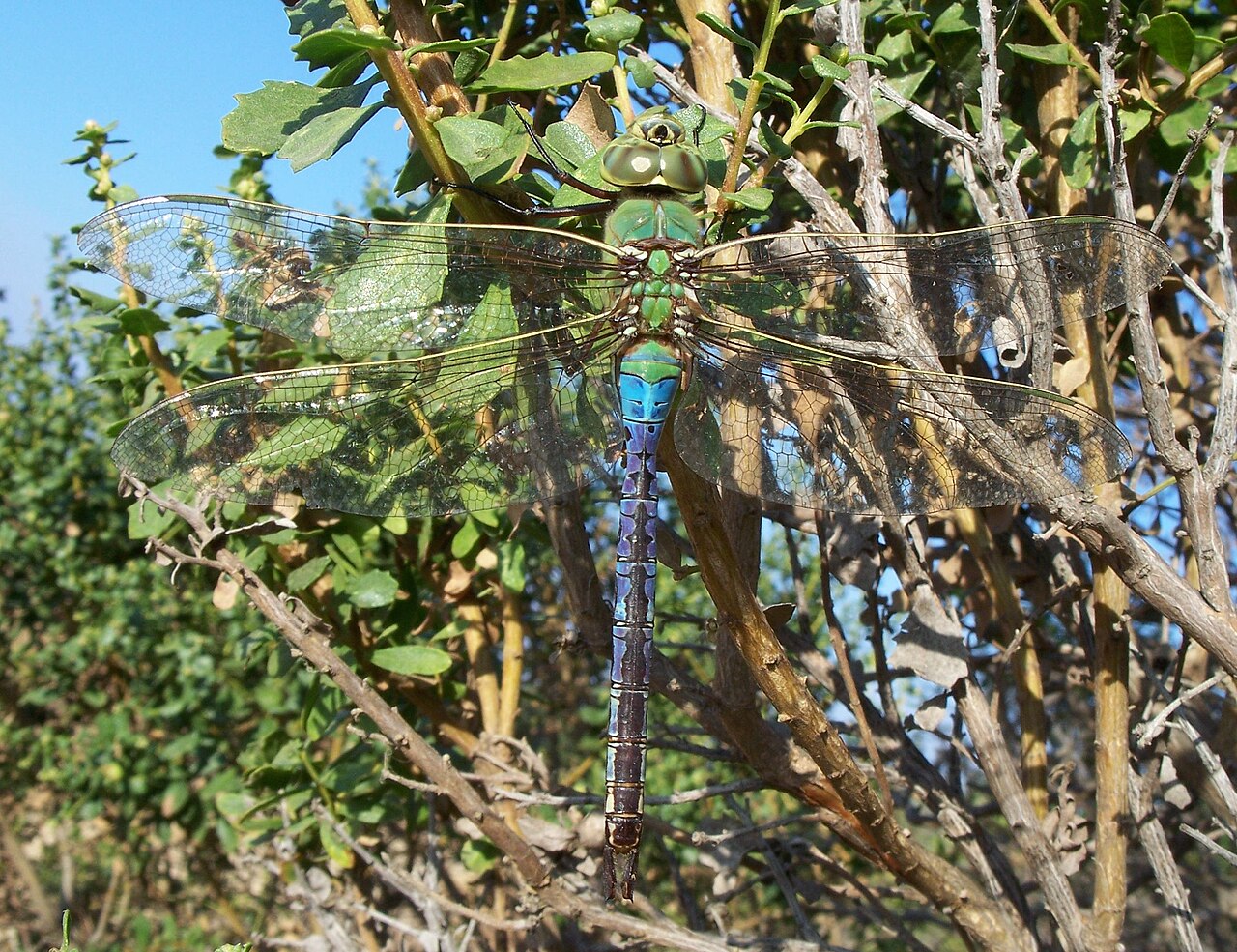
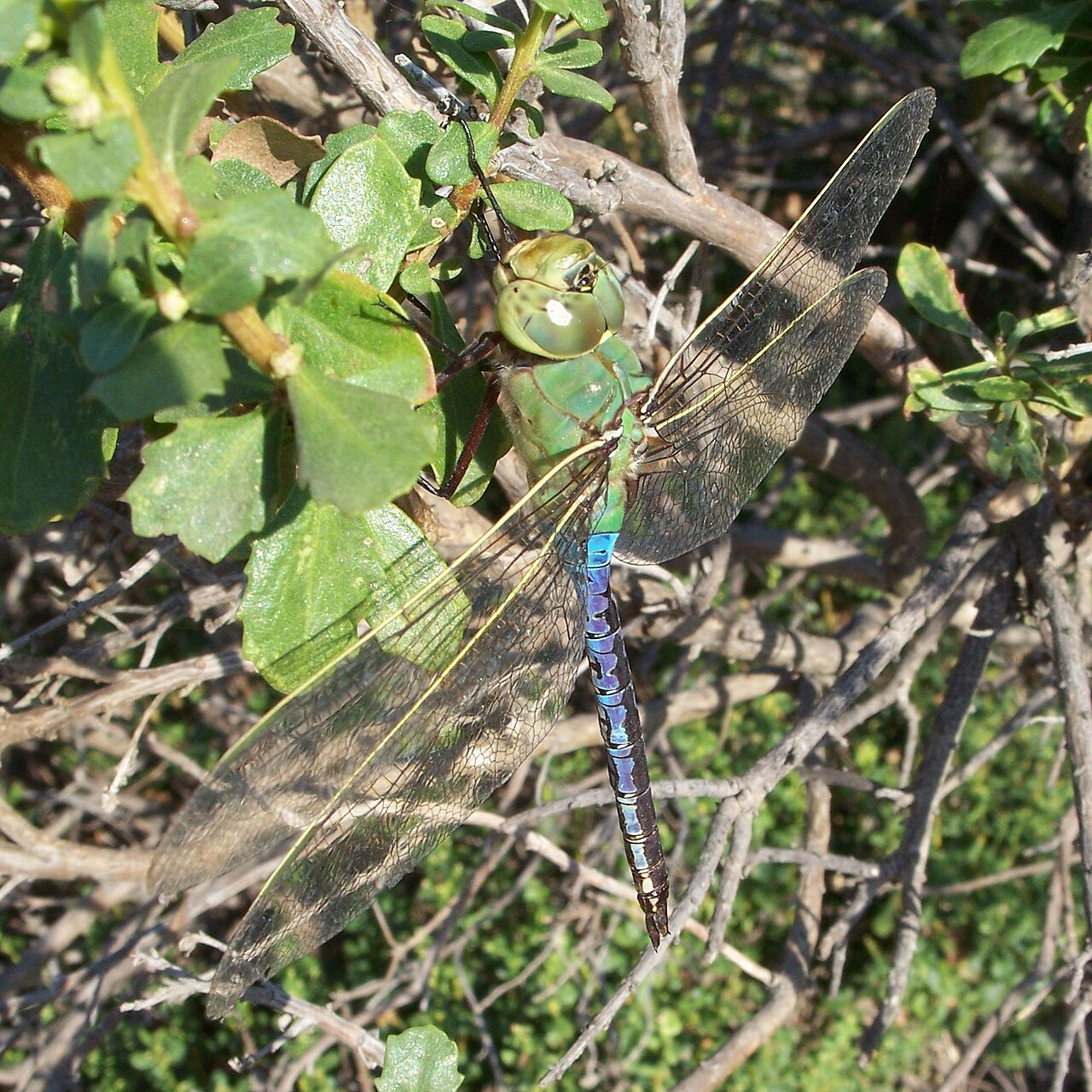
Red dragonflies are read as passion, courage, and vitality, and in Japan they carry the strongest cultural weight of any colour, tied to autumn and to the harvest. Blue dragonflies are associated with calm, clarity, communication, and depth, drawing on the same associations blue carries generally.
Green dragonflies are read as growth, healing, and renewal, and gold or yellow ones as optimism and new beginnings. Black dragonflies get readings about endings and transitions rather than about anything ominous, consistent with the generally positive treatment of the insect.
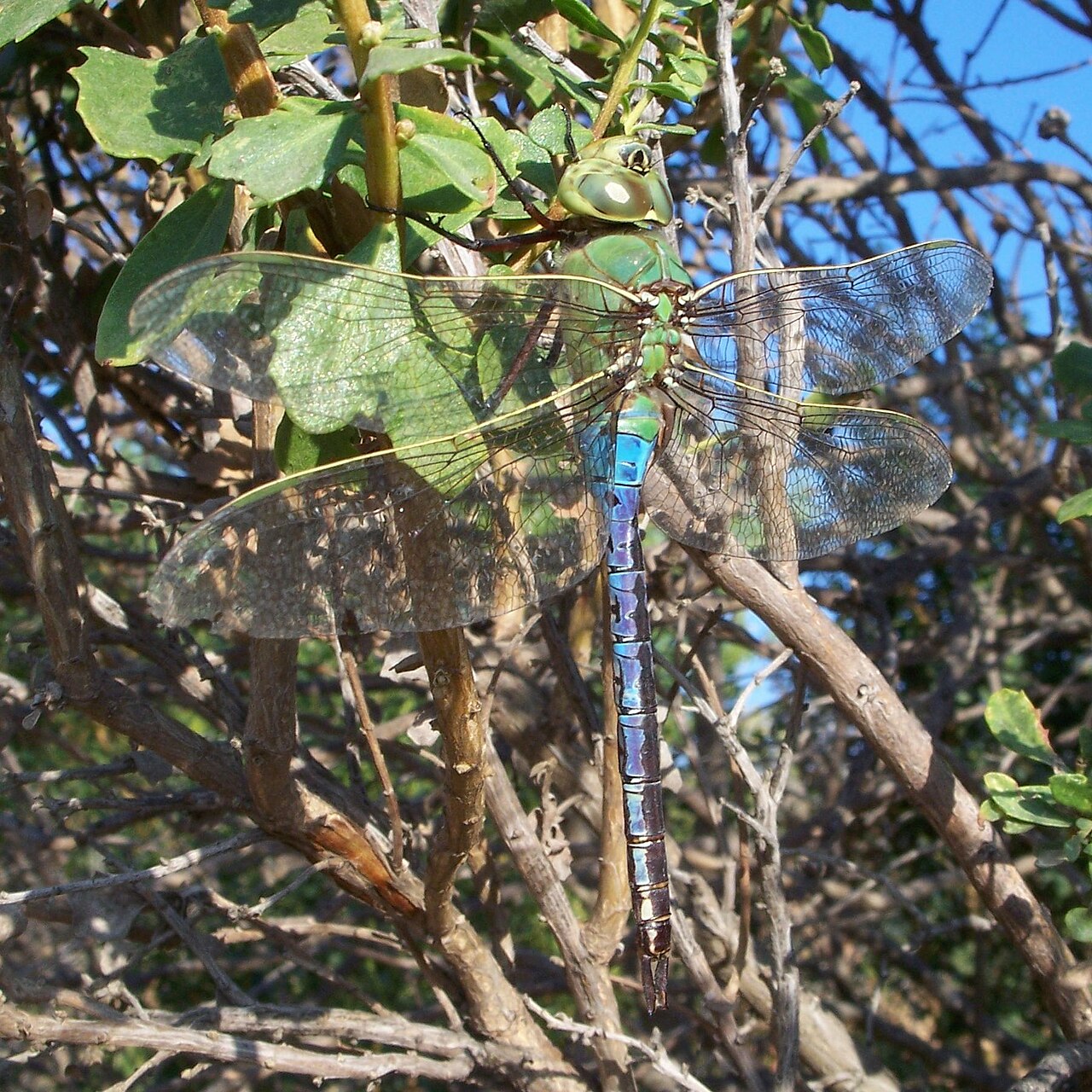
Biologically the colours are a mix of pigment and structural iridescence, and many species change colour with age and temperature. Male skimmers develop a waxy blue-grey bloom called pruinescence as they mature, so the same individual can be brown as a young adult and blue later, which means a colour-based reading is describing a life stage more often than a species.
What Does It Mean When a Dragonfly Visits You?
A dragonfly that lands on you is read as the strongest form of the message, taken as a confirmation, a presence, or an encouragement during a period of change. Landing on the hand or shoulder is treated as the most personal version, and a dragonfly following someone along a path as accompaniment.
A dragonfly crossing your path is read as change already in motion rather than change to be started, and repeated sightings over days as reinforcement of the same message. A dragonfly indoors is read as something arriving that will need adapting to, and the practical response is to guide it out, since it will not survive long inside.
Whether you should touch one is worth answering directly: dragonflies are harmless, cannot sting, and their bite is not capable of breaking skin in almost any species, but their wings are delicate and handling risks damaging them. Letting one land and leave on its own is better for the insect and, for most people, more meaningful anyway.
What Does a Dragonfly Mean in a Dream?
Dream readings mirror the waking symbolism: transformation approaching, a period of change, or a need to adapt to something already happening. It is generally treated as a positive image and as a prompt toward flexibility rather than a warning.
Conventional variations attach meanings to specifics. A dragonfly hovering is read as a decision pending, one flying away as an opportunity passing, a swarm as change arriving from several directions at once, and a dragonfly emerging from water as a transformation about to become visible.
None of this rests on evidence, and dream interpretation is a cultural practice rather than a discipline with findings. What a dragonfly dream reliably indicates is that the insect already carries transformation symbolism for the dreamer, which is why the mind reached for it. The butterfly landing symbolism guide covers the closest parallel image.
How Rare Is It to See a Dragonfly?
Not rare at all in the right habitat, which slightly undercuts readings that treat a sighting as exceptional. There are around 3,000 dragonfly species worldwide and roughly 330 in North America, and any pond, lake, slow river, or marsh produces them through the warm months.
What is uncommon is a dragonfly appearing far from water, which is what most reported sightings involve. Adults disperse widely to hunt and can turn up in gardens, car parks, and city streets miles from any pond, and some species migrate long distances. The common green darner migrates in numbers along the eastern United States in a multi-generation pattern comparable to monarchs.
The insect is also far older than the symbolism attached to it. Dragonfly-like insects appear in the fossil record from around 300 million years ago, well before dinosaurs, and Carboniferous relatives in the group Meganisoptera reached wingspans over two feet, made possible by higher atmospheric oxygen. Modern dragonflies are smaller but structurally little changed, which gives the transformation symbolism a longer backdrop than most animals can offer.
Populations are declining in many regions with the loss of wetlands, water pollution, and warming, and the IUCN has assessed a significant proportion of assessed species as threatened. That gives the symbolic reading a practical edge: a garden pond is one of the more effective things a single household can do for them. The baby dragonfly guide covers the nymph stage that depends on it, and the guide to birds that eat mosquitoes covers the other side of the same wetland food web.
Frequently Asked Questions
What does a dragonfly symbolize?
Transformation, adaptability, and seeing past illusion, all drawn from the shift from aquatic nymph to flying adult, the extraordinary flight control, and the near 360-degree compound eyes.
Do dragonflies mean a loved one is near?
It is one of the most commonly reported readings, based on the insect leaving one world for another. The interpretation is widespread in modern grief symbolism rather than ancient in its current form.
Are dragonflies good omens?
Yes, in essentially every tradition. Japan associates them with victory and courage, several Native American traditions with water and renewal, and China with prosperity and harmony.
Is there a dark side to dragonfly symbolism?
Only in older European folklore, which gave them names like devil’s darning needle based on the needle-shaped abdomen and a false belief that they could sting or sew lips shut. They do neither.
What does it mean when a dragonfly crosses your path?
Change already in motion rather than change to begin. Repeated sightings are read as reinforcement, and one landing on you is treated as the most personal form of the message.
Should you touch dragonflies?
They are harmless and cannot sting, but the wings are delicate and handling risks damage. Letting one land and leave on its own is better for the insect.
How rare is it to see a dragonfly?
Common near any pond, lake, or marsh through the warm months, with about 330 species in North America. Sightings far from water are more notable, since adults disperse widely and some species migrate.