Rat Lifespan: 2 Years as a Pet, Under 1 in the Wild
A pet rat lives 2 to 3 years. A wild rat rarely sees its first birthday. That gap, roughly a factor of three, is the single most useful thing to know about rat lifespan, and it is not a difference in biology: the same species, Rattus norvegicus, sits at both ends of it.
The numbers below separate fancy rats from sewer rats, explain what actually kills each of them, and convert rat years into human ones. Where the published figures disagree, and for wild populations they often do, the disagreement is stated rather than averaged away.
Rat lifespan averages 2 to 3 years for pet fancy rats, with 4 years exceptional and the verified record 7 years 4 months. Wild brown rats average under 1 year, and fewer than 5 percent survive past 12 months. Tumors and respiratory disease end most captive lives.
| Rat type | Average lifespan | Maximum recorded |
|---|---|---|
| Fancy rat (pet, R. norvegicus domestica) | 2 to 3 years | 7 years 4 months |
| White or albino lab rat | 2 to 3.5 years | About 4.5 years |
| Wild brown or sewer rat | 6 to 12 months | About 3 years |
| Black rat (Rattus rattus) | About 12 months | About 4 years captive |
| Giant Gambian pouched rat | 4 to 6 years | About 8 years |
| Baby rat to weaning | 21 to 28 days in the nest | Independent at 5 weeks |
How Long Do Rats Live?
For the domestic fancy rat, the honest answer is 2 to 3 years, and a well-kept rat that reaches 3 has done well. Veterinary sources cluster tightly around that figure, and breeders who track litters report the same. Four years happens and is worth noting in a pedigree. The verified record belongs to a pet rat named Rodney, who lived 7 years and 4 months in Oklahoma until 1990, a figure no line has come close to repeating.
Sex makes a small difference. Females often edge out males by a few months, though they carry a much higher tumor burden, so the advantage is not consistent across every study. Compared with other small pets, a rat is short lived: it trails a crested gecko by a decade or more, and it sits far below the squirrel, raccoon and deer figures for wild mammals of comparable or larger size. Only bird lifespans break the pattern in the other direction.
Wild Rat Lifespan: Why Most Never Reach One Year

Wild brown rats die young and they die violently. Urban population studies put median survival between 6 and 12 months, with fewer than 5 percent of animals alive at the end of a second year. Nothing about the animal wears out at that age. What kills it is predation, rodenticide, vehicles, territorial fighting, cold and starvation during a hard winter.
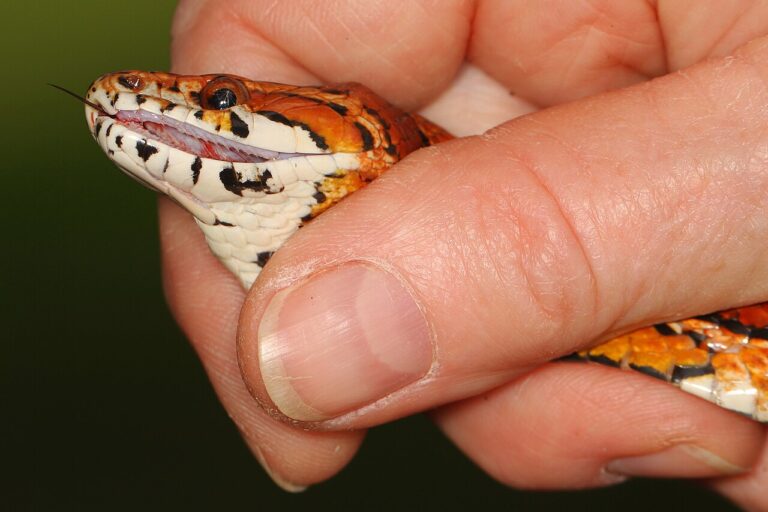
A rat’s biggest enemy depends on the habitat. In cities it is people and the poison they put out; in farmland and hedgerow it is owls, foxes, cats, weasels and snakes, including the rat snake that took its name from the habit. The species compensates with speed of reproduction rather than longevity: a female can breed at 5 weeks and produce more than 40 young a year, which is why a population absorbs heavy losses without shrinking. For context on urban rodent pressure and disease risk, the Centers for Disease Control and Prevention maintains guidance for homeowners.
Fancy Rat and White Rat Lifespan in Captivity

Fancy rat lifespan and white rat lifespan are the same question with different fur. Both are Rattus norvegicus domestica, selectively bred for around 200 years, and both average 2 to 3 years. Laboratory strains kept on controlled diets sometimes reach 3.5 years, partly because calorie restriction reliably extends rodent life and partly because they never meet a predator or a draft.
Husbandry moves the number more than genetics does. Rats kept in pairs or trios, in tall wire cages with aspen or paper bedding rather than cedar, on a low-fat lab block diet with limited seed mix, live measurably longer than rats in small plastic tanks. Two things shorten life fastest: ammonia from bedding that is not changed, and obesity.
What Actually Kills Pet Rats
Two causes account for most deaths. The first is tumors: mammary fibroadenomas in females, which are usually benign but grow to the point of immobility, and pituitary tumors in both sexes. By 18 months a substantial share of unspayed females has at least one lump, and spaying before 6 months cuts that risk sharply.
The second is chronic respiratory disease, driven by Mycoplasma pulmonis, a bacterium carried by nearly every pet rat in the trade. It flares under stress, dust and poor ventilation, and it scars lung tissue permanently, so the raspy breathing that starts at 18 months rarely reverses. Good bedding, low dust and prompt antibiotic treatment buy months. The relative silence of a healthy rat matters here: audible breathing at rest is a veterinary matter, not a quirk.
How Old Is a 3 Year Old Rat in Human Years?
Roughly 90. The common conversion treats one rat year as about 30 human years, derived from a 2.5 year rat lifespan against a 78 year human one, so a 3 year old rat is an animal at the far end of old age. The mapping is uneven, though: a rat is sexually mature at 6 weeks, which corresponds to adolescence, so the first months compress dozens of human years and the last year stretches out.
A practical timeline is better than arithmetic. Weaning at 4 weeks, adult at 4 months, middle aged at 12 to 15 months, visibly old at 24 months. Cognitively rats sit far above their reputation, solving mazes and social puzzles at a level often compared with dogs, and that intelligence persists into old age even as the body fails.
What Are Signs of a Rat Nearing Its End?
The pattern is consistent and recognizable a few weeks out. Weight drops while the spine and hips become prominent, the coat turns unkempt and spiky because the animal stops grooming, and red-brown porphyrin staining appears around the eyes and nose. Hind leg weakness sets in, the classic age-related degeneration, and a rat that used to climb starts sleeping on the cage floor.
Then come the harder signs: laboring or open-mouthed breathing, a hunched posture, refusal of favorite food, and a change in droppings to small, dry or absent. Any two of those together warrant a vet visit the same week. Rats hide illness well, so a rat that looks mildly off is often significantly unwell.
Frequently Asked Questions
How long can a rat live without food?
About 2 to 4 days without food, and only 2 to 3 days without water. Rats have fast metabolisms and no meaningful fat reserves, which is why they feed every few hours and why a trapped rat dies quickly. This is also why baiting programs work faster on rats than on larger mammals.
Are pet rats friendly, and do rats like to cuddle with their owners?
Yes to both, more than almost any rodent. Hand-raised rats seek out their keeper, sit under a shirt collar for warmth and learn their names. They groom human skin as they would a cage mate. A rat kept alone bonds harder but does worse overall, so keep at least two.
Are boy or girl rats friendlier?
Males are calmer, lazier and more inclined to sit still on a lap; females are busier, faster and more curious, and they rarely settle for long. Neither is friendlier in temperament, they differ in energy. Males scent mark more, and unspayed females carry the higher tumor risk.
How many rats if you see one?
Assume a colony rather than an individual. A single daytime sighting usually means several dozen animals nearby, because rats are nocturnal and social, and daylight activity signals crowding. Treat one sighting as evidence of an established population and look for droppings, gnaw marks and runways along walls.
Why do rats scream at night?
Audible squealing is a fight or a fear response, most often two males disputing territory or a rat caught by a predator. Ordinary rat conversation happens at 20 to 50 kHz, far above human hearing, so anything you can hear is significant. In a cage, repeated night screaming means the group needs separating.