Rat Sounds: What Scratching and Squeaking in Walls Means
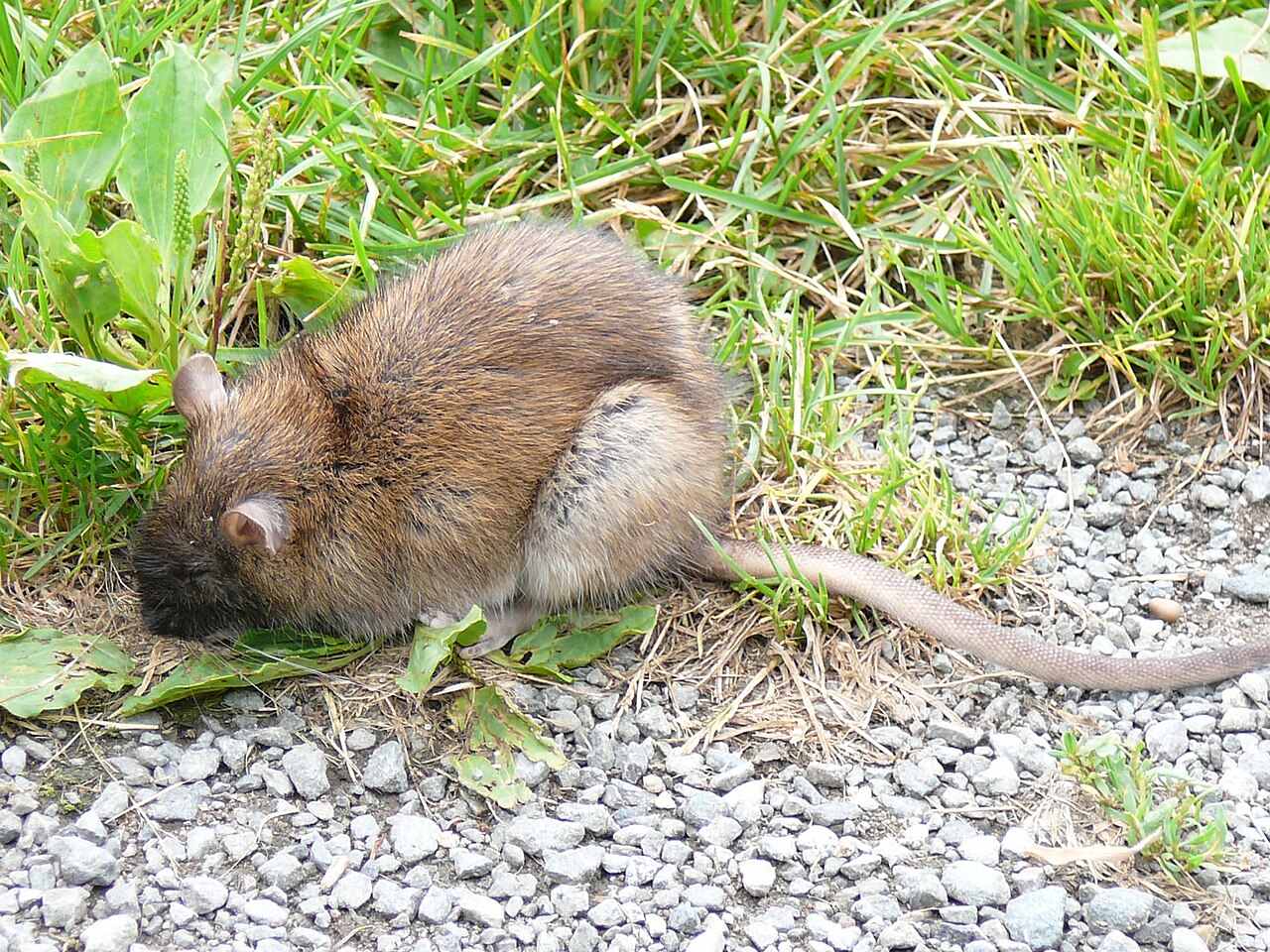
Rat sounds in walls follow a recognizable pattern: fast scratching and scurrying that starts within an hour of the house going quiet, steady gnawing that sounds like slow sandpaper strokes, and the occasional thump of a body dropping between studs. The rats themselves are mostly silent to human ears, because the bulk of rat vocal communication happens in ultrasound, well above what people can hear. What you hear at 11 p.m. is not rats talking; it is rats commuting, chewing, and moving furniture.
This guide breaks down every rat sound worth knowing: what wall noises mean and how to map them, the squeaks, hisses, and shrieks rats do make audibly, how to tell rats from mice, squirrels, and raccoons by ear alone, what the sounds of an angry or dying rat mean, the happy noises pet rats make, and the honest answer on whether ultrasonic repellents do anything. By the end, one night of listening will tell you what is in the wall and what to do about it.
| Scratching and scurrying | Rats traveling wall voids and ceilings, mostly at night |
| Gnawing | Slow, rhythmic grinding on wood, plastic, or wiring |
| Audible squeaks | Distress, disputes, or pain; calm rats squeak little |
| Hiss and shriek | Threat and fear, usually during fights or capture |
| Ultrasonic calls | Most rat “talk” is above human hearing |
| Peak hours | Dusk to dawn, busiest in the first hours of darkness |
What Rat Sounds in Walls Actually Sound Like
The classic rat-in-the-wall soundtrack has three layers. First is movement: quick, purposeful scurrying with tiny claw ticks, heavier and more deliberate than the frantic whisper of a mouse. Rats weigh up to a pound, so their footfalls in a ceiling void produce audible pats and occasional thumps, and people often describe it as “something jogging” overhead. Runs repeat along the same routes nightly, because rats are creatures of fixed pathways between nest and food.
Second is gnawing, the most diagnostic rat sound in a structure. Rats must grind their ever-growing incisors, and they chew wood, plastic pipes, and unfortunately wiring, producing a slow, rhythmic scraping like coarse sandpaper or a dog working a bone, typically in sessions of a few minutes from one fixed spot. Third is the miscellaneous percussion: rolling sounds as rats cache and move objects (dog kibble, nuts, even golf balls), squabbling scuffles, and the soft crash of insulation shifting.
Location and timing complete the picture. Norway rats favor lower walls, crawl spaces, and basements, so their noise concentrates low in the structure; roof rats live up to their name in attics and ceiling voids, common in the South and on the coasts. Both species run the same nightly schedule, and both leave physical confirmation on their routes. Before assuming, verify: fresh droppings along walls are the fastest proof, and our rat poop guide shows exactly what to look for and how to tell it from a mouse’s.
Rat Vocalizations: Squeaks, Hisses, and a Language You Cannot Hear
Here is the counterintuitive core of rat acoustics: healthy, relaxed rats are nearly silent in the human hearing range. The great majority of rat communication happens in ultrasonic vocalizations between roughly 20 and 80 kHz, far above our ceiling. Researchers have cataloged two big families: calls around 22 kHz that function as alarm and distress signals, and short calls around 50 kHz associated with positive states, play, and social contact, the famous “rat laughter” recorded when rats are tickled by researchers.
What crosses into human hearing is the emergency channel. Audible squeaks mean protest or distress: a rat stepped on by a cage mate, losing a food dispute, or handled unwillingly. The hiss is a warning of genuine anger, usually delivered puffed-up in a standoff. Above that sits the shriek, a sharp scream of pain or terror during fights or predator capture. A structure rat you can actually hear squealing is almost always a rat in a fight or a trap, not one going about its business.
There are two quieter audible sounds worth knowing. Chattering or clicking teeth in a wild rat signals agitation, the step before a hiss. And a wet, clicking, congested breathing sound from a rat is not communication at all but respiratory illness, extremely common in rats and one of the main sounds pet owners are taught to take to a vet. The practical upshot for homeowners: diagnose rats by their mechanical noise, movement and gnawing, not by voices. The voices mostly are not for you.
Rat Sounds at Night: Why the Racket Starts After Dark
Rats are nocturnal by hard wiring, with activity peaking in the first few hours after dusk and a second burst before dawn. Their internal clock aligns foraging with the hours their predators see worst and their food competitors sleep. In a house, that means the wall soundtrack switches on reliably between full dark and midnight, exactly when the family goes quiet enough to hear it, which is why rat noise feels like it is timed to torment you. It is; the timing is just aimed at owls, not people.
The nightly pattern has structure. Early evening brings commuting: runs from nest sites to food sources, the busiest and loudest phase. Deep night settles into feeding, caching, and gnawing sessions from fixed spots. Any sudden loud human noise, a slammed door, a wall thump, produces instant silence for a few minutes, a diagnostic trick worth using: bang the wall, note the freeze, and time the resume. Rats typically wait one to five minutes; a raccoon barely pauses, and insects never stop at all.
Daytime rat sounds mean something specific: pressure. Rats shift activity into daylight when the colony is large enough that subordinates get squeezed out of the safe night shift, or when food access is only available by day. Regular daytime scratching therefore suggests an established population, not a lone scout, and moves the situation up the urgency list. According to the Centers for Disease Control and Prevention (cdc.gov), sealing entry points and removing food and water sources are the foundation of rodent control, and the earlier that starts, the smaller the colony it starts against.
Rat vs Mouse vs Squirrel: Diagnosing Wall Noises by Ear
Weight is the first filter. Mouse sounds are faint, papery, and fast, a light skittering like fingertips drumming, usually in short bursts, and mice squeak audibly far more than rats. Rat movement is distinctly heavier, slower-cadenced, with real footfall pats and stronger gnawing that you can sometimes feel in the drywall. If the noise makes you check whether a cat got into the ceiling, you have left mouse territory. Droppings settle any remaining doubt, and the size difference in our mouse poop guide is unmistakable.
The clock separates rodents from squirrels better than any other clue. Rats and mice run dusk to dawn; gray squirrels are strictly daytime animals whose attic noise concentrates in the first hours after sunrise and again before dusk, with rolling, bounding runs and the distinctive sound of nuts being rolled and dropped. Loud scampering at 7 a.m. that goes silent all night is a squirrel signature, and the vocal side, barks and chatter, is covered in our squirrel sounds guide. Their small cousins prefer daylight too, and chipmunk sounds almost never come from inside walls at all.
Above squirrel weight, think raccoon: slow, heavy walking, dragging, thumps that shake the fixture, and actual vocalizations, chittering, growls, and cries, especially a mother with kits in spring. Raccoon sounds in an attic are unmistakably animal and unmistakably large. Below everything in volume sit bats, whose high chittering and rustling cluster at dusk exits, and insects, whose faint, continuous ticking or rasping never varies with your wall-banging. Match weight, clock, and voice, and one night of attentive listening usually names your tenant.
Angry, Scared, and Dying: The Emergency Sounds
An angry rat escalates through a fixed sequence: tooth chattering, then a puffed, sideways posture with hissing, then a shriek-punctuated lunge. Homeowners mostly hear this ladder during rat-on-rat disputes in walls, brief flurries of scuffling, squealing, and thumps that end as quickly as they start. Colony fights over food and hierarchy are routine and get louder as populations grow, so frequent audible squabbling is another census clue: crowded walls are noisy walls.
Fear has its own sound. A cornered or trapped rat alternates piercing shrieks with hissing and frantic scrabbling, a combination impossible to mistake for anything casual. This is the sound most people actually hear from snap traps that catch imperfectly or glue boards, and it is genuinely distressing, one of several reasons professionals favor well-placed, correctly sized snap traps that kill instantly, and why glue boards are banned in several countries and discouraged by humane organizations everywhere.
“Do rats squeak when dying” is a common search with an uncomfortable answer: sometimes, yes. A cleanly struck rat makes no sound at all, but poisoned rats dying over days inside walls may produce weak intermittent squeaks and scratching before going silent, followed by weeks of odor exactly where you cannot reach. That acoustic-then-olfactory sequence is the standard argument against loose rodenticide use inside occupied structures: the sound of poison working is a rat dying somewhere permanent, and trapping along active runs avoids the entire chapter.
Bruxing and Boggling: The Happy Rat Repertoire
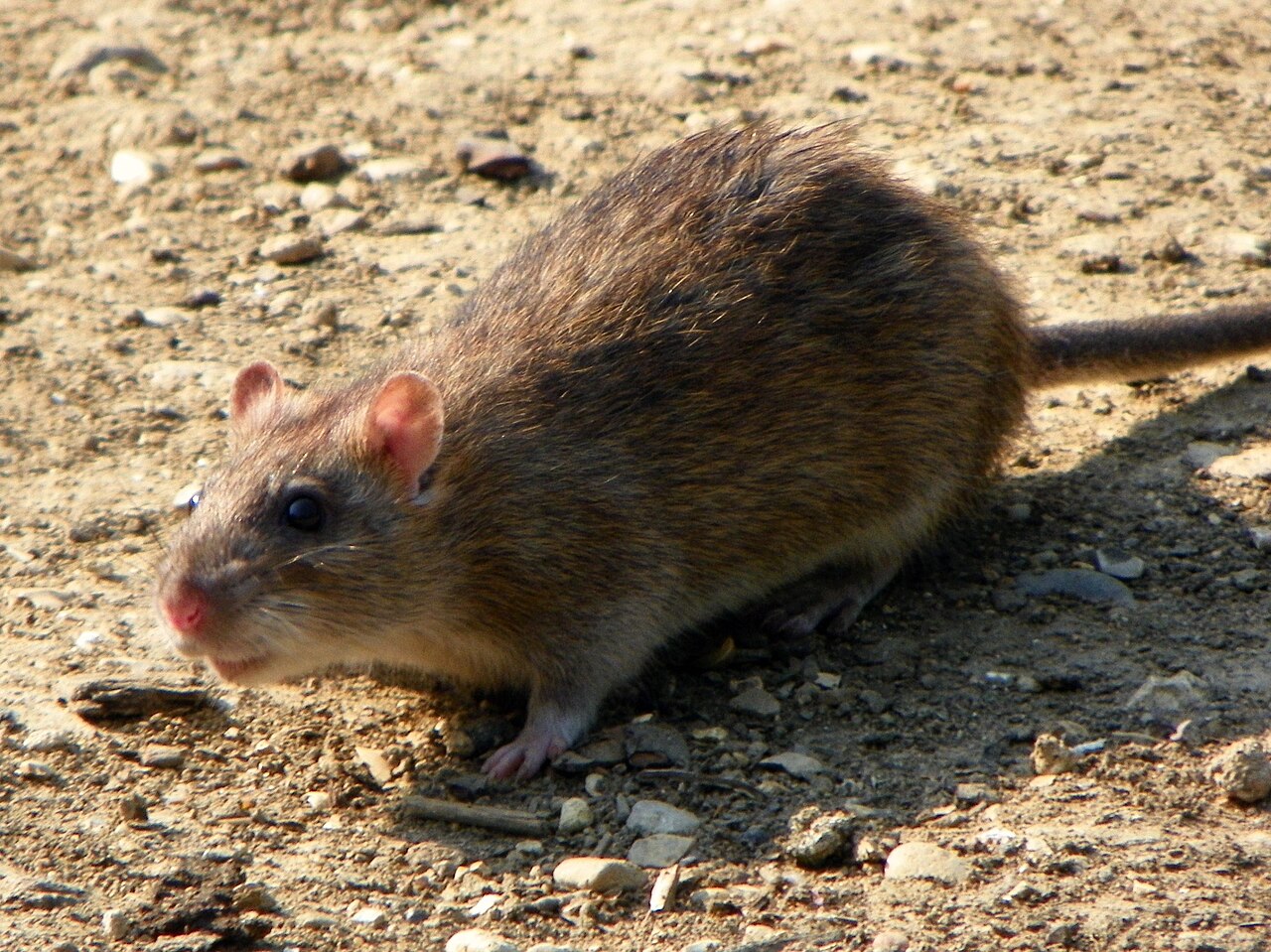
Pet rat owners search for the opposite sounds, and the happy list is charming. The signature is bruxing: a soft, rhythmic grinding of the incisors that relaxed, contented rats produce during petting or rest, functionally the rat version of a cat’s purr. Intense bruxing drives a stranger behavior called boggling, where the eyes vibrate and pop slightly in their sockets, driven by the jaw muscle passing behind the eye. A bruxing, boggling rat on your shoulder is a rat at maximum comfort.
Beyond bruxing, content rats emit those 50 kHz ultrasonic chirps during play, wrestling, and anticipation of treats, inaudible directly but detectable with a bat detector, a party trick some owners actually use. Audibly, happy pet rats produce soft, short peeps and squeaks of excitement at mealtime, quiet grumbles when settling, and the gentle chattering of a rat grooming its person’s hair. What owners should not hear is repeated loud squeaking during normal handling, which signals pain or fear, or any clicking, wheezing breath, which means a vet visit.
The pet-side knowledge pays off for homeowners too, because it calibrates expectations: rats are not naturally noisy animals in the human range. A wall population makes mechanical noise, not conversation. So if the sound in the wall is genuinely vocal, sustained chittering, crying, growling, whining, the odds shift hard toward raccoon, and squirrels or a trapped bird enter the running by day. The quieter the voice and the busier the feet, the more rat-like the profile.
Do Ultrasonic Rat Repellents Work?
The plug-in ultrasonic repellent is the most-searched rat sound product, and the evidence is not kind to it. The theory sounds right, rats live in an ultrasonic world, so a harsh ultrasonic noise should be intolerable. In practice, controlled studies and regulator reviews have repeatedly found no meaningful lasting effect: rats show brief avoidance for a few days, then habituate completely and will feed, travel, and even nest within sight of an operating unit. The Federal Trade Commission has formally warned marketers about unsupported effectiveness claims for these devices.
The physics explains the failure. Ultrasound is directional and weak, blocked by any solid object; a wall void, the exact place your rats live, is acoustically shadowed from a device plugged into the room. And rats are the most adaptable mammals on Earth, habituating to any stimulus that never carries real consequences: a noise that is annoying but harmless becomes background within a week, the same way rats living under train platforms ignore trains. Sound without consequence is just weather to a rat.
What to Do About Rat Sounds in Your Walls
Turn one noisy night into a map. Note where sounds start, the paths they travel, and where gnawing concentrates, then confirm on foot: droppings, rub marks (greasy smears along baseboards and beams), gnawed edges, and pet food mysteriously vanishing. Dust a little flour along suspected runs and read the footprints in the morning. Within two evenings you will know the species, the routes, and the likely entry side of the house, which is the entire targeting package.
Then work the proven sequence: eliminate food and water (sealed containers, no pet food overnight, fixed drips), seal every exterior opening of a half inch or more with steel wool plus caulk or hardware cloth, and trap along the confirmed runs with snap traps baited and left unset for two nights first so the rats trust them. Expect the wall noise to spike briefly as sealed rats work the remaining routes, then drop to silence over one to three weeks. Persistent noise after that means a missed entry point, and a professional’s smoke or camera inspection earns its fee.
One warning deserves its own paragraph: never seal the last hole while sounds continue. Rats closed inside a wall will chew new exits with impressive motivation, sometimes into the living space, and any that fail leave you the dead-rat-in-wall experience. Sequence matters: food gone first, traps working, activity fading, and the final seal only after several consecutive silent nights. Do it in that order and the scratching that started this article ends the boring way, permanently and without drama.
Frequently Asked Questions
What does a rat in the wall sound like?
Purposeful scurrying with audible footfalls, rhythmic sandpaper-like gnawing from fixed spots, and occasional thumps, almost entirely between dusk and dawn. Rats sound noticeably heavier and slower-cadenced than the faint fast skitter of mice.
Do rats squeak when they are dying?
A cleanly trapped rat dies silently, but poisoned rats may produce weak, intermittent squeaks and scratching over hours or days inside walls. That grim soundtrack, followed by odor, is a main argument for trapping over loose poison indoors.
Why would a rat scream?
Shrieks signal pain or terror: fights with other rats, predator capture, or a bad trap. Day-to-day rat communication is ultrasonic and inaudible, so a screaming rat is always a rat in an emergency.
Do rats make noise during the day?
Mostly no; daytime scratching from walls suggests either a large colony pushing subordinates into day shifts or a different animal entirely. Squirrels own the morning attic racket, and raccoons produce heavy thumps with actual vocal cries.
How can I tell rats from mice by sound?
Weight and voice. Mice produce faint, rapid, papery skittering and frequent audible squeaks; rats produce heavier footfalls, stronger and longer gnawing sessions, and are nearly silent vocally. Droppings confirm it instantly.
Do ultrasonic rat repellents really work?
Controlled studies consistently show only brief avoidance followed by complete habituation, and ultrasound cannot penetrate walls where rats actually live. Regulators have warned sellers about effectiveness claims. Sealing and trapping remain the fixes that work.
Do rats hiss like cats?
Yes. A threatened rat chatters its teeth, then hisses in a puffed-up posture, and finally shrieks if a fight starts. Hearing hisses in a wall usually means crowded rats disputing territory, a sign of an established colony.