How to Get Rid of Groundhogs: 7 Steps That Actually Work
The fastest reliable way to get rid of groundhogs is to make the burrow uncomfortable and the yard unrewarding at the same time: harass the den with used cat litter or a vibrating stake, cut off the food with a proper fence, then close the tunnel once the animal has moved out. Repellents alone almost never work, and poisons are both illegal in most states and dangerous to pets.
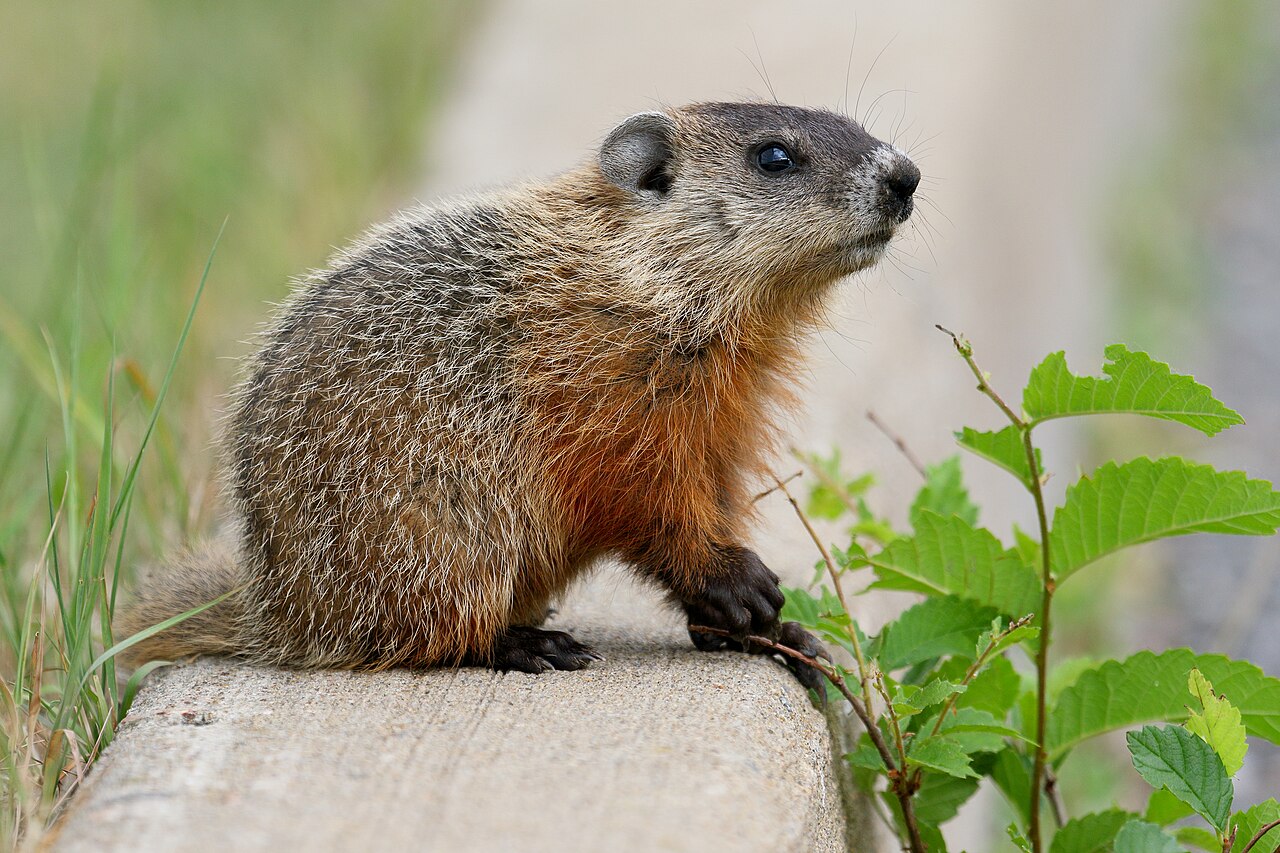
A groundhog (Marmota monax), also called a woodchuck, digs a burrow system of 25 to 30 ft (8 to 9 m) with several entrances and can strip a vegetable bed in a week. This guide covers what actually moves them out, what to do about a den under a shed, and which home remedies are myths worth skipping.
To get rid of groundhogs, locate every burrow entrance, harass the main den with used cat litter or a vibration stake for three to five days, remove food and cover, and install a fence buried 12 in deep with a floppy top. Once activity stops, fill the tunnel with gravel and soil. Never use antifreeze or gas cartridges.
| Method | How fast it works | Holds long term |
|---|---|---|
| Burrow harassment (litter, vibration) | 3 to 7 days | Only with fencing |
| Buried fence with floppy top | Immediate | Yes |
| Live trapping | 1 to 14 days | No, new animals move in |
| Scent repellents | Days, if at all | No |
| Epsom salt or human hair | No measurable effect | No |
| Removing brush and woodpiles | Weeks | Yes |
| Poison or antifreeze | Illegal in most states | Never use |
What Gets Rid of Groundhogs Fast?
Burrow harassment is the fastest legal method, and it usually takes three to seven days. Groundhogs are strongly attached to a main den but they abandon it when it stops feeling safe, so the goal is to make the tunnel smell and feel like a predator lives nearby.
The reliable combination is used cat litter dumped just inside the main entrance, a stake-mounted vibration or sonic device pushed into the soil within 3 ft of the hole, and daily disturbance of the entrance mound with a rake. Any one of these alone is weak; all three together move most animals out within a week.
Timing matters more than product choice. Work in mid to late summer, after the young have left the den and before hibernation begins in October. Evicting a mother in May strands a litter of baby groundhogs underground, which is both inhumane and a guarantee that you will be digging out a dead animal later.
Step One: Find Every Burrow Entrance
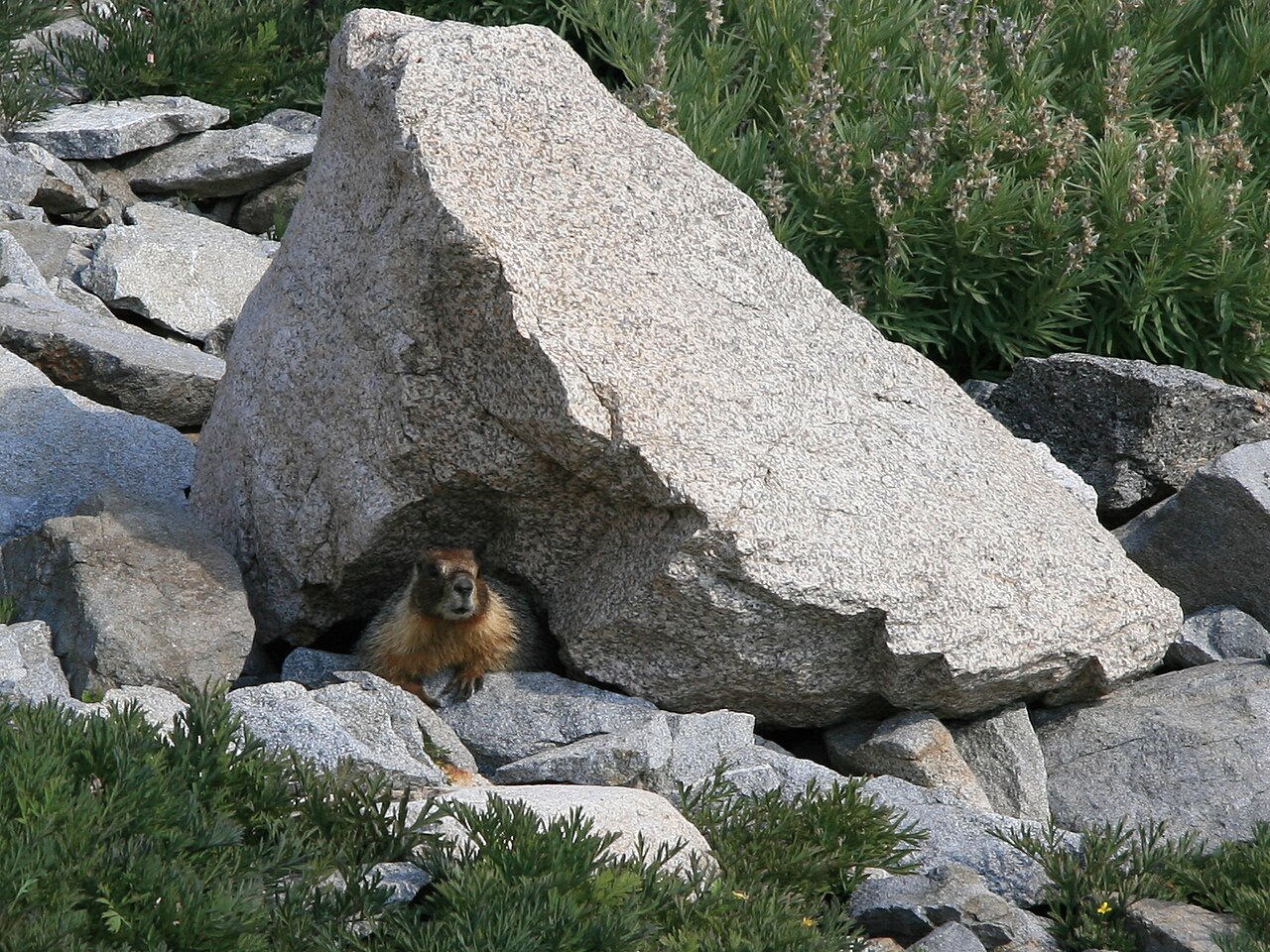
A groundhog burrow has one main entrance with a conspicuous mound of excavated soil and two to five hidden spare exits with no mound at all. Treating only the obvious hole is the single most common reason an eviction fails, because the animal simply uses a back door.
Walk the property line, fence rows, and the edges of sheds, decks and stone walls. Spare entrances are 10 to 12 in (25 to 30 cm) across, often tucked under vegetation, and usually sit within 30 ft of the main mound. Mark each one with a flag.
Check whether the den is even occupied before you start. Loosely stuff each entrance with crumpled newspaper and look the next morning: pushed-out paper means an active tunnel. Fresh diggings and scat near the mound help too, and our guide to groundhog droppings shows what to look for.
What Do Groundhogs Absolutely Hate?

Groundhogs hate exposure above everything else. They are prey animals that feed within a short dash of a burrow entrance, so open ground with no cover is far more effective at keeping them out than any spray. Mowing tall grass, clearing brush piles and removing woodpiles along fence lines takes the yard off their list.
They also react strongly to predator cues. Used cat litter, dog hair and coyote urine granules trigger real avoidance at the burrow mouth, though the effect fades within days once nothing bad happens.
Disturbance is the third lever. Groundhogs abandon dens that are raked open every morning, walked over by a dog, or vibrated by a stake device. If you keep poultry or pets that patrol the yard, the pressure is continuous, which is why an active homestead rarely has a resident woodchuck.
Next question: Do Groundhogs Hibernate? 4 Months at 40 Degrees
What Scent Gets Rid of Groundhogs?
Castor oil, garlic, cayenne pepper and ammonia are the scents with the most consistent anecdotal support, and castor oil is the one with a mechanism behind it: it coats the burrow and tastes foul, so the animal grooms it off and associates the den with the experience. Commercial granular repellents are almost all castor oil based.
Apply scent repellents into and around the entrances, not over the lawn, and reapply after every rain. Expect a few days of effect at best. No repellent will hold a groundhog off a ripe vegetable bed on its own.
Ammonia-soaked rags pushed into the tunnel work as harassment rather than as a true repellent, and they should never be combined with bleach. Treat every scent method as the opening move of an eviction, not as the solution.
Fencing That Actually Holds
A groundhog fence has to defeat two skills at once: digging and climbing. Use welded wire or hardware cloth of 3 ft (0.9 m) height, bury the bottom 12 in (30 cm) with the last 6 in bent outward into an L, and leave the top 12 in unattached to posts so it flops backward under the animal’s weight.
Mesh size should be 2 in or smaller at the base. Anything larger lets juveniles through, and juveniles are the animals most likely to test a new barrier. An electric wire strung 4 to 5 in off the ground outside the fence line adds a strong second layer for garden plots.
Check the fence line monthly for fresh digging at the corners, where animals concentrate their effort. The same buried-apron design keeps out most other yard diggers, which is why it is worth building once and building properly.
Live Trapping and Relocation Rules
A 32 by 10 by 12 in (81 by 25 by 30 cm) cage trap set 5 to 10 ft from the main entrance, baited with cantaloupe, sweet corn or string beans, catches most groundhogs within two weeks. Wire the trap to a stake, camouflage it with grass clippings, and check it twice a day.
Relocation is regulated and often prohibited. Many states, including Pennsylvania, New York and Ohio, either ban moving wildlife off the property or require a permit, partly because relocated groundhogs rarely survive and partly because of rabies control rules. Call the state wildlife agency before you set the trap, not after.
Trapping without exclusion is temporary work. A vacant burrow in good habitat is reoccupied within a season, so the fence and the habitat cleanup are what make the removal stick.
What Can I Pour in a Groundhog Hole?
Pour nothing toxic. The safe list is short: used cat litter, ammonia-soaked rags, castor oil granules and plain water to test for open exits. All of these are harassment tools meant to push the animal out alive, and all of them are legal everywhere.
Gasoline, diesel, bleach, chlorine and pool chemicals do not belong in a burrow. They contaminate soil and groundwater, they can reach a well, and several combinations produce toxic gas. A groundhog tunnel often runs under a lawn where children and pets play.
Smoke or gas cartridges sold for burrow fumigation are restricted in many states and carry real fire risk near structures. They also kill everything else in the tunnel system, and abandoned groundhog burrows shelter rabbits, foxes, skunks and opossums through the winter.
Does Epsom Salt Do Anything to Groundhogs?
Epsom salt has no documented effect on groundhogs. The usual advice is to sprinkle it on plants or at the burrow mouth so that the bitter taste drives the animal away, but magnesium sulfate is not a registered repellent and no trial supports the claim.
It also does not help the garden. Applied heavily, Epsom salt raises soil magnesium out of balance with calcium and can hurt the vegetables you are trying to protect. Human hair, mothballs and chewing gum belong in the same category of folk remedies that circulate widely and fail consistently.
If a remedy sounds free and effortless, assume it was never tested. Spend the same hour on the fence apron instead and you get a permanent result.
Is Antifreeze Poisonous to Groundhogs?
Yes, ethylene glycol antifreeze is lethal to groundhogs, and using it that way is illegal in every US state. It is an unregistered pesticide use, it violates animal cruelty statutes, and it kills slowly through kidney failure over one to three days.
It is also indiscriminate. Antifreeze is sweet, so dogs, cats and children are drawn to it, and a few tablespoons kill a medium-sized dog. Secondary poisoning reaches foxes, hawks and owls that scavenge the carcass.
Anyone recommending antifreeze, rat poison or windshield fluid for a burrow is recommending a crime with a serious chance of collateral damage. The legal toolkit of harassment, exclusion and permitted trapping solves the same problem without it.
How Do I Get Rid of a Groundhog Under My Shed or Deck?
Sheds, decks and concrete slabs are prime den sites because they provide a roof that cannot cave in. The fix is one-way exclusion: confirm the den is occupied, harass it for several days, then install a one-way door over the last open entrance so the animal can leave but cannot return.
Build the permanent barrier from hardware cloth, trenching 12 in down around the whole structure with the bottom edge bent outward. Leaving one side open because it looks inaccessible is how the animal comes back a month later.
Never seal a den under a structure in spring without checking for young, and never assume it is empty because you saw the adult leave. A groundhog under a shed is also a structural issue over time, since the tunnels undermine footings and slabs.
What Happens If You Block a Groundhog Hole?
If you block a hole with the animal inside, it digs out, usually within hours and often in a new spot you did not want. Groundhogs are powerful diggers with a burrow system that already includes spare exits, so a shovel of dirt in the main entrance accomplishes nothing.
Blocking the tunnel after a confirmed eviction is different, and it is the step most people skip. Fill the shaft with gravel and pack soil on top, or push crumpled hardware cloth in before backfilling, so the next animal cannot simply reopen a ready-made den.
Wait at least three days with no fresh diggings and no chatter or whistles from below before you close anything. Groundhogs are vocal when disturbed, and the alarm whistles described in our piece on groundhog sounds are a good sign the burrow is still occupied.
What Do Farmers Use to Get Rid of Groundhogs?
Farmers rely mostly on shooting where it is legal, fencing around high-value plots, and permitted fumigation on large acreage, because burrows in a hayfield break machinery and injure livestock. Most states classify the groundhog as a nuisance species with an open or lightly regulated season, but local firearm ordinances still apply.
On smaller properties the practical farm method is habitat management: mowing right up to the fence line, clearing brush along stone walls, and keeping no cover within 30 ft of a field edge. Groundhogs will not commit to a den with a long open run to food.
State extension services publish the rules and current recommendations for each region, and Penn State Extension and the USDA Animal and Plant Health Inspection Service both cover woodchuck damage management in detail. Check yours before choosing a method.
Frequently Asked Questions
What do groundhogs absolutely hate?
Open, exposed ground with no cover near a food source, plus predator scent at the burrow mouth. Used cat litter, dog hair and castor oil granules all produce real avoidance, but only for a few days. Removing brush piles, tall grass and woodpiles along fences is the change that lasts.
What can I pour in a groundhog hole?
Only used cat litter, ammonia-soaked rags or castor oil granules, all of which push the animal out alive. Never pour gasoline, bleach, pool chemicals or antifreeze. Those contaminate soil and groundwater, can reach a well, and kill the rabbits, foxes and skunks that later use abandoned burrows.
What does Epsom salt do to groundhogs?
Nothing measurable. Epsom salt is not a registered repellent and no trial shows groundhogs avoid it, on plants or at the burrow. Heavy applications can also unbalance soil magnesium and damage the vegetables you are protecting. Mothballs, human hair and chewing gum fail for the same reason.
What gets rid of groundhogs fast?
Burrow harassment, which usually works in three to seven days. Combine used cat litter in the main entrance, a vibration stake within 3 ft of it, and raking the mound open every morning. Follow immediately with a buried fence, or another groundhog will occupy the empty tunnel within weeks.
Is antifreeze poisonous to groundhogs?
Yes, and using it is illegal in every state. Ethylene glycol causes fatal kidney failure over one to three days, and its sweet taste also attracts dogs, cats and children. Scavengers that eat the carcass are poisoned in turn. Legal harassment and exclusion solve the problem without the risk.
Are groundhogs dangerous to people or pets?
Rarely. Groundhogs flee rather than fight and bite only when cornered or handled, though they can carry rabies like any mammal and their incisors cause deep wounds. The larger risk is structural: tunnels undermine sheds, slabs and walkways. Our guide on whether groundhogs are dangerous covers the bite and disease details, and the same eviction-first logic applies to bats in an attic.