Dead Butterfly Meaning: 6 Spiritual Readings and What October Explains
Finding a dead butterfly is most often read as a completed transformation rather than a bad omen: the change the insect stood for has already happened, and what is left is the shell. The dead butterfly meaning that runs through nearly every tradition is release, not punishment. Because the butterfly is tied to the soul in so many cultures, people in grief frequently read a dead one as contact rather than as a warning of death.
There is a harder reading too, and it deserves to be stated honestly: in some folk traditions a butterfly that dies indoors is treated as an interrupted message, and in dream symbolism it points to hope the dreamer has written off. Which reading applies depends on where you found it, what season it is, and what you were already carrying. This guide separates the traditions, covers the situations, and ends with why so many butterflies die in October.
A dead butterfly symbolizes a transformation that is finished, a soul released, and in grief contexts a visit from someone who has died. It is rarely read as an omen of death. Found in autumn it usually has a plain explanation, since most adult butterflies live only two to four weeks and die as the season closes.
| Where you found it | Common traditional reading |
|---|---|
| Inside the house | A message that arrived but was not received; check what you have avoided |
| On your doorstep or porch | Read as addressed to the household, often as a goodbye |
| In the garden or on a flower | A natural cycle closing on time; no action asked of you |
| In your hand | The most personal reading: something of yours to put down |
| On a grave or at a funeral | Widely treated as a visit and a reassurance |
| In a dream | Hope the dreamer believes is lost but still controls |
| Repeatedly, over days | Emphasis rather than a new message; usually seasonal die-off |
What Does Finding a Dead Butterfly Mean?
Finding a dead butterfly means, in the oldest and broadest reading, that a transformation has run its full course. The insect earns its symbolism through metamorphosis, and once the adult has flown, mated and laid eggs, the body on the path is the end of a completed process rather than a life cut short.
The second reading is release. In cultures that identify the butterfly with the soul, a dead one is read as a soul that has already gone on, and the empty wings are proof that nothing is trapped. Grief writing leans heavily on this version because it is genuinely consoling.
The third reading, less common, is the interrupted message. Where a butterfly is understood as a messenger, one found dead indoors is said to have carried something it never delivered. In that frame the question is not what the insect wanted but what you have been refusing to look at.
What almost no documented tradition does is treat a dead butterfly as a prediction of someone’s death. That role belongs to birds entering houses and to larger animals, and the same distinction appears in our note on dead bird symbolism.
Dead Butterfly Meaning in the Bible and Christian Belief
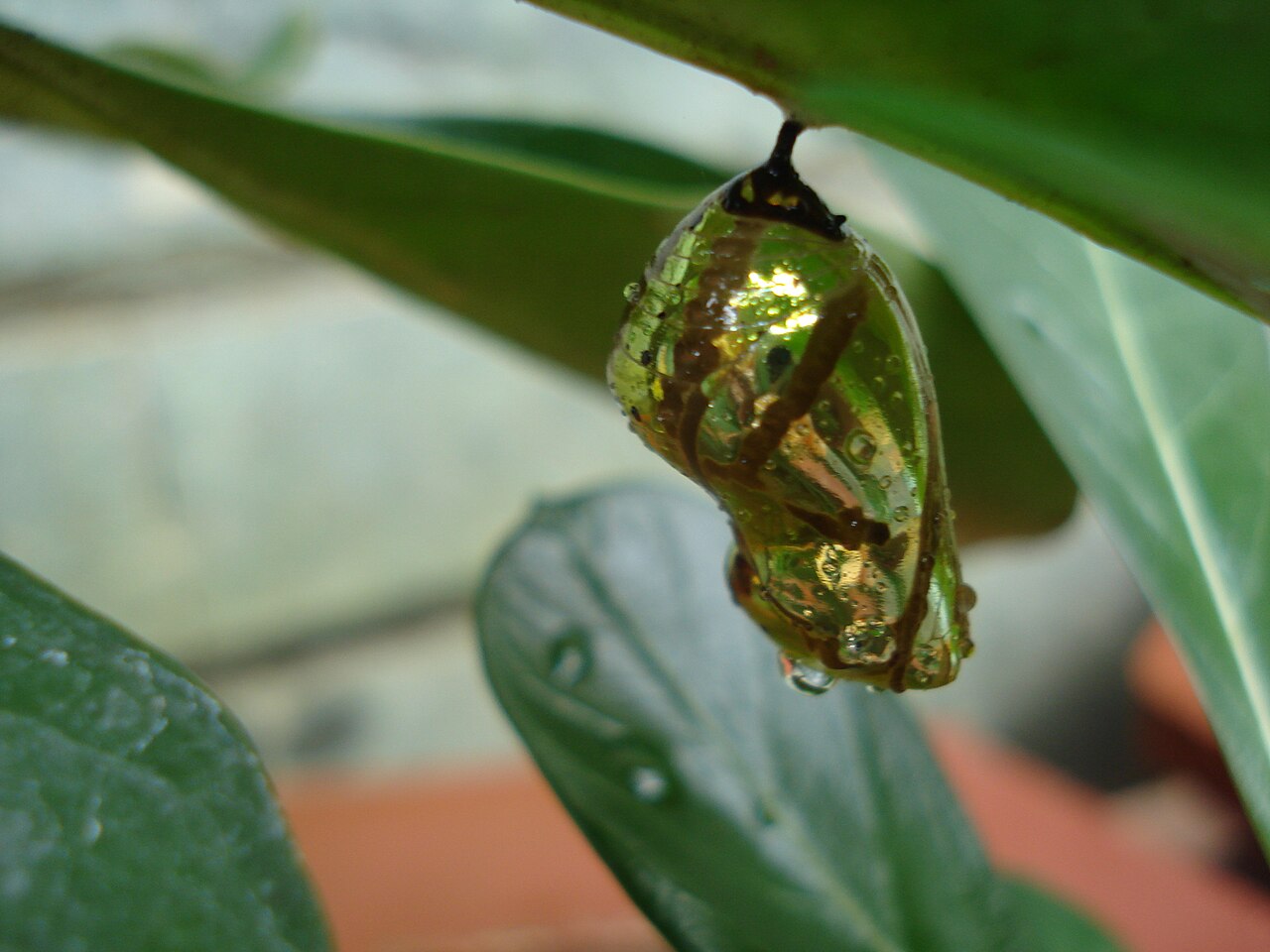
Butterflies are not named in scripture, so the dead butterfly meaning in the Bible is a devotional reading rather than a quoted one. The connection Christians make is to resurrection: the caterpillar, the apparent death of the chrysalis, and the emergence of something that flies map onto the Easter narrative with almost no effort.
Within that frame a dead butterfly is read as the stage after resurrection rather than before it, which is why Christian grief writing treats it as peace rather than loss. Funeral releases of live butterflies draw on the same symbolism, and a butterfly found dead at a graveside is usually taken the same way.
Does God send butterflies as signs? Churches generally teach that God is not limited in what he can use, while cautioning against building faith on signs. The practical pastoral answer most people receive is that the comfort is real and the interpretation is personal.
Early Christian art reinforced the association by showing butterflies with the soul, borrowing directly from Greek usage. That borrowing is the reason the symbolism feels biblical even though no verse supports it.
Native American Traditions and the Butterfly Soul

Claims about one Native American butterfly teaching should be treated with caution, since hundreds of nations hold distinct beliefs and much of what circulates online is modern spiritual writing. Where documented traditions exist, they are specific and they vary.
Among Hopi people the butterfly appears in katsina figures and in the butterfly dance, associated with rain, crops and young women, and recorded in ethnographic sources rather than inferred. Among some Plains and Southwestern nations butterflies carry prayers or bring dreams, which is a genuine textual basis for the messenger reading.
In those frames a dead butterfly is generally not read as an omen at all. The emphasis falls on the living insect’s work, and a dead one is simply an insect that has finished.
Anyone wanting a specific nation’s teaching should look to that nation’s own cultural centers and publications. General symbolism guides, including this one, cannot speak for them.
Celtic and European Folklore

Irish and Scottish folk belief tied butterflies directly to souls, and the connection was strong enough that killing a white butterfly was discouraged because it might hold the soul of a dead child. In some accounts butterflies hovering near a wake were the dead person’s spirit waiting to depart.
That belief gives European tradition its most specific dead butterfly reading. If a butterfly carries a soul, a dead butterfly is read as the soul having moved on, and in the folk logic the sighting closes the matter rather than opening it.
Elsewhere in Europe the symbolism turned cautionary. Butterflies entering houses were occasionally read as omens of news, and in parts of Germany and England moths and butterflies at a sickbed were watched closely for which way they flew.
The Greek root sits under all of it. The same word, psyche, meant both butterfly and soul, and that single piece of vocabulary shaped two thousand years of European reading of the insect. For a closely related question, see our guide to seeing a butterfly meaning. For a closely related question, see our guide to seeing a butterfly meaning.
East Asian Views: Japan, China and the Butterfly as Spirit
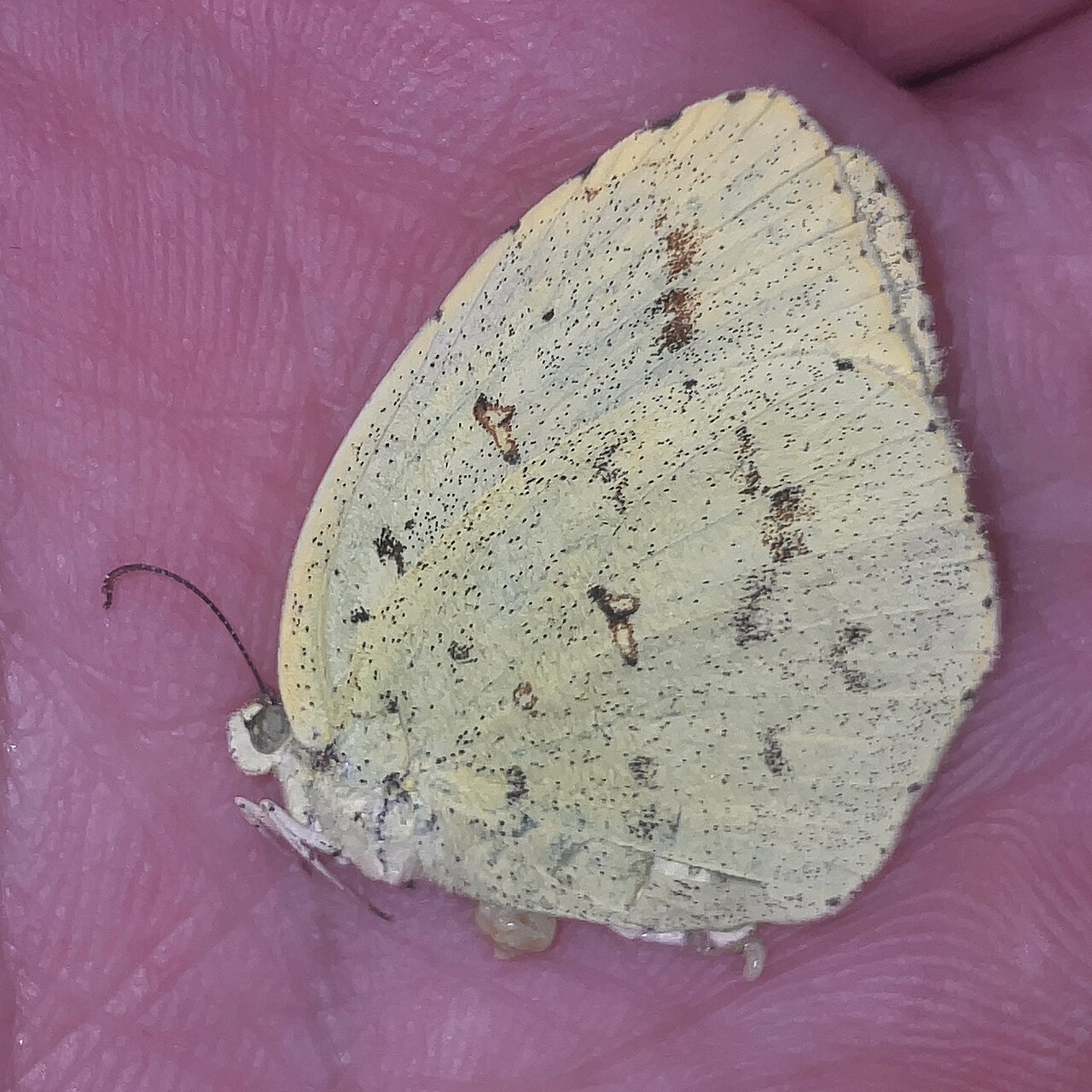
Japanese tradition treats butterflies as the spirits of the living and the dead, and a single butterfly entering a room was historically read as a visit from someone who was thinking of you. Large numbers of butterflies, by contrast, appear in older accounts as portents of upheaval.
Chinese tradition contributes the butterfly as a symbol of love and marital happiness, often in pairs, and the Zhuangzi butterfly dream gives the insect a second life as an image of uncertain reality. A dead butterfly in that frame reads against the love symbolism and is sometimes linked to a relationship ending.
Korean and Chinese folk belief also share a caution about the first butterfly of spring, with the color of the butterfly setting the tone for the year. White was the color most often read as unwelcome, because white is the color of mourning.
These traditions are specific enough that borrowing one line from them loses the meaning. The usable summary is that East Asian reading ties butterflies to visits, love and the fragility of both.
Dead Butterfly Meaning in Grief and the Death of a Loved One
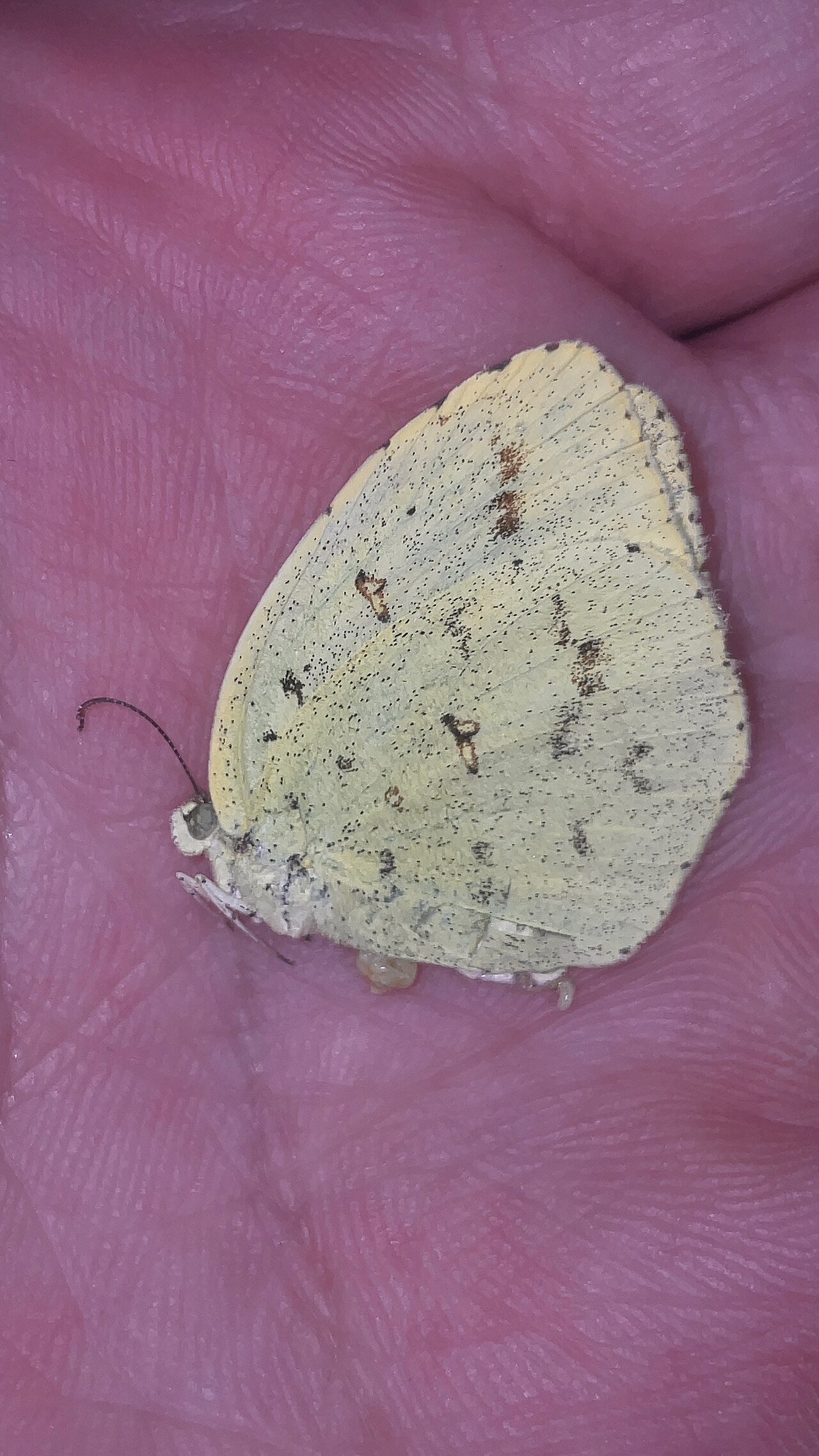
In bereavement the dead butterfly is read warmly, and that reading is the most common one people actually arrive at. A butterfly found at a funeral, a graveside or on a difficult anniversary is widely treated as the person letting you know they are no longer in pain.
Grief counselors tend not to argue with the interpretation, because it functions as a continuing bond rather than as denial, and it does not ask the mourner to believe anything about the future. The insect is understood as a marker of a moment, not as a prophecy.
The butterfly’s biology supports the reading more than most symbols do. A dead adult has genuinely finished its work, and the next generation is already in eggs on a host plant somewhere nearby.
People who find the reading comforting with one species often find it with others. The same interpretive move is applied to the monarch butterfly and to small bright insects generally, including the dead ladybug.
Dead Butterfly Meaning in Love and Relationships
Because Chinese and European tradition both tie butterflies to courtship, a dead butterfly picks up a reading about relationships almost automatically. The standard modern interpretation is a phase of a relationship ending, with the emphasis on the phase rather than on the relationship.
In practice symbolism writers split here. One line reads it as a necessary closure before something better, and the other as a warning to pay attention to neglect. Neither has historical depth, and both are modern applications of the broader transformation theme.
The reading becomes more specific with color. A dead black butterfly is often tied to an ending that is already underway, which is consistent with the broader black butterfly spiritual meaning, while white and yellow carry gentler associations.
Taken together, love readings of a dead butterfly are the least documented part of its symbolism. They are worth knowing because people encounter them, not because tradition backs them.
Where You Found It Changes the Reading
Folk interpretation of insects has always been situational, and the table above sets out the usual versions. A butterfly dead inside the house is the one that generates the most questions, and the standard reading is a message that arrived without being received.
A dead butterfly in the garden is the gentlest situation. The insect lived its adult weeks among the flowers it needed, and nothing in the tradition asks you to act on finding it there.
A dead butterfly on a doorstep or windowsill is read as addressed to the household, in the same way that a threshold sighting is read for most animals. Thresholds carry weight in folk belief that the rest of the yard does not.
A dead butterfly in your hand is treated as the most personal version of all, and the reading parallels what people say about a butterfly landing on you while alive. Contact makes the message individual.
Finding a Dead Monarch Butterfly
A dead monarch carries extra weight because the species already stands for return. Monarchs migrate thousands of miles to Mexico and back across generations, so the insect is read as proof that something can find its way home even when no individual has made the trip before.
Finding one dead in autumn is common along migration routes and usually means an insect that ran out of fat reserves or hit bad weather. In the Day of the Dead tradition in Mexico the arrival of monarchs in late October and early November is linked to returning souls, which gives a dead monarch a specific and gentle reading in that frame.
Monarch numbers have fallen sharply over recent decades because of milkweed loss, pesticides and extreme weather in the overwintering forests. Conservation status and current survey figures are published by agencies including the U.S. Fish and Wildlife Service.
If you find a dead monarch with a small circular tag on its wing, the tag number is worth reporting to the tagging program listed on it. That single data point is more useful than the insect’s symbolism to anyone studying the migration.
Dead Butterfly in a Dream
Dream symbolism puts the dead butterfly close to abandoned potential. The common reading is a plan or a version of yourself the dreamer has quietly given up on, and the detail that matters most in dream dictionaries is whether the dreamer caused the death.
A butterfly that dies in your hands in a dream is usually read as something you are holding too tightly, and one found already dead as a situation you have accepted. Dream interpretation is not consistent enough to treat these as fixed, and the dreamer’s own associations outweigh any list.
Dreams of many dead butterflies tend to be read as exhaustion rather than loss, especially in modern interpretations aimed at burnout. The insect’s transience makes it a natural stand-in for energy that has run out.
What dream readings agree on is that the symbol is recoverable. Nearly every interpretation treats a dead butterfly in a dream as reversible, which is unusual among dream death imagery.
Why Are Butterflies Called Warning Signs?
Butterflies are called warning signs for two unrelated reasons, and separating them clears up most of the confusion. The folk reason is the messenger tradition: anything that can carry a message can carry a bad one, so butterflies entering houses were watched in parts of Europe and Asia for news.
The second reason is biological and literal. Bright wing colors in many butterflies and moths are aposematic, which means they advertise toxicity to predators, and the monarch’s orange is the textbook example. Biologists describe those colors as warning signals, and the phrase has drifted into spiritual writing where it means something entirely different.
A third strand comes from ecology. Butterflies are sensitive indicators of habitat quality, so a collapse in local butterfly numbers genuinely warns about pesticide use and habitat loss, which is the most concrete warning the insect offers.
None of these supports the idea that a single dead butterfly predicts misfortune. The warning, where there is one, is about the landscape rather than about you.
Dead Butterfly or Dead Moth? How to Tell
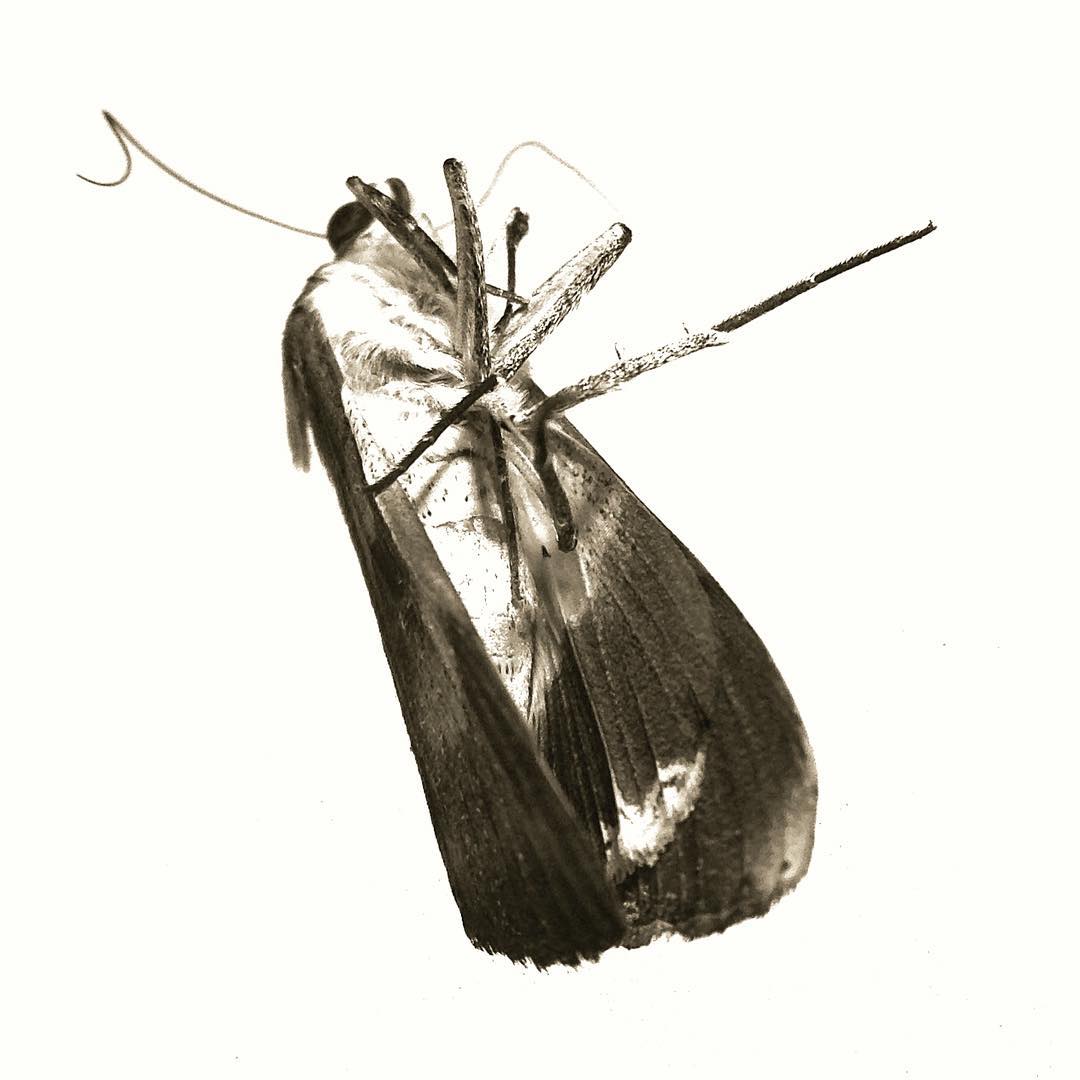
A large share of the insects people find dead indoors and read as butterflies are moths, and the distinction matters because moth symbolism is heavier. Moths are tied to death omens, hidden knowledge and attraction to destructive light in a way butterflies never were, so misidentifying one changes the reading entirely.
Four features settle it on a dead specimen. Butterfly antennae end in a small club or knob, while moth antennae are thread-like, tapered or feathery. Butterflies rest with wings held upright over the back, moths with wings flat or folded in a tent shape, and a dead insect usually keeps that posture.
Bodies differ too. Moths are stout and furry, butterflies slender and smooth, and most moths found in houses are brown, gray or cream rather than brightly patterned. The brown insect in a porch light is a moth far more often than it is a butterfly.
Neither group bites, stings or carries anything dangerous, so handling a dead one is harmless. If the specimen is intact, the antennae alone will tell you which symbolism you are dealing with before you look up a single meaning.
What Happens to Butterflies in October
October is when most people find dead butterflies, and the explanation is seasonal rather than symbolic. Adult butterflies of most species live only two to four weeks, and the last generation of the year dies as nectar disappears and nights turn cold.
Species handle the season differently. Monarchs migrate, mourning cloaks and question marks overwinter as adults in bark crevices and woodpiles, many fritillaries and swallowtails overwinter as chrysalids or caterpillars, and others survive only as eggs. A dead adult in October often belongs to a species whose entire overwintering plan is the next generation.
That is why a stretch of repeated sightings in autumn is rarely a message. Warm days in October bring stragglers out, cold nights kill them, and anyone walking the same path daily finds several.
A dead butterfly in the house in midwinter has a different cause. It is usually an adult overwinterer that was warmed into activity indoors, exhausted itself against a window and dried out, much like a bright orange butterfly appearing out of season.
Frequently Asked Questions
Which color butterfly is lucky?
Yellow is the color most widely read as lucky in Western symbolism, tied to hope and good news, and in several European traditions the first yellow butterfly of spring promised a good year. Blue is read as rarity and wishes granted, while white is lucky in some regions and mournful in others.
When God sends you a yellow butterfly, and how rare is it to see a yellow butterfly?
Devotional writing reads a yellow butterfly as reassurance and renewed hope, often at a point of waiting. Biologically they are not rare at all: sulphurs and clouded sulphurs are among the most common butterflies in North America, which is part of why the sighting is reported so often.
When God sends you a blue butterfly?
A blue butterfly is usually read as answered prayer or a message about trust, because blue is scarce in nature and rare on wings. Most blue butterflies in the United States are small azures and blues, while the famous tropical species appears in our guide to the blue morpho butterfly.
What does it mean when a brown butterfly enters a house?
A brown butterfly entering a house is read in folk belief as news arriving, sometimes practical news about money or a letter, and in some Caribbean and Filipino traditions as a departed relative visiting. Many of these are actually moths, which carry their own separate and often heavier symbolism.
What does a black and yellow butterfly symbolize?
Black and yellow together are read as protection during a transition, pairing the ending carried by black with the hope carried by yellow. In the eastern United States the butterfly in question is usually a tiger swallowtail, and in parts of the South a black swallowtail with yellow banding.
Is a dead butterfly a bad omen?
In most documented traditions it is not. The dominant readings are completed transformation, a soul released and a visit in grief, and no major European, East Asian or Indigenous tradition records a dead butterfly as a prediction of death. The cautionary readings concern messages missed rather than harm coming.