Small Black Beetle in the House: 7 Species and How to ID Them
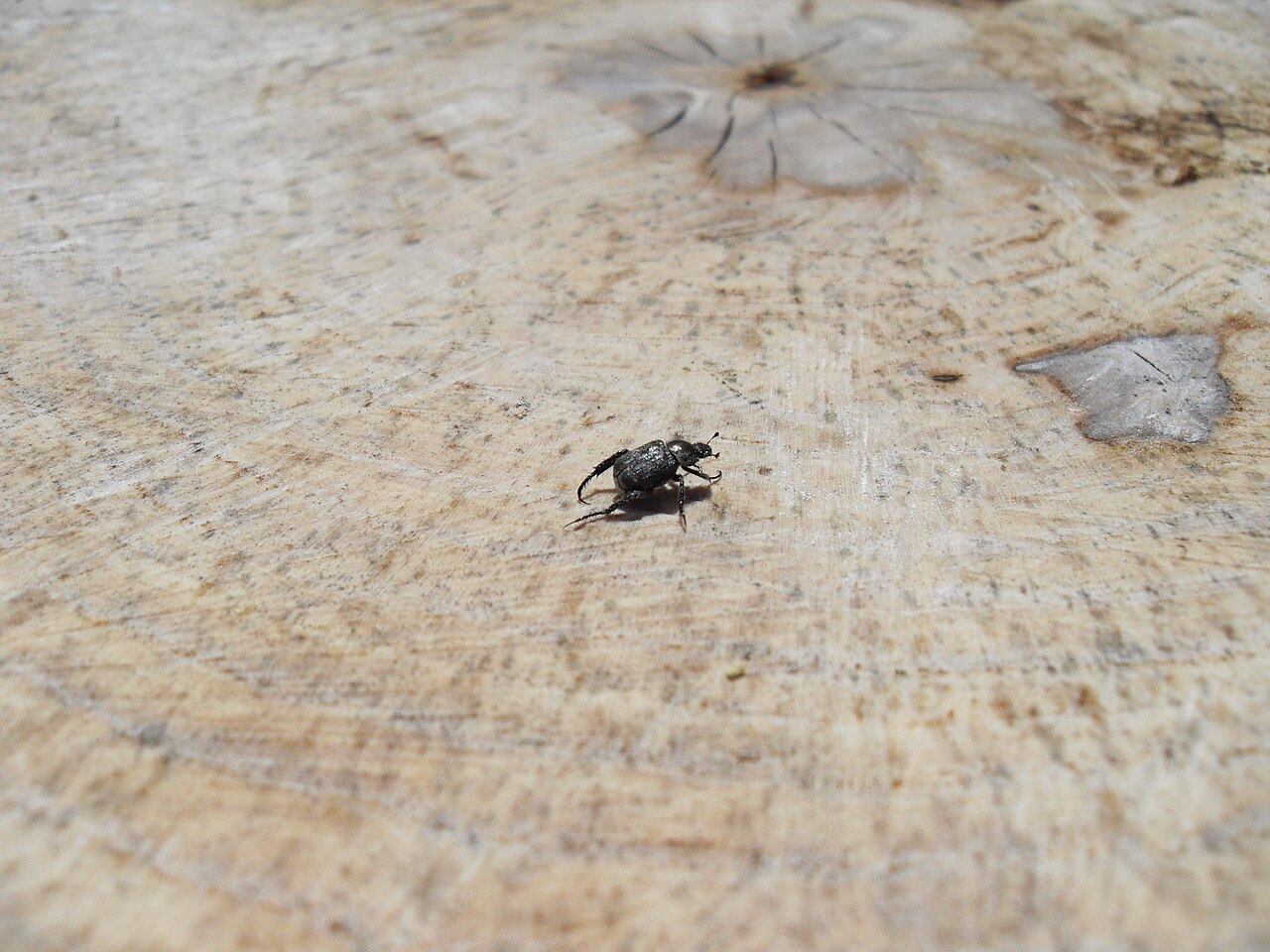
A small black beetle indoors is almost always a black carpet beetle (Attagenus unicolor), a ground beetle that wandered in from the yard, or a stored product pest that hatched inside a forgotten bag of flour or pet food. None of them bite people, and none of them carry disease, but two of those three groups will quietly chew through wool, silk, dry goods, or feathers while you look for the source.
Telling them apart takes about ten seconds once you know where the beetle turned up and how big it is. Size, shine, and location narrow the field faster than any photo match, because the small black beetle species that live in American homes each favor a different corner of the house.
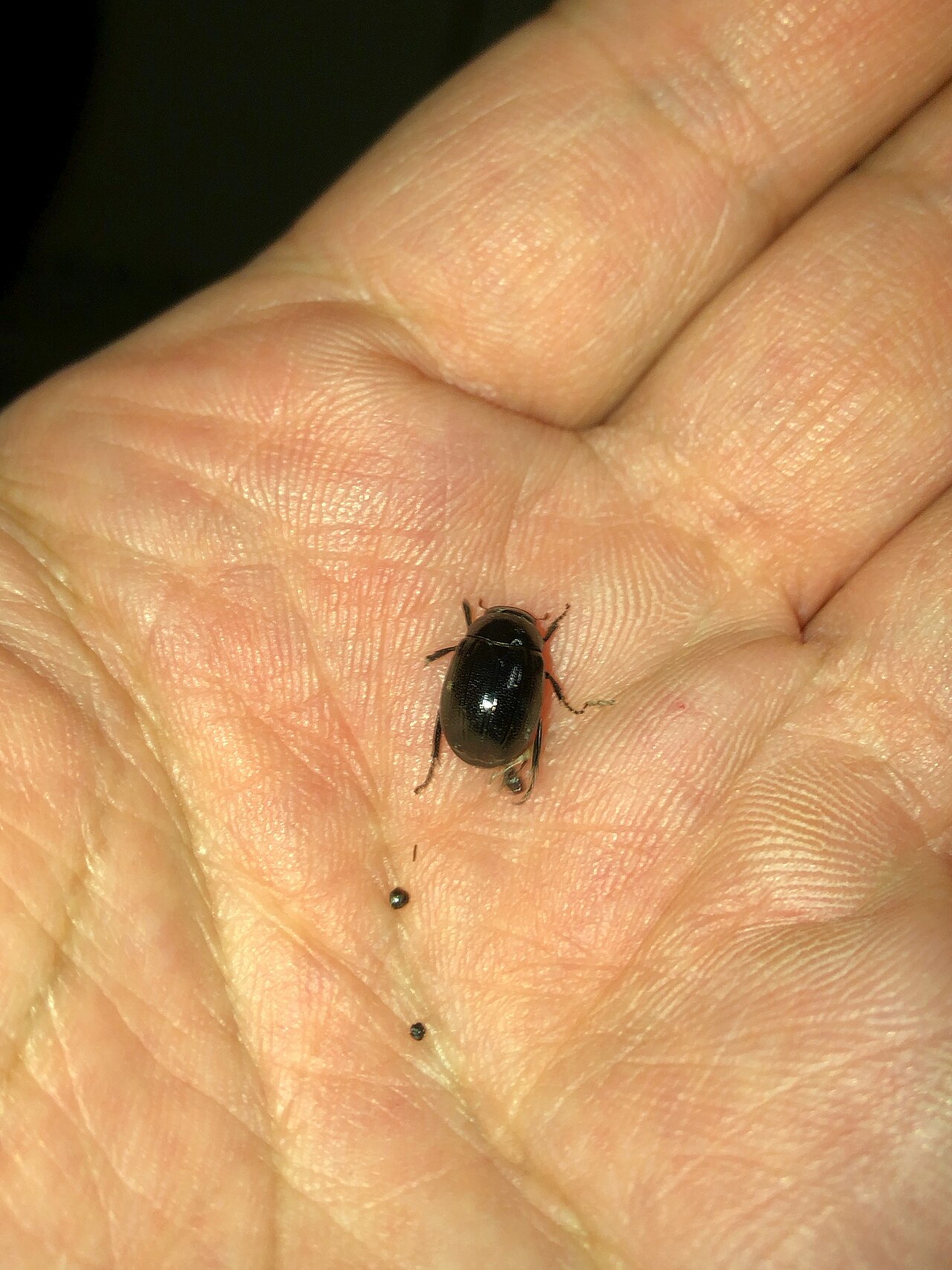
Most small black beetles found indoors are black carpet beetles, roughly 1/8 to 3/16 inch (3 to 5 mm) long, oval, and shiny. They feed on wool, hair, lint, and dried food rather than people or structures. Beetles found near windows are usually outdoor ground beetles that wandered in and will die within days.
What Are the Little Black Beetles in My House All of a Sudden?
A sudden appearance of little black beetles in the house almost always means an indoor population finished developing at the same time. Carpet beetle larvae feed for months out of sight under baseboards, inside heating vents, or in a closet corner, then emerge as adults within a week or two of each other. The adults head for windows because they want to fly outside and lay eggs on a bird nest or flower bed.
The second common trigger is seasonal. Ground beetles (family Carabidae) and the occasional darkling beetle push indoors during the first cold nights of fall or after heavy rain floods their soil habitat. These are the beetles you find on their backs in a bathtub or dead on a windowsill, because a dry house offers them nothing.
The third trigger is a delivery. Stored product beetles such as the lesser mealworm (Alphitobius diaperinus) and the drugstore beetle arrive inside birdseed, dry dog food, or bulk grain and only become visible when the bag runs low. If the beetles cluster in one cabinet rather than spreading across the house, the bag is the answer.
Quick ID Chart: Small Black Beetles Found in American Homes
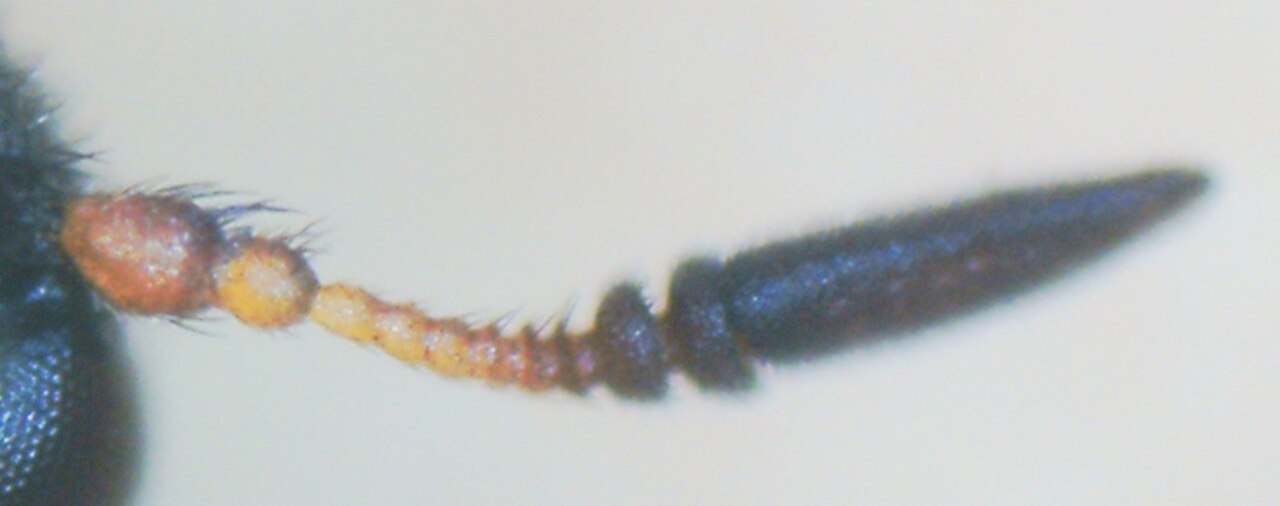
| Beetle | Size | Where You Find It | What It Damages |
|---|---|---|---|
| Black carpet beetle | 1/8 to 3/16 in (3 to 5 mm) | Windowsills, closets, under rugs | Wool, silk, hair, dried food |
| Varied carpet beetle | 1/10 in (2 to 3 mm) | Windows, light fixtures | Natural fibers, insect collections |
| Ground beetle | 1/4 to 3/4 in (6 to 19 mm) | Basements, garages, bathtubs | Nothing, harmless wanderer |
| Lesser mealworm | 1/4 in (6 mm) | Pet food, birdseed, poultry coops | Stored grain and feed |
| Drugstore beetle | 1/10 in (2 to 3 mm) | Spice jars, flour, dry pasta | Almost any dry pantry item |
| Flea beetle | 1/16 in (1.5 to 2 mm) | Garden plants, screens in summer | Vegetable leaves outdoors |
| Weevil (granary, rice) | 1/8 in (3 mm) | Rice, flour, birdseed | Whole grains and seeds |
Black Carpet Beetle: The Most Common Indoor Suspect
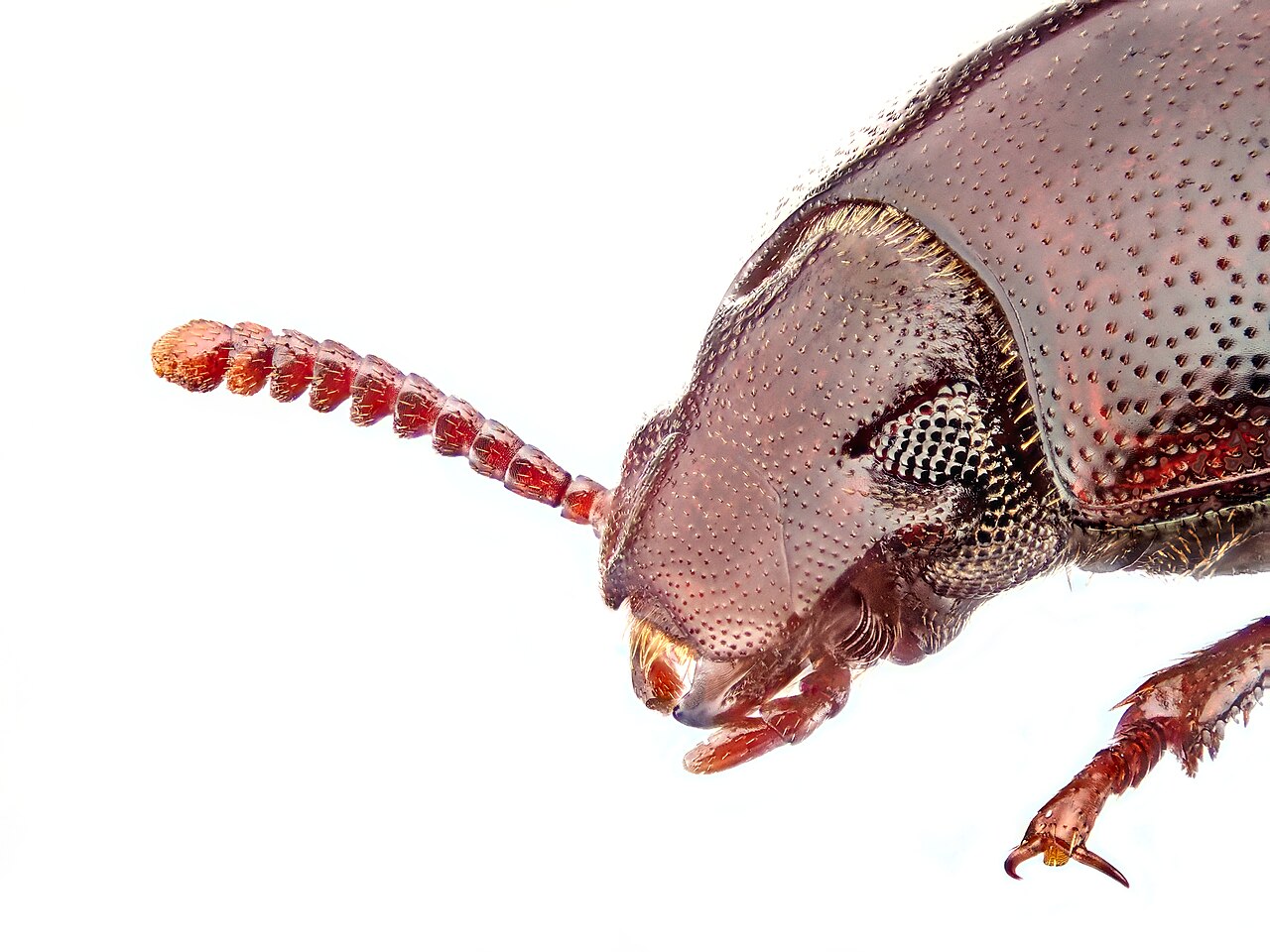
The black carpet beetle is the beetle behind most identification requests, and it is the only one on the list that damages clothing. Adults are uniformly shiny black to dark brown, oval, and about the size of an apple seed. They are strong fliers and are drawn to light, which is why the first sighting is usually on a window sill or inside a light fixture rather than in the closet where the damage happens.
The adults eat pollen and nectar outdoors and cause no harm at all. The larvae do the damage. A black carpet beetle larva is carrot shaped, golden brown, and carries a distinctive tuft of long hairs at the rear. It feeds on wool sweaters, felt piano hammers, taxidermy, pet hair trapped under furniture, and dead insects in wall voids.
Carpet beetle larvae shed their skins as they grow, and those hollow cast skins often outnumber the live insects. Finding several papery shells in a drawer is proof of an established population, not a single stray. For the related pattern species, our guide to the black and white beetle covers the mottled varied carpet beetle in more detail.
What Are Tiny Black Bugs That Look Like Beetles?
Several tiny black bugs that look like beetles are not beetles at all. Springtails are wingless, jump when disturbed, and gather near damp sinks and potted plants. Booklice are pale to grey, soft bodied, and thrive on mold in humid rooms. Neither has the hard, split wing covers that define a true beetle.
The quickest test is the shell. Under a phone camera zoom, a beetle shows a straight seam running down its back where the two hardened wing covers meet. Springtails, booklice, and immature roaches have no seam. If it jumps, it is not a beetle. If it runs fast with long antennae swept back, it is likely a different arthropod entirely or a young cockroach.
Weevils are the exception that confuses everyone. They are true beetles with an elongated snout, and in rice or flour they look like moving dark grains. Their presence always points at a specific infested package rather than at the room.
Is a Black Beetle Harmful?
A black beetle found in a house is not harmful to people in any direct sense. None of the common indoor species sting, and none transmit disease to humans. Ground beetles can pinch with their jaws if you squeeze one, and the pinch is comparable to a stiff pin prick, without venom.
The real cost is material. Carpet beetle larvae are the leading cause of irregular holes in stored wool and cashmere in the United States, and they are the main museum pest for feather and fur specimens. Stored product beetles do not poison food, but they contaminate it with cast skins and frass, and an infested bag should go in an outdoor bin rather than the kitchen trash.
A minority of people develop an itchy rash from repeated contact with carpet beetle larval hairs, a reaction often mistaken for bed bug bites. The distinguishing detail is timing: the rash follows handling stored fabric, and nothing bites at night. If you are working through that question, our comparison of black beetle species and their behavior explains which species are worth handling at all.
Where Do Tiny Black Bugs Come From?
Tiny black bugs come from three predictable places: outdoors through gaps, indoors from stored materials, and inside from a hidden animal source. The outdoor route brings ground beetles and flea beetles through door sweeps, weep holes, and torn window screens, especially on warm nights when porch lights are on.
The stored materials route matters most for carpet beetles. Adults fly in through open windows in spring, land on a wool rug or a wreath of dried flowers, and lay eggs there. A single female lays 50 to 100 eggs, and the larvae stay put because they are already sitting on food.
The hidden animal source is the one people miss. A dead mouse in a wall, an abandoned bird nest in a soffit, a squirrel den in an attic, or a chimney full of feathers can feed carpet beetles for years. If beetles keep returning after thorough cleaning, the nest is still there. The same soffit and attic gaps also invite larger visitors, which our guide to removing raccoons from a property covers.
How Do I Get Rid of Tiny Black Bugs?
Getting rid of tiny black bugs is a vacuum job before it is a spray job. Vacuum along baseboards, under furniture that rarely moves, inside closets, and into floor register vents, then empty the canister outside. Vacuuming removes eggs, larvae, cast skins, and the lint that feeds them, which no aerosol can do.
Treat fabric next. Wash washable wool in hot water or run infested items through a dryer cycle at high heat for 30 minutes. Items that cannot be washed can be sealed in a bag and frozen at 0 degrees F (minus 18 C) for two weeks. Dry cleaning kills all life stages in one pass.
For the pantry, discard the infested package, vacuum shelf corners and cracks, and store replacements in glass or hard plastic with a gasket. Cardboard and thin plastic bags do not stop beetles. Insecticide belongs only in cracks and voids as a last step, and the University of California IPM program at UC IPM notes that sanitation alone resolves most household carpet beetle cases.
Small Black Beetles Outside, in the Car, and in the Bathroom
Context changes the answer more than appearance does. Small black beetles outside on plants in summer are almost always flea beetles, which chew shot hole patterns in eggplant, radish, and brassica leaves and jump like fleas when a hand comes near. They do not enter houses to breed.
Small black beetles in a car usually mean food debris under a seat or a carpet beetle population feeding on upholstery lint and pet hair. Vacuuming the seat rails and under the mats resolves almost every case, and parking in sunlight with the windows cracked for an afternoon helps.
Small black beetles in a bathroom point to moisture. Ground beetles and drain associated insects come up through floor drains and gaps around plumbing. If the beetles appear where a pet food bowl or a birdseed bin sits nearby, check that container first. Poultry keepers see the same beetle in coops, where the lesser mealworm thrives in damp bedding alongside the pests covered in our Asian lady beetle guide.
Frequently Asked Questions
Am I dirty if I have carpet beetles?
No. Carpet beetles fly in from outdoors and are drawn to natural fibers, pet hair, and dead insects rather than to poor housekeeping. Museums, new construction, and immaculate homes all get them. Cleaning helps because it removes the lint and hair the larvae eat, not because the insects signal neglect.
What are the tiny bugs that look like a speck of dirt?
Specks that move are usually varied carpet beetles, booklice, or springtails. Carpet beetles are hard shelled and about 1/10 inch (2 to 3 mm) with a mottled pattern. Booklice are soft and pale, and springtails jump. Place clear tape over one and look at it under a phone camera zoom to tell them apart.
What are the tiny black bugs that look like poppy seeds?
Poppy seed sized black bugs in a kitchen are most often drugstore beetles or grain weevils, both under 1/8 inch (3 mm). In bedding, the same description fits bed bug droppings or fleas instead. If the specks are in flour, spices, or birdseed, sift the product and look for movement before discarding.
What kind of bug looks like a small black dot?
A small black dot that moves on a windowsill is typically an adult black carpet beetle. A dot that jumps is a flea beetle or a flea. A dot that stays motionless on a wall for hours may be a spider beetle or simply frass. Size plus behavior identifies it faster than color.
Do small black beetles bite people?
Household black beetles do not bite. Ground beetles can deliver a harmless pinch if handled roughly, and carpet beetle larval hairs can cause an itchy rash in sensitive people. If something is biting at night, look for bed bugs or fleas rather than beetles, since no common indoor beetle feeds on blood. Compare markings with our red and black beetle guide if color is the clue.