Cricket Spiritual Meaning: In Your House, Luck or Omen?
Heard a cricket in your house tonight and wondering whether it is luck or a warning? Many traditions read it as luck, and the main omen is a cricket that suddenly goes quiet. Cricket spiritual meaning grew up indoors, from Chinese cricket cages to the British hearth, because people hear the insect long before they see it.
In many folk traditions a cricket in or near your house means good luck, a protected home and a reminder to trust your inner voice. The warning readings are rarer. Older European folklore fears a cricket that falls silent or leaves, and parts of Brazil and Barbados link certain crickets to illness or death.
What Does a Cricket Mean Spiritually?
A cricket means luck, abundance, a blessed home and good timing, and above all it means intuition. The insect is heard far more than it is seen, so the song became the symbol, a voice you cannot see. It is one of many messengers in animal symbolism.
Among insect spiritual meanings the cricket is the one built on sound alone, and night activity adds a second layer. Many crickets call mostly after dark, the hour of dreams and quiet reflection, so the chirp is tied to messages that arrive once the daytime noise stops.
Male crickets sing in warm weather to attract mates, so the first chirp of the year marked the start of a fertile season, and people still hear it as the opening of a good period.
Cricket in Your House, at Night or at the Door: Luck or Warning?
A cricket indoors is luck first. The main warning reading is a cricket that goes silent or leaves the house. Where the insect turns up, and what it does there, changes the message.

In your house. Luck and protection. In older European and Asian homes a resident cricket was welcome, a sign that the hearth was warm and the pantry full.
Chirping at night. A call to slow down and listen. The chirp after lights-out is reassurance, and people who lie awake with it take it as a prompt to sit with a question instead of forcing an answer. Another animal heard or seen at night, the bat, stands for rebirth rather than a message.
At your door or window. News or visitors on the way. In parts of Latin America it signals that a guest or news is on the way.
Keep seeing crickets. A nudge to act. You already sense what needs doing, and the cricket keeps turning up until you do it.
Finding a dead cricket. An ending, not a curse. A dead cricket marks a closed chapter, with room for something new.
Cricket in a dream. A cricket chirping in a dream brings good news or a message you already half know. A silent or trapped one stands for a voice you keep ignoring. A cricket in the bedroom in a dream points to a worry you are not saying aloud, and a swarm means too many demands at once.
| Situation or color | Traditional reading | Where the belief comes from | Good or warning sign |
|---|---|---|---|
| Cricket in the house | A guarded, prosperous home | British hearth lore | Good |
| Chirping at night | A call to slow down and listen | Modern folk reading | Good |
| Cricket at the door or window | A visitor, letter or news is coming | Latin American household belief | Good |
| Cricket falls silent or leaves | Misfortune or a death in the family | Rural European folklore | Warning |
| Black cricket (Brazil) | Illness | Folk belief recorded in Caraguatatuba, Brazil | Warning |
| Green or grey cricket (Brazil) | Green brings hope, grey brings money | Brazilian folk belief | Good |
Cricket Meaning for Money, Love and Personal Growth
Money comes first in popular belief. Chinese households kept singing crickets as luck for the home, and Latin American belief ties a cricket indoors to money on the way.
Love follows from the song itself. A singing cricket near you stands for attraction or a relationship about to deepen.
Growth comes from the body. Cricket nymphs molt repeatedly on the way to adulthood, and the symbol asks which stage you have outgrown.
Crickets in Chinese and Japanese Tradition
Chinese households kept crickets in small cages and carved gourds as singing companions and bringers of luck.

Cricket fighting turned the strongest insects into status objects. A champion fighting cricket stood for courage and was bought, sold and bet on.
Japan values the sound over the fight. The bell cricket, called suzumushi, is prized for its clear autumn song and was traditionally kept and sold for listening. Its call is a classic image of the passing of time in Japanese poetry, and a chapter of The Tale of Genji takes its name from the bell cricket.
What Does the Bible Say About Crickets?
The Bible names the cricket once in some modern English translations and gives it no spiritual message. Leviticus 11:22 in the NIV lists the cricket among the insects that may be eaten, alongside the locust, the katydid and the grasshopper. The King James Version renders the same Hebrew word as “beetle”.
No verse makes the cricket a sign, a warning or a messenger, and the idea that God sends crickets as a signal is modern devotion, not scripture.
Christian readers still draw on the insect. Its smallness becomes a lesson in humility and its song a picture of praise offered in the dark when nobody is watching.
European and Irish Folklore on Hearth Luck and Death Omens
In British and Irish folk belief a cricket on the hearth guards the household and brings luck. Charles Dickens built a story on it. The Cricket on the Hearth makes the chirping insect the household’s guardian spirit.
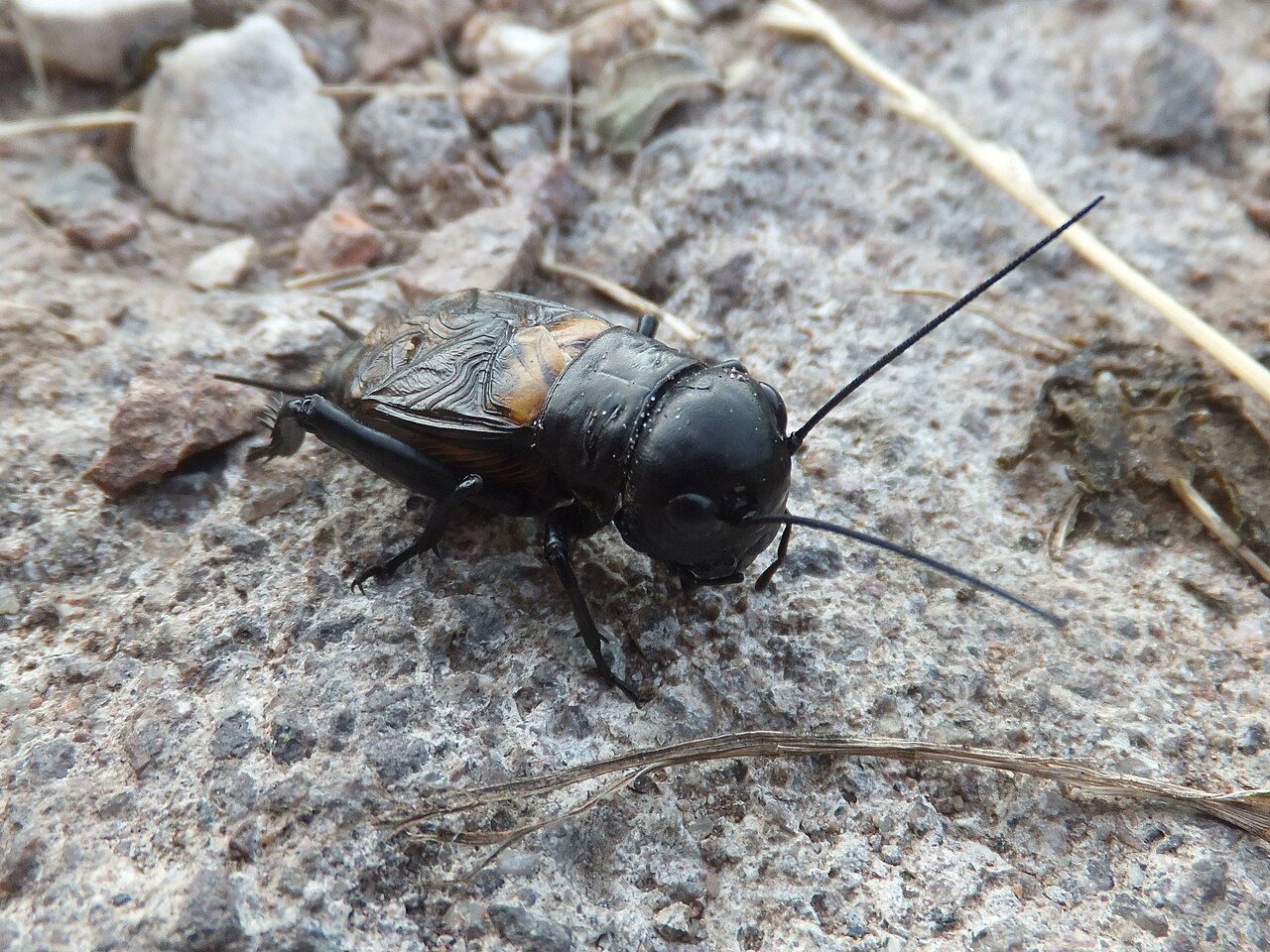
The omen side comes from the same hearths. Some rural European households held that a cricket which stopped singing, or left the house altogether, foretold misfortune or a death in the family, and in English folklore a white cricket on the hearth carried the same meaning. The field cricket (Gryllus campestris), singing by day at its burrow in sunny grassland from May to July, was the outdoor version of the same companion.
In Irish lore crickets were thought to be enchanted, hundreds of years old and linked to the fairies who gathered at the hearth at night.
Latin American Beliefs About the Cricket as Messenger
Latin America gives the cricket a job as a messenger. In many Latin American homes a cricket in the house is left in peace until the visitor or news it announces arrives. In Brazil, folk belief treats a black cricket as illness, a green one as hope and a grey one as money, and in Alagoas in northeast Brazil a chirping cricket indoors is taken as a death omen.
Cricket Spirit Animal, Totem and Omen
The cricket spirit animal belongs to people who trust instinct over loud argument, and as a totem it stands for patience and sensitivity to atmosphere, the ability to feel a room change before anyone speaks.
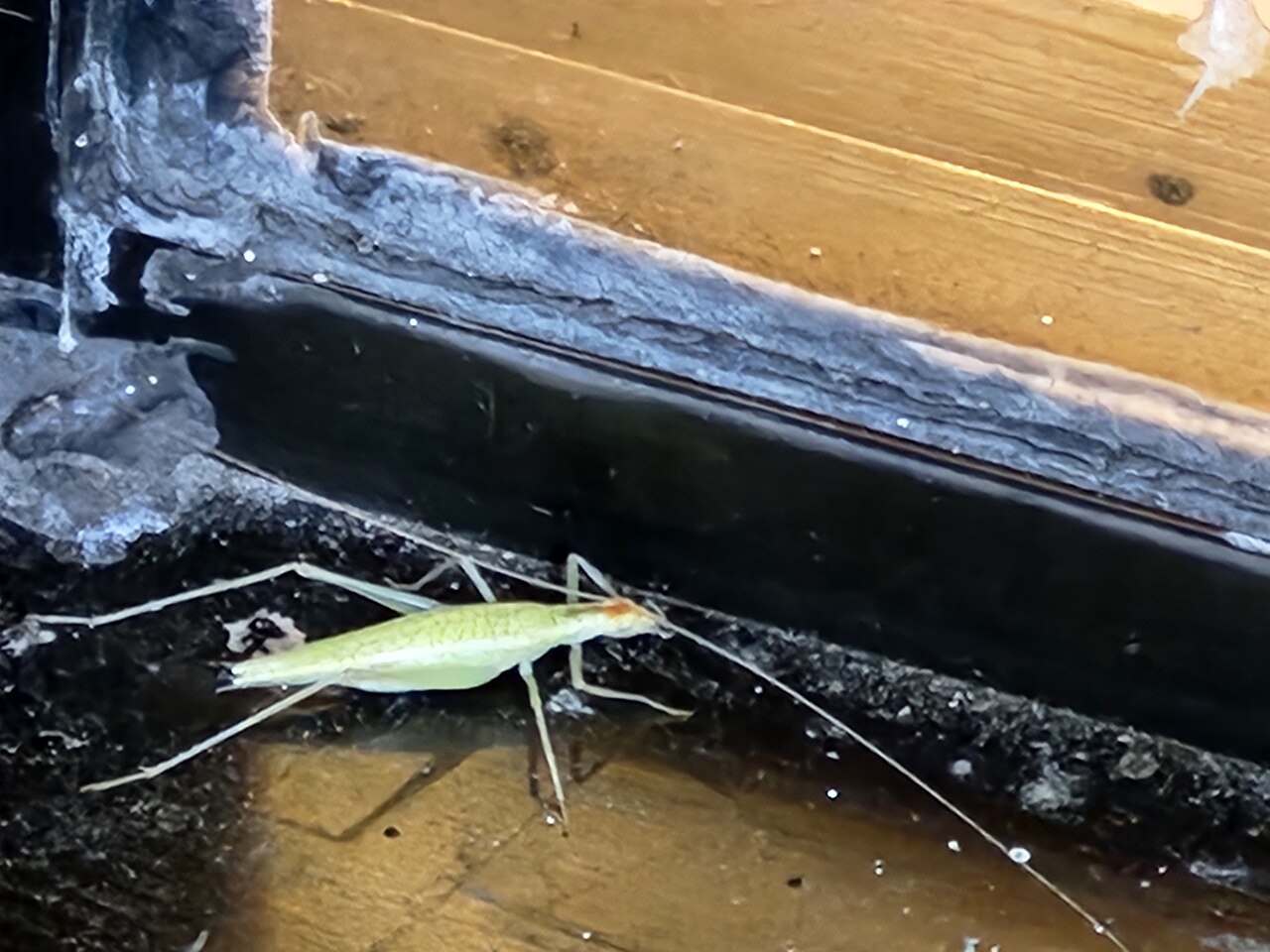
The snowy tree cricket (Oecanthus fultoni) is called the temperature cricket because its chirp rate rises with warmth, which fits a totem of sensitivity to atmosphere.
In the fable of the ant and the grasshopper, often retold with a cricket, the singer begs the ant for food after a summer of song.
Frequently Asked Questions
Is it bad luck to kill a cricket?
Yes, in British, Irish and several Asian folk traditions killing a house cricket is said to bring bad luck to the home or to drive the household’s luck out the door with it.
Do crickets bring good luck in China?
Yes. Chinese households kept singing crickets in cages and carved gourds as bringers of luck for the home, and a champion fighting cricket stood for courage.
Can a cricket be a sign from a loved one who passed away?
Yes, for grieving people it can be. Crickets singing near a bed or a grave after a loss are taken as comfort, and many people take the familiar sound as a sign that the person is near.
Is Jiminy Cricket the reason crickets stand for conscience?
Partly. In Carlo Collodi’s Pinocchio the Talking Cricket warns the puppet and is killed for it, and Disney’s Jiminy Cricket made the conscience role famous worldwide.
Is the insect named after the sport?
No. The insect’s name comes from Old French criquet, from the verb criquer, to creak, an imitation of its sound, according to the Online Etymology Dictionary. The sport’s name has a separate, uncertain origin, perhaps from Old French criquet meaning a goal post or stick.
Sources
- Encyclopaedia Britannica, Cricket (insect)
- Bible Gateway, Leviticus 11 verse 22 (NIV)
- Project Gutenberg, The Cricket on the Hearth by Charles Dickens
- Project Gutenberg, The Adventures of Pinocchio by Carlo Collodi
- Online Etymology Dictionary, cricket
- Library Ireland, Lady Wilde, Ancient Legends of Ireland, The Cricket
Explore more: Insect Spiritual Meanings: 15 Bugs and What They Signal