Black Bird Poop: What Causes It and Is It Dangerous?
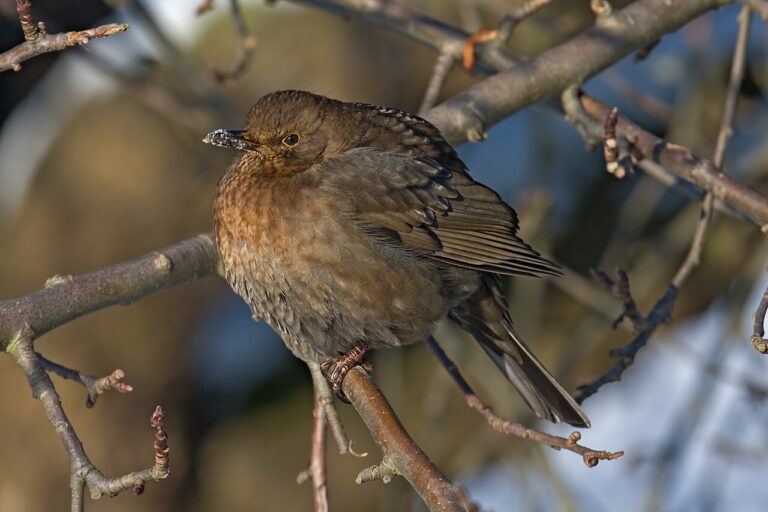
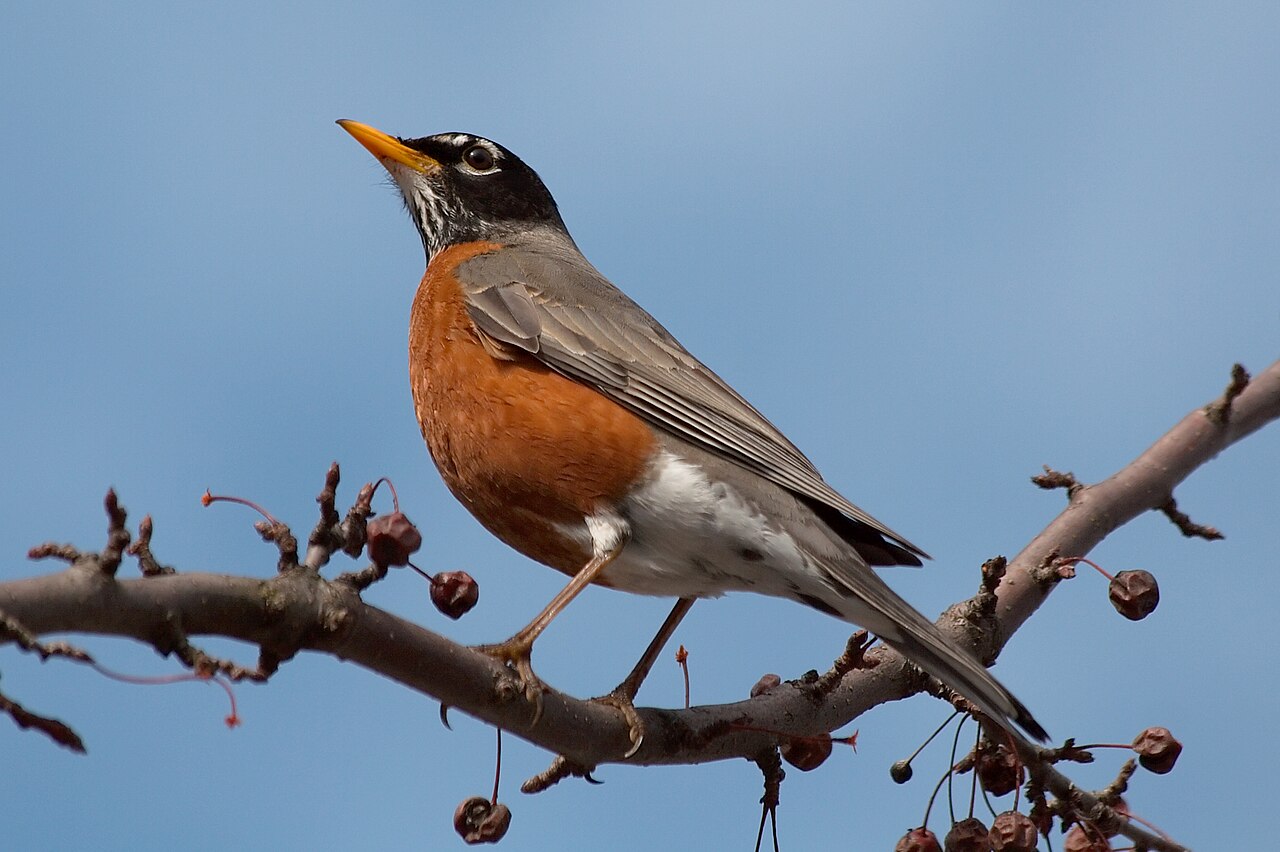
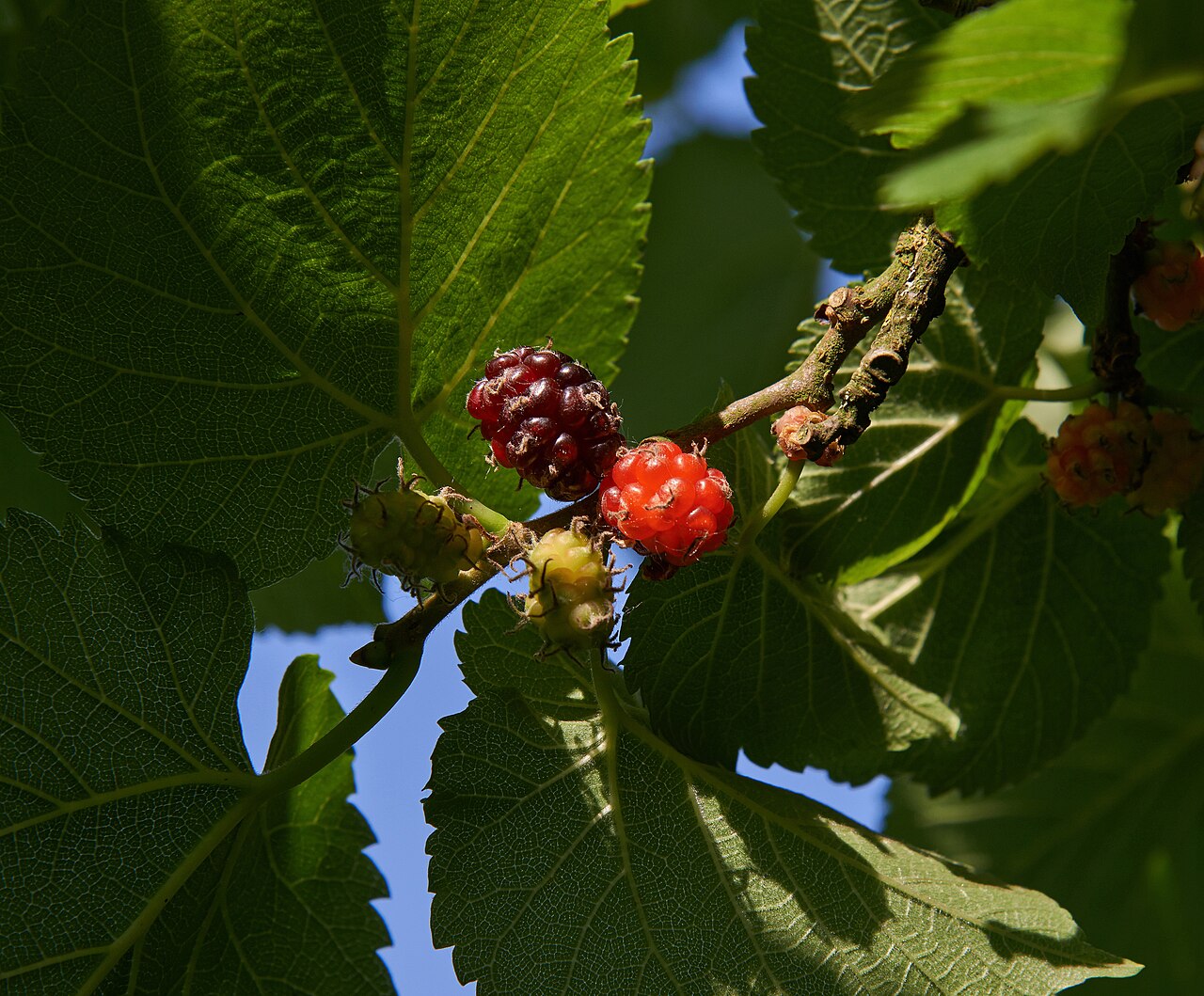
Black bird poop is the work of a berry eater. An American robin (Turdus migratorius), a European starling (Sturnus vulgaris) or a cedar waxwing (Bombycilla cedrorum) that has gorged on mulberries, elderberries or pokeweed leaves dark purple to black splats on cars and decks, and the color comes straight from the fruit. The splats peak in summer and fall, when those berries ripen across the US.
Black bird poop comes from birds eating dark berries such as mulberries and elderberries. The pigment is harmless. The real risk is dust from old, dried droppings, which can carry the bacteria behind psittacosis; histoplasmosis comes from soil under large, long-standing piles, not a fresh splat. Wet droppings before cleaning and wash your hands afterward.
What Black Bird Poop Looks Like
Black bird poop looks like a normal dropping in a darker shade. Every bird dropping has two parts, a dark fecal center and a white cap. The white part is uric acid, the bird version of urine. Birds pass it as a paste together with the feces through a single opening, the cloaca, so both land at the same time.
The berry version is wet and purple-black, and it spreads wider than the tidy dropping of a seed eater. Look closely and you find seeds or berry skins in the splat. Once it dries, it forms a dark crust that stains wood and concrete. The white cap stays visible at the edge, even when the juice tints it lilac.
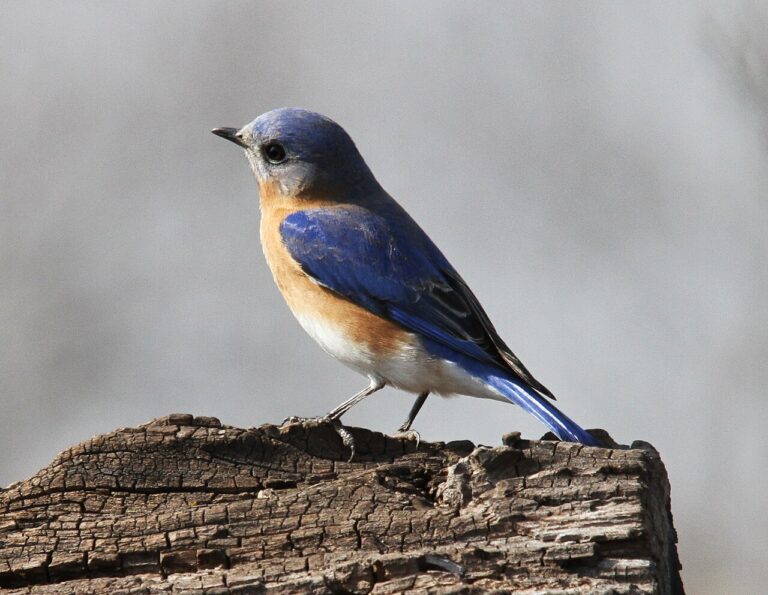
Feather color plays no part. The many types of black birds leave ordinary white and brown droppings when they eat insects and seeds. Diet sets the color, so a common grackle (Quiscalus quiscula) on a diet of beetles leaves a pale dropping, and a brown waxwing fresh from a mulberry tree leaves a black one.
Why Bird Poop Turns Black, Purple or Red
Bird poop turns black, purple or red because berry pigments pass through the gut and dye the droppings. Birds that swallow fruit whole digest the pulp fast and push the skins, seeds and much of the color out the other end. Red fruit such as holly or dogwood berries gives them a red tint.
Dark green to black droppings without seeds or berry skins come from bile, not fruit. A bird with an empty gut passes little more than bile and urates. In a pet bird with no dark food in the dish, black, tarry droppings point to bleeding in the upper gut and need an avian vet the same day.
| Berry plant | Fruit color | Typical season | Birds that eat it |
|---|---|---|---|
| Mulberry (Morus spp.) | Purple-black | Early summer | Robins, starlings, grackles, catbirds |
| Elderberry (Sambucus canadensis) | Dark purple | Late summer | Robins, catbirds, mockingbirds |
| Pokeweed (Phytolacca americana) | Purple-black | Late summer to fall | Mockingbirds, catbirds, robins |
| Black cherry (Prunus serotina) | Black | Late summer | Robins, waxwings, starlings |
| Wild grape (Vitis spp.) | Blue-black | Fall | Starlings, mockingbirds, catbirds |
| Privet (Ligustrum spp.) | Blue-black | Fall to winter | Waxwings, starlings, robins |
| Virginia creeper (Parthenocissus quinquefolia) | Blue-black | Fall | Robins, mockingbirds, starlings |
Fruit ripens earlier in the South than in the North, so the purple season starts sooner in Georgia than in Michigan. Ornamental privet holds its berries into winter and keeps the splats coming after the native crop is gone. Purple birds such as the purple martin are no clue here, because they eat flying insects and leave white and brown droppings.
Which Birds Leave Black Droppings
The birds behind black droppings are the fruit eaters. American robins top the list in yards, and their splats pile up with seeds under fruiting trees and on cars parked beneath them. Cedar waxwings travel in flocks that strip a berry bush bare, so their droppings appear in clusters rather than one at a time.
Black birds such as the European starling and the common grackle leave dark splats across parking lots in mulberry season. Both feed in groups and perch on light poles and wires, so the mess concentrates below. Northern mockingbirds (Mimus polyglottos) and gray catbirds (Dumetella carolinensis) work alone. Expect single splats near the hedges and shrubs where they forage.
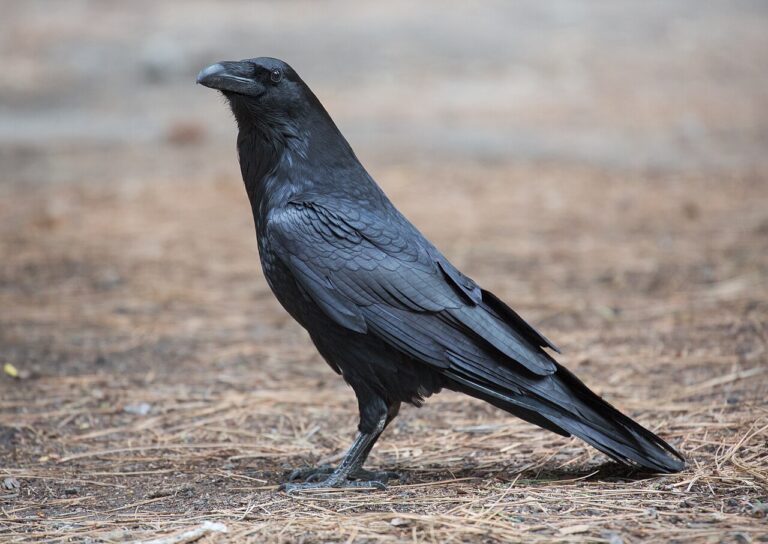
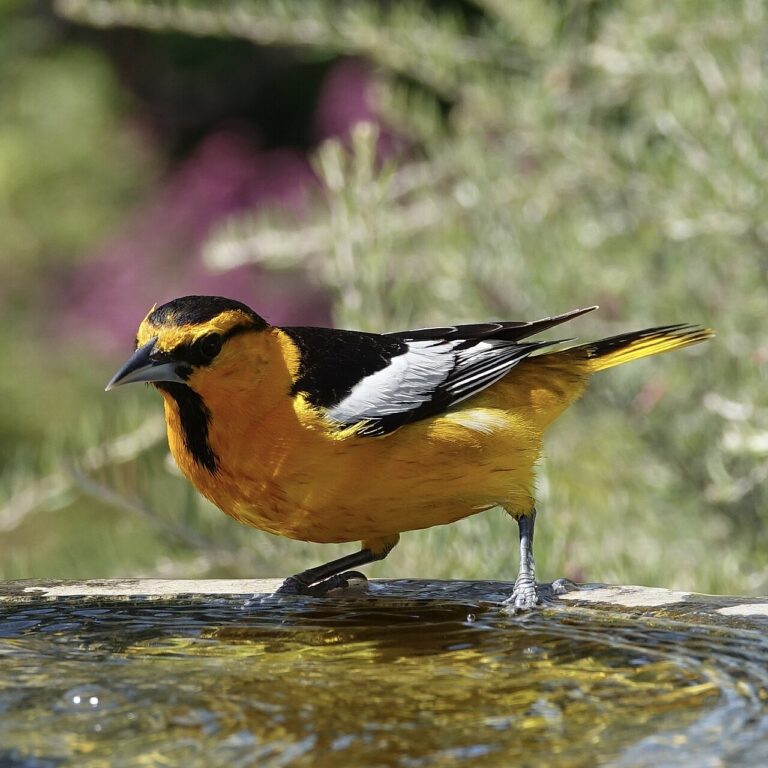
American crows (Corvus brachyrhynchos) leave larger dark splats than robins or starlings when they feed on fruit and berries. Black and white birds such as the black-billed magpie (Pica hudsonia) do the same in the West. A large purple splash under a fruit tree points to one of these corvids rather than a robin or a starling.
How to Tell Which Bird Left a Dark Splat
Bird poop identification starts with size, because the size of the splat tracks the size of the bird. Small coin-sized splats come from small seed and insect eaters such as the house sparrow (Passer domesticus) and the American goldfinch (Spinus tristis), so their droppings stay white and brown outside berry season.
Medium splats with visible seeds mean robins, starlings or grackles. That size class matches the main berry eaters, and the seeds give the diet away. A cluster of medium splats in one spot points to a flock. A single splat on a windshield points to a lone bird passing over.
A big black bird such as a crow leaves a large splash, and gulls and the great blue heron (Ardea herodias) leave larger and more liquid ones near water. Firm cylindrical pellets on a lawn are not the splat of a perching bird at all. They come from Canada geese (Branta canadensis), which graze on grass and drop their waste as they walk.
Lookalikes: What Else Leaves Dark Droppings
Several things on a deck or a leaf look like black bird poop and are not. The best impostor is alive. The caterpillar of the giant swallowtail (Papilio cresphontes) wears a brown and white pattern that mimics a fresh dropping, and it rests on citrus leaves in plain view because predators pass it over.

Bat droppings are dark and pile up under roof edges and shutters. Press one with a stick and it crumbles to dust full of shiny insect bits, and it never has a white cap. Lizard and gecko droppings are firm dark pellets with a white tip. The tip is the same uric acid a bird produces, packed into a neat end instead of a splat.
Rodent droppings are dark pellets laid in rows along walls and in cupboards, without any white cap. Bat droppings need the same care as bird droppings. Histoplasma can grow in material with large amounts of bat or bird droppings, and bats can excrete the fungus, so a pile in an attic gets the same wet cleanup.
Is Black Bird Poop Dangerous?
Black bird poop is no more dangerous than white bird poop. The berry pigment adds no risk of its own. The germs are the issue, and any dropping from any bird can carry them.
The main route into the body is the air. The CDC names breathing in dust from dried bird droppings as the most common way people catch psittacosis, and histoplasmosis spreads through inhaled fungal spores. A fresh, wet splat on a car hood releases no dust. Old, dry piles that crumble when touched are the real hazard.
A bird that looks healthy is no proof of clean droppings. Both sick birds and birds without signs of illness shed the psittacosis bacteria in their droppings and respiratory secretions. Severe histoplasmosis hits mostly people with weakened immune systems and adults over 55, so they should leave old piles to someone else.
Illnesses Linked to Bird Droppings
Three illnesses matter for people who clean up after birds: histoplasmosis, psittacosis and bird flu. Histoplasmosis comes from Histoplasma, a fungus that grows in soil enriched with bird or bat droppings, mainly in the central and eastern US. The CDC says fresh bird droppings on sidewalks and windowsills likely pose no histoplasmosis risk.

Histoplasma spores leave most people who breathe them in without illness. Those who do get sick develop fever, cough and fatigue 3 to 17 days later.
Psittacosis Symptoms and Treatment
Psittacosis, a bacterial infection caught mostly from the dust of dried droppings, starts with fever, chills, headache and a dry cough. Treated in time, it rarely turns deadly. With antibiotic treatment, fewer than 1 in 100 cases end in death.
Bird Flu and Bird Droppings
Bird flu reaches people through contact with feces or saliva from infected birds. Avian influenza A viruses circulate mainly in wild waterbirds such as ducks and geese, so droppings on docks, lakeshore paths and boats deserve the most care.
How to Clean Up Bird Droppings Safely
Clean up bird droppings wet, never dry. Spray dried droppings with water first so no dust rises when you move them. Soaked droppings lift off as a paste instead of a powder, and paste stays out of your lungs. Give the water a few minutes to soak in before you start.
Wear disposable gloves and use a cloth or paper towels you can throw away. Bag the waste and the cloth together and put them in the trash. Never dry-sweep or leaf-blow a large pile of droppings. Both turn the pile into exactly the dust you want to avoid.
When to Hire a Professional for Bird Droppings
Hire a professional for large accumulations in an attic, a barn or under a long-used roost. Those jobs call for protective gear and methods beyond a bucket and a spray bottle. Wash your hands with soap and water afterward, even after wearing gloves. Gloves tear, and hands touch faces before anyone notices.
How to Get Black Bird Poop Off Your Car
Get black bird poop off your car by soaking it and lifting it, not by scrubbing. Uric acid eats into clear coat, and a hot, sunny day bakes the dropping onto the paint and speeds the damage. A splat that sits on a dark hood through a July afternoon does more harm than one wiped off at the next stop.

Lay a wet microfiber cloth over the dropping for a few minutes. The water softens the crust and loosens the seeds and berry skins. Then lift the cloth straight up and fold the mess inside it. Never rub, because grit and seeds in the dropping act like sandpaper and leave fine scratches.
Berry pigment stains more than paint. Light plastic trim and rubber window seals soak up purple juice, so clean them first. A coat of wax or sealant puts a layer between the dropping and the clear coat and lets the next splat come off with less effort.
Vinegar, Hydrogen Peroxide and Homemade Bird Poop Removers
The best cleaner for most surfaces is warm water with a few drops of dish soap, because it lifts the dropping without harming paint, wood or stone. White vinegar does get rid of bird poop on hard surfaces. Mix it with an equal amount of water, spray fresh droppings on a deck, railing or plastic chair, and wipe after a short soak. Skip vinegar on marble and limestone. The acid etches natural stone and leaves dull spots.
Hydrogen peroxide lifts purple berry stains from concrete and light fabric. It works as a mild bleach, so spot test colored fabric and dark stone before you treat them. For crusted spots, keep a paste of baking soda and water.
Never mix vinegar and hydrogen peroxide in one bottle. The combination forms peracetic acid, which irritates skin and lungs. Use one cleaner, rinse, and switch to the other only if the stain stays. Test every cleaner on a hidden spot before you treat a whole surface.
What Black Droppings Reveal About Roosts and Perches
A pile of black droppings in one spot marks a perch or roost directly above it. Birds often drop a dropping just before they take off, though not every time, so the ground under a favorite branch, wire or gutter collects splat after splat. Look up from the mess and you find the daily seat of the bird.
European starlings, grackles and crows gather in large winter roosts, and the droppings under those trees build into thick layers. Berry shrubs next to a patio draw robins and waxwings to the same spot every day the fruit lasts.
Histoplasma grows in soil under old roosts, where bird or bat droppings have built up over time and feed fungus that is already in the soil. Disturbing that soil or the pile can release spores into the air. Trimming a favorite perch branch or moving a berry shrub away from the patio moves the next pile with it.
Frequently Asked Questions
How often do birds poop?
Many times an hour is typical for small birds while they are awake and feeding, because food moves through their short gut fast and nothing is stored for long. Carrying less weight makes flight cheaper. Berry eaters pass fruit fastest, so a robin in a mulberry tree leaves a trail of purple splats behind it in a single morning.
Why do birds keep pooping on my black car?
The parking spot decides, because birds do not aim at black paint. A car under wires or trees sits below a perch, and every bird resting there adds to the mess. Dark paint just shows the white caps and purple splats more clearly than silver or white paint does.
Does Dawn remove poop stains?
Yes, mild dish soap such as Dawn lifts fresh berry stains from fabric. Blot the stain, work in a drop of soap with cold water, and rinse cold. Hot water sets the purple pigment into the fibers. Treat the stain before it dries, and repeat before the item goes in the dryer.
How soon do psittacosis symptoms appear after exposure?
5 to 14 days after exposure is the usual window for psittacosis symptoms. That delay makes the link easy to miss. If you fall ill in the two weeks after cleaning up dried droppings or a bird cage, tell your doctor about the exposure, because it changes which tests and treatment make sense.
Can bird flu spread from person to person?
No person-to-person spread of bird flu has been identified in the United States. In the US, the risk sits with infected birds and their droppings. The CDC reports very rare, limited person-to-person spread in other countries. For ordinary yard droppings, gloves, water and hand washing are enough. Do not handle sick or dead wild birds; report them to your state wildlife agency.
Does WD-40 get rid of bird poop?
Yes, WD-40 softens a dried dropping on car paint or a plastic chair so it wipes off. It also leaves an oily film and strips wax, so wash the spot with car shampoo afterward and rewax it. Keep it off fabric and porous stone, which soak up the oil.
Sources
- CDC, Histoplasmosis
- CDC NIOSH, Histoplasmosis and the Environment
- CDC, About Psittacosis
- CDC, Bird Flu Virus Transmission
- CDC, Healthy Pets, Birds
Explore more: Animal Poop Identification: A Field Guide by Species