Types of Blackbirds: A Complete Guide
Several types of black birds are common in North America, including the American crow, common raven, common grackle, red-winged blackbird, brown-headed cowbird, and European starling. These dark birds range from the large crows and ravens to the glossy grackles and true blackbirds. This guide covers the main types of black birds, common species you can see, how to tell them apart, where they live, and which are true blackbirds.
| Black Bird | Key Features |
|---|---|
| American Crow | Large, all black, cawing call |
| Common Raven | Largest, wedge tail, croak |
| Common Grackle | Glossy, long tail, pale eye |
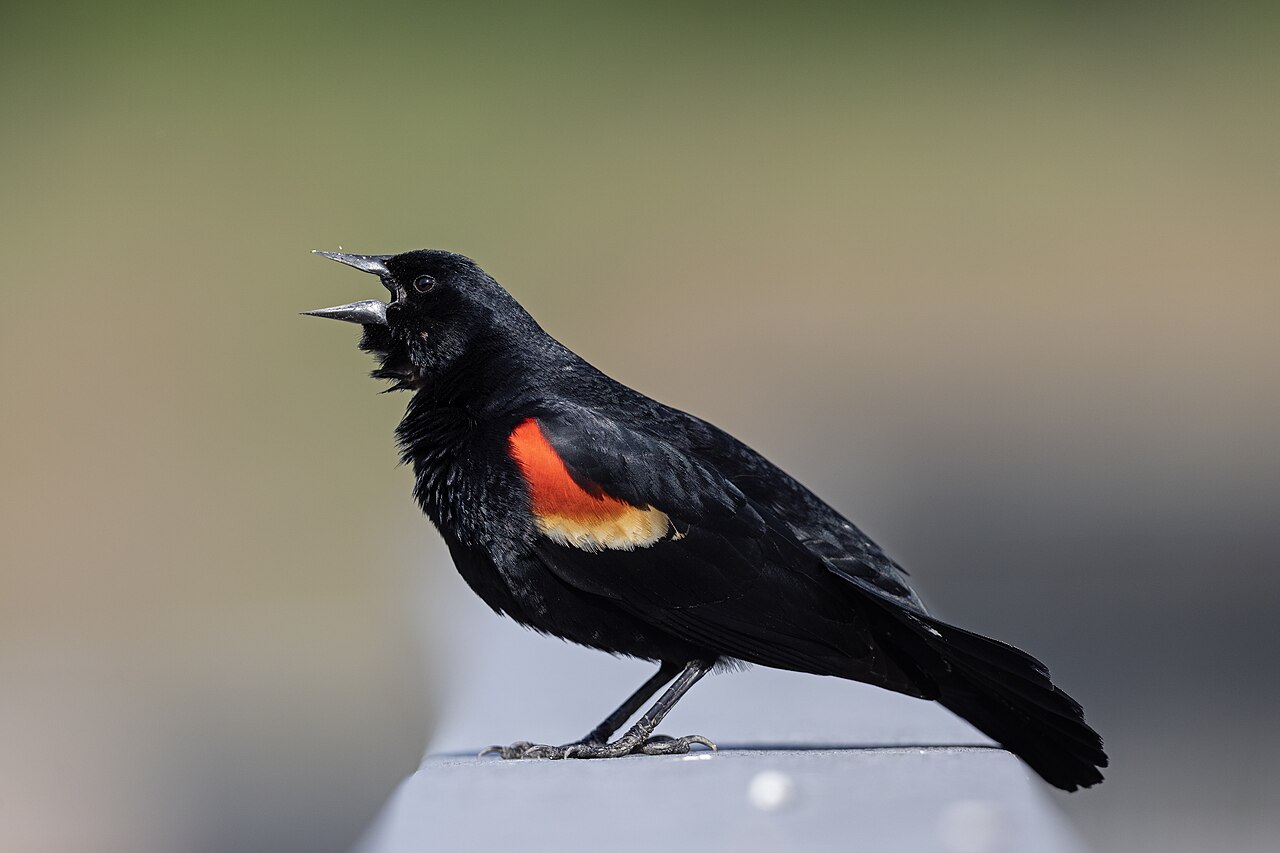
| Red-winged Blackbird | Black with red shoulders |
| Brown-headed Cowbird | Black body, brown head |
| European Starling | Speckled, short tail, glossy |
| Brewer’s Blackbird | Glossy, pale eye, western |
| Boat-tailed Grackle | Very long tail, coastal |
The Main Types of Black Birds
There are many black or dark-colored birds in North America, spanning several groups. The largest are the members of the crow family, including the American crow, the fish crow, and the common raven, which are entirely black and highly intelligent. Then there are the grackles, such as the common grackle and the boat-tailed and great-tailed grackles, which are glossy and iridescent with long tails and pale eyes. The true blackbirds include the red-winged blackbird, the brown-headed cowbird, Brewer’s blackbird, and the rusty blackbird, all part of the blackbird family. The European starling, though not a native blackbird, is a common dark bird with a speckled, glossy look. Together these make up the birds most people think of as black birds, ranging widely in size, shape, and behavior. Learning to sort them out is a rewarding challenge, starting with the familiar birds in our guide to crow symbolism.
Common Types of Black Birds
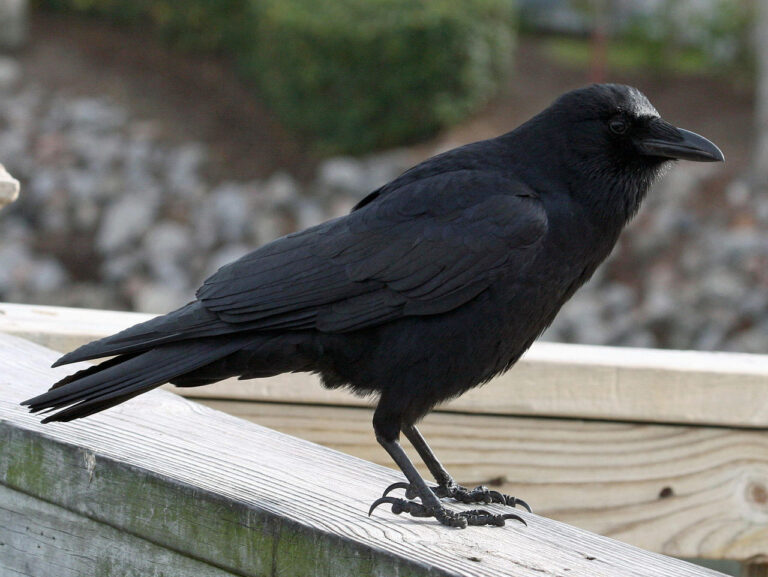
Several types of black birds are especially common and worth knowing. The American crow is a large, all-black bird with a familiar cawing call, found nearly everywhere. The common raven is even larger, with a heavier bill, a wedge-shaped tail, and a deep croaking voice, as covered in our guide to raven symbolism. The common grackle is a glossy blackbird with iridescent blue and bronze tones, a long keel-shaped tail, and a pale yellow eye, as explored in our guide to the female grackle. The red-winged blackbird is a familiar marsh bird, the male black with bright red-and-yellow shoulder patches, as covered in our guide to the female red-winged blackbird. The brown-headed cowbird male has a black body and a brown head, and the European starling is a stocky, speckled, glossy bird that gathers in large flocks. Brewer’s blackbird and the rusty blackbird round out the group. Each has its own look, but all are dark birds.
How to Tell Black Birds Apart
Telling black birds apart is easier when you focus on size, shape, and distinctive markings. Start with size, since crows and ravens are large, grackles are medium-large with long tails, and blackbirds, cowbirds, and starlings are smaller. Look at the tail, as grackles have long, keel-shaped tails, ravens have wedge-shaped tails, and starlings have short tails. Check for markings and eye color, such as the red-winged blackbird’s red shoulder patches, the cowbird’s brown head, the grackle’s pale yellow eye, and the starling’s speckling and yellow bill in breeding season. Note the bird’s gloss and iridescence, since grackles and starlings are notably shiny. Behavior and voice help too, from the crow’s caw to the raven’s croak and the red-winged blackbird’s marsh song. By combining size, tail shape, markings, eye color, and behavior, you can identify most black birds, a satisfying skill for these common birds, as explored in our guide to birds that look like crows.
Where Black Birds Live
Black birds live in a wide range of habitats across North America, and many are highly adaptable. Crows and ravens are found in forests, farmland, towns, and cities, with crows especially common around people and ravens often in wilder country as well as some urban areas. Grackles favor open areas, fields, lawns, marsh edges, and suburbs, often gathering in large, noisy flocks. Red-winged blackbirds are tied to marshes and wetlands in the breeding season but spread into fields and feedlots in winter, while brown-headed cowbirds inhabit open and edge habitats, famously laying their eggs in other birds’ nests. European starlings thrive around towns, farms, and cities, forming enormous flocks. Many black birds are social and gather in large mixed flocks outside the breeding season, sometimes numbering in the thousands, especially in fall and winter. Because so many are common and adaptable, black birds are among the most frequently seen birds, often visiting feeders and open areas, as detailed in our guide to the female red-winged blackbird.
Which Are True Blackbirds?
An interesting point about black birds is that not all of them are true blackbirds, and some true blackbirds are not even black. The true blackbirds belong to a family that, in the Americas, includes the red-winged blackbird, the cowbirds, Brewer’s blackbird, the rusty blackbird, and the grackles, along with some birds that are not black at all, such as the orioles and the meadowlarks, which are colorful members of the same family. Meanwhile, crows and ravens belong to a different family, the corvids, and the European starling belongs to yet another family originally from Europe, so despite being dark birds, they are not true blackbirds. This means the label black bird is about color rather than family, grouping together unrelated birds that happen to be dark. Recognizing which birds are true blackbirds, and that the family also includes bright orioles, adds depth to understanding these birds, as explored in our guide to the female grackle.
The Surprising Blackbird Family
One of the most interesting facts about black birds is that the true blackbird family is far more colorful than its name suggests. According to the Cornell Lab of Ornithology, the blackbird family in the Americas includes not only dark birds like grackles, cowbirds, and red-winged blackbirds but also brightly colored orioles and meadowlarks. This means that the brilliant orange Baltimore oriole and the yellow-breasted meadowlark are close relatives of the glossy grackle and the red-winged blackbird, all belonging to the same family. Meanwhile, the all-black crows and ravens belong to a completely different family, the corvids, and the dark European starling comes from yet another family. So the everyday label black bird groups together birds by color rather than by relationship, mixing unrelated families. Recognizing that the true blackbird family spans both somber and brilliant birds adds a fascinating dimension to understanding these species, as explored in our guide to the female red-winged blackbird.
Blackbird Flocks and Winter Gatherings
One of the most striking aspects of many black birds is their tendency to gather in enormous flocks, especially outside the breeding season. In fall and winter, grackles, red-winged blackbirds, cowbirds, and European starlings often come together in huge mixed flocks that can number in the thousands or even millions, creating one of nature’s most impressive spectacles. These massive flocks may swirl through the sky in coordinated, shifting clouds, a phenomenon especially famous with starlings, whose flowing formations are called murmurations. The birds gather for safety in numbers and to share information about food, roosting together at night in dense concentrations before dispersing to feed by day. While these flocks can sometimes be a nuisance around agriculture, they are a remarkable display of collective behavior. Watching a great flock of black birds wheel across an evening sky is an unforgettable sight, showcasing the social nature of these common and adaptable birds, as explored in our guide to the female grackle.
Frequently Asked Questions
What are the different types of black birds?
Common black birds include the American crow, common raven, common grackle, red-winged blackbird, brown-headed cowbird, European starling, and Brewer’s blackbird.
What is the difference between a crow and a grackle?
A crow is larger and all black with a fan-shaped tail, while a grackle is slimmer and glossy with a long keel-shaped tail and a pale yellow eye.
What black bird has red on its wings?
The red-winged blackbird is a black bird with bright red-and-yellow shoulder patches on the male. It is a familiar bird of marshes and wetlands.
Are crows and ravens blackbirds?
No, crows and ravens belong to the corvid family, not the true blackbird family. Despite being black, they are not true blackbirds, which include red-winged blackbirds and grackles.
Are all blackbirds black?
No, the true blackbird family also includes colorful birds like orioles and meadowlarks, which are not black at all, since the family is defined by relationship, not color.
What is the largest black bird?
The common raven is the largest all-black bird in North America, even bigger than the American crow, with a heavier bill and a wedge-shaped tail.
Where do black birds live?
Black birds live in forests, farmland, marshes, fields, towns, and cities across North America. Many are highly adaptable and gather in large flocks in winter.