Types of Red Birds: A Complete Guide
Several types of red birds live in North America, most famously the northern cardinal, along with the scarlet tanager, summer tanager, vermilion flycatcher, and house finch. Bright red is a striking but relatively uncommon color among birds, which makes these red species especially eye-catching. This guide covers the main types of red birds, common species you can see, how to tell them apart, where they live, and why some birds are red.
| Red Bird | Key Features |
|---|---|
| Northern Cardinal | Red, crest, black mask |
| Scarlet Tanager | Red body, black wings |
| Summer Tanager | All rosy red, no black |
| Vermilion Flycatcher | Small, red and brown |
| House Finch | Reddish head and chest |
| Red Crossbill | Brick red, crossed bill |
| Pyrrhuloxia | Gray with red, desert |
| Red-headed Woodpecker | Full red head, black and white |
The Main Types of Red Birds
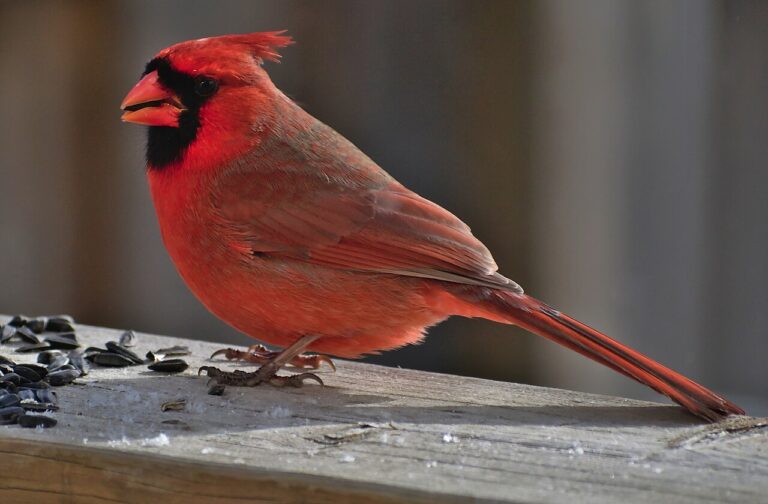
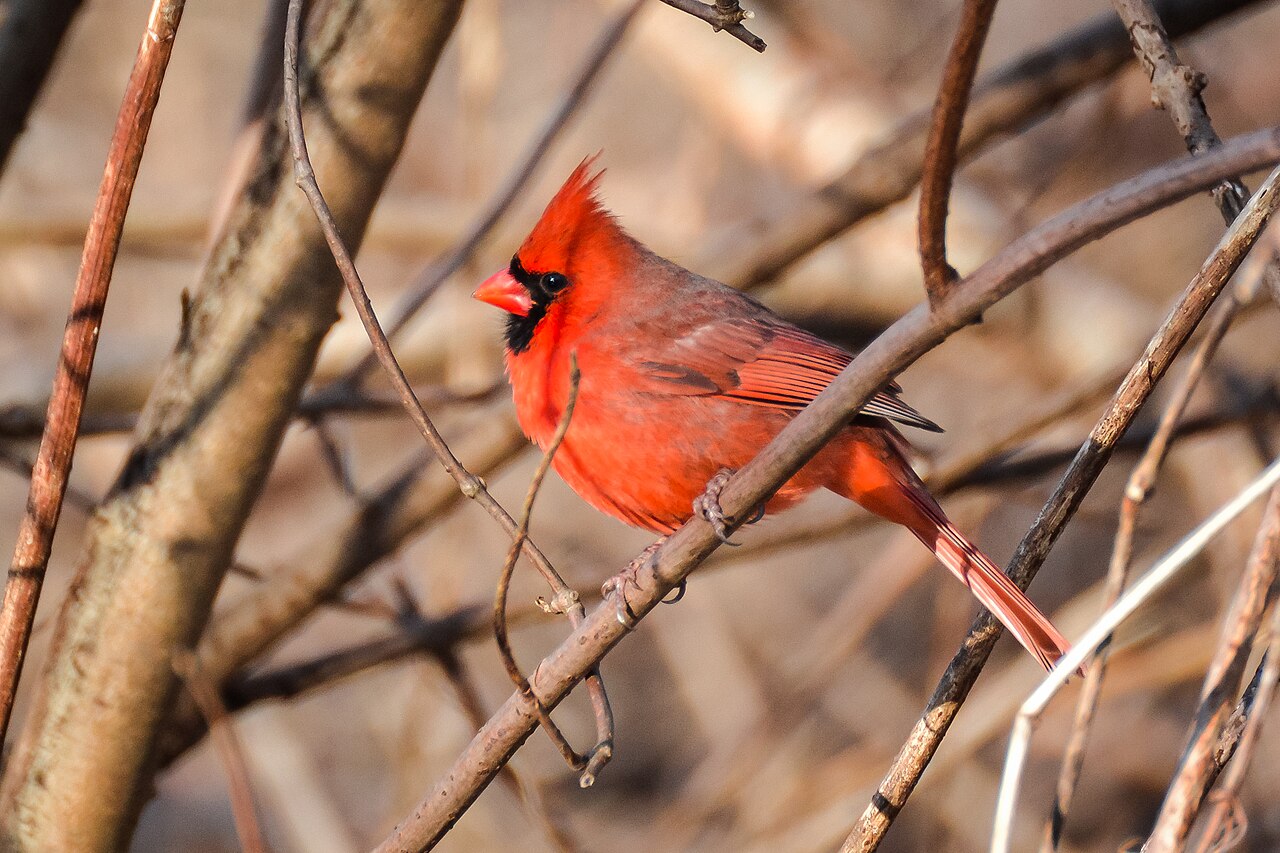
There are several red or reddish birds in North America, spanning different families. The most iconic is the northern cardinal, the brilliant red, crested bird found across much of the country. The tanagers include the scarlet tanager, whose breeding male is red with black wings, and the summer tanager, whose male is entirely rosy red. The vermilion flycatcher is a small, striking red bird of the Southwest. Among the finches, the house finch and purple finch have reddish males, and the red crossbill has brick-red males with a uniquely crossed bill. The pyrrhuloxia, or desert cardinal, is gray with red accents, and several woodpeckers show red, most dramatically the red-headed woodpecker with its entirely red head. There is even a rare yellow variant of the cardinal. Together these make up the birds people think of as red birds, ranging widely in family and habitat. Learning them starts with the beloved bird in our guide to the northern cardinal.
Common Types of Red Birds
Several types of red birds are especially notable. The northern cardinal is the most familiar, the male brilliant red with a pointed crest and black face mask, as explored in our guide to cardinal symbolism. The scarlet tanager male is glowing red with black wings and tail, while the female is olive-green, as covered in our guide to the female scarlet tanager. The summer tanager male is entirely rosy red with no black, and the female is warm yellow, as covered in our guide to the female summer tanager. The vermilion flycatcher is a small red-and-brown bird of the Southwest. The house finch has a rosy-red head and chest on the male, the red crossbill has brick-red males, and the pyrrhuloxia is gray with red accents. Woodpeckers like the red-headed and red-bellied woodpeckers also show red. Each brings its own vivid beauty to the landscape.
How to Tell Red Birds Apart
Telling red birds apart is easier when you use shape, markings, and the extent of red. Start with the cardinal’s signature features, a pointed crest and a black face mask, which no other common red bird has, so a crested red bird with a black mask is a northern cardinal. For the tanagers, note that the scarlet tanager male has black wings against its red body, while the summer tanager is entirely red with no black. The vermilion flycatcher is small with a brown back and a flycatcher shape, and reddish finches like the house finch are red only on parts of the body, in a streaky pattern, rather than fully red. The red crossbill has a distinctive crossed bill, and red-headed woodpeckers combine a red head with a boldly black-and-white body. Consider bill shape, the amount and location of red, and habitat and range. By checking for the crest and mask, the wing color, and the extent of red, you can identify most red birds, as explored in our guide to birds that look like cardinals.
Where Red Birds Live
Red birds live in a variety of habitats across North America, depending on the species. The northern cardinal is common in backyards, woodland edges, thickets, and gardens across the eastern and central United States, staying year round. The scarlet tanager favors mature eastern forests, while the summer tanager lives in open woodlands of the South and Southwest, both present only in the warmer months before migrating to the tropics. The vermilion flycatcher inhabits the arid Southwest near water, and the pyrrhuloxia lives in southwestern deserts. The house finch is widespread around towns and feeders, and the red crossbill is tied to coniferous forests. Red-headed and other woodpeckers occupy woodlands and open areas with trees. Some red birds are year-round residents, while the tanagers and others are migratory. Because several red birds, like the cardinal and house finch, readily visit feeders and gardens, they are among the most enjoyable birds to attract, adding vivid color, as detailed in our guide to the female cardinal.
Why Are Some Birds Red?
The red color in many birds comes from pigments called carotenoids, which the birds obtain from their diet, and understanding this explains a lot about red birds. Birds cannot produce these red and orange pigments themselves, so they must acquire them by eating foods rich in carotenoids, such as certain fruits, berries, and insects, and then deposit the pigments into their growing feathers. This means a bird’s diet can affect the brightness and shade of its red coloring, which is why some individuals are more vividly colored than others. Bright red plumage is often used in display, helping males attract mates and signal their quality, since a richly colored bird may be a well-fed, healthy one. In a few birds, like the male indigo bunting’s blue, color comes from feather structure instead, but red typically comes from pigment. This connection between diet and color is a fascinating aspect of red birds, adding to the appeal of species like those in our guide to types of cardinals.
The Northern Cardinal, America’s Favorite Red Bird
The northern cardinal stands out as the red bird nearly everyone recognizes. According to the Cornell Lab of Ornithology, the northern cardinal is a common and popular backyard bird across eastern and central North America, and the red color of many birds comes from carotenoid pigments in their diet. The male cardinal’s brilliant red, combined with his pointed crest and black face mask, makes him one of the most recognizable birds on the continent, and unlike migratory red birds such as the tanagers, the cardinal stays year round, brightening yards even in winter snow. Its willingness to visit feeders and live near people has made it a beloved favorite, chosen as the state bird of seven states. Because the cardinal is so familiar, it is the standard against which people compare other red birds. Understanding this iconic species provides a foundation for recognizing the whole colorful group, as explored in our guide to types of cardinals.
The Special Appeal of Red Birds
Red birds hold a special place in the human imagination, and it is worth reflecting on why they captivate us so much. Because bright red is a striking but relatively uncommon color in the bird world, red birds stand out vividly against green foliage, brown branches, or white snow, making them especially eye-catching and memorable. The northern cardinal in particular has become a beloved symbol, appearing on holiday cards and decorations, and for many people its red form against winter snow is an iconic and cheering image. Red birds are often associated with vitality, warmth, and even spiritual meaning in various traditions, and spotting a flash of red can bring a moment of delight. This strong appeal is part of why people are so eager to identify and learn about red birds, and why species like the cardinal are among the most cherished of all. Appreciating both their beauty and their meaning enriches the experience of seeing them, as explored in our guide to cardinal symbolism.
Related reading: types of orange birds.
Frequently Asked Questions
What are the different types of red birds?
Common red birds include the northern cardinal, scarlet tanager, summer tanager, vermilion flycatcher, house finch, red crossbill, pyrrhuloxia, and red-headed woodpecker.
What is the most common red bird?
The northern cardinal is by far the most common and familiar red bird, the brilliant red, crested bird with a black face mask found across the eastern United States.
What red bird is not a cardinal?
Many red birds are not cardinals, including the scarlet and summer tanagers, the vermilion flycatcher, and reddish finches. Cardinals have a crest and black face mask.
How do you tell red birds apart?
Check for the cardinal’s crest and black mask, the scarlet tanager’s black wings, the summer tanager’s all-red body, and whether reddish finches are only partly red.
Why are some birds red?
Red color usually comes from carotenoid pigments in the birds’ diet, which they deposit in their feathers. Diet can affect how bright a bird’s red coloring appears.
What bird has an entirely red head?
The red-headed woodpecker has an entirely red head with a boldly black-and-white body. The male summer tanager is entirely red over the whole body.
Where do red birds live?
Red birds live in backyards, forests, deserts, and woodlands across North America. Cardinals and house finches are common at feeders, while tanagers favor forests.