Owl Tattoo Meaning: Wisdom, Death, and Cultural Traditions
The owl tattoo carries one of the most genuinely wide-ranging and culturally variable meanings of any animal-based tattoo design, spanning wisdom and knowledge in ancient Greek tradition, death and ill omen in various European folk traditions, and protective spiritual guidance in numerous Native American traditions, a symbolic range so broad that understanding an owl tattoo’s specific meaning genuinely depends heavily on which particular cultural tradition or personal interpretation a wearer specifically intends to invoke rather than any single universal reading applying consistently across all contexts.
This genuine cultural variability, rooted partly in the owl’s real biological traits, including its nocturnal habits, exceptional night vision, and silent flight, gives the owl tattoo considerably more interpretive flexibility than many other animal designs, allowing wearers to draw on whichever specific symbolic tradition resonates most with their own personal reasons for choosing this genuinely striking bird. This guide covers the owl’s core wisdom symbolism, the darker death and omen associations found in various traditions, Native American and other Indigenous perspectives, specific species-based meanings, and placement considerations for anyone considering this richly layered design.
| Tradition | Core Meaning |
|---|---|
| Ancient Greek | Wisdom, knowledge, associated with Athena |
| European folk tradition | Death, ill omen, association with night |
| Native American traditions | Varies by tribe: guidance, protection, or warning |
| Modern general symbolism | Intuition, seeing through darkness/deception |
| Snowy owl specifically | Purity, clarity, cold resilience |
| Barn owl specifically | Mystery, the unseen, ghostly association |
The Wisdom Tradition: Ancient Greek Roots
The owl’s most widely recognized symbolic association in Western culture is wisdom and knowledge, a tradition tracing directly back to ancient Greek mythology, where the owl served as the sacred companion and symbol of Athena, goddess of wisdom, strategic warfare, and knowledge, an association strong enough that owl imagery appeared prominently on ancient Athenian coins and remains embedded in Western cultural consciousness even today.
This wisdom association likely draws partly on genuine owl biology, since these birds possess remarkably keen night vision and hearing, allowing them to perceive and navigate their environment effectively even in conditions where most other animals, humans included, would be functionally blind, a biological reality that ancient observers likely interpreted symbolically as the owl possessing a kind of special insight or perception unavailable to other creatures.
This wisdom symbolism remains genuinely dominant in modern Western tattoo culture specifically, with owl tattoos frequently chosen to represent intelligence, careful judgment, and the kind of deeper insight that comes from seeing beyond surface appearances, making this ancient Greek-rooted interpretation likely the most common single meaning contemporary wearers intend when choosing an owl design, even without necessarily being consciously aware of its specific mythological origins.
Death and Ill Omen: The Darker European Tradition
In stark contrast to the wisdom symbolism covered above, numerous European folk traditions historically associated owls with death, ill omen, and bad luck specifically, with an owl’s hoot near a house sometimes interpreted as foretelling an impending death, and owls more broadly associated with witches, dark magic, and the supernatural within various regional European folklore traditions spanning many centuries.
This darker association likely draws on the owl’s genuinely unsettling nocturnal presence, silent flight capability, and eerie calls, traits that, combined with the general historical association between darkness and danger or the unknown, made owls a natural symbol for death and misfortune within cultures where nighttime itself carried considerable inherent fear and uncertainty before modern lighting and understanding of nocturnal wildlife reduced this general cultural unease.
Understanding this darker traditional association matters for anyone specifically researching owl tattoo meaning, since some wearers deliberately choose owl designs precisely to acknowledge or reclaim this shadow-associated symbolism, representing themes of mortality accepted, transformation through darkness, or simply an appreciation for the owl’s genuinely more complex and less purely positive symbolic history than the wisdom association alone might suggest.
Native American and Indigenous Traditions
Many Native American and Indigenous traditions hold genuinely significant and varied owl symbolism, with specific meanings differing considerably across different tribal nations rather than representing any single unified interpretation, ranging from owls serving as protective spiritual guides and messengers in some traditions to warnings of danger or even death omens in others, reflecting genuine cultural diversity across the hundreds of distinct Indigenous nations that maintain their own specific relationships with owl symbolism.
This variability makes it genuinely important for wearers specifically wanting to honor a particular Indigenous tradition’s owl symbolism to research that specific culture’s actual beliefs and associated protocols around using such imagery respectfully, rather than assuming any single generic “Native American owl meaning” applies uniformly across the many distinct tribal traditions that actually exist, each with their own specific and sometimes quite different relationship to this particular bird.
Some traditions specifically associate owls with the ability to see and navigate between the physical and spiritual worlds, connecting to the owl’s genuine capacity to see clearly in darkness where humans cannot, a symbolic bridge-between-worlds association that adds further depth to the broader wisdom and insight themes covered earlier while carrying its own distinct cultural weight specific to the particular tradition being referenced.
The Real Biology Behind the Owl’s Wisdom Reputation
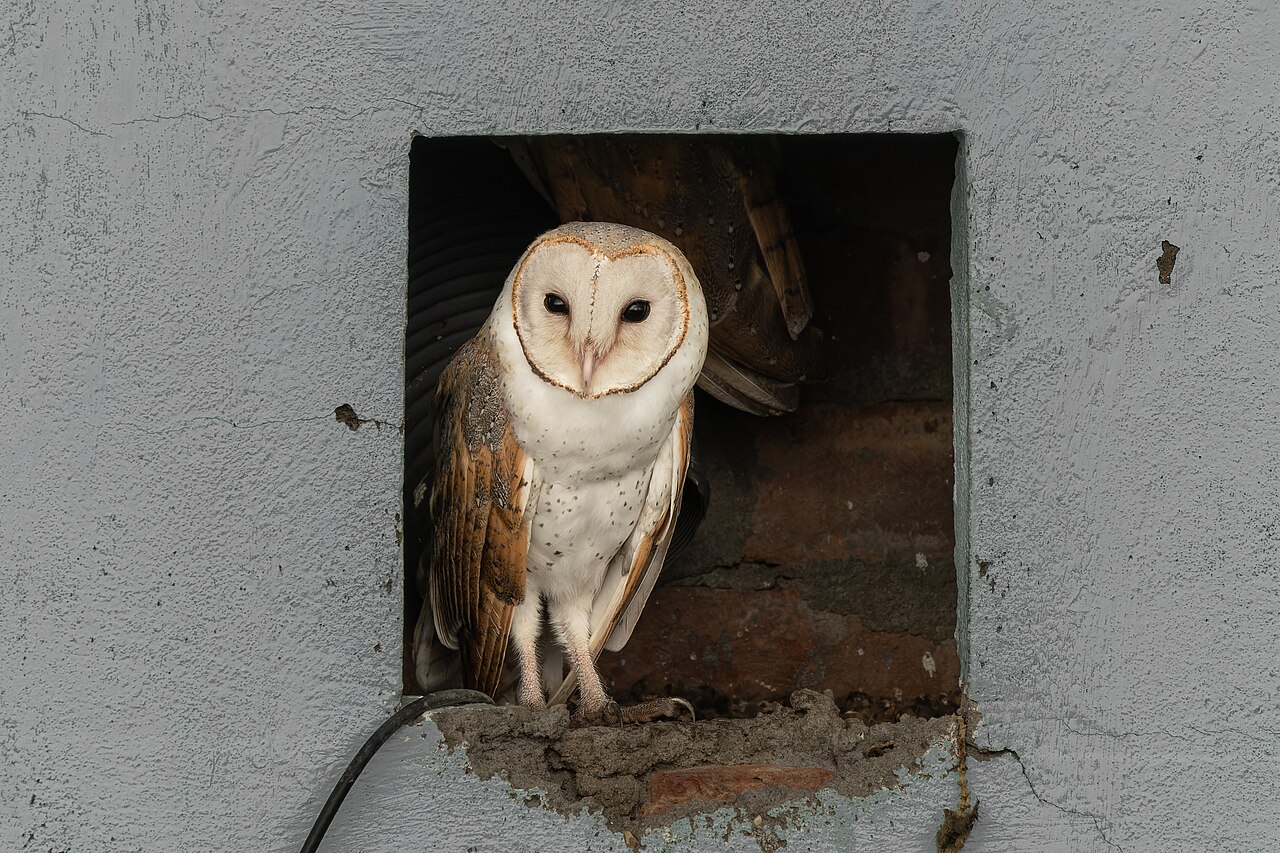
The owl’s genuine perceptual capabilities, well documented through ornithological research, ground much of its symbolic reputation in verifiable natural history rather than pure invented mythology. Research on owl hearing and vision, including data referenced by institutions like the Cornell Lab of Ornithology, confirms these birds possess extraordinarily precise directional hearing and low-light vision capabilities that genuinely exceed what most other animals, including humans, can achieve under similar nighttime conditions.
This documented sensory superiority likely explains why so many independent cultural traditions, despite otherwise differing considerably in their specific symbolic conclusions, consistently identify the owl as possessing some form of special perception or insight unavailable to other creatures, a genuine biological reality that ancient and modern observers alike have interpreted symbolically in their own culturally specific ways, whether as wisdom, omen, or spiritual guidance depending on the particular tradition.
Understanding this real biological foundation, distinct hunting adaptations covered in more detail across our broader owl identification resources including owl sounds, barn owl sounds, and great horned owl sounds guides, adds genuine depth to owl tattoo symbolism, connecting the design’s wisdom and insight themes to verifiable natural history rather than requiring purely cultural or mythological justification alone.
Species-Specific Owl Symbolism
The snowy owl, with its striking white plumage adapted for Arctic camouflage, carries symbolic associations with purity, clarity, and resilience specifically, drawing on both its distinctive coloring and its genuine ability to thrive in one of the planet’s harshest environments, making snowy owl designs particularly popular for wearers wanting to represent themes of clarity achieved through difficulty or purity maintained despite challenging circumstances.
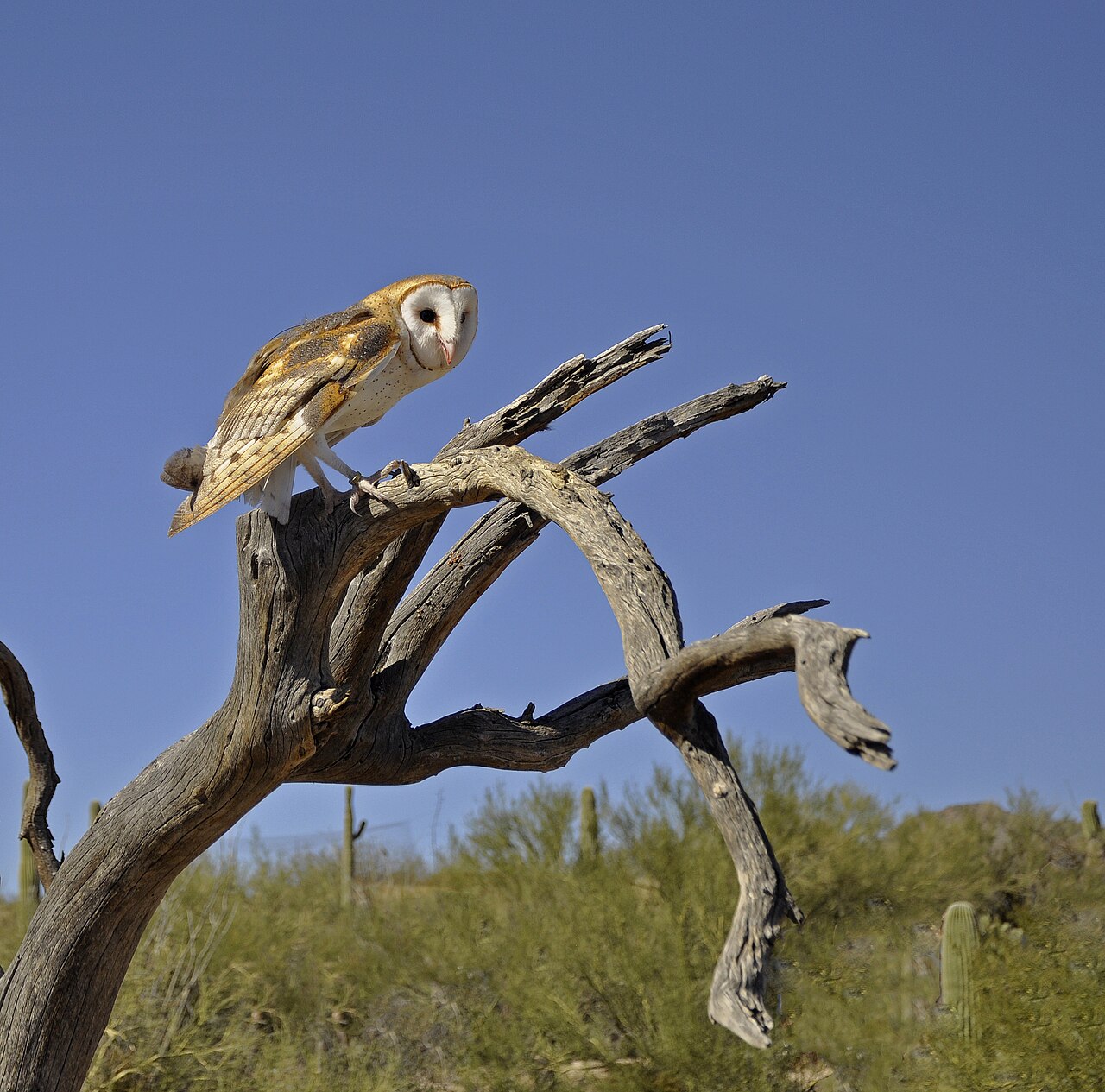
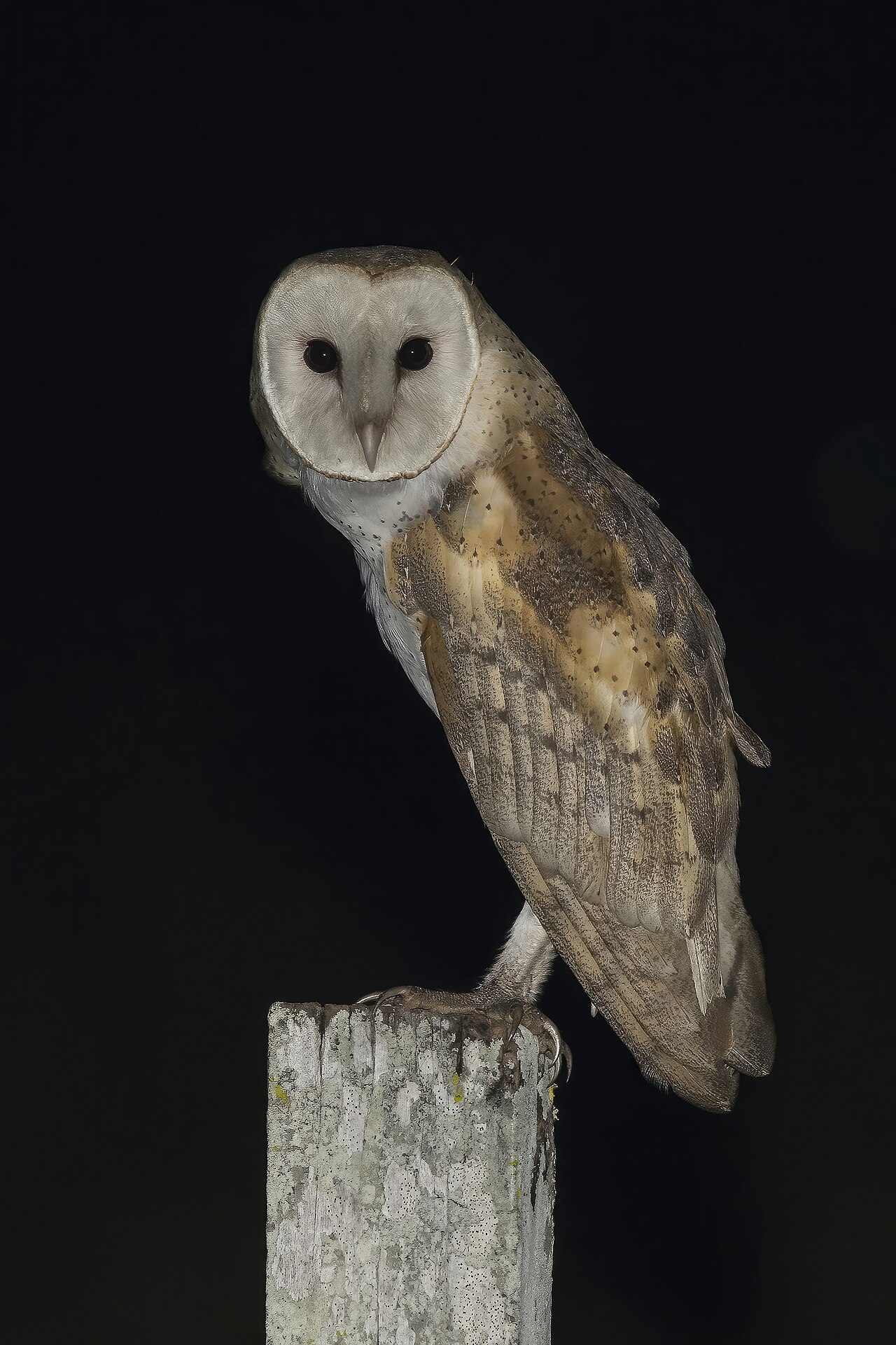
The barn owl, with its distinctive heart-shaped facial disc and genuinely ghostly, silent flight, carries particularly strong associations with mystery and the unseen, connecting to the darker European tradition covered earlier given this species’ historical association with haunted locations and its startlingly pale, almost ethereal appearance when glimpsed briefly in low light conditions.
The great horned owl, among the larger and more powerful North American owl species, sometimes carries additional symbolic emphasis on strength and formidable presence alongside the general wisdom themes running throughout owl symbolism broadly, reflecting this particular species’ genuine reputation as a powerful, successful predator within its ecosystem, adding a strength-and-power dimension some wearers specifically seek beyond wisdom alone.
Modern Interpretations: Intuition and Seeing Through Deception
Contemporary tattoo culture has developed additional owl symbolism beyond the more historically rooted traditions covered above, particularly around themes of intuition and the ability to see through deception or illusion, drawing on the owl’s genuine capacity to perceive clearly in darkness as a metaphor for perceiving truth clearly even when circumstances or other people attempt to obscure it.
This modern interpretation connects meaningfully to the broader wisdom tradition while adding a more specifically discerning quality, representing not just general knowledge or intelligence but the particular capacity to notice what others miss or to see past surface-level deception to underlying truth, a nuanced reading many contemporary wearers find genuinely resonant with their own personal experiences of developing sharper insight or intuition over time.
Some wearers specifically choose owl designs to represent this discernment theme following a personal experience of seeing through a significant deception or difficult truth, using the owl’s night-vision capability as a fitting metaphor for their own hard-won clarity achieved despite circumstances that initially obscured the actual situation, a genuinely meaningful personal application of this broader modern symbolic interpretation.
Common Design Elements and What They Add
Owls paired with moons or stars reinforce the nocturnal, night-associated symbolism running throughout owl meaning generally, creating a combined design that visually emphasizes the specific darkness-and-insight themes central to this bird’s symbolic territory, similar to moon-paired designs explored across other nature-based tattoo traditions like our snake tattoo meaning guide.
Owls combined with books or other knowledge-symbolizing imagery directly reinforce the wisdom tradition specifically, making this combination a particularly clear choice for wearers wanting to emphasize intelligence and learning themes without ambiguity, while owls depicted with wings spread in flight versus perched and still convey somewhat different emphases, active pursuit of knowledge or insight versus patient, watchful wisdom respectively.
Realistic, detailed owl designs emphasizing genuine feather pattern and species-accurate coloring appeal to wearers drawn primarily to the bird’s natural beauty and specific species identity, while more stylized, geometric, or heavily symbolic designs incorporating additional cultural elements specific to a particular tradition, Greek, Native American, or otherwise, allow wearers to more explicitly signal which specific symbolic tradition they intend their design to reference.
Placement Considerations for Owl Tattoos
Owls’ distinctive round facial disc and forward-facing eyes make them particularly well suited to placements allowing the face to be depicted prominently and clearly, with chest, shoulder, and upper arm placements commonly chosen specifically to showcase this recognizable facial feature at a scale that captures the owl’s distinctive, watchful expression effectively.
Smaller, more minimalist owl designs, sometimes just a simplified owl silhouette or stylized face, adapt readily to wrist, forearm, or ankle placements for wearers wanting a more subtle, personal reference to owl symbolism rather than a larger, more elaborate piece capturing full body detail and feather patterning, similar in scale consideration to the smaller, more discreet designs covered in our sparrow tattoo meaning guide.
Given the owl’s strong nighttime symbolic associations, some wearers specifically choose darker, more shadow-emphasizing design styles regardless of placement, using color and shading choices to reinforce the nocturnal themes covered throughout this guide, while others choose brighter, more colorful treatments specifically to emphasize the wisdom and insight themes over the darker death-and-omen associations some traditions carry.
Related reading: Hummingbird Tattoo Meaning.
Related reading: Cardinal Tattoo Meaning.
Frequently Asked Questions
What does an owl tattoo mean?
Meaning varies considerably by tradition: ancient Greek symbolism emphasizes wisdom and knowledge, various European folk traditions associate owls with death and ill omen, and different Native American traditions hold their own varied, tribe-specific meanings.
Why is the owl a symbol of wisdom?
This tradition traces to ancient Greek mythology, where the owl served as the sacred companion of Athena, goddess of wisdom, likely reflecting the bird’s genuine exceptional night vision and perceptive capability as a natural metaphor for insight.
Is an owl tattoo a bad omen?
In some European folk traditions specifically, yes, owls have historically been associated with death and misfortune, though this represents just one of several genuinely different cultural traditions rather than a universal negative meaning.
Do Native American traditions all view owls the same way?
No, meanings vary considerably across different tribal nations, ranging from protective spiritual guides to warnings of danger, making it important to research the specific tradition being referenced rather than assuming one universal meaning.
What does a snowy owl tattoo mean specifically?
Snowy owls carry associations with purity, clarity, and resilience, drawing on both their striking white coloring and genuine ability to thrive in harsh Arctic conditions.
What does an owl tattoo mean in modern interpretation?
Contemporary symbolism often emphasizes intuition and the ability to see through deception or illusion, drawing on the owl’s genuine night-vision capability as a metaphor for perceiving truth despite obscuring circumstances.
What is the difference between a barn owl tattoo and other owl species?
Barn owls carry particularly strong mystery and unseen associations given their distinctive heart-shaped face and ghostly, silent flight, connecting more directly to the darker European folklore tradition than other owl species.