Do Turtles Hibernate? Yes, but It Is Called Brumation
Turtles do hibernate, but biologists call it brumation, and the distinction matters. A hibernating mammal generates its own heat and drops it deliberately. A brumating turtle simply cools to whatever the water or soil around it is, and its whole body slows to match. The question “do turtles hibernate” therefore has a yes answer in practice and a more interesting answer in detail.
Most native US turtles spend four to six months this way, in pond mud or buried in soil and leaf litter. Pet turtles kept indoors at steady room temperature usually skip it entirely.
Yes. Turtles hibernate through a process called brumation, dropping their body temperature and metabolism to match their surroundings. Aquatic species overwinter in pond mud and absorb oxygen through the skin, while land species dig into soil and leaf litter. Most North American turtles brumate for four to six months.
| Species | Where it overwinters | Typical length |
|---|---|---|
| Painted turtle | Pond bottom mud | 4 to 6 months |
| Snapping turtle | Mud, bank undercuts, muskrat burrows | 4 to 6 months |
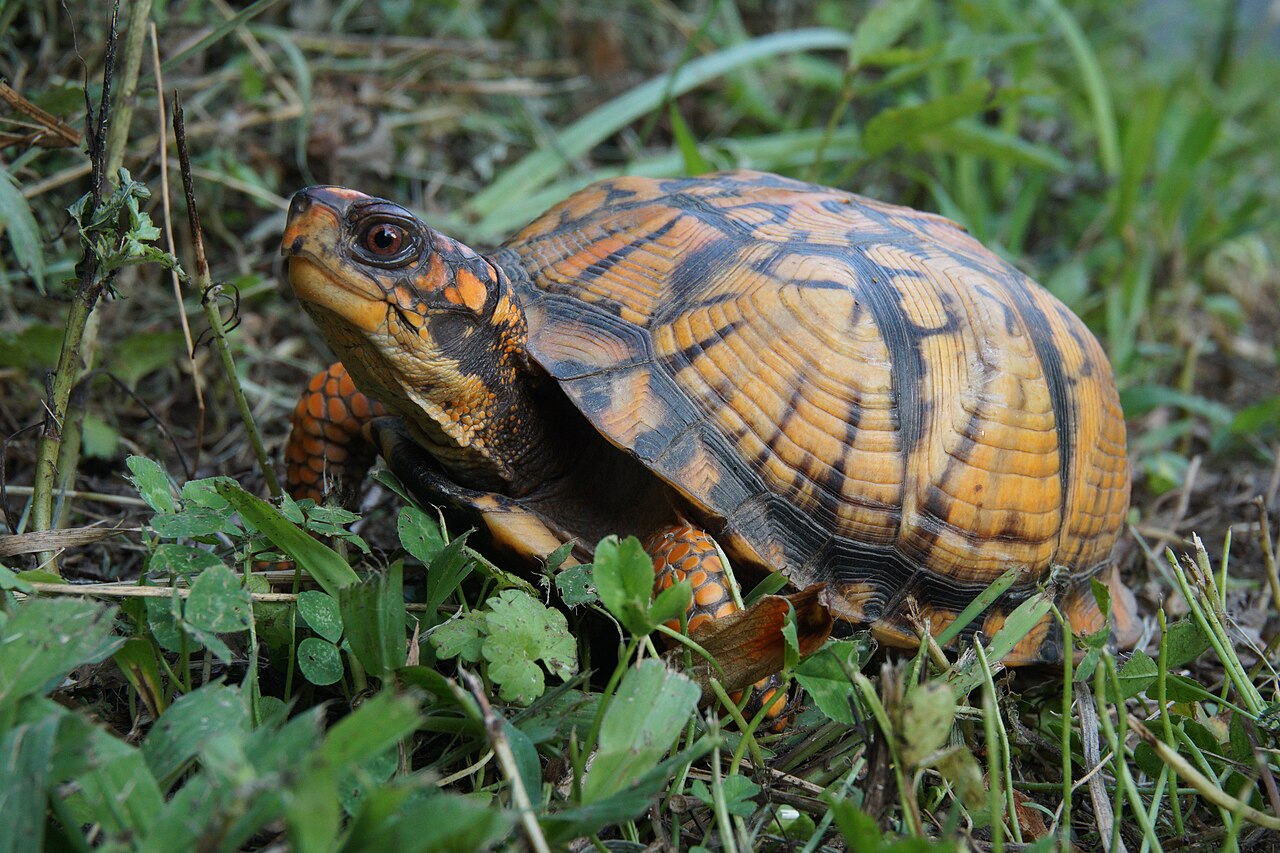
| Eastern box turtle | Soil and leaf litter on land | 3 to 5 months |
| Red eared slider | Pond bottom, southern ranges shorter | 2 to 5 months |
| Softshell turtle | Sand or silt in flowing water | 4 to 5 months |
Do Turtles Hibernate or Brumate?
Brumate is the precise term for reptiles, and the difference is who controls the temperature. Turtles are ectotherms, so as water or soil cools their metabolism falls with it, and below roughly 50 degrees F (10 C) they stop feeding because they can no longer digest. Heart rate can drop to one beat every several minutes.
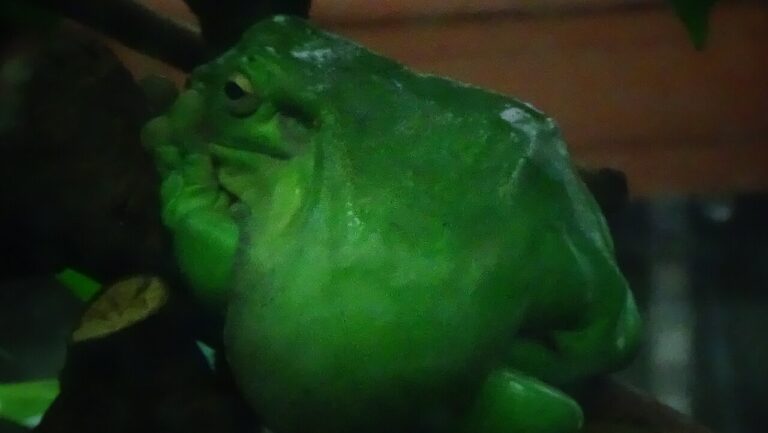
Aquatic turtles solve the breathing problem in a way mammals cannot. They absorb dissolved oxygen through thin skinned tissue in the throat and cloaca, enough to cover their needs at near freezing metabolic rates. Painted turtles can survive months on that alone. Frogs and chipmunks take very different routes through the same season.
How Long Does a Turtle Hibernate?

Three to six months is the normal range, set by latitude rather than species preference. A box turtle in Minnesota may be under from October into April, while the same species in Georgia goes down in December and is out by early March. Southern populations barely brumate at all in mild winters and will surface to bask on warm days.
The trigger is falling water and soil temperature with shortening daylight, not a calendar date. A warm November leaves turtles active weeks past their normal shutdown, and a cold snap can catch them before they reach a safe site.
Can Turtles Freeze and Stay Alive?

Adults generally cannot, but hatchlings of some species can. Baby painted turtles often stay in the nest chamber through their first winter, just below the surface, where temperatures fall below freezing. They tolerate it through supercooling, in which body fluids stay liquid below the freezing point, and by surviving limited ice formation in their tissues.
Adults avoid the problem instead. They overwinter below the frost line or under water that does not freeze to the bottom, which is why pond depth matters so much. A shallow pond that freezes solid kills the turtles in it.
How Do You Know If Your Turtle Is Hibernating?
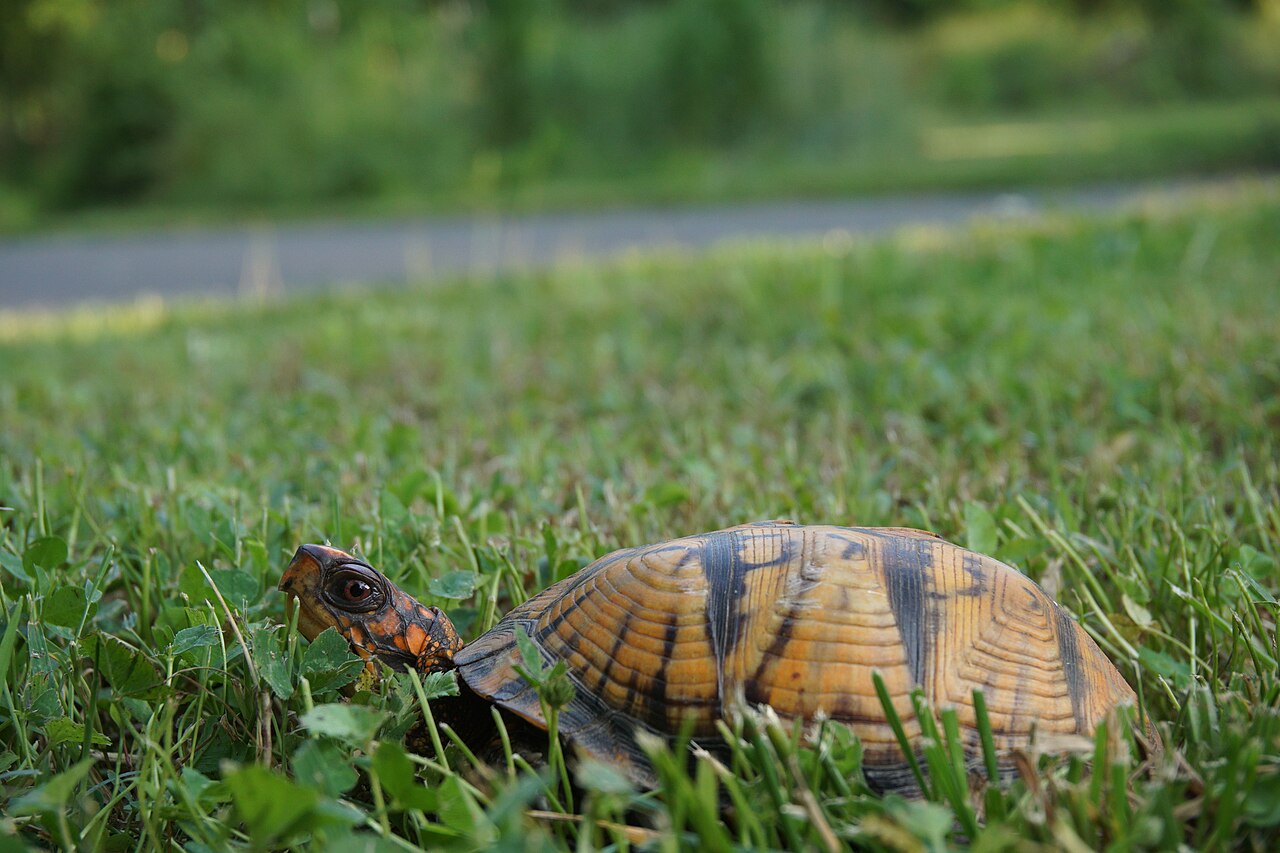
A brumating turtle is still, cool to the touch, and unresponsive to light handling, but it is not limp. Legs retain some tone, the eyes may open slowly, and there is no odor. It has not eaten for weeks by then, which is deliberate: food left in the gut rots rather than digests at those temperatures.
A dead turtle is different. It goes fully slack, the skin loses elasticity, a foul smell develops within a day or two, and a gentle tug on a leg gets no response. Softshell turtles and snapping turtles keep enough strength through brumation to react, so a completely limp one is an emergency.
The U.S. Geological Survey tracks freshwater turtle populations and overwintering habitat across the country at usgs.gov.
Frequently Asked Questions
Do pet turtles need to hibernate?
No. A pet turtle kept at stable indoor temperatures with proper lighting can skip brumation for life with no harm. Breeders often cycle animals through a cool period to trigger reproduction, but for a companion turtle it is optional and carries real risk if done badly.
Can turtles hear humans talk?
Yes, within limits. Turtles hear low frequency sound well, roughly 50 to 1000 Hz, which covers much of the human voice, and they pick up vibration through the shell and ground. They lack external ears, so higher pitched speech registers poorly.
What is the number one cause of death for turtles?
For wild adults it is vehicles, with road mortality falling hardest on nesting females in early summer. Habitat loss and collection for the pet trade follow. For captive turtles it is inadequate heat and lighting, and the respiratory infections that follow.
Do turtles breathe while hibernating?
Not with their lungs. Aquatic species absorb dissolved oxygen directly through thin skinned tissue in the throat and cloaca, which covers their needs at brumation metabolic rates. Land species like box turtles breathe very slowly through the lungs in their soil chamber, sometimes minutes apart.