Do Chipmunks Hibernate? What They Really Do All Winter
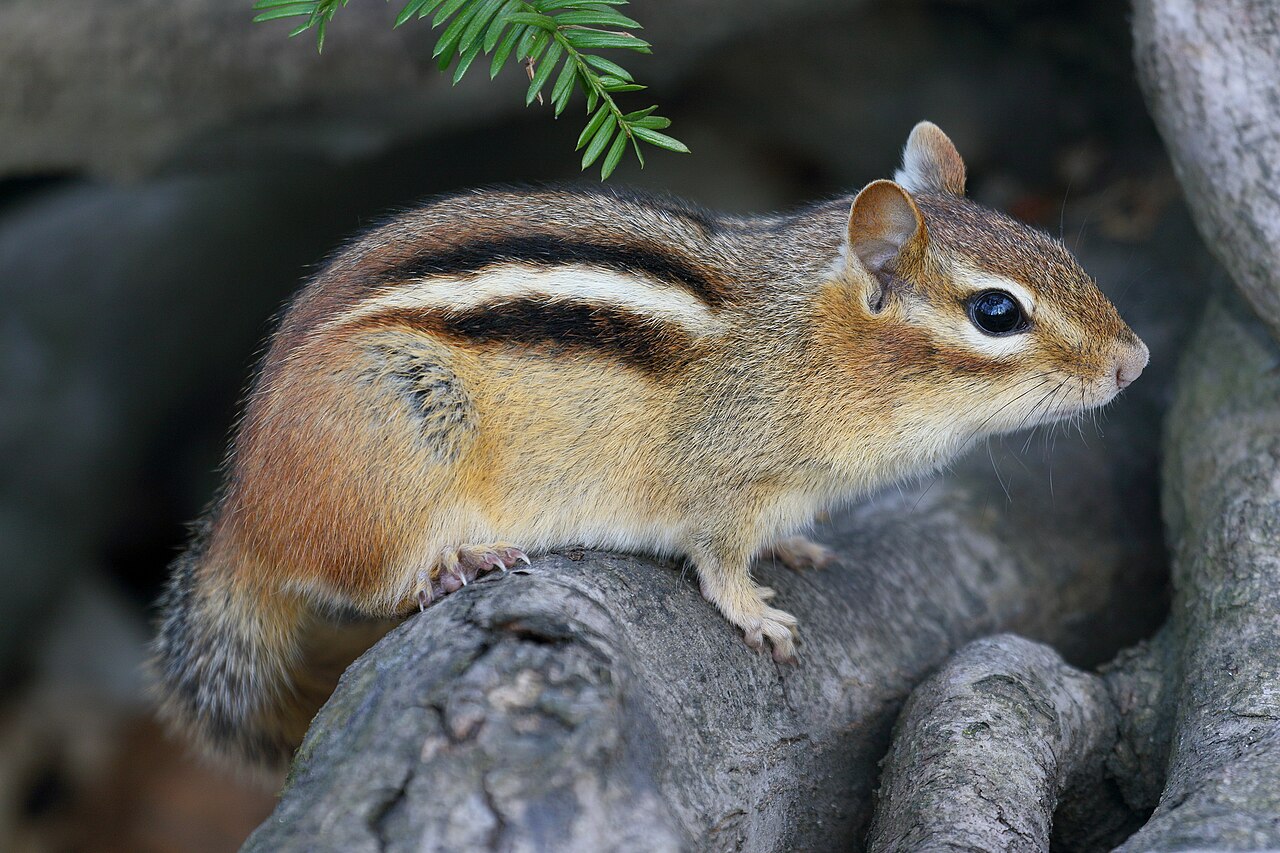
Chipmunks do not hibernate the way a groundhog does. They spend winter underground in a state of torpor, dropping their body temperature close to the soil temperature for several days at a time, then waking to eat from a seed pile they stored in their own burrow. A hibernating chipmunk is never far from a meal.
That is why an eastern chipmunk (Tamias striatus) can turn up on a mild February afternoon and then vanish for three weeks. Their winter is a series of naps, not one long sleep.
Chipmunks hibernate in a light, interrupted form called torpor. They stay in underground burrows from late October to March, waking every few days to eat from stored seed caches and to relieve themselves. Unlike true hibernators, chipmunks store food instead of body fat and never sleep straight through winter.
| Question | Chipmunk | True Hibernator (Groundhog) |
|---|---|---|
| Winter strategy | Torpor with frequent waking | Continuous deep hibernation |
| Energy source | Stored seed cache | Body fat |
| Body temperature | Drops to about 40 F (4 C) | Drops to about 40 F (4 C) |
| Wakes to eat | Yes, every 2 to 8 days | No |
| May appear above ground | Yes, on mild days | Rarely before February |
| Dormant period | Late October to March | October to February |
Where Do Chipmunks Go During the Winter?
They go into a burrow system they dug themselves, usually 2 to 3 feet (60 to 90 cm) below the surface and running up to 30 feet (9 m) in total length. The tunnels include a nesting chamber lined with leaves, one or more storage chambers, and short side passages used as latrines. Entrances are plugged with soil from the inside once cold sets in, which is why the holes you watched all summer suddenly disappear.
The design is built around the food cache rather than insulation. A well provisioned chipmunk stores several thousand seeds, acorns, and beechnuts carried in over the fall in its cheek pouches, a habit that starts early in life as our guide to young chipmunks explains.
How Long Do Chipmunks Hibernate?
Dormancy runs roughly late October through early March in the northern United States, so four to five months. Individual torpor bouts inside that window last two to eight days, separated by several hours of normal body temperature during which the animal eats, drinks, and moves around the burrow. Southern populations may skip long dormancy entirely and simply reduce activity.
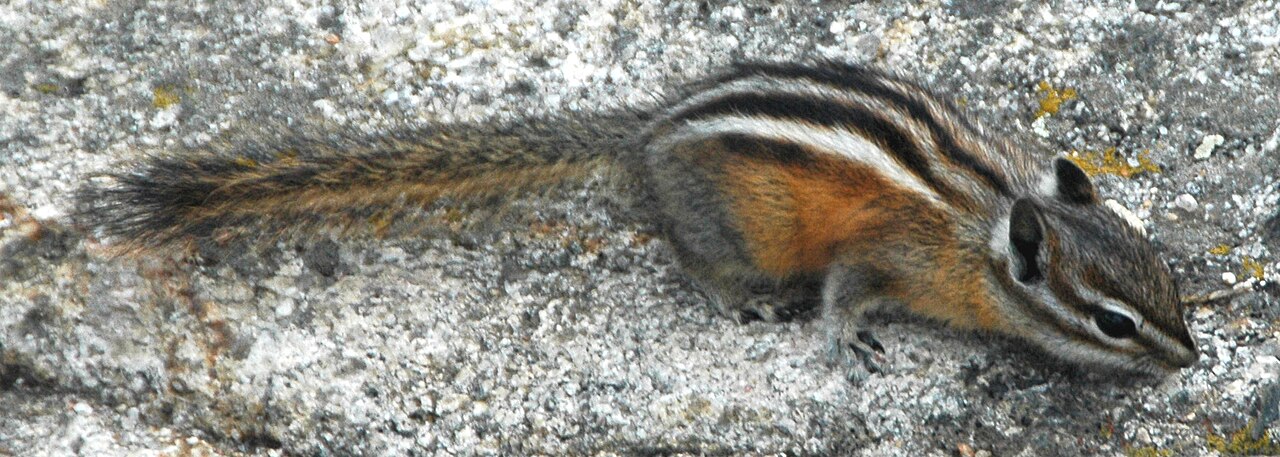
Emergence is driven by day length and soil temperature rather than a calendar date. Males typically surface first, often in late February, because the breeding season begins almost immediately after. Western species such as the least chipmunk (Neotamias minimus) at high elevation can stay below ground into April.
Do Chipmunks Hibernate Together?
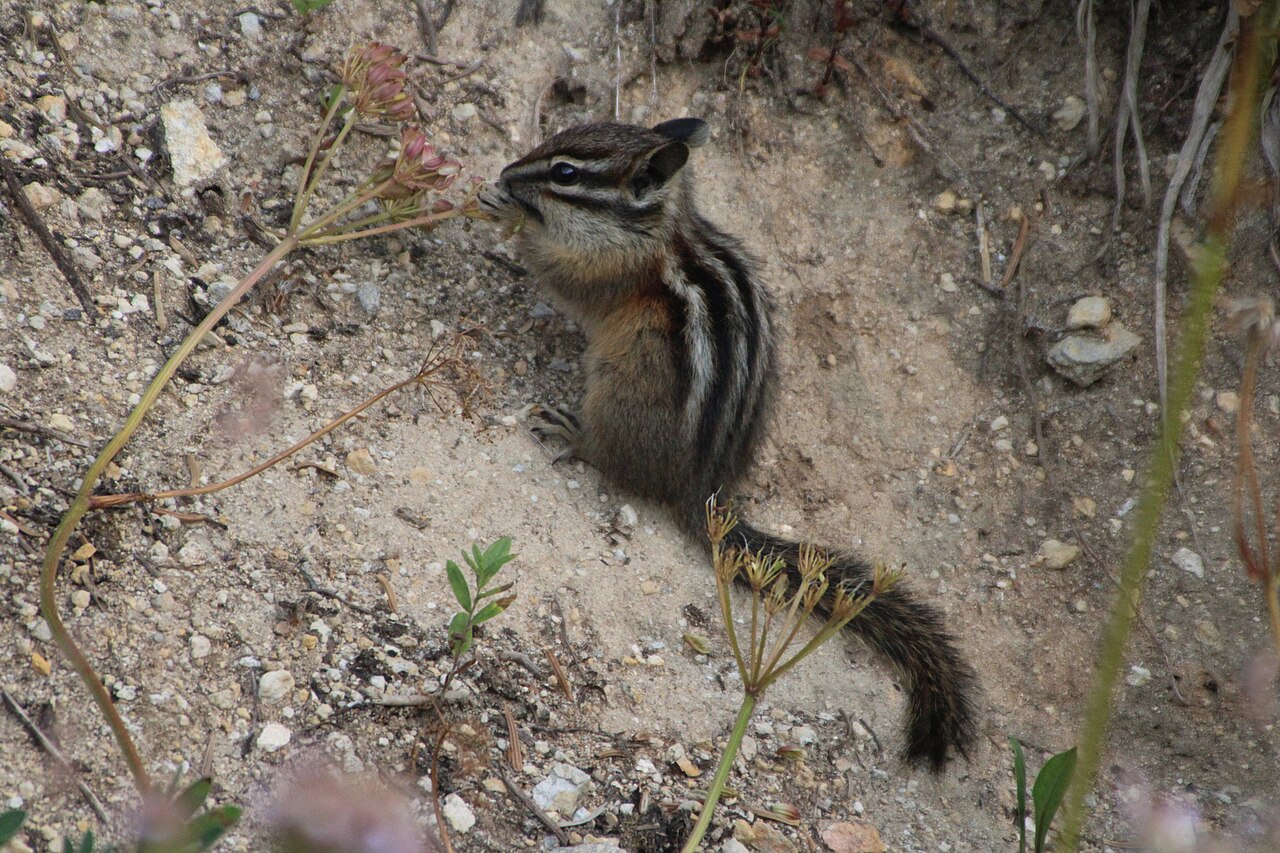
No. Eastern chipmunks are solitary outside the brief breeding periods, and each adult defends its own burrow system against every other chipmunk including its own offspring. A shared burrow in winter would mean a shared food cache, and that cache is the entire survival plan.
The only multi occupant burrows are those holding a female and her litter, and even those break up by the time the young are about eight weeks old. If your yard has holes all over it, you are looking at several separate territories rather than a colony, which our piece on chipmunk droppings and burrow signs helps you sort out.
What Is the Natural Predator of a Chipmunk?
Hawks, foxes, weasels, snakes, and domestic cats take the most chipmunks, and cats alone account for a large share of losses near houses. Weasels are the serious winter threat because they are slim enough to follow a chipmunk down its own tunnel while it is torpid.
That pressure explains the constant alarm calling you hear in summer, broken down in our guide to chipmunk vocalizations. The National Park Service publishes regional species information at nps.gov.
Related reading: do bats hibernate.
Frequently Asked Questions
What is the lifespan of a chipmunk?
Most wild chipmunks live 2 to 3 years, with predation taking the majority in their first year. A small number reach 6 to 8 years in the wild, and captive individuals have passed 9. Surviving the first winter is the single biggest hurdle, and it depends almost entirely on the size of the food cache.
What smell do chipmunks hate the most?
Peppermint oil, garlic, and capsaicin from cayenne pepper are the repellents that most consistently move chipmunks along. Effects are short lived and wash off in rain, so reapplication every few days is necessary. Physical exclusion with quarter inch hardware cloth around foundations and bulb beds works far better than any scent.
Are chipmunks good to have around?
Generally yes. They disperse tree seeds and fungal spores, aerate soil, and feed a long list of native predators. Problems are limited to dug up bulbs and, occasionally, burrows undermining a patio slab. At normal densities they are not destructive.
What month do chipmunks have their babies?
Eastern chipmunks have two litters a year, born in April or May and again in August or September after a 31 day gestation. Litters run 3 to 5 young, which stay underground about six weeks before dispersing. The jackrabbit never goes dormant at all, while frogs shut down completely.