How to Attract American Goldfinches to Your Yard
To attract American goldfinches, offer nyjer (thistle) seed and sunflower hearts in finch feeders, plant native seed-bearing flowers, and provide fresh water. Goldfinches are strict seed eaters that flock to nyjer and small sunflower pieces, especially from tube or mesh finch feeders with small ports. Adding plants like coneflower and sunflower, plus a birdbath, makes a yard even more appealing. This guide covers the best feeders, seeds, plants, water, and tips to bring cheerful goldfinches to your yard and keep them coming.
| Attractor | What to Provide |
|---|---|
| Feeder | Nyjer or finch tube, mesh sock |
| Seed | Nyjer and sunflower hearts |
| Plants | Coneflower, sunflower, thistle, aster |
| Water | Birdbath, shallow with movement |
| Freshness | Replace nyjer often |
| Patience | Can take weeks to be found |
Offer the Right Seed
Goldfinches are dedicated seed eaters, so the right seed is the foundation of attracting them. Their two favorites are nyjer, often called thistle seed, and sunflower hearts or chips, both small enough for their delicate bills. Nyjer is a tiny black seed that goldfinches adore, and offering it is one of the most reliable ways to draw them in. Sunflower hearts, the shelled kernels of sunflower seeds, are also eagerly eaten and leave no messy shells. Avoid relying on large striped sunflower or cheap mixes heavy in filler, which goldfinches largely ignore. A steady supply of fresh nyjer and sunflower hearts is the surest seed-based way to attract a flock. For a full breakdown of seed types, see our guide to the best bird seed.
Use the Right Feeder
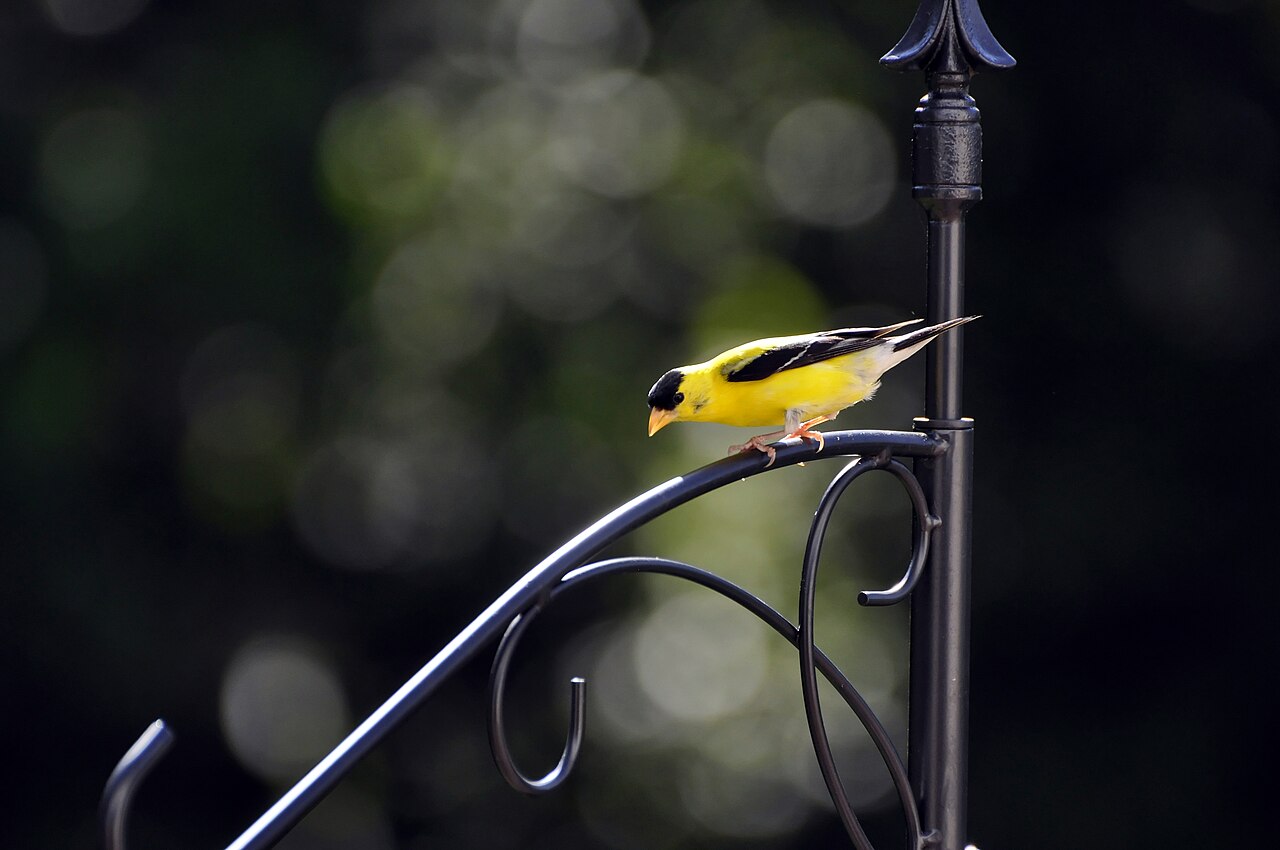
The feeder style matters almost as much as the seed. Goldfinches do well at tube feeders with small ports sized for nyjer, and at mesh or sock feeders that let them cling and feed, which suits their acrobatic nature since goldfinches will happily feed while hanging upside down. A nyjer-specific feeder keeps the tiny seed from spilling and helps exclude larger birds. Because goldfinches are social, feeders with multiple ports or several feeders let a whole flock feed at once. Position feeders in a relatively open spot near trees or shrubs for quick cover. This combination of the right feeder and the right seed is what turns an occasional goldfinch into a regular crowd, as covered in our best bird feeders guide.
Plant Flowers Goldfinches Love
Feeders draw goldfinches, but native plants feed them naturally and keep them around. Goldfinches love the seeds of many flowers, so planting coneflower, black-eyed Susan, sunflower, cosmos, aster, and native thistle gives them a natural food source, especially in late summer and fall when the seed heads ripen. Leaving spent flower heads standing through fall and winter, rather than deadheading everything, provides seeds exactly when goldfinches need them. These plants also support the broader ecosystem. A garden rich in seed-bearing natives can attract goldfinches even without feeders and makes any feeder setup far more effective. For more ideas, see our guides to plants that attract birds and flowers that attract birds.
Provide Fresh Water
Water is a powerful and often overlooked way to attract goldfinches. Like most birds, goldfinches need water for drinking and bathing, and a clean birdbath can draw them in even where feeders are quiet. They prefer shallow water, so a bath with a gentle slope or added stones for footing suits them well, and moving water from a dripper or small fountain is especially attractive, since the sound and motion catch their attention. Keeping the water fresh and clean, and ice-free in winter, makes it a dependable draw year round. Offering water alongside nyjer, sunflower hearts, and native plants covers every one of a goldfinch’s needs and greatly increases your chances of hosting them.
Be Patient and Consistent
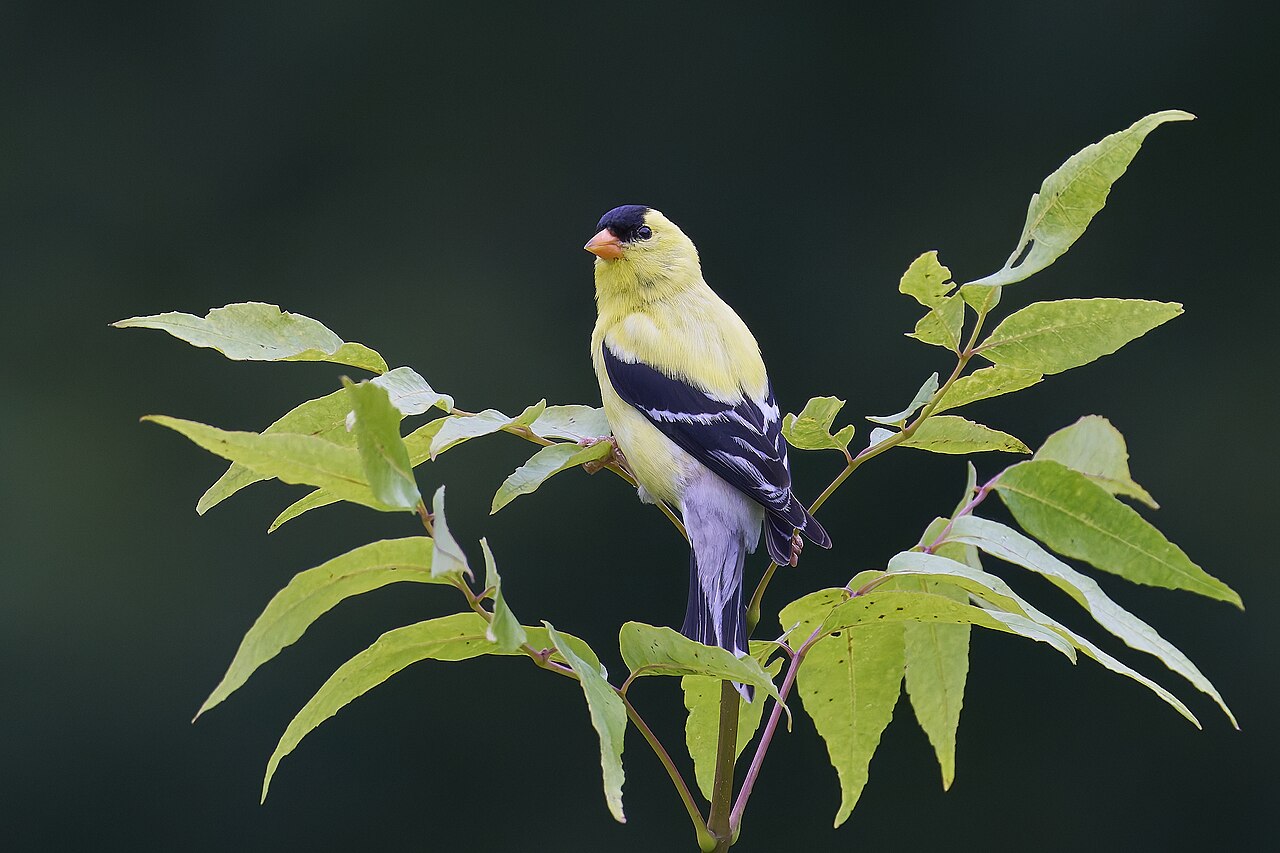
Attracting goldfinches sometimes takes patience, so consistency is key. It can take days or even weeks for goldfinches to discover a new feeder, so do not give up if one sits quiet at first. Keep the seed fresh, the feeder clean, and the water topped up, and once a few goldfinches find your yard, their flocking nature means others usually follow. Goldfinches are present year round in much of their range, though their plumage changes, so do not be surprised to see duller, olive-toned birds in winter and brilliant yellow males in summer. Maintaining a reliable setup through the seasons builds a loyal flock. To learn more about the bird itself, including its striking seasonal color change, see our American Goldfinch guide.
Understanding the Goldfinch Diet
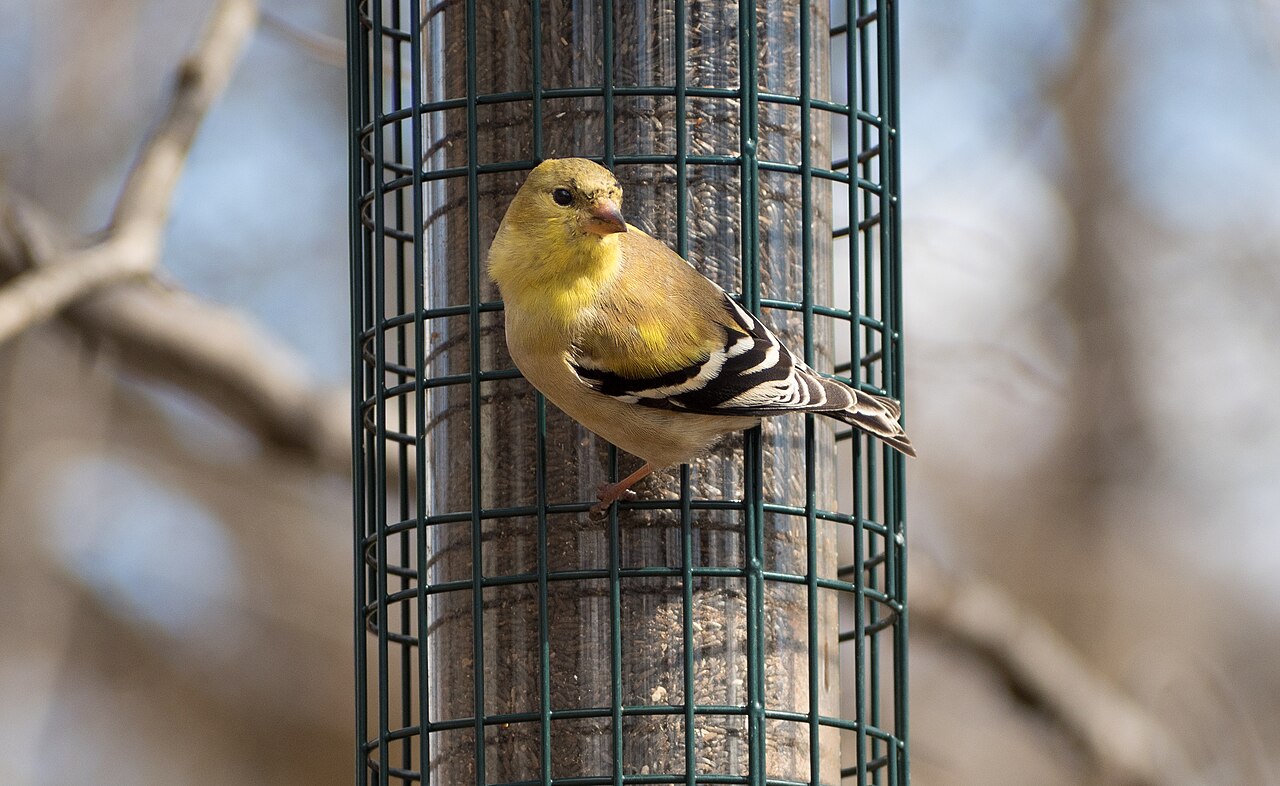
Attracting goldfinches is easier when you understand how specialized they are. Goldfinches are among the most strictly seed-eating birds in North America, and according to the Cornell Lab of Ornithology the American Goldfinch feeds almost exclusively on seeds, eating very few insects even when raising young. This is exactly why nyjer and sunflower hearts work so well and why seed-bearing plants are such powerful attractants. It also explains why goldfinches largely ignore the suet and mealworms that draw other birds, and why they visit seed feeders so faithfully. Leaning into their seed specialization, with fresh nyjer, sunflower hearts, and native seed plants, is the single most reliable strategy for bringing goldfinches to your yard, as detailed in our guide on what goldfinches eat.
Keeping Goldfinches Coming Back
Once goldfinches find your yard, a little consistency keeps the flock loyal. Keep feeders stocked with fresh seed, clean them regularly to prevent mold, especially with nyjer, which can clump and spoil, and maintain a reliable water source. Because goldfinches are social, a well-supplied yard can host a lively flock, and their numbers often grow over time as word spreads through the local population. Do not be discouraged by their seasonal color change, since the same birds that dazzle in summer gold become subtle olive in winter but keep visiting throughout. Offering a steady supply of what they love, season after season, builds the kind of dependable feeding station that goldfinches return to for years, much like the approach in our guide to the best bird seed.
Managing Competition and Mess
A busy goldfinch feeder brings a couple of small challenges worth managing. House finches and other birds may crowd nyjer and sunflower feeders, though goldfinches usually share well and multiple feeding ports help everyone eat. Nyjer can create a bit of debris below the feeder, so placing feeders where spilled seed is easy to sweep, or using a tray to catch it, keeps things tidy. Squirrels are less interested in nyjer than in sunflower, but they may still raid sunflower hearts, so a baffle can help protect the supply. None of these issues are serious, and with a little attention your goldfinch feeder stays clean, busy, and welcoming to the cheerful flocks that make feeding them so rewarding.
Best Placement for a Goldfinch Feeder
Where you hang a goldfinch feeder affects how quickly the birds find it and how safe they feel using it. Goldfinches like a spot that is fairly open so they can spot the feeder as they pass, yet close enough to trees or shrubs that they can retreat to cover if a hawk appears. Hanging the feeder about five to six feet off the ground makes it easy for you to refill and for goldfinches to use comfortably. Placing it near seed-bearing plants they already visit can speed up discovery, since goldfinches foraging on natural seeds will notice a feeder nearby. Avoid tucking it into a cramped, hidden corner or hanging it right against a window. A thoughtfully placed feeder, kept full of fresh nyjer and sunflower hearts, quickly becomes a favorite goldfinch gathering spot.
Related reading: types of finches.
Frequently Asked Questions
How do I attract goldfinches to my yard?
Offer nyjer (thistle) seed and sunflower hearts in finch feeders, plant native seed-bearing flowers like coneflower and sunflower, and provide fresh, shallow water.
What seed do goldfinches like best?
Nyjer, also called thistle seed, and sunflower hearts or chips are the top favorites. Both are small enough for a goldfinch’s delicate bill.
What feeder is best for goldfinches?
A nyjer tube feeder with small ports or a mesh or sock feeder they can cling to. Goldfinches even feed upside down, so clinging feeders suit them well.
What flowers attract goldfinches?
Coneflower, black-eyed Susan, sunflower, cosmos, aster, and native thistle. Leaving the seed heads standing into fall provides natural food.
Why won’t goldfinches come to my feeder?
Often the nyjer is stale, since goldfinches reject old seed. Refill with fresh seed, and be patient, as it can take weeks for them to find a new feeder.
Do goldfinches need water?
Yes. A clean, shallow birdbath, especially with moving water, attracts goldfinches for drinking and bathing and can draw them even where feeders are quiet.
Are goldfinches present in winter?
Yes, in much of their range goldfinches stay year round, but they molt to a duller olive color in winter, so the bright yellow returns in spring and summer.