What Do Goldfinches Eat? A Vegetarian Seed Diet
American goldfinches eat almost entirely seeds, making them one of the strictest vegetarian birds in North America. Their diet centers on the seeds of thistle, sunflower, coneflower, aster, and other plants, plus nyjer and sunflower hearts at feeders. Unlike most songbirds, goldfinches eat very few insects, even feeding their young a seed-based diet. This near-total seed diet even shapes when they nest. This guide covers exactly what goldfinches eat, their favorite seeds, why they are vegetarian, what they eat at feeders, and what baby goldfinches eat.
| Food | Examples | Notes |
|---|---|---|
| Wild seeds | Thistle, aster, coneflower | Bulk of natural diet |
| Sunflower | Hearts and small seeds | Favorite at feeders |
| Nyjer | Thistle seed | Top feeder food |
| Tree seeds | Birch, alder, elm | Eaten seasonally |
| Insects | Very few | Rarely eaten |
What Do Goldfinches Eat?
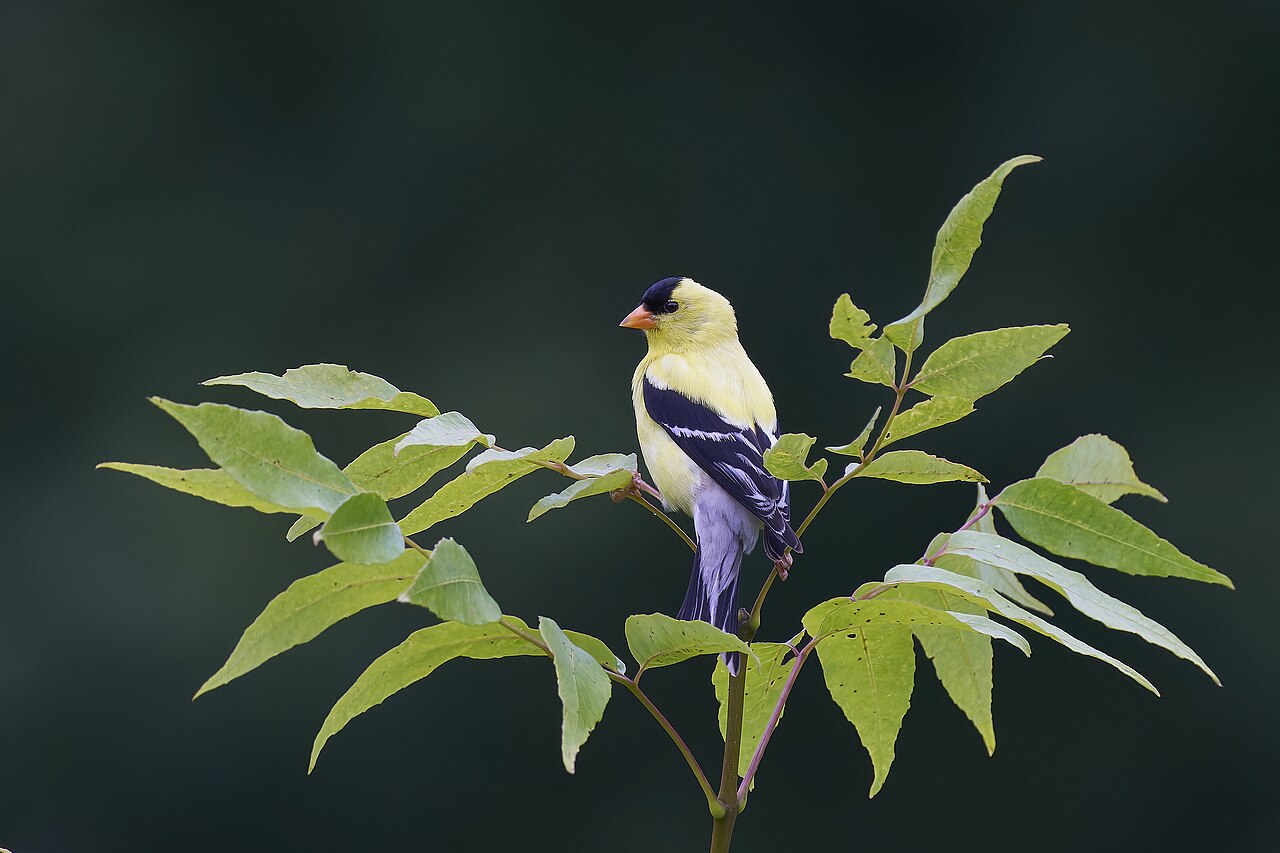
American goldfinches are among the most dedicated seed eaters of all backyard birds, and seeds make up the overwhelming majority of their diet year round. In the wild they feast on the seeds of plants in the daisy family, such as thistle, sunflower, coneflower, aster, and cosmos, as well as the seeds of grasses and trees like birch, alder, and elm. They cling acrobatically to seed heads to extract the seeds, often hanging upside down. According to the Cornell Lab of Ornithology, the American Goldfinch is almost exclusively granivorous, meaning it eats an unusually strict seed diet compared with most songbirds. This specialization shapes nearly everything about the bird, from its bill to its breeding timing. For the full profile, see our American Goldfinch guide.
Favorite Seeds and Feeder Foods
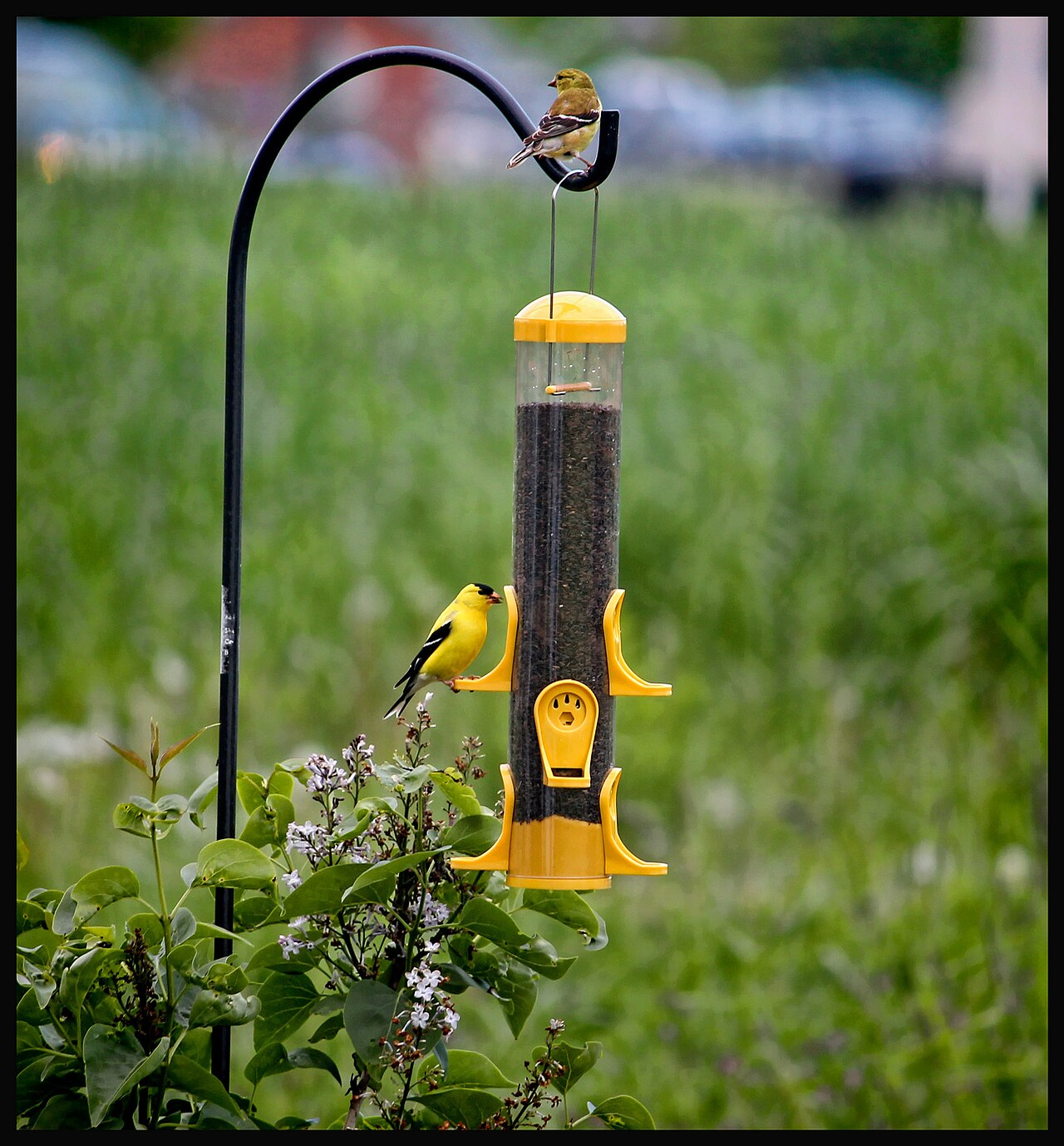
At feeders, goldfinches gravitate to two foods above all: nyjer and sunflower hearts. Nyjer, often called thistle seed, is a tiny, oil-rich black seed that goldfinches find irresistible and is one of the best foods for attracting them. Sunflower hearts, the shelled kernels of sunflower seeds, are also eagerly eaten and, because they leave no shells, keep feeding areas tidy. Goldfinches will take black oil sunflower seeds too, cracking the thin shells with their small bills. What they largely ignore are the fillers in cheap seed mixes, like milo and cracked corn, and large striped sunflower. Offering fresh nyjer and sunflower hearts is the most effective way to feed goldfinches, as detailed in our guide to the best bird seed.
Why Goldfinches Are Vegetarian
One of the most remarkable things about goldfinches is how thoroughly they rely on seeds, making them essentially vegetarian. While nearly all songbirds feed their nestlings protein-rich insects, goldfinches feed their young a regurgitated diet of seeds, an unusual strategy that sets them apart. They do consume a tiny number of insects incidentally, but plant seeds dominate their diet at every life stage. This strict seed diet even influences the composition of their nests and the timing of their breeding. It also means goldfinches are less affected by insect availability than most birds, allowing them to thrive wherever seed-bearing plants are abundant. This vegetarian lifestyle is central to understanding the goldfinch and why gardening for seeds matters so much, as covered in our guide to plants that attract birds.
How Diet Shapes Their Late Nesting
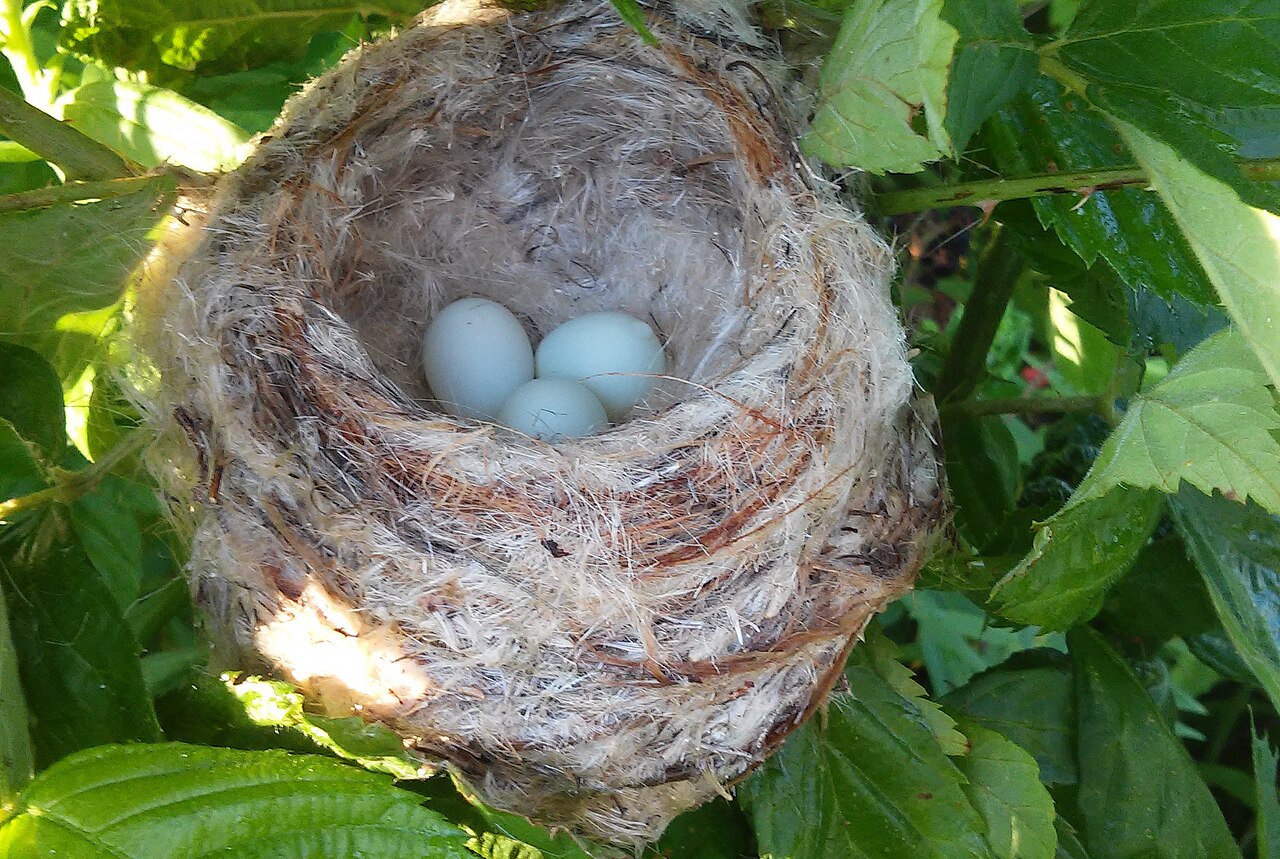
The goldfinch’s seed diet has a fascinating consequence: they nest later than almost any other North American songbird. While most birds breed in spring, goldfinches typically wait until mid to late summer, often June through August, and this timing is tied directly to food, since they delay nesting until thistle and other plants produce the abundant seeds and, for thistle, the fluffy down goldfinches use to line their nests. By breeding when seeds are most plentiful, goldfinches ensure a rich food supply for feeding their seed-eating young. This late nesting is a direct result of their vegetarian diet and is one of the most distinctive traits in their life cycle, a neat example of how what a bird eats can shape its entire breeding calendar.
What Do Baby Goldfinches Eat?
Baby goldfinches eat a seed-based diet, which is highly unusual among songbirds. Rather than being fed insects, goldfinch nestlings are fed regurgitated seeds and plant material by their parents, giving them the protein and nutrients they need almost entirely from plants. This is possible because goldfinches time their breeding to the peak of seed availability in late summer. The seed-rich diet supports the young through their rapid growth in the nest. This reliance on seeds for the young is a big reason goldfinches nest so late and why a yard full of seed-bearing plants and fresh feeder seed supports not just adults but the next generation. To bring these seed-loving birds to your yard, see our guide on how to attract goldfinches.
What Goldfinches Eat in Winter
Goldfinches remain seed eaters through winter, adapting to whatever seeds are available in the cold months. In the wild they feed on the lingering seeds of trees like birch and alder, on the standing seed heads of coneflowers, asters, and grasses, and on any weed seeds they can find. At feeders, nyjer and sunflower hearts remain their staples all winter long, making a stocked finch feeder a genuine help when natural food is scarce. Because goldfinches do not migrate far in much of their range and often stay year round, a reliable winter seed supply supports them through the season, even as their plumage fades to olive. This unbroken reliance on seeds, winter included, is a hallmark of the goldfinch, and it is covered further in our guide on how to attract goldfinches.
How Goldfinches Eat Seeds
The way goldfinches feed is as distinctive as what they eat. With small, conical bills built for extracting seeds, goldfinches are remarkably acrobatic, clinging to swaying seed heads and feeders and often hanging fully upside down to reach the seeds they want. They deftly husk each seed, discarding the shell and swallowing the kernel, and they can work through seed heads with impressive speed and dexterity. This agility lets them exploit food sources that heavier, less nimble birds cannot, from dangling birch catkins to nodding sunflowers. Watching a flock of goldfinches work over a stand of coneflowers or a nyjer feeder is one of the small pleasures of feeding them, and it reflects just how finely adapted they are to a life built entirely around seeds.
Should You Feed Goldfinches Sunflower or Nyjer?
Both nyjer and sunflower hearts are excellent, and offering both gives goldfinches the best of each. Nyjer, or thistle seed, is a classic goldfinch magnet, tiny and oil-rich, and it draws them reliably while being less attractive to larger, pushier birds. Sunflower hearts are equally loved, higher in fat, mess-free since they leave no shells, and appealing to a wider range of birds too. Many people offer both, either in separate feeders or by placing a nyjer feeder near a sunflower-heart feeder, so goldfinches can choose. If you pick just one, nyjer is the more goldfinch-specific option, while sunflower hearts bring in goldfinches alongside other welcome visitors. Either way, freshness matters most, so buy in amounts you will use before the seed goes stale.
Do Goldfinches Eat Fruit or Suet?
Unlike many backyard birds, goldfinches show very little interest in fruit or suet, because their diet is so thoroughly seed-based. You may occasionally see a goldfinch investigate other foods, but they will almost always return to seeds, and offerings like fruit, jelly, or suet are far better aimed at orioles, woodpeckers, and other species. This is why a goldfinch-focused setup centers entirely on seed, nyjer and sunflower hearts at feeders, and native seed heads in the garden, rather than the varied menu other birds enjoy. Recognizing that goldfinches are seed specialists saves effort and money, since there is no need to offer them anything beyond fresh, high-quality seed and clean water to keep them happy and returning to your yard.
Frequently Asked Questions
What do goldfinches eat?
Almost entirely seeds, especially thistle, sunflower, coneflower, and aster seeds in the wild, plus nyjer and sunflower hearts at feeders. They eat very few insects.
Are goldfinches vegetarian?
Essentially yes. Goldfinches eat an unusually strict seed diet and even feed their young seeds rather than insects, unlike almost all other songbirds.
What is the best seed for goldfinches?
Nyjer (thistle seed) and sunflower hearts are the top choices. Both are small, oil-rich, and eagerly eaten, making them the best feeder foods for goldfinches.
What do baby goldfinches eat?
Baby goldfinches eat regurgitated seeds and plant material fed by their parents, not insects, which is why goldfinches nest late when seeds are abundant.
Do goldfinches eat insects?
Very rarely. Goldfinches consume only a tiny number of insects incidentally, with seeds making up the overwhelming majority of their diet at every life stage.
Why do goldfinches nest so late?
Because they feed their young seeds, goldfinches wait until mid to late summer when thistle and other plants produce abundant seeds and nesting down.
What garden plants feed goldfinches?
Coneflower, sunflower, black-eyed Susan, cosmos, aster, and native thistle. Leaving the dried seed heads standing feeds goldfinches through fall and winter.