How to Attract Chickadees to Your Yard
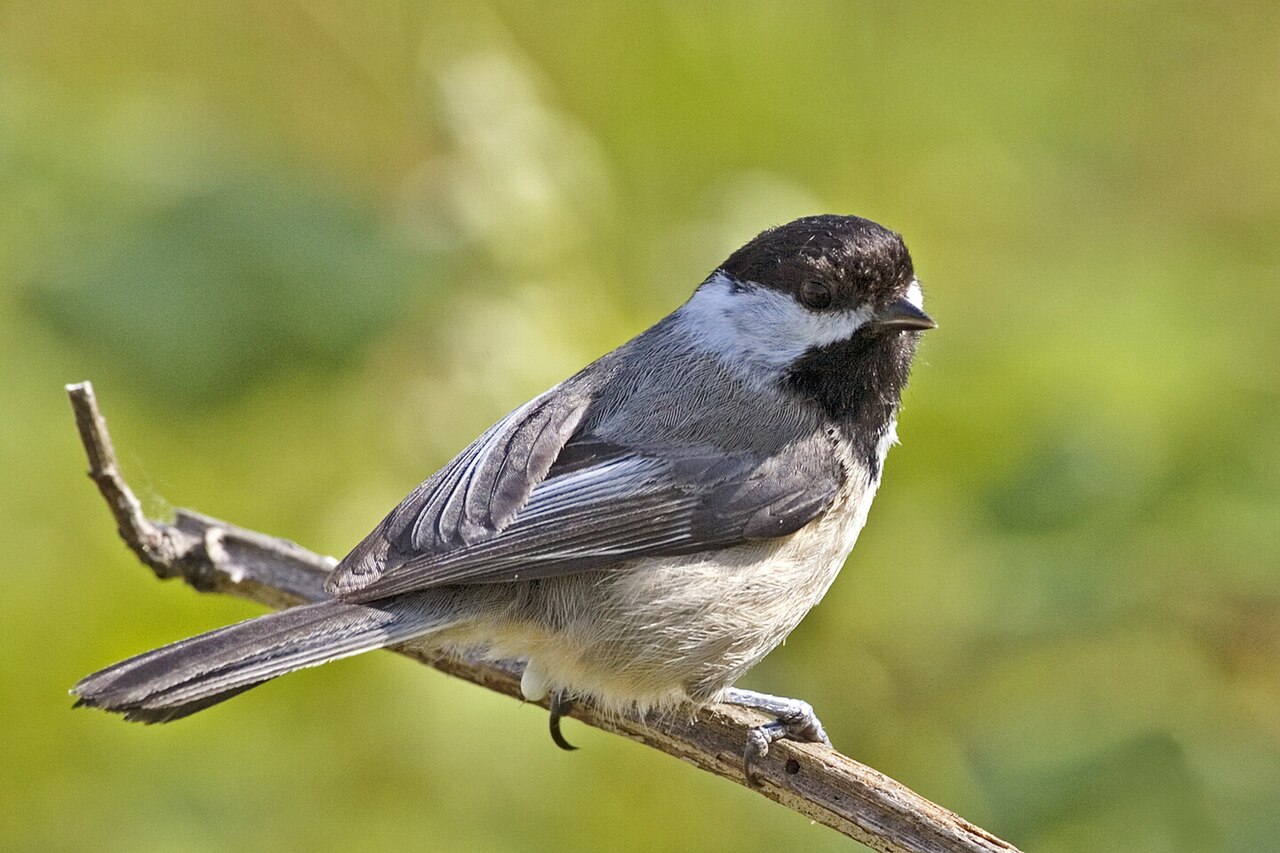
To attract chickadees, offer black oil sunflower seeds, suet, and peanuts in tube or hopper feeders, add a nest box and water, and plant native trees and shrubs. Chickadees are bold, curious birds that are often the first to find a new feeder, and they love high-energy foods. Providing the right food, cover, water, and nesting spots makes them reliable year-round visitors. This guide covers the best feeders, foods, water, nesting, and plantings to bring cheerful chickadees to your yard and keep them coming back.
| Attractor | What to Provide |
|---|---|
| Food | Black oil sunflower, suet, peanuts |
| Feeder | Tube, hopper, or platform |
| Water | Birdbath, shallow with movement |
| Nesting | Small nest box with wood shavings |
| Cover | Native trees and shrubs nearby |
| Extras | Peanut butter, mealworms |
Offer the Right Food
Chickadees are drawn to high-energy foods, so the right menu is the foundation of attracting them. Their top favorite is the black oil sunflower seed, whose thin shell and rich kernel are perfect for their small bills, and they will visit reliably for it year round. They also love suet, especially in cold weather, along with peanuts and peanut pieces, and they will take nyjer and hulled sunflower too. Chickadees have an endearing feeding style, since they typically grab a single seed, fly off to a branch to hammer it open or hide it, then return for another. Stocking sunflower, suet, and peanuts covers everything a chickadee wants. For a full breakdown of seed types, see our guide to the best bird seed.
Use the Right Feeder
Chickadees are versatile feeders and will use almost any style, which makes them easy to please. Tube feeders with perches suit them well, hopper feeders work nicely, and they happily use platform and suet feeders too, since their small size and agility let them cling and perch with ease. Because chickadees are bold and quick, they often dart in, grab a seed, and leave, so they coexist well with shyer birds and busy feeders. Placing feeders near trees or shrubs gives chickadees the cover they like and a perch to open seeds on. Offering both a sunflower feeder and a suet feeder maximizes their visits. For feeder styles and placement, see our best bird feeders guide.
Provide Water
Water is a powerful and often underused way to attract chickadees. Like all birds, chickadees need water for drinking and bathing, and a clean birdbath can draw them in even where feeders are quiet. They prefer shallow water, so a bath with a gentle slope or a few stones for footing suits their small size, and moving water from a dripper or small fountain is especially attractive, since the sound and motion catch their attention. Keeping the water fresh and, in winter, ice-free makes it a dependable draw all year. Offering water alongside sunflower, suet, and peanuts covers a chickadee’s core needs and noticeably increases how often they visit your yard.
Add a Nest Box
Chickadees are cavity nesters, so a well-made nest box can turn visitors into residents. They readily use small boxes with an entrance hole of about 1 and 1 eighth inches, and they appreciate a box filled with a layer of wood shavings or sawdust, since chickadees like to excavate and will often remove some material themselves as if digging their own cavity. Mount the box on a pole with a predator baffle in a spot with some nearby cover, and leave the perch off to deter competitors. Putting up a box in late winter, before the breeding season, gives chickadees time to find it. A nesting pair will then raise young in your yard, deepening their attachment to it, a topic covered further in our guide to the chickadee nest box.
Plant Native Trees and Shrubs
The landscape itself is a major chickadee attractant, since these birds are insect eaters as much as seed eaters. Planting native trees and shrubs provides both natural food and shelter, and importantly, native plants host the caterpillars and insects that chickadees rely on, especially when feeding their young. Oaks, birches, willows, and native shrubs support huge numbers of caterpillars, which are prime chickadee food. Evergreens and dense shrubs also give chickadees cover from predators and shelter in bad weather. A yard with native plantings, some brush or leaf litter, and a few dead branches left standing offers chickadees a rich, natural habitat that complements your feeders, an approach echoed in our guide to plants that attract birds. Chickadees often travel in mixed flocks, so a good yard may also bring in titmice and nuthatches.
Keeping Chickadees Coming Back
Once chickadees discover your yard, a little consistency turns them into year-round regulars. Keep feeders stocked with fresh seed and suet, clean them periodically to prevent mold, and maintain a reliable water source, since dependability is what builds their trust. Chickadees are non-migratory in most of their range, so the same birds can visit your yard all year, and they often lead mixed winter flocks of nuthatches, titmice, and small woodpeckers to a good food source. Offering high-fat foods like suet and sunflower is especially important in winter, when chickadees need extra energy to survive cold nights. A steady, well-kept setup rewards you with these cheerful birds through every season, as covered in our guide to the best suet feeders.
Chickadees Are Bold and Curious
Part of what makes chickadees such rewarding visitors is their fearless, inquisitive personality. They are often the very first birds to investigate a new feeder, sometimes arriving within minutes, and their boldness means they tolerate people better than most wild birds. This curiosity is why chickadees can be trained to take seeds from an outstretched hand with patience, and why they will scold intruders with their distinctive chick-a-dee-dee-dee call, adding more dee notes to signal greater alarm. Their tameness and charm make them a favorite for beginners and experienced birders alike. Providing a safe, well-stocked yard lets you enjoy their lively antics up close, and encourages them to treat your space as part of their daily territory, much as described in our guide on attracting birds to your feeder.
Why Chickadees Are Great Feeder Birds
Chickadees rank among the most rewarding and dependable birds to host, which is part of why so many people want to attract them. They are widespread and common across their range, and the Cornell Lab of Ornithology notes they are among the most frequent visitors at backyard feeders in North America, so most yards have a real chance of drawing them. Their tameness, curiosity, and cheerful calls make them a delight to watch, and because they do not migrate in most areas, they provide year-round company. Chickadees also help anchor mixed flocks, meaning a yard they trust often attracts nuthatches, titmice, and small woodpeckers too. All of this makes the modest effort of offering sunflower, suet, and water especially worthwhile, since chickadees reward it so reliably and add so much life to a yard.
The Joy of Backyard Chickadees
Few birds bring as much personality to a yard as chickadees. Their acrobatic feeding, hanging upside down to reach a seed, their fearless approach to feeders, and their constant cheerful chatter make them endlessly entertaining to watch. Because they stay all year and quickly learn to trust a reliable food source, chickadees become familiar companions through every season, greeting you at the feeder in the depths of winter when few other birds stir. Attracting them takes only modest effort, yet the reward is a lively, charming presence that anchors your backyard bird community and often draws other species along with them.
Related reading: what do chickadees eat.
Frequently Asked Questions
How do I attract chickadees to my yard?
Offer black oil sunflower seeds, suet, and peanuts in tube or hopper feeders, provide water and a small nest box, and plant native trees and shrubs for food and cover.
What is the best food for chickadees?
Black oil sunflower seeds are the top favorite, along with suet and peanuts. Chickadees also take hulled sunflower, nyjer, and peanut butter.
What kind of feeder do chickadees like?
Chickadees use almost any feeder, including tube, hopper, platform, and suet feeders. They are agile and bold, often grabbing a seed and flying off to open it.
Do chickadees use nest boxes?
Yes. Chickadees are cavity nesters and readily use small boxes with a 1 and 1 eighth inch hole, especially when filled with wood shavings they can excavate.
Do chickadees need water?
Yes. A clean, shallow birdbath, especially with moving water, attracts chickadees for drinking and bathing and can draw them even where feeders are quiet.
How do I get a chickadee to eat from my hand?
Stand still near a busy feeder with sunflower seeds in an open palm, and be patient over several days. Bold, curious chickadees may eventually land to take one.
What plants attract chickadees?
Native trees and shrubs like oaks, birches, and willows, which host the caterpillars chickadees eat, plus evergreens and dense shrubs for cover.